


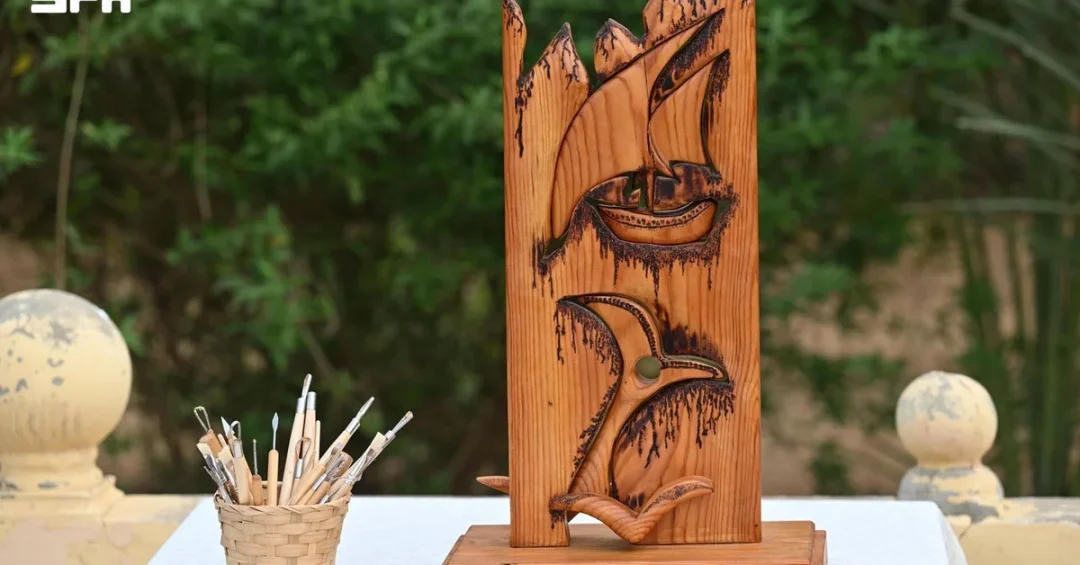
Saudi sculptor Dhaafi Al-Kulaibi is transforming traditional plows, household utensils, and daily tools from Jazan Region into refined wooden sculptures that celebrate the area’s agricultural and rural heritage through a contemporary artistic lens. The artworks, which draw inspiration from Jazan’s rural and maritime environments, reflect a 15-year career dedicated to preserving regional identity and presenting it in forms suitable for modern art galleries and private collections.
Context and Background
Jazan Region, located in southwestern Saudi Arabia, is known for its fertile agricultural lands, rich cultural traditions, and distinctive craftsmanship. Al-Kulaibi’s work emerges from this context, using native wood grains and traditional engravings to create pieces that resonate with local communities and international audiences alike. According to the Saudi Press Agency (SPA), his sculptures highlight the enduring bond between Jazan’s people and their land, offering a contemporary reinterpretation of rural life.
The sculptor’s meticulous process can take up to six months per piece, underscoring the dedication and skill involved in manual craftsmanship. By carving traditional motifs into modern compositions, Al-Kulaibi bridges the gap between past and present, ensuring that Jazan’s heritage remains visible and relevant in today’s art scene.
Key Details
Al-Kulaibi’s artworks have drawn significant interest at local exhibitions, reflecting a growing public appreciation for heritage-driven fine art in Saudi Arabia. His pieces often feature elements such as plows, utensils, and tools that were once essential to daily life in Jazan, now elevated to aesthetic objects that tell stories of resilience and community.
In addition to his artistic practice, Al-Kulaibi is committed to nurturing the next generation of Saudi sculptors. He trains emerging talent and is working to launch a specialized sculpting club under the Hawi national portal for hobbies. This initiative aims to create a collaborative hub where local practitioners can exchange expertise and hone their skills, ensuring the continuity of this traditional craft.
Implications and Impact
The recognition of Al-Kulaibi’s work aligns with Saudi Arabia’s broader efforts to promote cultural heritage as a cornerstone of national identity. By showcasing Jazan’s rural traditions through contemporary art, these sculptures contribute to a deeper understanding of the Kingdom’s diverse cultural landscape, both domestically and internationally.
Moreover, the establishment of a sculpting club under Hawi reflects the growing emphasis on community engagement and skill development in the arts. Such initiatives not only preserve traditional crafts but also foster innovation and creative expression, positioning Saudi Arabia as a hub for artistic excellence in the region.
Vision 2030 Alignment
This development resonates with Saudi Vision 2030’s goals of diversifying the economy, empowering youth, and promoting cultural heritage. By investing in the arts and supporting local artisans, the Kingdom is building a vibrant cultural sector that contributes to quality of life and national pride. Al-Kulaibi’s work exemplifies how traditional crafts can be revitalized to inspire future generations and showcase Saudi Arabia’s rich cultural tapestry to the world.
20 Questions
Q1. Who is the Saudi sculptor behind the wooden artworks?
A1. Dhaafi Al-Kulaibi is a Saudi sculptor from Jazan Region with a 15-year career, known for transforming traditional tools into contemporary art pieces.
Q2. What materials does Al-Kulaibi use in his sculptures?
A2. He uses native wood grains and traditional engravings to create modern compositions that highlight Jazan’s rural and maritime heritage.
Q3. How long does it take to complete one sculpture?
A3. Each piece can take up to six months of manual craftsmanship, reflecting the meticulous and dedicated process involved.
Q4. What types of objects does Al-Kulaibi transform?
A4. He transforms traditional plows, household utensils, and daily tools into refined aesthetic pieces that celebrate agricultural and rural traditions.
Q5. Where have his artworks been exhibited?
A5. His pieces have drawn significant interest at local exhibitions, reflecting growing public appreciation for heritage-driven fine art in Saudi Arabia.
Q6. What is the Hawi national portal for hobbies?
A6. Hawi is a Saudi national portal that supports hobby clubs, and Al-Kulaibi is launching a sculpting club under it to foster collaboration.
Q7. How does Al-Kulaibi contribute to preserving the craft?
A7. He trains emerging talent and is establishing a sculpting club to ensure the continuity of traditional wood carving techniques.
Q8. What is the significance of Jazan Region in Saudi Arabia?
A8. Jazan is known for its fertile agricultural lands, rich cultural traditions, and distinctive craftsmanship, which inspire Al-Kulaibi’s work.
Q9. How does Al-Kulaibi’s work reflect Saudi Vision 2030?
A9. It aligns with Vision 2030 by promoting cultural heritage, empowering youth, and diversifying the economy through the arts.
Q10. What themes are prominent in Al-Kulaibi’s sculptures?
A10. Themes of rural life, maritime heritage, and the enduring bond between communities and their land are central to his art.
Q11. What is the reaction of the public to his artworks?
A11. There is growing public appreciation for heritage-driven fine art, as evidenced by significant interest at local exhibitions.
Q12. How does Al-Kulaibi’s work bridge past and present?
A12. By carving traditional motifs into modern compositions, he connects Jazan’s heritage with contemporary artistic expression.
Q13. What is the role of the sculpting club?
A13. The club provides a collaborative hub for local practitioners to exchange expertise and hone their skills, ensuring the craft’s future.
Q14. Why is wood carving important to Jazan’s heritage?
A14. It preserves regional identity and showcases the traditional skills and tools that have shaped daily life in Jazan for generations.
Q15. How does Al-Kulaibi source his wood?
A15. He uses native wood grains, carefully selecting materials that reflect the natural environment of Jazan Region.
Q16. What recognition has Al-Kulaibi received?
A16. His work has been featured in local exhibitions and is gaining attention for its cultural and artistic value.
Q17. How does his art contribute to Saudi Arabia’s cultural landscape?
A17. It enriches the Kingdom’s cultural landscape by presenting regional heritage in contemporary forms that appeal to diverse audiences.
Q18. What skills are required for this type of sculpture?
A18. Manual craftsmanship, knowledge of wood carving, and an understanding of traditional engravings are essential skills.
Q19. What impact does Al-Kulaibi’s work have on emerging artists?
A19. It inspires and trains new talent, providing opportunities for skill development and creative expression in traditional crafts.
Q20. How does this initiative support Saudi Arabia’s global cultural presence?
A20. By promoting heritage-driven fine art, it showcases Saudi Arabia’s rich cultural tapestry and contributes to its global cultural diplomacy efforts.
Reader Feedback
We value your thoughts. Please share your feedback on this article.
Your feedback helps us improve our coverage.
Related articles
 Theater Oasis Welcomes Families and Children in Unaizah
 Diriyah Art Futures Opens Second Edition of ‘CONTINUUM’ Exhibition
 King Faisal University Opens Manuscripts and Rare Books Hall
 Heritage Commission Showcases Digital Preservation at LEAP 2026
 Saudi Ministry Showcases Digital Quran Services at Moscow Book Fair
 King Salman Academy Announces 5th Children’s Recitation Winners