


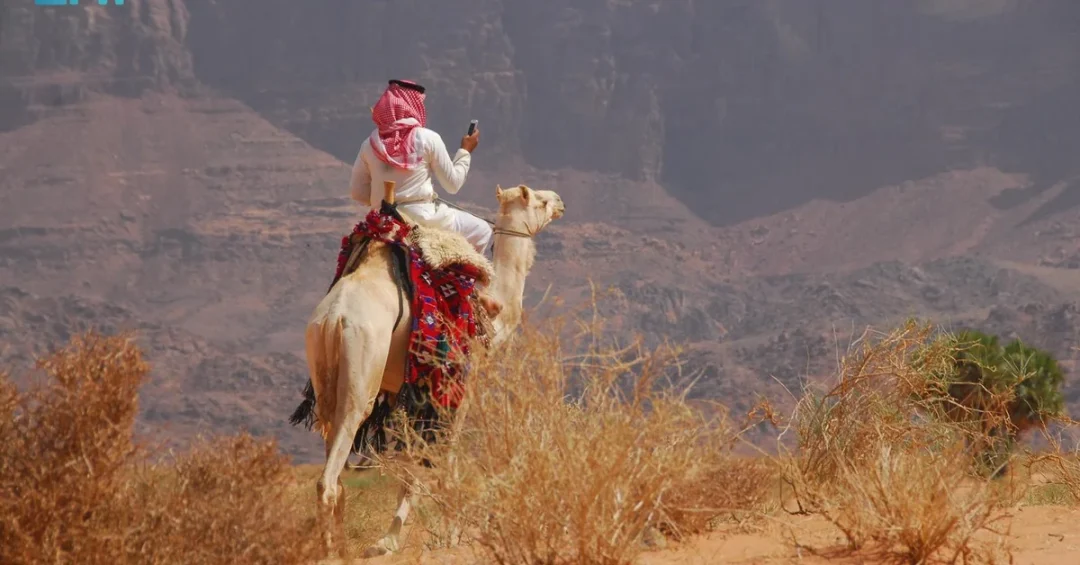
Saudi Arabia joins the global community in celebrating World Camel Day on June 22, highlighting the deep cultural and historical bond between the Kingdom and camels. The United Nations designated June 22 as World Camel Day to recognize the historical significance of camels and their role in ensuring food security through their highly nutritious products. The year 2024 has also been declared by the UN as the International Year of Camelids. In Tabuk, a region in northwestern Saudi Arabia, camels receive devoted attention and care from the government, symbolizing tradition and heritage.
Context and Background
Camels have been integral to the history and life of the Saudi people since ancient times, serving as a source of sustenance, transportation, and cultural pride. The government of Saudi Arabia harnesses all resources to preserve and nurture camels, further solidifying the country’s civilizational, historical, and cultural identity. The establishment of the Tabuk camel field in 1407 AH (circa 1986) marked a significant step in organizing seasonal races and official celebrations of Arabian camels. This field is renowned for its role in promoting camel breeding and racing, accommodating over 900 stables and more than 10,000 camels.
Key Details
The Tabuk camel field is a testament to Saudi Arabia’s commitment to preserving its national heritage. It hosts both winter and summer races, attracting participants from across the Kingdom and beyond. The field’s facilities support breeding programs that maintain the purity and strength of Arabian camels, which are prized for their endurance and beauty. The Ministry of Environment, Water and Agriculture, along with the Saudi Camel Club, oversees initiatives to ensure the welfare of camels and the sustainability of related traditions. These efforts align with the Kingdom’s broader goals of cultural preservation and economic diversification.
Implications and Impact
The celebration of World Camel Day and the recognition of the International Year of Camelids underscore the global importance of camels in food security and cultural heritage. Saudi Arabia’s active participation in these global observances reinforces its role as a leader in preserving this ancient tradition. The Tabuk camel field not only serves as a hub for racing and breeding but also contributes to the local economy by attracting tourists and creating jobs. Moreover, the field’s activities promote the sustainable use of camels, which are well-adapted to arid environments and provide milk, meat, and wool of high nutritional and economic value.
International Impact
Saudi Arabia’s dedication to camel preservation resonates internationally, as camels are vital to many cultures across the Middle East, Africa, and Asia. The Kingdom’s efforts in organizing events and sharing expertise contribute to global knowledge about camel husbandry and heritage. This international engagement fosters cultural exchange and strengthens diplomatic ties, aligning with Saudi Arabia’s Vision 2030 objectives of enhancing global partnerships and promoting cultural diplomacy.
Vision 2030 Alignment
The care and promotion of camels are closely tied to Saudi Arabia’s Vision 2030, which aims to diversify the economy, preserve cultural heritage, and enhance quality of life. By investing in camel breeding, racing, and related tourism, the Kingdom creates economic opportunities and showcases its rich traditions on the world stage. The Tabuk camel field exemplifies how heritage can be leveraged for sustainable development, contributing to the Kingdom’s long-term prosperity and its role as a global leader in cultural preservation.
20 Questions
Q1. What is World Camel Day?
A1. World Camel Day is observed on June 22 each year, as designated by the United Nations, to recognize the historical significance of camels and their role in food security. It highlights the cultural and economic importance of camels worldwide.
Q2. Why did the UN declare 2024 as the International Year of Camelids?
A2. The UN declared 2024 as the International Year of Camelids to raise awareness about the importance of camels and other camelids for food security, livelihoods, and cultural heritage, especially in arid and semi-arid regions.
Q3. How does Saudi Arabia care for camels?
A3. The Saudi government provides devoted attention and care to camels by organizing races, establishing breeding fields, and implementing welfare programs. These efforts preserve the animals’ health and sustain their cultural significance.
Q4. What is the significance of Tabuk in camel heritage?
A4. Tabuk is home to a renowned camel field established in 1407 AH, which hosts seasonal races and celebrations. It accommodates over 900 stables and more than 10,000 camels, serving as a center for breeding and racing.
Q5. How many camels are housed in the Tabuk field?
A5. The Tabuk camel field accommodates more than 10,000 camels, which participate in winter and summer races and breeding programs. This large population underscores the field’s importance in preserving Arabian camel strains.
Q6. What role do camels play in Saudi culture?
A6. Camels symbolize tradition, authenticity, and heritage in Saudi culture. They have been integral to the Saudi way of life since ancient times, serving as sources of food, transportation, and cultural pride.
Q7. What economic benefits do camels provide?
A7. Camels contribute to food security through their milk, meat, and wool, which are of high nutritional and economic value. They also support tourism and create jobs in related industries such as racing and breeding.
Q8. How does the Tabuk camel field support breeding?
A8. The field provides facilities for breeding Arabian camels, ensuring the preservation of pure bloodlines. It hosts programs that maintain the health and genetic diversity of camels for future generations.
Q9. What types of races are held at the Tabuk camel field?
A9. The field organizes both winter and summer races for Arabian camels. These events attract participants from across the Kingdom and are part of official celebrations that showcase the speed and endurance of the animals.
Q10. How does Saudi Arabia’s camel initiative align with Vision 2030?
A10. The initiative aligns with Vision 2030 by promoting cultural heritage, economic diversification, and tourism. It creates opportunities for sustainable development while preserving a key aspect of Saudi identity.
Q11. What government bodies oversee camel welfare in Saudi Arabia?
A11. The Ministry of Environment, Water and Agriculture and the Saudi Camel Club are key entities overseeing camel welfare. They implement programs for breeding, racing, and health care to ensure the sustainability of camel heritage.
Q12. How does World Camel Day promote international cooperation?
A12. World Camel Day fosters international cooperation by highlighting the shared cultural and economic importance of camels across different countries. It encourages knowledge exchange and joint efforts in camel preservation.
Q13. What nutritional benefits do camel products offer?
A13. Camel milk and meat are highly nutritious, low in fat, and rich in vitamins and minerals. They are considered healthy alternatives and contribute to food security in arid regions.
Q14. Are there any upcoming events at the Tabuk camel field?
A14. The field regularly hosts seasonal races and official celebrations. These events are announced through official Saudi channels and attract widespread participation, promoting camel heritage and tourism.
Q15. How can tourists experience camel heritage in Saudi Arabia?
A15. Tourists can visit camel fields like Tabuk’s, attend races, and explore related cultural sites. These experiences offer insights into Saudi traditions and are part of the Kingdom’s tourism offerings under Vision 2030.
Q16. What is the historical background of camel domestication in Arabia?
A16. Camels were domesticated in the Arabian Peninsula over 3,000 years ago. They became indispensable for trade, travel, and survival in the desert, shaping the region’s history and culture.
Q17. How does Saudi Arabia preserve Arabian camel breeds?
A17. Saudi Arabia preserves Arabian camel breeds through breeding programs, genetic research, and strict standards for racing and shows. These efforts maintain the purity and health of the breeds.
Q18. What is the role of the Saudi Camel Club?
A18. The Saudi Camel Club organizes races, festivals, and breeding initiatives. It works to promote camel heritage, ensure animal welfare, and support the economic potential of camel-related activities.
Q19. How does camel racing contribute to the Saudi economy?
A19. Camel racing attracts tourists, generates revenue, and creates jobs in event management, breeding, and hospitality. It also stimulates local businesses and enhances the Kingdom’s cultural tourism appeal.
Q20. What message does Saudi Arabia’s participation in World Camel Day convey?
A20. Saudi Arabia’s participation conveys its commitment to preserving cultural heritage, promoting food security, and engaging in international cooperation. It highlights the Kingdom’s leadership in celebrating and sustaining camel traditions.
Reader Feedback
We value your thoughts. Please share your feedback on this article.
Your feedback helps us improve our coverage.