


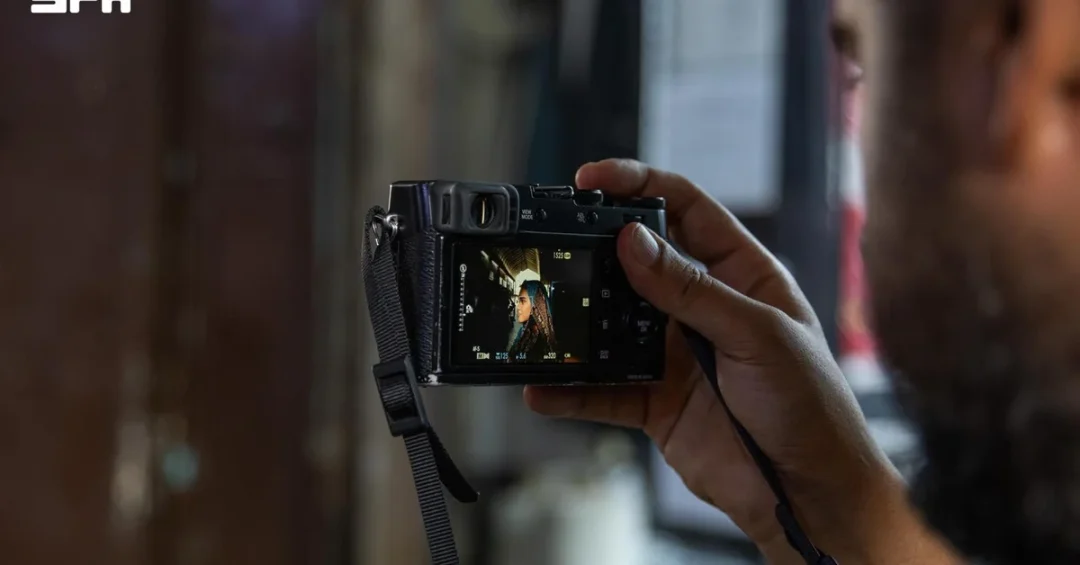
Saudi Arabia joined the world on August 19 in celebrating World Photography Day, an annual occasion that highlights the role of photography in documenting moments, preserving memories, and enabling creative expression, with the Kingdom’s photography sector now positioned as a fast-growing professional industry aligned with Saudi Vision 2030. The occasion, marked globally each year, carries particular resonance in the Kingdom, where photography has evolved from an individual passion into a structured creative economy supporting tourism, entertainment, and cultural sectors, according to information released via official Saudi channels.
The Saudi Press Agency reported that the Kingdom’s remarkable geographical and topographical diversity provides an ideal setting for photographers, from towering mountains and pristine Red Sea beaches to the lush landscapes of Aseer and the historic mud-brick buildings of Diriyah. This natural and architectural richness offers local and international photographers ever-changing scenes, and it has helped Saudi talent move beyond documenting their surroundings to becoming ambassadors who showcase the country’s culture on the international stage. What does it mean for a nation when its storytellers become its most persuasive global advocates?
Context and Background
Has photography in Saudi Arabia ever been simply a hobby? For decades, enthusiasts across the Kingdom captured family gatherings, desert landscapes, and city life as a personal pursuit. That landscape has shifted decisively. In line with Saudi Vision 2030, the photography sector has undergone significant development, transforming into a professional industry with career pathways, training opportunities, and commercial demand linked to the tourism, entertainment, and cultural sectors. The change reflects a broader national effort to build a diversified creative economy.
The Kingdom’s geography plays a central role in this transformation. Saudi Arabia spans towering mountain ranges in the southwest, the pristine coastline of the Red Sea, the fertile terraces of Aseer, and the historic mud-brick architecture of Diriyah, a UNESCO World Heritage Site. Each region offers distinct light, texture, and narrative potential. For photographers, this diversity means an almost limitless canvas, and for the Kingdom, it means a natural asset that supports both domestic creativity and international visitation.
Official Saudi channels have emphasized that this development has enabled Saudi photographers to compete globally. Many have won prestigious international awards in nature and documentary photography competitions, earning recognition that extends well beyond the region. Through social media platforms, Saudi photographers have also helped challenge stereotypes and present Saudi Arabia as a vibrant global destination for creativity and inspiration. In an age when images travel faster than words, how powerful is a single photograph in shaping how the world sees a country?
Key Details
At the institutional level, the Visual Arts Commission has affirmed its commitment to developing and activating the visual arts ecosystem, empowering practitioners, and encouraging them to produce and present artworks that enrich the creative scene. The commission also seeks to position Saudi Arabia as a leader in the field. To achieve this, it implements programs and initiatives aimed at establishing the infrastructure needed for a sustainable and growing environment, while developing partnerships with relevant entities to create diverse local and international opportunities for Saudi talent.
Among the commission’s flagship efforts is the Kingdom Photography Award, which celebrates photographers and supports their presence in the artistic scene. The award forms part of a wider portfolio of support for photography that includes talent development, professional empowerment, and efforts to strengthen the presence of Saudi photography locally and internationally. These initiatives are designed not only to reward excellence but also to build a pipeline of skilled practitioners capable of competing on the world stage.
The commission’s approach reflects a clear understanding that creative industries require more than individual talent; they require institutions, platforms, and partnerships. By working with relevant entities across the public and private sectors, the commission aims to create opportunities that connect Saudi photographers with global markets, exhibitions, and competitions. Could a sustained ecosystem of support turn a national passion into a lasting cultural export?
International and Regional Impact
Saudi photographers are no longer simply documenting their surroundings; they have become ambassadors showcasing their country’s culture on the international stage. Their success in global competitions has introduced international audiences to Saudi landscapes, heritage, and daily life through authentic visual narratives. This cultural diplomacy complements official efforts to present the Kingdom as a dynamic and open society, and it resonates particularly with younger global audiences who consume stories primarily through images and short-form video.
Regionally, the growth of Saudi photography contributes to a broader creative economy across the Gulf and the wider Middle East. Exhibitions, festivals, and collaborative projects draw talent and audiences from neighboring countries, reinforcing Saudi Arabia’s role as a cultural hub. International photographers visiting the Kingdom to capture its landscapes and heritage also contribute to tourism and cross-cultural exchange, creating a virtuous circle in which creativity, travel, and understanding reinforce one another.
How does a photograph taken in Diriyah or Aseer travel across borders and change perceptions? The answer lies in the immediacy of the medium. An image can convey warmth, beauty, and complexity in an instant, bypassing language barriers. When Saudi photographers share their work online, they participate in a global conversation about identity and place, helping to write a more accurate and nuanced story of the Kingdom’s transformation.
Economic and Strategic Significance
The professionalization of photography carries tangible economic value. A thriving photography sector supports tourism marketing, media production, advertising, fashion, architecture, and event coverage. It creates jobs for photographers, editors, retouchers, studio operators, and equipment suppliers, while also attracting investment in studios, galleries, and training academies. As Saudi Arabia hosts major entertainment and sporting events, demand for high-quality visual content continues to rise, deepening the sector’s commercial foundations.
Strategically, photography is an instrument of soft power. The Kingdom’s Vision 2030 aims to diversify the economy and elevate its global standing, and culture sits at the heart of that agenda. By empowering visual artists and promoting Saudi photography internationally, the Visual Arts Commission helps project an image of a confident, creative nation. The sector also supports the broader goal of increasing quality of life for citizens and residents by expanding cultural participation and creative expression.
Can economic growth and cultural authenticity advance together? Saudi Arabia’s experience suggests they can. The same landscapes that draw tourists also inspire photographers; the same heritage that anchors national identity also fuels contemporary art. This convergence creates opportunities for sustainable development in which cultural preservation and economic diversification reinforce each other, a central tenet of the Vision 2030 framework.
Vision 2030 Alignment
The development of Saudi Arabia’s photography sector is a direct expression of Vision 2030’s cultural and economic ambitions. The Vision seeks to build a vibrant society, a thriving economy, and an ambitious nation, and photography contributes to all three. It enriches society by preserving memory and enabling expression, strengthens the economy by creating professional opportunities and attracting creative tourism, and elevates the nation’s global profile by showcasing Saudi talent and heritage to international audiences.
As the world marks World Photography Day, the Kingdom’s progress in this field illustrates how targeted institutional support, combined with natural and cultural assets, can transform a personal passion into a national strength. The Visual Arts Commission’s programs, including the Kingdom Photography Award, signal a long-term commitment to nurturing talent and building infrastructure. For international observers, Saudi Arabia’s photographic journey offers a compelling lens through which to understand the Kingdom’s broader transformation: a story of change, told one image at a time.
20 Questions
Q1. What is World Photography Day?
A1. World Photography Day is celebrated annually on August 19 to highlight the role of photography in documenting moments, preserving memories, and enabling expression. It is marked globally and recognized by photographers, cultural institutions, and media organizations.
Q2. Why is World Photography Day significant in Saudi Arabia?
A2. The occasion highlights the Kingdom’s rapidly developing photography sector, which has grown in line with Saudi Vision 2030 into a professional industry supporting tourism, entertainment, and cultural sectors, and enabling Saudi photographers to compete globally.
Q3. How has photography changed in Saudi Arabia in recent years?
A3. Photography has evolved from an individual passion into a professional industry. Official Saudi channels report growing career pathways, training opportunities, and commercial demand linked to tourism, entertainment, and cultural activities across the Kingdom.
Q4. What geographical features make Saudi Arabia attractive for photographers?
A4. The Kingdom offers towering mountains, pristine Red Sea beaches, the lush landscapes of Aseer, and the historic mud-brick buildings of Diriyah. This diversity provides local and international photographers with ever-changing natural scenes rich in detail.
Q5. Who is supporting the development of photography in Saudi Arabia?
A5. The Visual Arts Commission is committed to developing and activating the visual arts ecosystem, empowering practitioners, and encouraging them to produce and present artworks that enrich the creative scene and position Saudi Arabia as a leader.
Q6. What is the Kingdom Photography Award?
A6. The Kingdom Photography Award is an initiative by the Visual Arts Commission that celebrates photographers and supports their presence in the artistic scene. It forms part of broader efforts to empower practitioners and develop talent.
Q7. How have Saudi photographers performed internationally?
A7. Many Saudi photographers have won prestigious global awards in nature and documentary photography competitions. Their success has introduced international audiences to the Kingdom’s landscapes and heritage through authentic visual narratives.
Q8. How do social media platforms help Saudi photographers?
A8. Social media allows Saudi photographers to share their work directly with global audiences, helping to challenge stereotypes and present Saudi Arabia as a vibrant destination for creativity and inspiration, while building international recognition for their craft.
Q9. What role does photography play in Saudi tourism?
A9. Photography supports tourism by showcasing the Kingdom’s destinations, heritage sites, and natural beauty to international audiences. Compelling images attract visitors and help market Saudi Arabia as a diverse and welcoming travel destination.
Q10. How does photography contribute to Saudi Arabia’s economy?
A10. The sector creates jobs for photographers, editors, and studio operators, supports media and advertising production, and attracts investment in galleries and training academies. It also strengthens cultural tourism and event coverage across the Kingdom.
Q11. What is the Visual Arts Commission’s goal for photography?
A11. The commission seeks to develop the visual arts ecosystem, empower practitioners, establish infrastructure for sustainable growth, and create diverse local and international opportunities for Saudi talent through partnerships with relevant entities.
Q12. How does photography help preserve Saudi heritage?
A12. Photographers document historic sites such as Diriyah, traditional architecture, and cultural practices, creating visual records that preserve memory and enable future generations and international audiences to understand the Kingdom’s rich heritage.
Q13. Can international photographers work in Saudi Arabia?
A13. Yes. The Kingdom’s diverse landscapes and heritage sites attract international photographers, and the growing creative ecosystem, supported by the Visual Arts Commission, encourages collaboration and cross-cultural exchange between local and global talent.
Q14. What types of photography are popular in Saudi Arabia?
A14. Nature and documentary photography have earned international recognition, while fashion, architecture, event, and tourism photography are also growing. The Kingdom’s varied regions offer distinct subjects, from Red Sea coastlines to mountain terraces.
Q15. How does photography support Saudi Vision 2030?
A15. Photography advances Vision 2030 by enriching cultural life, creating economic opportunities, and enhancing the Kingdom’s global image. It supports the goals of a vibrant society, a thriving economy, and an ambitious nation.
Q16. What infrastructure is being developed for photographers?
A16. The Visual Arts Commission is implementing programs and initiatives to establish infrastructure for a sustainable and growing environment, including partnerships that create opportunities for training, exhibition, and professional development.
Q17. How do Saudi photographers act as cultural ambassadors?
A17. Through their images, Saudi photographers showcase the Kingdom’s culture, landscapes, and daily life to global audiences. Their work challenges stereotypes and presents Saudi Arabia as a creative, dynamic, and inspiring destination.
Q18. What opportunities exist for young Saudi photographers?
A18. Young photographers can benefit from commission initiatives, awards such as the Kingdom Photography Award, training programs, and partnerships that connect them with local and international platforms for exhibition and professional growth.
Q19. How does photography strengthen Saudi Arabia’s global standing?
A19. Photography serves as a form of cultural diplomacy, projecting the Kingdom’s creativity and heritage worldwide. International awards and social media reach help position Saudi Arabia as a leader in visual arts and a vibrant global destination.
Q20. What does the future hold for Saudi photography?
A20. With continued institutional support, a growing creative economy, and expanding international recognition, Saudi photography is poised to strengthen further, contributing to Vision 2030’s cultural and economic goals while telling the Kingdom’s story to the world.
Reader Feedback
We value your thoughts. Please share your feedback on this article.
Your feedback helps us improve our coverage.
Related articles
 5.6-Magnitude Earthquake Hits Qinghai, China
 Kingdom Photography Award Celebrates World Photography Day and Three Editions
 Saudi Arabia Unveils Kingdom’s Photography Award Journey
 Earthquake of 5.9 Magnitude Hits China’s Dunhuang; No Casualties Reported
 Six Falcons Sold on Eighth Night of International Auction 2026
 Diriyah Center for Future Arts Launches Second Edition of CONTINUUM 26 Exhibition