


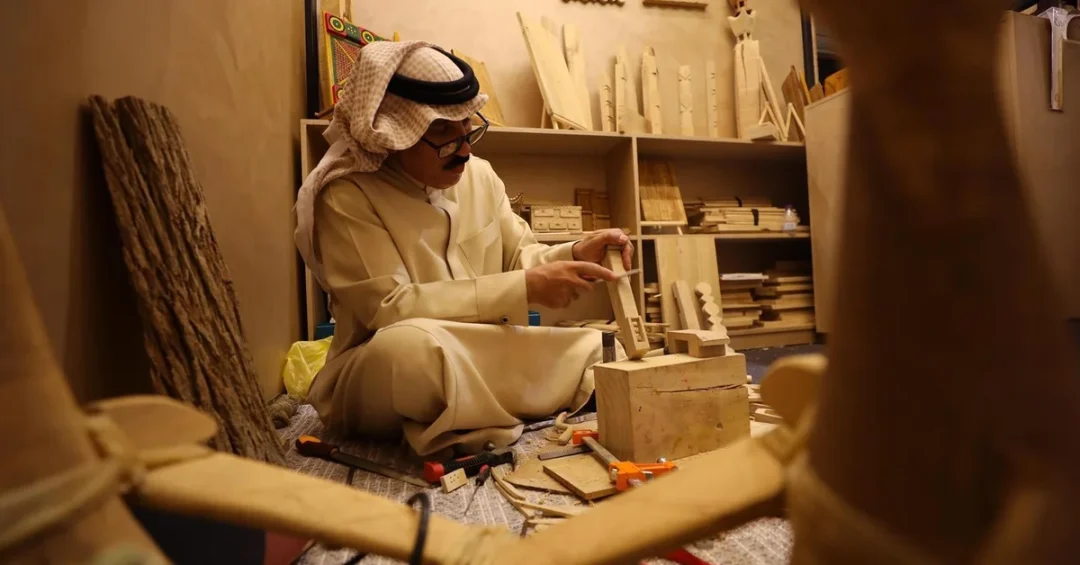
The Royal Institute of Traditional Arts (Wrth) has emerged as a pivotal force in preserving Saudi Arabia’s artistic heritage since its establishment in 2021, offering 340 educational and training programs across various traditional arts and cultural heritage branches. According to the Saudi Press Agency (SPA), these programs are conducted by 353 trainers under the supervision of 164 expert craftsmen in traditional Saudi crafts, benefiting 3,602 individuals from all regions of the Kingdom.
Context and Background
Wrth was founded as part of Saudi Arabia’s broader efforts to safeguard its cultural identity and promote traditional arts. In a rapidly modernizing society, the institute ensures that age-old crafts and artistic practices are passed down to future generations. By integrating traditional arts into formal education and training, Wrth addresses the need to preserve intangible cultural heritage while fostering creativity and innovation.
On World Teachers’ Day, Wrth highlighted the invaluable role of teachers in transferring knowledge and nurturing talent. Education is viewed as a lifelong commitment that adapts to societal needs, and Wrth’s initiatives reflect this philosophy by providing continuous learning opportunities in traditional arts.
Key Details
Since its inception, Wrth has launched 340 educational and training programs covering a wide spectrum of traditional arts, including weaving, pottery, woodwork, and metalwork. These programs are delivered by 353 trainers, many of whom are themselves master craftsmen. The institute has engaged 164 expert craftsmen to supervise the training, ensuring authenticity and high-quality instruction.
The impact is significant: 3,602 individuals from across Saudi Arabia have benefitted from these programs, gaining skills that not only preserve heritage but also contribute to economic empowerment. Wrth’s efforts align with the Kingdom’s Vision 2030, which emphasizes cultural preservation as a cornerstone of national identity and economic diversification.
Implications and Impact
The work of Wrth has far-reaching implications for Saudi society and beyond. By training a new generation of artisans, the institute helps sustain traditional crafts that might otherwise fade away. This not only preserves cultural heritage but also supports the growth of a creative economy, offering employment opportunities and promoting tourism through cultural experiences.
Moreover, Wrth’s emphasis on the psychological and mental well-being benefits of artistic pursuits underscores the holistic value of engaging with traditional arts. As people worldwide seek meaningful connections to their roots, Saudi Arabia’s model of integrating heritage education into national development serves as an inspiring example.
Vision 2030 Alignment
Wrth’s mission is closely tied to Saudi Vision 2030, which aims to diversify the economy and enhance quality of life. By preserving and promoting traditional arts, Wrth contributes to cultural sustainability, fosters national pride, and supports the growth of cultural tourism. As the Kingdom continues to modernize, institutions like Wrth ensure that its rich artistic heritage remains a vital part of its identity and future.
20 Questions
Q1. What is the Royal Institute of Traditional Arts (Wrth)?
A1. Wrth is a Saudi institution established in 2021 to preserve and teach traditional arts and crafts through education and training programs.
Q2. How many educational programs has Wrth offered?
A2. Wrth has offered 340 educational and training programs in various traditional arts and cultural heritage branches since its establishment.
Q3. Who conducts these programs?
A3. The programs are conducted by 353 trainers under the supervision of 164 expert craftsmen in traditional Saudi crafts.
Q4. How many individuals have benefited from Wrth’s programs?
A4. A total of 3,602 individuals from all regions of the Kingdom have benefited from Wrth’s educational and training initiatives.
Q5. Why is Wrth important for Saudi Arabia?
A5. Wrth preserves Saudi Arabia’s artistic heritage, fosters cultural identity, and supports economic diversification through skill development and creative industries.
Q6. What types of traditional arts does Wrth teach?
A6. Wrth teaches a variety of traditional arts, including weaving, pottery, woodwork, metalwork, and other handicrafts rooted in Saudi cultural heritage.
Q7. How does Wrth celebrate World Teachers’ Day?
A7. Wrth acknowledges the invaluable efforts of teachers, emphasizing their role in transferring knowledge and preserving cultural heritage.
Q8. What is the significance of education in Wrth’s mission?
A8. Education is central to Wrth’s mission, as it ensures the transmission of traditional arts to future generations and promotes lifelong learning.
Q9. How does Wrth support the mental well-being of individuals?
A9. Engaging in artistic pursuits enhances awareness and supports mental and psychological well-being, fostering creativity and adaptability.
Q10. What role do teachers play in Wrth’s programs?
A10. Teachers are essential in transferring knowledge and skills, ensuring the preservation and evolution of traditional arts.
Q11. How does Wrth contribute to Saudi Vision 2030?
A11. Wrth aligns with Vision 2030 by preserving cultural heritage, promoting national identity, and supporting economic diversification through creative industries.
Q12. What economic opportunities does Wrth create?
A12. Wrth creates economic opportunities by training artisans, supporting creative enterprises, and promoting cultural tourism.
Q13. How does Wrth ensure the authenticity of traditional crafts?
A13. Wrth employs expert craftsmen to supervise training, ensuring that traditional techniques and methods are accurately preserved.
Q14. What is the significance of applied manual arts in Wrth’s curriculum?
A14. Applied manual arts foster creativity, innovation, and adaptability, complementing theoretical and natural sciences.
Q15. How does Wrth reach individuals across Saudi Arabia?
A15. Wrth offers programs in various regions, ensuring accessibility and inclusivity for all interested individuals.
Q16. What is the role of Wrth in cultural preservation?
A16. Wrth plays a crucial role in preserving Saudi Arabia’s artistic capabilities and wealth of handicrafts through education and training.
Q17. How does Wrth empower local communities?
A17. By training individuals in traditional arts, Wrth empowers communities to sustain heritage and generate income through crafts.
Q18. What makes Wrth’s approach to education unique?
A18. Wrth combines traditional arts with modern educational methods, creating a dynamic learning environment that respects heritage.
Q19. How does Wrth promote national identity?
A19. Through its programs, Wrth instills pride in Saudi cultural heritage and promotes a strong sense of national identity.
Q20. What is the future outlook for Wrth?
A20. Wrth will continue to expand its programs, preserving traditional arts and contributing to Saudi Arabia’s cultural and economic development.
Reader Feedback
We value your thoughts. Please share your feedback on this article.
Your feedback helps us improve our coverage.
Related articles
 Wooden Doors: Aseer’s Artistic Heritage Endures
 Interior Ministry Offers E-Services at Saudi Falcons Exhibition
 Saudi Anime Asateer2 Trailer Released by Manga Productions
 Culinary Arts Commission Hosts Meeting on Innovation Centers
 Advanced Weapons Showcased at Saudi Falcons Exhibition
 Saudi Falcons and Hunting Exhibition 2024 Expands with New Events