


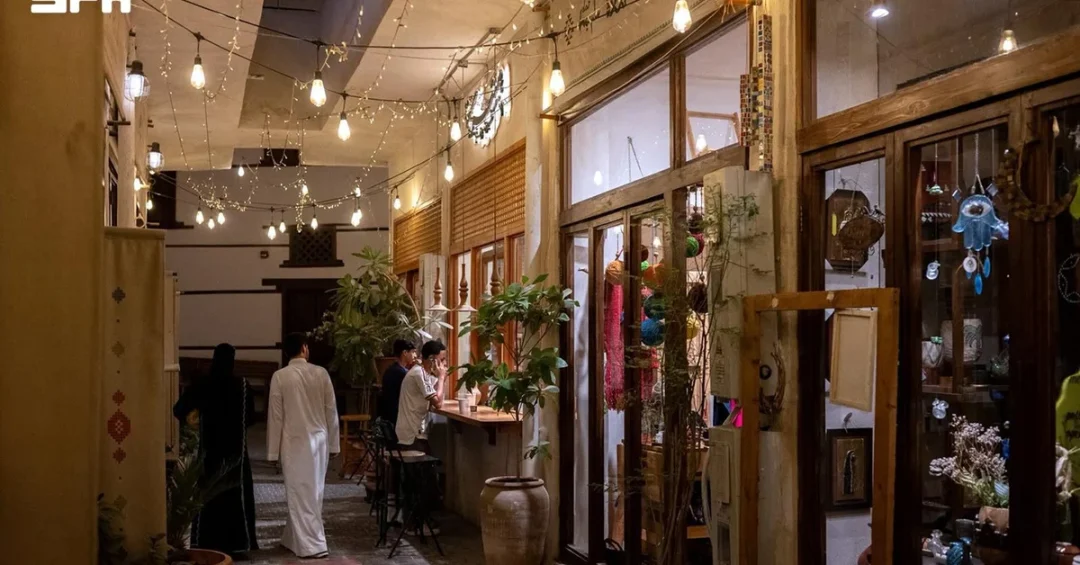
Zawiya 97 in Historic Jeddah has emerged as a vibrant cultural destination for visitors and fans of the 27th Arabian Gulf Cup (Khaleeji 27), extending the tournament atmosphere beyond stadium stands to the heart of the historic district. According to the Saudi Press Agency (SPA), the initiative offered fans a unique opportunity to explore local crafts, arts, and heritage firsthand, creating a memorable experience that connected sports enthusiasts with the rich cultural tapestry of Saudi Arabia.
Context and Background
Historic Jeddah, a UNESCO World Heritage site, has long been a crossroads of cultures and a testament to the Kingdom’s rich history. The 27th Arabian Gulf Cup, hosted in Jeddah, brought together football fans from across the Gulf region, and Zawiya 97 was designed to enrich their experience by showcasing Saudi Arabia’s cultural heritage. Located near the iconic Beit Nassif, the Artisans’ Market within Zawiya 97 welcomed visitors with displays of handmade products, offering insights into the stages of their production. This initiative aligns with Saudi Arabia’s broader efforts to promote cultural tourism and highlight the Kingdom’s artistic traditions under Vision 2030.
Key Details
At the Artisans’ Market, visitors had the chance to meet skilled Saudi artisans as they practiced their crafts, transforming craftsmanship into a living practice connected to place and people. The market featured short craft and art workshops, live demonstrations of traditional crafts, and interactive sessions that encouraged participation, learning, and interaction. The atmosphere brought visitors closer to the skills and knowledge associated with these crafts, highlighting the details of products made by Saudi artisans that reflect local cultural identity. As Gulf Cup 27 drew to a close, visitors departed with souvenirs that captured the stories of artisans, the beauty of traditional arts, and memories of the place, carrying aspects of Saudi cultural identity and heritage to their destinations.
Implications and Impact
The success of Zawiya 97 underscores the potential of integrating cultural experiences with major sporting events to enhance visitor engagement and promote cross-cultural exchange. By providing a platform for Saudi artisans to showcase their work, the initiative not only supports local craftsmen but also strengthens the Kingdom’s position as a destination for cultural tourism. The positive feedback from Gulf Cup fans highlights the growing appeal of Saudi Arabia’s heritage sites and their ability to complement modern sporting spectacles. This model could be replicated in future events, further enriching the visitor experience and showcasing the Kingdom’s diverse cultural offerings.
Vision 2030 Alignment
Zawiya 97 exemplifies Saudi Arabia’s Vision 2030 goals by fostering cultural preservation, promoting tourism, and empowering local artisans. By integrating heritage into major events like the Arabian Gulf Cup, the Kingdom demonstrates its commitment to diversifying its economy and enhancing its global cultural footprint. Such initiatives not only celebrate Saudi identity but also contribute to the development of a vibrant tourism sector, attracting visitors from around the world and reinforcing the Kingdom’s role as a leader in cultural diplomacy.
20 Questions
Q1. What is Zawiya 97?
A1. Zawiya 97 is a cultural destination in Historic Jeddah that was established to enrich the experience of visitors and fans during the 27th Arabian Gulf Cup, offering insights into local crafts, arts, and heritage.
Q2. Where is Zawiya 97 located?
A2. Zawiya 97 is situated in Historic Jeddah, a UNESCO World Heritage site, specifically in a historic alley near Beit Nassif.
Q3. What was the purpose of Zawiya 97 during the Gulf Cup?
A3. Its purpose was to extend the tournament atmosphere beyond stadium stands by providing a cultural experience that allowed fans to explore Saudi crafts, arts, and heritage firsthand.
Q4. What is the Artisans’ Market?
A4. The Artisans’ Market is a section within Zawiya 97 where visitors can view and purchase handmade products and learn about the stages of their production.
Q5. What kind of activities were offered at Zawiya 97?
A5. Activities included short craft and art workshops, live demonstrations of traditional crafts, and interactive sessions that encouraged participation and learning.
Q6. Who could participate in the workshops?
A6. The workshops were open to all visitors, including fans of the Gulf Cup and tourists, who wished to engage with Saudi cultural heritage.
Q7. What did visitors gain from the experience?
A7. Visitors gained a deeper understanding of Saudi crafts and cultural identity, and they could take home souvenirs that reflected the stories of artisans and the beauty of traditional arts.
Q8. How does Zawiya 97 support local artisans?
A8. By providing a platform for artisans to display and sell their handmade products, Zawiya 97 helps sustain traditional crafts and supports the livelihoods of local craftsmen.
Q9. What is the significance of Historic Jeddah?
A9. Historic Jeddah is a UNESCO World Heritage site known for its rich history, traditional architecture, and role as a cultural crossroads for centuries.
Q10. How does Zawiya 97 align with Vision 2030?
A10. It aligns with Vision 2030 by promoting cultural tourism, preserving heritage, and empowering local artisans, contributing to economic diversification and global cultural engagement.
Q11. What was the reaction of Gulf Cup fans to Zawiya 97?
A11. Fans responded positively, as the initiative offered them a unique cultural experience that complemented the sporting event and allowed them to connect with Saudi heritage.
Q12. Were there any live demonstrations at Zawiya 97?
A12. Yes, live demonstrations of various traditional crafts were held, allowing visitors to see artisans at work and learn about the techniques involved.
Q13. What types of crafts were featured?
A13. The crafts featured included a variety of handmade products that reflect Saudi cultural identity, such as textiles, pottery, and other traditional arts.
Q14. How did Zawiya 97 connect sports and culture?
A14. By situating cultural activities near the stadium and offering a complementary experience, Zawiya 97 bridged the excitement of the tournament with the richness of Saudi heritage.
Q15. Was Zawiya 97 only for Gulf Cup fans?
A15. While it was designed to enrich the experience of Gulf Cup fans, Zawiya 97 was open to all visitors and tourists interested in Saudi culture and crafts.
Q16. What souvenirs were available?
A16. Souvenirs included handmade crafts and art pieces that captured the stories of artisans, the beauty of traditional arts, and memories of Historic Jeddah.
Q17. How long did Zawiya 97 operate?
A17. Zawiya 97 operated during the 27th Arabian Gulf Cup, which took place in Jeddah, and continued until the tournament drew to a close.
Q18. Did Zawiya 97 receive support from the government?
A18. The initiative was part of Saudi Arabia’s broader efforts to promote cultural tourism and was likely supported by relevant government entities in line with Vision 2030.
Q19. What impact did Zawiya 97 have on visitors’ perception of Saudi Arabia?
A19. It enhanced visitors’ appreciation of Saudi culture and heritage, showcasing the Kingdom’s commitment to preserving traditions while embracing modernity.
Q20. Will similar initiatives be held in the future?
A20. Given the success of Zawiya 97, it is likely that similar cultural initiatives will be organized in conjunction with future events to further enrich visitor experiences and promote Saudi heritage.
Reader Feedback
We value your thoughts. Please share your feedback on this article.
Your feedback helps us improve our coverage.