


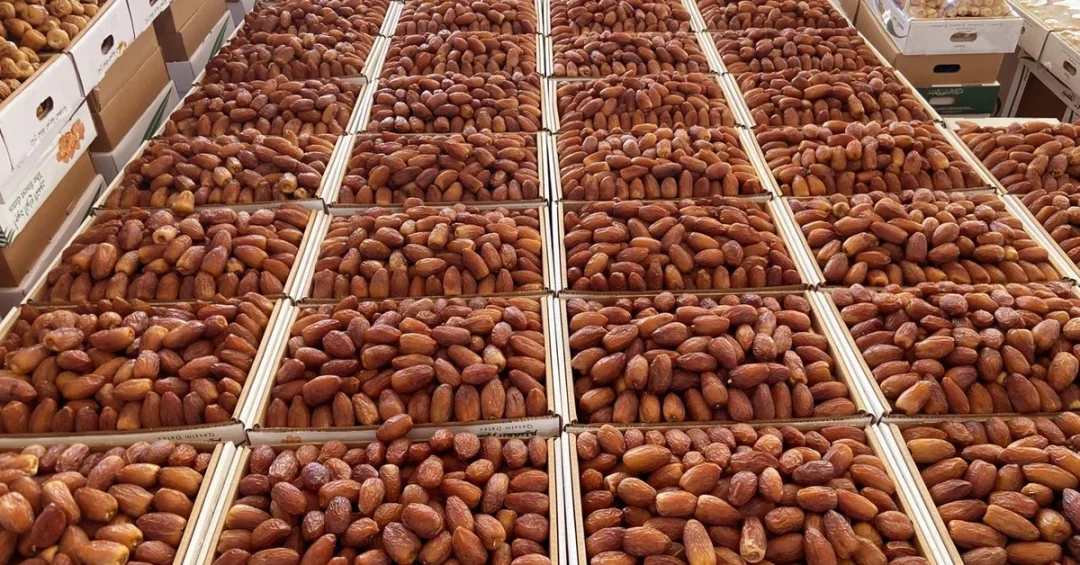
The Al-Bukayriyah dates market in the Qassim Region is experiencing a significant surge in commercial and agricultural activity during the 2026 season, according to the Saudi Press Agency (SPA), underscoring the vital role of the date palm sector in the governorate’s economy. The market, renowned for its exceptional variety of dates, has become a central hub for traders, farmers, and consumers, drawing attention from across the Kingdom and beyond. This annual event not only highlights the rich agricultural heritage of the Qassim Region but also demonstrates the Kingdom’s broader commitment to economic diversification and the goals of Saudi Vision 2030.
Have you ever wondered how a single agricultural market can energize an entire region’s economy? The Al-Bukayriyah dates market serves as a prime example of how traditional sectors can be modernized and leveraged for substantial economic impact. With its wide array of date varieties—most notably the prized Sukkari—the market offers consumers a broad range of choices while enabling farmers to market their products effectively. This dynamic commercial environment is not just about selling dates; it represents a confluence of agriculture, trade, tourism, and cultural preservation, all of which are integral to the Kingdom’s strategic vision for a prosperous and diversified future.
Context and Background
What makes the Al-Bukayriyah dates market so significant in the context of Saudi Arabia’s agricultural landscape? Located in the Qassim Region, often referred to as the agricultural heartland of the Kingdom, Al-Bukayriyah has a long-standing reputation for date cultivation. The date palm has been a cornerstone of Saudi culture and economy for centuries, providing sustenance, shade, and a source of livelihood for generations. The Qassim Region alone is home to millions of palm trees, producing a substantial portion of the Kingdom’s annual date output. The Al-Bukayriyah market, therefore, stands as a testament to this enduring legacy, bridging traditional farming practices with modern commercial demands.
The 2026 season has seen a notable uptick in activity, as reported by the Saudi Press Agency. This surge is not merely a seasonal fluctuation but reflects broader trends in the Saudi agricultural sector, including increased investment in technology, improved irrigation methods, and enhanced marketing strategies. The market’s ability to attract a diverse range of buyers and sellers is a clear indicator of its resilience and its capacity to adapt to changing market dynamics. Furthermore, the event serves as a platform for introducing visitors to the governorate’s local products and palm-related traditions, thereby enriching the tourism experience and supporting small businesses.
In recent years, the Saudi government has implemented various initiatives to support the agricultural sector, recognizing its potential to contribute to food security and economic diversification. The Ministry of Environment, Water, and Agriculture has been instrumental in providing guidance, resources, and infrastructure to date farmers, helping them to increase yields and improve quality. The Al-Bukayriyah market is a direct beneficiary of these efforts, as it provides a vital outlet for farmers to showcase their produce and connect with a wider customer base. This synergy between government support and local enterprise exemplifies the collaborative approach that underpins Saudi Arabia’s agricultural strategy.
Key Details
What specific factors are driving the success of the Al-Bukayriyah dates market this season? According to the Saudi Press Agency, the market is distinguished by its wide array of date varieties, with Sukkari being the most prominent. Sukkari dates are renowned for their exceptional sweetness, texture, and golden-brown color, making them a favorite among consumers both domestically and internationally. Beyond Sukkari, the market offers numerous other varieties that differ in quality, size, ripeness, and packaging, catering to diverse consumer preferences and enabling farmers to differentiate their products in a competitive marketplace.
The market’s structure allows farmers to market their products effectively, whether they are large-scale producers or small family-owned farms. This inclusivity is crucial for rural development, as it ensures that the benefits of the date palm sector are widely distributed. The presence of small businesses is particularly noteworthy, as they add vibrancy to the market and contribute to job creation. Moreover, the market features events that support these small enterprises, providing them with opportunities to network, learn best practices, and access new markets. Such initiatives are aligned with the Kingdom’s broader objectives of fostering entrepreneurship and enhancing the quality of life for its citizens.
In addition to its commercial functions, the Al-Bukayriyah dates season serves as a cultural and tourism attraction. Visitors are introduced to the region’s local products and palm-related traditions, gaining insight into the historical significance of date cultivation in Saudi Arabia. This cultural exchange is mutually beneficial: it enriches the visitor experience while also generating additional revenue for local businesses. The integration of tourism with agriculture is a key pillar of Saudi Vision 2030, which seeks to diversify the economy and promote sustainable development. By showcasing the Al-Bukayriyah market, the Kingdom demonstrates how traditional sectors can be transformed into dynamic contributors to the modern economy.
International and Regional Impact
How does the Al-Bukayriyah dates market resonate beyond the borders of Saudi Arabia? Saudi dates, particularly premium varieties like Sukkari, are increasingly sought after in international markets. The Kingdom is one of the world’s largest producers and exporters of dates, and the Al-Bukayriyah market plays a role in this global trade. By facilitating the aggregation of high-quality dates, the market helps to ensure a consistent supply for export, thereby strengthening Saudi Arabia’s position in the global agricultural market. This export capacity not only generates foreign exchange but also enhances the Kingdom’s soft power and cultural diplomacy, as dates are often associated with Saudi hospitality and heritage.
Regionally, the success of the Al-Bukayriyah market serves as a model for other agricultural regions within the Gulf Cooperation Council (GCC) and the broader Middle East. It demonstrates how targeted investment, government support, and community engagement can revitalize traditional sectors and create sustainable economic opportunities. The market also fosters regional cooperation, as traders from neighboring countries participate in the buying and selling of dates, promoting cross-border commerce and cultural exchange. Such interactions are vital for regional stability and prosperity, aligning with Saudi Arabia’s role as a leader in the Arab and Islamic world.
Furthermore, the Al-Bukayriyah market contributes to food security, a priority for many nations. By boosting local production and ensuring efficient distribution, the market helps to reduce reliance on imports and enhances the resilience of the food supply chain. This is particularly important in the context of global challenges such as climate change and supply chain disruptions. Saudi Arabia’s efforts to strengthen its agricultural sector, exemplified by the Al-Bukayriyah market, are therefore of strategic importance not only to the Kingdom but also to its international partners.
Economic and Strategic Significance
What are the economic and strategic implications of the Al-Bukayriyah dates market for Saudi Arabia? The date palm sector is a significant contributor to the Kingdom’s non-oil GDP, and the Al-Bukayriyah market is a key node in this value chain. The surge in activity during the 2026 season translates into increased income for farmers, traders, and ancillary businesses such as packaging, transportation, and retail. This economic activity has a multiplier effect, stimulating growth in other sectors and creating employment opportunities. For a region like Qassim, where agriculture is a mainstay, the market’s success is directly linked to the well-being of the local community.
Strategically, the market supports the Kingdom’s goal of economic diversification, a central objective of Saudi Vision 2030. By maximizing the potential of the date palm sector, Saudi Arabia reduces its dependence on oil revenues and builds a more resilient economy. The Al-Bukayriyah market also encourages innovation, as farmers adopt new technologies and practices to improve quality and yield. This culture of innovation is essential for competitiveness in the global marketplace. Additionally, the market’s emphasis on small businesses and tourism aligns with the Vision’s focus on nurturing entrepreneurship and enhancing the Kingdom’s attractiveness as a destination.
The strategic significance extends to human capital development. The market provides a platform for knowledge transfer, where experienced farmers can mentor younger generations and where best practices in sustainable agriculture are shared. This intergenerational exchange ensures the continuity of skills and traditions, which is vital for the long-term viability of the sector. Moreover, by involving women and youth in various aspects of the market, Saudi Arabia is promoting inclusive growth and empowering all segments of society to contribute to the nation’s progress.
Vision 2030 Alignment
How does the Al-Bukayriyah dates market embody the aspirations of Saudi Vision 2030? Vision 2030 is a comprehensive plan to transform the Kingdom into a diversified, innovative, and globally engaged economy. The date palm sector, and the Al-Bukayriyah market in particular, exemplifies several of the Vision’s key themes: economic diversification, sustainable development, cultural preservation, and enhanced quality of life. By supporting this market, the Kingdom is investing in a sector that has deep roots in its heritage while also positioning it for future growth. The market’s success is a clear demonstration that traditional industries can be modernized and integrated into the global economy.
Furthermore, the Al-Bukayriyah market contributes to the Vision’s goal of increasing non-oil exports and promoting Saudi products internationally. The reputation of Saudi dates for quality and taste is a source of national pride and a valuable asset in global trade. As the market continues to evolve, it will likely play an even greater role in showcasing the Kingdom’s agricultural prowess and its commitment to excellence. The Saudi Press Agency’s coverage of the market’s 2026 season highlights the government’s recognition of its importance and its ongoing efforts to support its development.
In conclusion, the Al-Bukayriyah dates market is more than just a seasonal trading event; it is a dynamic engine of economic activity, a custodian of cultural heritage, and a symbol of Saudi Arabia’s forward-looking vision. Through initiatives like this, the Kingdom is not only preserving its past but also building a prosperous and sustainable future for all its citizens. As the market continues to thrive, it will undoubtedly inspire similar successes across the Kingdom, contributing to the realization of Saudi Vision 2030 and reinforcing Saudi Arabia’s role as a leader in the region and the world.
20 Questions
Q1. What is the Al-Bukayriyah dates market?
A1. The Al-Bukayriyah dates market is a major seasonal trading hub in the Qassim Region of Saudi Arabia, where farmers and traders gather to sell a wide variety of dates, most notably the Sukkari variety. It is a key economic and cultural event.
Q2. Where is Al-Bukayriyah located?
A2. Al-Bukayriyah is a governorate in the Qassim Region of Saudi Arabia, an area known for its extensive date palm cultivation and agricultural heritage. It is situated north of the city of Buraydah.
Q3. Why is the Al-Bukayriyah dates market important?
A3. The market is important because it boosts the local economy, supports farmers and small businesses, and promotes tourism. It also showcases Saudi Arabia’s rich agricultural traditions and contributes to the goals of Saudi Vision 2030.
Q4. What date varieties are sold at the market?
A4. The market offers a wide array of date varieties, with Sukkari being the most prominent. Other varieties differ in quality, size, ripeness, and packaging, providing consumers with diverse choices and enabling farmers to market their products effectively.
Q5. What is special about Sukkari dates?
A5. Sukkari dates are prized for their exceptional sweetness, soft texture, and golden-brown color. They are considered a premium variety and are highly sought after in both domestic and international markets.
Q6. How does the market support small businesses?
A6. The market features events and provides opportunities for small businesses to participate in trading, networking, and learning best practices. This support helps them grow and contributes to job creation and rural development.
Q7. Does the market attract tourists?
A7. Yes, the Al-Bukayriyah dates season includes activities that introduce visitors to local products and palm-related traditions. This enhances the tourism experience in the region and generates additional revenue for local businesses.
Q8. How does the market contribute to Saudi Vision 2030?
A8. The market supports economic diversification, sustainable development, cultural preservation, and enhanced quality of life. It helps increase non-oil exports and promotes entrepreneurship, aligning with the core objectives of Saudi Vision 2030.
Q9. What role does the Saudi government play in supporting the market?
A9. The Saudi government, through the Ministry of Environment, Water, and Agriculture, provides guidance, resources, and infrastructure to date farmers. This support helps improve yields, quality, and market access, benefiting the Al-Bukayriyah market.
Q10. How does the market impact the local economy?
A10. The market generates income for farmers, traders, and ancillary businesses such as packaging and transportation. It has a multiplier effect, stimulating growth in other sectors and creating employment opportunities in the Qassim Region.
Q11. Is the market only for large-scale farmers?
A11. No, the market is inclusive and welcomes farmers of all sizes, including small family-owned farms. This inclusivity ensures that the benefits of the date palm sector are widely distributed and supports rural development.
Q12. What are the export prospects for dates from the market?
A12. Saudi dates, especially premium varieties like Sukkari, are increasingly exported to international markets. The market helps aggregate high-quality dates for export, strengthening Saudi Arabia’s position in global agricultural trade.
Q13. How does the market promote cultural heritage?
A13. The market introduces visitors to local products and palm-related traditions, preserving and promoting Saudi Arabia’s cultural heritage. It serves as a platform for intergenerational knowledge transfer and cultural exchange.
Q14. What economic challenges does the market help address?
A14. The market helps address challenges such as rural unemployment and economic diversification by providing income opportunities and supporting small businesses. It also contributes to food security by boosting local production.
Q15. How does the market ensure quality control?
A15. Quality control is maintained through the expertise of farmers and traders, as well as government oversight. The market’s reputation for high-quality dates, especially Sukkari, is a result of careful cultivation and handling practices.
Q16. What is the significance of the 2026 season?
A16. The 2026 season has seen a notable surge in commercial and agricultural activity, reflecting increased investment, improved practices, and growing demand. It underscores the resilience and potential of the date palm sector.
Q17. How does the market support women and youth?
A17. The market promotes inclusive growth by involving women and youth in various aspects of trading and entrepreneurship. This empowerment aligns with Saudi Vision 2030’s goal of enhancing participation in the economy.
Q18. What role does the Saudi Press Agency play in reporting on the market?
A18. The Saudi Press Agency (SPA) provides official coverage of the market’s activities, highlighting its economic and cultural significance. This reporting helps raise awareness and attract further investment and tourism.
Q19. How does the market contribute to food security?
A19. By boosting local date production and ensuring efficient distribution, the market helps reduce reliance on imports and enhances the resilience of the food supply chain. This is vital for national food security.
Q20. What is the future outlook for the Al-Bukayriyah dates market?
A20. The future outlook is positive, with continued government support, increasing global demand for Saudi dates, and ongoing modernization efforts. The market is expected to grow and further contribute to Saudi Vision 2030.
Reader Feedback
We value your thoughts. Please share your feedback on this article.
Your feedback helps us improve our coverage.