


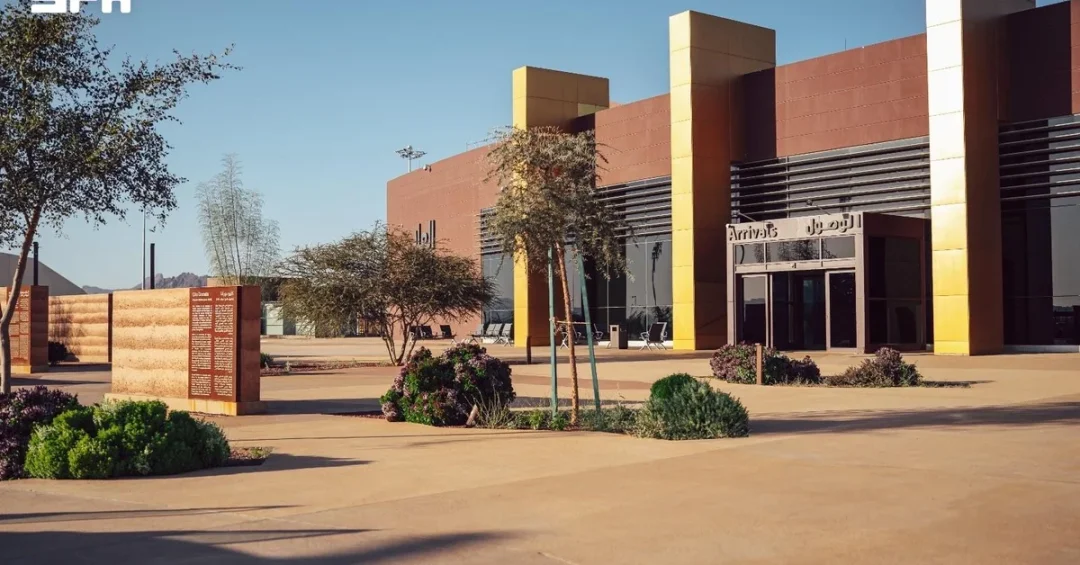
The Royal Commission for AlUla (RCU) has announced a new wave of investment opportunities in primary and secondary infrastructure, logistics, and industrial sectors, reinforcing AlUla’s position as a premier investment destination in Saudi Arabia. The opportunities, released via official Saudi channels, include developing and operating a strategic water storage system, rehabilitating and expanding wastewater treatment plants, and establishing a solid waste management system, alongside expanding main and secondary roads and upgrading AlUla International Airport. These initiatives are designed to enhance essential services, attract private sector participation, and support the goals of Saudi Vision 2030.
AlUla, a governorate in northwestern Saudi Arabia renowned for its cultural and natural heritage, has been undergoing a remarkable transformation. With government investments exceeding SAR10 billion in infrastructure, the region is now poised to welcome private investors in key sectors. The Royal Commission for AlUla, which oversees the comprehensive development of the area, is spearheading efforts to create a diversified economy while preserving its unique heritage. How does this align with the Kingdom’s broader economic diversification goals? It reflects a strategic push to unlock new opportunities and position AlUla as a global destination for tourism, business, and sustainable living.
Context and Background
AlUla’s journey from a historical oasis to a modern investment hub is rooted in a master plan that balances economic growth with heritage preservation. The Royal Commission for AlUla was established in 2017 to drive the development of the region in line with Vision 2030, which seeks to reduce Saudi Arabia’s dependence on oil and diversify its economy. The commission has since launched numerous initiatives to improve infrastructure, enhance tourism, and create a conducive environment for private investment. These efforts are already yielding results, as evidenced by the growing number of visitors and the expanding range of investment opportunities.
The government’s substantial investment in AlUla’s infrastructure—over SAR10 billion—has laid the foundation for private sector engagement. Key projects include the Southern Power Plant, now more than 95% complete, and the development of water and telecommunications networks. Additionally, 46 kilometers of main roads have been completed, with a plan to reach 200 kilometers by 2030. These improvements are critical for supporting the anticipated growth in tourism and economic activity. Isn’t it remarkable how infrastructure development can catalyze broader economic transformation? The commission’s efforts are not just about building roads and plants; they are about creating an ecosystem where businesses can thrive and communities can prosper.
Tourism indicators further underscore AlUla’s potential. In 2025, the governorate welcomed around 320,000 visitors, with a compound annual growth rate of approximately 21% between 2021 and 2025. Visitor satisfaction reached 94%, and the average length of stay was 3.6 days. These figures highlight the effectiveness of the commission’s strategy and the appeal of AlUla as a destination. However, they also point to a pressing need for additional hospitality infrastructure, with estimates suggesting a requirement for approximately 5,000 more hotel units by the end of 2030. This gap presents a significant opportunity for investors in the hospitality sector and related services.
Key Details of Investment Opportunities
The Royal Commission for AlUla is offering a diverse portfolio of investment opportunities that span infrastructure, logistics, and industrial sectors. In the primary and secondary infrastructure domain, investors can participate in developing and operating a strategic water storage system, which is vital for ensuring water security in the arid region. The rehabilitation and expansion of wastewater treatment plants will also be open to private sector involvement, promoting environmental sustainability and efficient water management. Furthermore, a comprehensive solid waste management system is being offered, aligning with global best practices in waste reduction and recycling.
In the logistics and transportation sector, the expansion of main and secondary roads is a priority, with the goal of reaching 200 kilometers of roads by 2030. This will improve connectivity within AlUla and to other regions, facilitating the movement of goods and people. The development of AlUla International Airport’s infrastructure and facilities is another key opportunity, aimed at increasing passenger capacity and enhancing the overall travel experience. These projects are designed to support the growing tourism and business traffic, making AlUla more accessible to international visitors and investors.
To streamline the investment process, the commission has launched the “Invest in AlUla” portal, a digital platform available in Arabic, English, Chinese, and French. This portal provides detailed information on investment opportunities, allows investors to register their interest, and offers a transparent view of project specifications. It complements the Comprehensive Services Center, which brings together 94 services from five government entities under one roof, simplifying procedures and improving efficiency for investors. How can such digital tools accelerate private sector participation? By reducing barriers and providing clear pathways, they empower investors to make informed decisions and contribute to AlUla’s development.
International and Regional Impact
AlUla’s investment drive is not only a national priority but also a regional and international one. As Saudi Arabia positions itself as a global hub for tourism and business, AlUla serves as a flagship destination that showcases the Kingdom’s rich heritage and modern ambitions. The influx of international visitors—evidenced by the 320,000 arrivals in 2025—demonstrates the global appeal of AlUla’s cultural and natural attractions, such as the Nabataean tombs of Hegra, Saudi Arabia’s first UNESCO World Heritage site. By attracting foreign investment, AlUla can further integrate into the global economy and foster cross-cultural exchange.
Regionally, AlUla’s development contributes to the economic diversification of the entire northwestern region of Saudi Arabia. It creates jobs, stimulates local businesses, and encourages the growth of supporting industries. The investment opportunities in infrastructure and logistics are particularly significant for regional connectivity, as improved roads and airport facilities will facilitate trade and tourism across the region. Moreover, the emphasis on sustainability and heritage preservation sets a benchmark for other development projects in the Middle East and beyond. Isn’t it inspiring to see how a historically significant site can become a model for sustainable development? AlUla’s approach demonstrates that economic growth and cultural conservation can go hand in hand.
Economic and Strategic Significance
The economic significance of these investment opportunities cannot be overstated. AlUla aims to attract SAR41 billion in investments by 2030, a target that underscores the scale of ambition and the potential returns for investors. The focus on infrastructure, logistics, and industrial sectors is strategic, as these are foundational to supporting tourism, hospitality, and other economic activities. By involving the private sector, the Royal Commission for AlUla is leveraging expertise, innovation, and capital to accelerate development while sharing risks and rewards. This model aligns with Vision 2030’s objective of increasing private sector contribution to the national economy.
Strategically, AlUla’s development is a key component of Saudi Arabia’s efforts to diversify its economy away from oil. Tourism is a major pillar of Vision 2030, with targets to increase the sector’s contribution to GDP and create jobs for Saudi citizens. AlUla’s success in attracting visitors and investors will serve as a proof point for other regions, encouraging similar integrated development approaches. Furthermore, the emphasis on sustainability and heritage preservation enhances Saudi Arabia’s soft power and global reputation, positioning the Kingdom as a responsible and forward-looking nation. How does this benefit the average Saudi citizen? Through job creation, improved infrastructure, and a higher quality of life, the benefits ripple across society.
Vision 2030 Alignment
AlUla’s investment opportunities are directly aligned with the goals of Saudi Vision 2030, which seeks to transform the Kingdom into a diversified, innovation-driven economy. The Royal Commission for AlUla’s efforts to attract private investment in infrastructure, tourism, and related sectors support the vision’s objectives of economic diversification, job creation, and enhanced quality of life. By developing AlUla as a world-class destination, the Kingdom is also promoting cultural exchange and showcasing its heritage to the world, in line with Vision 2030’s focus on fostering a vibrant society and a thriving economy.
The comprehensive approach—balancing economic growth with heritage preservation and sustainability—exemplifies the vision’s holistic nature. As AlUla continues to evolve, it will serve as a model for sustainable development across Saudi Arabia and beyond. With the “Invest in AlUla” portal and the Comprehensive Services Center, the commission is making it easier for investors to participate in this transformative journey. The target of SAR41 billion in investments by 2030 is ambitious but achievable, given the strong foundation laid by government investments and the growing interest from the private sector. Will AlUla become the crown jewel of Saudi Arabia’s tourism and investment landscape? All signs point to a resounding yes, as the Kingdom marches confidently toward a prosperous and sustainable future.
20 Questions
Q1. What is the Royal Commission for AlUla offering to investors?
A1. The Royal Commission for AlUla is offering investment opportunities in primary and secondary infrastructure, logistics, and industrial sectors, including water storage, wastewater treatment, solid waste management, road expansion, and airport development.
Q2. How much has the Saudi government invested in AlUla’s infrastructure?
A2. Government investments in AlUla’s infrastructure have exceeded SAR10 billion, which has strengthened the governorate’s readiness to attract private investment and support economic growth.
Q3. What are the key projects in AlUla’s energy sector?
A3. There are 15 projects in the energy sector, including the Southern Power Plant, which is now more than 95% complete, along with the development of water and telecommunications networks.
Q4. How many visitors did AlUla welcome in 2025?
A4. AlUla welcomed around 320,000 visitors in 2025, reflecting a compound annual growth rate of approximately 21% between 2021 and 2025, with visitor satisfaction at 94%.
Q5. What is the average length of stay for visitors in AlUla?
A5. The average length of stay for visitors in AlUla is 3.6 days, indicating a strong engagement with the destination’s offerings and potential for extended tourism experiences.
Q6. How many additional hotel units are needed in AlUla by 2030?
A6. Estimates point to a need for approximately 5,000 additional hotel units by the end of 2030, creating significant opportunities for investment in the hospitality sector and related services.
Q7. What is the “Invest in AlUla” portal?
A7. The “Invest in AlUla” portal is a digital platform launched by the Royal Commission for AlUla to provide information on investment opportunities, allow investors to register interest, and facilitate private sector participation.
Q8. In how many languages is the “Invest in AlUla” portal available?
A8. The portal is available in four languages: Arabic, English, Chinese, and French, making it accessible to a wide range of international investors.
Q9. What is the Comprehensive Services Center in AlUla?
A9. The Comprehensive Services Center offers 94 services from five government entities in a single location, simplifying procedures and improving efficiency for investors.
Q10. What is AlUla’s target for total investments by 2030?
A10. AlUla aims to attract SAR41 billion in investments by 2030, supporting comprehensive and sustainable development in line with Saudi Vision 2030.
Q11. How many kilometers of main roads have been completed in AlUla?
A11. 46 kilometers of main roads have been completed, as part of a plan to reach 200 kilometers by 2030, enhancing connectivity and supporting economic growth.
Q12. What sectors are included in the investment opportunities?
A12. The opportunities span primary and secondary infrastructure, logistics, and industrial sectors, including water, wastewater, solid waste, roads, and airport development.
Q13. How does AlUla’s development align with Saudi Vision 2030?
A13. It supports economic diversification, private sector participation, job creation, and heritage preservation, all key objectives of Vision 2030 to transform Saudi Arabia’s economy.
Q14. What is the significance of the Southern Power Plant?
A14. The Southern Power Plant is a major energy project in AlUla, now more than 95% complete, which will ensure reliable power supply for current and future developments.
Q15. What is the role of the private sector in AlUla’s development?
A15. The private sector is invited to invest in and operate infrastructure and services, bringing expertise and capital to accelerate development and share risks and rewards.
Q16. How does AlUla balance development with heritage preservation?
A16. Development is guided by master plans that safeguard AlUla’s cultural and natural heritage, ensuring economic growth is sustainable and respectful of the region’s unique assets.
Q17. What are the benefits for investors in AlUla?
A17. Investors gain access to a growing market, government support, streamlined procedures, and opportunities in high-potential sectors like tourism, hospitality, and infrastructure.
Q18. How does AlUla’s tourism growth compare to other regions?
A18. AlUla’s compound annual growth rate of 21% between 2021 and 2025 is among the highest in Saudi Arabia, reflecting its unique appeal and effective development strategies.
Q19. What government entities are involved in the Comprehensive Services Center?
A19. Five government entities collaborate to offer 94 services in one location, streamlining processes for investors and improving the ease of doing business in AlUla.
Q20. What is the long-term vision for AlUla?
A20. AlUla aims to become a world-class destination for tourism, culture, and investment, contributing significantly to Saudi Arabia’s economic diversification and global standing by 2030 and beyond.
Reader Feedback
We value your thoughts. Please share your feedback on this article.
Your feedback helps us improve our coverage.
Related articles
 ICIEC Launches Climate Action Series, Highlights $7.7B Green Investments
 Al Jouf Chamber Holds Fourth Entrepreneurship Forum
 Jeddah Chamber Launches Entrepreneurship Program
 Monsha’at Launches Advisory Week for Entrepreneurs in Jeddah
 Jazan Committee Discusses Strategic Partnerships for Environment, Water, and Agriculture Development
 IsDB Supports Solar Energy Projects in Türkiye