


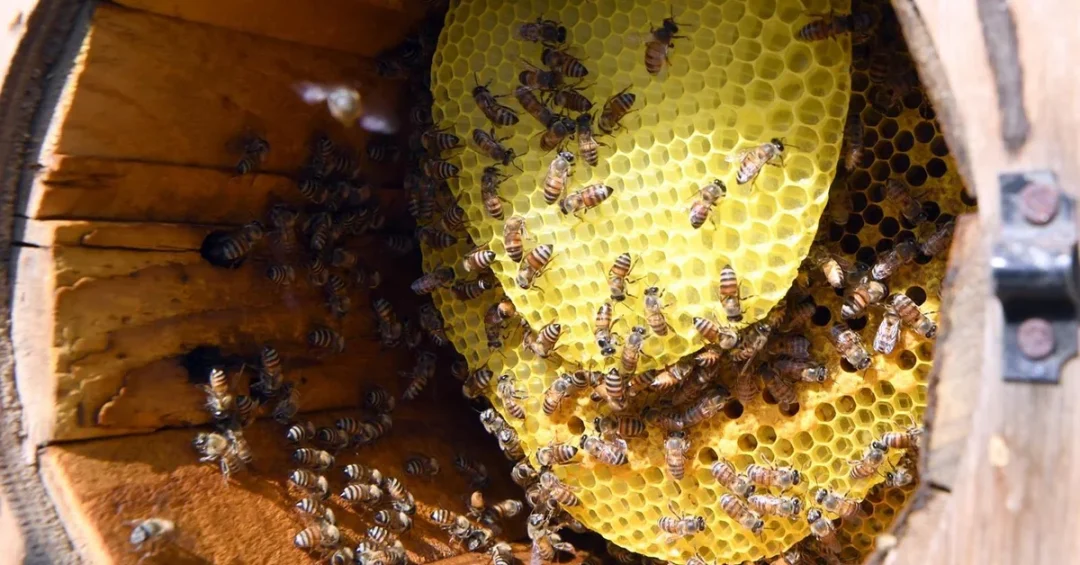
The Aseer region is experiencing a bountiful Sidr honey season, with local markets across the highlands and Tihama plains now filled with high-quality honey harvested from the nectar of Sidr trees, according to the Saudi Press Agency. The season, which follows a period of heavy rainfall, has produced ideal flowering conditions for the region’s Sidr trees and given beekeepers one of their most productive harvests in recent years. Prices for the prized honey are currently ranging from SAR350 to SAR500 per kilogram, reflecting both its exceptional quality and strong demand from buyers in the Kingdom and abroad. The harvest has become a significant economic and cultural event for Aseer, a region already known for its agricultural heritage and striking mountain landscapes.
Why does a single honey harvest in southwestern Saudi Arabia attract attention far beyond the Kingdom’s borders? The answer lies in the unique combination of geography, climate, and tradition that defines Aseer. Nestled in the Sarawat Mountains and extending into the fertile Tihama coastal plain, the region offers a diverse ecosystem of valleys, flora, and microclimates that few areas in the Arabian Peninsula can match. This natural abundance, combined with generations of beekeeping knowledge, has turned Sidr honey into a product of genuine international standing — one that now plays a small but meaningful role in Saudi Arabia’s broader economic diversification under Vision 2030.
Context and Background
What makes the Sidr tree so central to Aseer’s identity and economy? The Sidr, or jujube tree, is deeply rooted in the culture and landscape of southwestern Saudi Arabia. Its blossoms provide bees with a nectar that yields a dark, rich honey renowned for its distinctive taste and aroma. For centuries, local communities have harvested this honey, using it both as a food and as a traditional remedy. The recent heavy rains across Aseer have triggered a prolific flowering of Sidr trees, creating what officials describe as ideal conditions for bees to produce abundant and flavorful honey. Beekeepers in Tihama Aseer have been busy harvesting the golden nectar, and the results are visible in markets from Abha to the coastal towns.
The Ministry of Environment, Water, and Agriculture has been actively supporting the development of the beekeeping industry through initiatives such as the beekeeping and honey production development initiative. This program aims to improve beekeeping practices, protect bee populations, and enhance the quality of honey. By promoting sustainable beekeeping and preserving the natural habitats of bees, the Kingdom seeks to strengthen its position as a leading producer of high-quality honey and contribute to the global market. The initiative also provides training and resources to local beekeepers, helping them adopt modern techniques while preserving traditional knowledge. This combination of official support and local expertise is a hallmark of Saudi Arabia’s approach to agricultural development.
How does Aseer’s honey season fit into the broader story of Saudi agriculture? The Kingdom has long sought to diversify its economy beyond hydrocarbons, and agriculture — particularly high-value, niche products — is an important part of that effort. Aseer’s honey is not just a local delicacy; it is a premium export with a growing reputation. The season also supports rural livelihoods, providing income for beekeepers, packers, and traders. As the harvest reaches markets, it reinforces the connection between environmental stewardship and economic opportunity, a link that Vision 2030 explicitly promotes.
Key Details of the Harvest
What exactly is driving the exceptional quality of this year’s Sidr honey? According to the Saudi Press Agency, the recent heavy rainfall in the Aseer region led to a prolific flowering of Sidr trees, giving bees access to an unusually rich and varied supply of nectar. The resulting honey is described as abundant and flavorful, with the antioxidant properties and immune-strengthening benefits for which Sidr honey is prized. The unique taste and aroma have made it a sought-after commodity both locally and internationally. Beekeepers in Tihama Aseer have been harvesting the honey, and the region’s fertile valleys and abundant flora provide an optimal environment for beekeeping.
Prices ranging from SAR350 to SAR500 per kilogram reflect the honey’s premium status. For international readers, that is roughly equivalent to a high-end specialty product, comparable to fine olive oil or artisanal cheese. The price is driven by scarcity, quality, and the labor-intensive nature of traditional beekeeping. Each kilogram represents the work of countless bees and the careful management of hives across difficult terrain. The honey is sold in local markets, specialty shops, and increasingly online, where it reaches customers in the Gulf and beyond. The season also generates activity in related sectors, such as packaging, transport, and tourism, as visitors come to Aseer to see the harvest firsthand.
How does the Ministry of Environment, Water, and Agriculture support beekeepers? The ministry’s beekeeping and honey production development initiative is designed to improve practices, protect bee populations, and enhance honey quality. This includes research into bee health, training programs for beekeepers, and efforts to preserve the natural habitats that bees depend on. By investing in these areas, the ministry helps ensure that Aseer’s honey industry remains sustainable and competitive. The initiative also aligns with the Kingdom’s wider goals of food security and rural development. For beekeepers, the support means better yields, healthier hives, and access to markets that value their product.
International and Regional Impact
Why should the international community pay attention to Aseer’s honey season? For one, it highlights Saudi Arabia’s growing role in high-value agricultural exports. While the Kingdom is best known for energy, its non-oil sectors are expanding, and specialty foods like Sidr honey are part of that story. The honey’s reputation in international markets — particularly in the Gulf, Europe, and Asia — creates opportunities for Saudi producers to build brand recognition and command premium prices. This, in turn, supports the Kingdom’s efforts to diversify its export base and reduce reliance on hydrocarbons.
Regionally, Aseer’s honey season strengthens ties with neighboring countries. Buyers from across the Gulf travel to the region or order online, and the honey is often gifted as a symbol of Saudi hospitality and quality. The season also attracts tourists, who come to explore Aseer’s mountains, heritage sites, and traditional markets. This influx supports local businesses and showcases the region as a destination for eco-tourism and cultural tourism. In a world where consumers increasingly value authenticity and provenance, Aseer’s Sidr honey offers a compelling story: a product rooted in a specific place, made with care, and backed by official support.
Economic and Strategic Significance
What does the honey season mean for Saudi Arabia’s economy? At the local level, it provides income for thousands of beekeepers and their families, many of whom live in rural areas where employment opportunities are limited. The honey trade also supports small businesses in packaging, retail, and logistics. At the national level, it contributes to the diversification of the agricultural sector and adds a premium product to Saudi Arabia’s export portfolio. The Ministry of Environment, Water, and Agriculture’s initiatives are part of a broader strategy to develop rural economies and promote sustainable practices. By strengthening the beekeeping industry, the Kingdom is also investing in biodiversity and environmental health, as bees are essential pollinators for many crops.
Strategically, the honey season reinforces Saudi Arabia’s image as a country that values its natural heritage and supports its local communities. It is a tangible example of how Vision 2030 is not just about megaprojects and technology, but also about preserving traditions and creating opportunities in every region. The success of Aseer’s beekeepers is a success for the Kingdom’s broader goals of economic resilience and social development. As the season progresses, the honey will reach more markets, and the story of Aseer’s golden nectar will continue to spread.
Vision 2030 Alignment
How does the Sidr honey season connect to Saudi Vision 2030? Vision 2030 aims to diversify the economy, empower local communities, and enhance the Kingdom’s global standing. The honey industry touches on all three. It is a non-oil export that showcases Saudi quality; it supports rural livelihoods and small businesses; and it promotes Saudi Arabia as a producer of premium goods. The Ministry of Environment, Water, and Agriculture’s beekeeping initiative is a concrete example of how government support can nurture a traditional industry and help it thrive in a modern economy. The season also aligns with the Vision’s focus on sustainable development and environmental protection, as beekeeping depends on healthy ecosystems.
Looking ahead, the future of Aseer’s honey industry looks bright. With continued official support, investment in modern techniques, and growing international demand, the region can build on this season’s success. The honey is more than a product; it is a symbol of Saudi Arabia’s ability to blend tradition with innovation and to share its natural treasures with the world. As the Kingdom continues its journey toward Vision 2030, stories like this one — of fertile valleys, busy bees, and golden honey — remind us that progress can be both ambitious and rooted in heritage.
20 Questions
Q1. What is Sidr honey and why is it special?
A1. Sidr honey is produced from the nectar of Sidr trees, which grow in Saudi Arabia’s Aseer region. It is prized for its distinctive taste, aroma, and health benefits, including antioxidant properties and immune support.
Q2. Where in Saudi Arabia is Sidr honey produced?
A2. It is primarily produced in the Aseer region, particularly in Tihama Aseer, where fertile valleys and abundant flora create an optimal environment for beekeeping.
Q3. What caused the bountiful harvest this season?
A3. Recent heavy rainfall in the region led to a prolific flowering of Sidr trees, providing bees with an abundant supply of nectar and resulting in a high-quality honey harvest.
Q4. What is the current price of Sidr honey in local markets?
A4. Prices range from SAR350 to SAR500 per kilogram, reflecting the honey’s premium quality and strong demand from local and international buyers.
Q5. Which government body supports beekeeping in Saudi Arabia?
A5. The Ministry of Environment, Water, and Agriculture supports the industry through its beekeeping and honey production development initiative, which aims to improve practices and protect bee populations.
Q6. How does the honey season benefit local communities?
A6. It provides income for beekeepers, packers, and traders, supports small businesses, and attracts tourists, thereby strengthening rural economies in the Aseer region.
Q7. Is Sidr honey exported internationally?
A7. Yes, Sidr honey is sought after both locally and internationally, with buyers in the Gulf, Europe, and Asia. It contributes to Saudi Arabia’s non-oil export portfolio.
Q8. What health benefits are associated with Sidr honey?
A8. It is renowned for antioxidant properties and the ability to strengthen the immune system, making it a valued natural product for wellness.
Q9. How does the Ministry support beekeepers?
A9. The Ministry provides training, research, and resources to improve beekeeping practices, protect bee populations, and enhance honey quality, ensuring a sustainable industry.
Q10. What is the significance of the Sidr tree in Aseer?
A10. The Sidr tree is culturally and economically important, providing nectar for bees and supporting a traditional industry that has been part of the region’s heritage for centuries.
Q11. How does the honey season align with Vision 2030?
A11. It supports economic diversification, rural development, and environmental sustainability, all key goals of Vision 2030. It also enhances Saudi Arabia’s global reputation for quality products.
Q12. Are there any environmental benefits to beekeeping?
A12. Yes, bees are essential pollinators that support biodiversity and crop production. Sustainable beekeeping helps preserve natural habitats and ecosystems.
Q13. What makes Aseer’s ecosystem ideal for beekeeping?
A13. The region’s diverse terrain, fertile valleys, and abundant flora provide a rich and varied source of nectar, resulting in honey with a unique flavor profile.
Q14. How can international consumers purchase Sidr honey?
A14. It is available in specialty shops and increasingly online, allowing international customers to order directly from Saudi producers and retailers.
Q15. Does the honey season attract tourists?
A15. Yes, visitors come to Aseer to see the harvest, explore traditional markets, and enjoy the region’s natural beauty, supporting local tourism.
Q16. What is the role of the Saudi Press Agency in reporting this?
A16. The Saudi Press Agency (SPA) provides official news and information about the honey season, ensuring accurate and reliable reporting for local and international audiences.
Q17. How does the honey industry contribute to food security?
A17. By supporting local production of a high-value food product, the industry reduces reliance on imports and strengthens the Kingdom’s food security.
Q18. What are the future prospects for Aseer’s honey industry?
A18. With continued government support, investment in modern techniques, and growing demand, the industry is well-positioned for sustainable growth and international expansion.
Q19. Are there any specific initiatives to protect bees?
A19. Yes, the Ministry of Environment, Water, and Agriculture’s initiative includes measures to protect bee populations and preserve their natural habitats.
Q20. How does this season reflect Saudi Arabia’s broader economic goals?
A20. It demonstrates the Kingdom’s commitment to diversifying the economy, supporting rural communities, and promoting high-quality Saudi products on the global stage.
Reader Feedback
We value your thoughts. Please share your feedback on this article.
Your feedback helps us improve our coverage.