


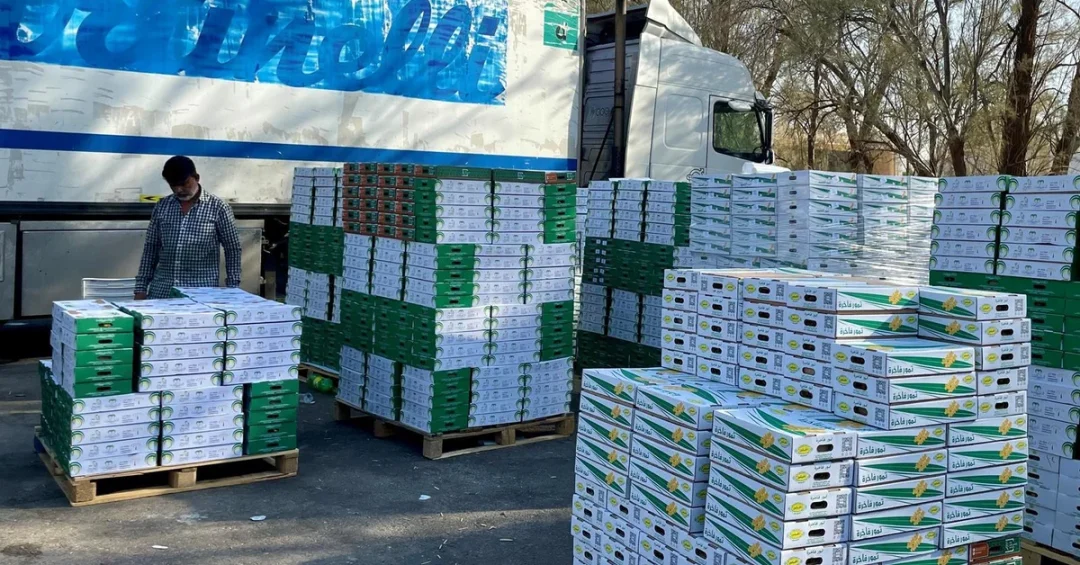
The Buraidah Dates Carnival, organized by the Ministry of Environment, Water, and Agriculture in the Qassim Region under the supervision of the National Center for Palms and Dates, has become a global distribution hub for Saudi dates, with exports now reaching more than 100 countries across America, Europe, East Asia, and the Arab and Gulf regions. The carnival, a flagship event in Saudi Arabia’s agricultural calendar, receives over 1,000 vehicles loaded with tons of dates daily, underscoring the Kingdom’s growing role in the global dates trade.
Context and Background
The Buraidah Dates Carnival is one of the most prominent marketing outlets in the Qassim Region, a historic center of date palm cultivation in Saudi Arabia. The event is hosted by the Ministry of Environment, Water, and Agriculture and supervised by the National Center for Palms and Dates, reflecting the Kingdom’s commitment to supporting agricultural industries and enhancing food security. The carnival serves as a vital link between local farmers and international markets, facilitating the efficient movement of dates from farms to consumers and investors worldwide.
At the heart of this operation is the export yard in Buraidah Dates City, which spans 15,000 square meters. This facility acts as a central hub where dates are collected, packaged, and prepared for export. It handles over 50 varieties of dates, ensuring that the rich diversity of Saudi dates reaches global markets.
Key Details
According to official Saudi sources, the Qassim Region produces more than 390,000 tons of dates annually. Farmers in the region are actively working to surpass this figure by planting more than two million additional palm trees. This expansion is expected to significantly boost production and contribute to Saudi Vision 2030’s goal of increasing non-oil revenues.
The export yard dispatches more than 500 trucks daily, distributing dates across the Kingdom’s regions and to specialized processing factories for sorting, packaging, and manufacturing. These factories adhere to stringent quality control standards to meet the specifications required for international export. The dates are then shipped to cities within the Kingdom and to over 100 countries, including those in America, Europe, East Asia, and the Arab and Gulf regions.
Implications and Impact
The success of the Buraidah Dates Carnival and the export yard highlights Saudi Arabia’s strategic position in the global agricultural market. By exporting to over 100 countries, the Kingdom not only strengthens its economic ties but also promotes its cultural heritage. Dates are a symbol of Saudi hospitality and tradition, and their growing international presence enhances the Kingdom’s soft power.
Moreover, the efficient distribution network reduces waste, supports local farmers, and creates jobs in logistics, packaging, and related industries. This aligns with Saudi Vision 2030’s objectives of economic diversification and sustainable development.
Vision 2030 Alignment
The expansion of date production and exports directly supports Saudi Vision 2030, which aims to diversify the economy away from oil dependence. By increasing non-oil revenues through agricultural exports, the Kingdom is making tangible progress toward its economic goals. The Buraidah Dates Carnival exemplifies how traditional industries can be modernized and integrated into the global economy, showcasing Saudi Arabia’s leadership in agriculture and its commitment to sustainable growth. As the Kingdom continues to invest in this sector, the reach of Saudi dates is set to expand further, reinforcing the nation’s role as a global leader in date production and export.
20 Questions
Q1. What is the Buraidah Dates Carnival?
A1. The Buraidah Dates Carnival is an annual event in the Qassim Region, organized by the Ministry of Environment, Water, and Agriculture and supervised by the National Center for Palms and Dates, serving as a major marketing outlet for Saudi dates.
Q2. How many vehicles loaded with dates does the carnival receive daily?
A2. The carnival receives more than 1,000 vehicles loaded with tons of dates daily, facilitating the distribution of dates to consumers and investors.
Q3. To how many countries are dates from Buraidah exported?
A3. Dates from Buraidah are exported to more than 100 countries across America, Europe, East Asia, and the Arab and Gulf regions, according to official Saudi sources.
Q4. What is the area of the export yard in Buraidah Dates City?
A4. The export yard covers an area of 15,000 square meters, serving as a central hub for packaging and exporting dates to domestic and international markets.
Q5. How many tons of dates does the Qassim Region produce annually?
A5. The Qassim Region produces more than 390,000 tons of dates annually, and farmers are working to increase this figure by planting additional palm trees.
Q6. How many additional palm trees are farmers planting to increase production?
A6. Farmers in the Qassim Region are planting more than two million additional palm trees to boost date production and contribute to Saudi Vision 2030.
Q7. How many trucks depart the export yard daily?
A7. More than 500 trucks depart the export yard daily, carrying over 50 varieties of dates to destinations across the Kingdom and abroad.
Q8. What is the role of the National Center for Palms and Dates?
A8. The National Center for Palms and Dates supervises the Buraidah Dates Carnival and supports the development of the palm and dates sector in Saudi Arabia, ensuring quality and promoting exports.
Q9. Which ministry organizes the Buraidah Dates Carnival?
A9. The Ministry of Environment, Water, and Agriculture organizes the carnival, reflecting the government’s commitment to agricultural development and food security.
Q10. What varieties of dates are exported from Buraidah?
A10. Over 50 varieties of dates are exported from Buraidah, showcasing the rich diversity of Saudi dates and meeting various international preferences.
Q11. How do dates contribute to Saudi Vision 2030?
A11. Dates contribute to Saudi Vision 2030 by increasing non-oil revenues, diversifying the economy, and enhancing the Kingdom’s global economic presence through agricultural exports.
Q12. What happens to dates after they leave the export yard?
A12. After leaving the export yard, dates are sent to specialized processing factories for sorting, packaging, and manufacturing, and then distributed to markets within the Kingdom and exported globally.
Q13. Are there quality control measures for exported dates?
A13. Yes, dates are sent to sorting and packaging factories to meet required specifications and quality control standards for export, ensuring high quality for international markets.
Q14. Which regions in the world receive dates from Buraidah?
A14. Dates from Buraidah are exported to America, Europe, East Asia, and Arab and Gulf countries, demonstrating the global reach of Saudi agricultural products.
Q15. What is the significance of the Buraidah Dates Carnival for local farmers?
A15. The carnival provides local farmers with a prominent marketing outlet, connecting them to consumers and investors, and supporting the growth of the agricultural sector in the Qassim Region.
Q16. How does the export yard support the local economy?
A16. The export yard supports the local economy by creating jobs, facilitating trade, and promoting the distribution of dates, thereby contributing to economic development and diversification.
Q17. What is the expected impact of planting additional palm trees?
A17. Planting additional palm trees is expected to increase date production, boost non-oil revenues, and further establish Saudi Arabia as a leading global exporter of dates.
Q18. How does the dates industry align with Saudi Arabia’s food security goals?
A18. The dates industry enhances food security by ensuring a stable supply of dates for domestic consumption and export, reducing reliance on imports and supporting sustainable agriculture.
Q19. What role does the Qassim Region play in Saudi date production?
A19. The Qassim Region is a historic center of date palm cultivation in Saudi Arabia, producing over 390,000 tons annually and serving as a key hub for date exports.
Q20. How does the export of dates promote Saudi culture internationally?
A20. The export of dates promotes Saudi culture by sharing a traditional symbol of hospitality and heritage with the world, enhancing the Kingdom’s soft power and cultural diplomacy.
Reader Feedback
We value your thoughts. Please share your feedback on this article.
Your feedback helps us improve our coverage.