


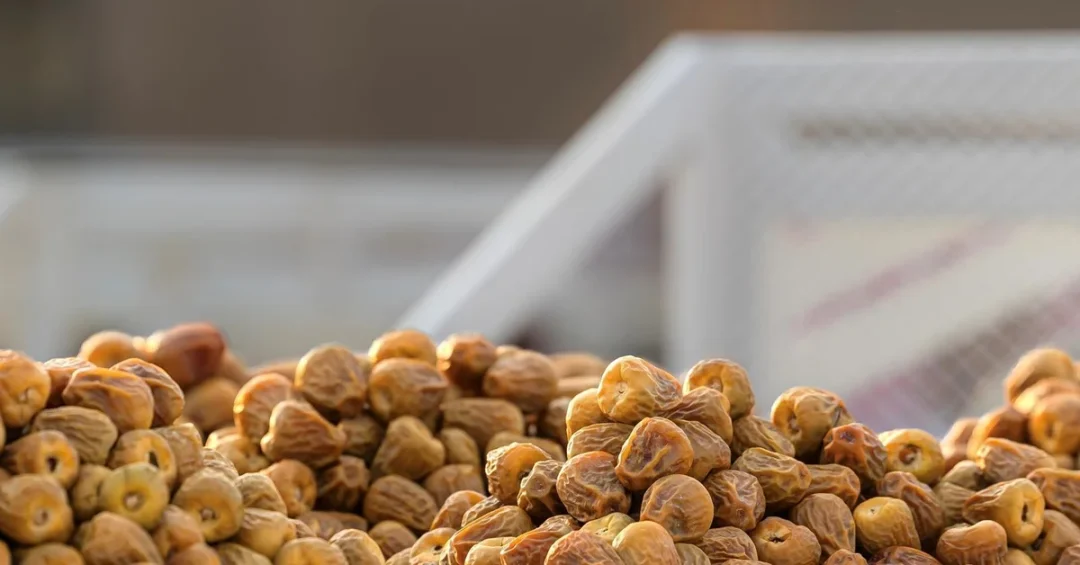
The International Date Carnival in Buraydah has underscored the pivotal role of the Al-Qassim region in Saudi Arabia’s date industry, with the area accounting for approximately 50 percent of the Kingdom’s total date production, according to official information released via the Saudi Press Agency (SPA). The carnival, held in Buraydah, the capital of Al-Qassim Province, highlights a sector that is central to the Kingdom’s agricultural economy and to national efforts to strengthen food security in line with Saudi Vision 2030.
Context and Background
Al-Qassim is home to about 11 million date palm trees and produces more than 580,000 tons of dates each year, making it one of the largest date-producing regions in the Kingdom. This output reflects a combination of favorable natural and agricultural conditions, sustained government support, and continuous improvement in cultivation and production methods. The Buraydah carnival has become a key annual platform for showcasing these achievements and for connecting Saudi date producers with domestic and international markets.
Key Details
The International Date Carnival in Buraydah handles more than 85 percent of the Sukkari date harvest, a premium variety prized on both domestic and export markets for its high quality and distinctive taste. The development of the sector has been driven by the adoption of modern agricultural technologies, mechanization, and efficient irrigation systems, all of which help raise productivity and product quality while promoting the rational use of water resources. Together, these factors reinforce Al-Qassim’s standing as the ‘date capital’ of Saudi Arabia and as a major center of the Kingdom’s agricultural economy.
Implications and Impact
Dates are a strategically important food product for Saudi Arabia, contributing directly to agricultural development objectives and to national food security. The scale of production in Al-Qassim, combined with the marketing reach of the Buraydah carnival, strengthens the Kingdom’s position in regional and global date trade. For international audiences and trading partners, the event signals the reliability and quality of Saudi date exports, while for the domestic economy it supports jobs, rural incomes, and related industries such as packaging, logistics, and food processing.
Vision 2030 Alignment
The continued growth of the date sector in Al-Qassim aligns closely with Saudi Vision 2030, which seeks to diversify the economy, boost non-oil exports, and enhance food security. By expanding high-quality agricultural output and promoting Saudi products internationally, the Buraydah International Date Carnival contributes to the Kingdom’s long-term goals of sustainable development and global economic engagement. As the sector advances through technology and innovation, Al-Qassim is set to remain a driving force in Saudi Arabia’s agricultural success and its growing role in world food markets.
20 Questions
Q1. What share of Saudi Arabia’s date production comes from Al-Qassim?
A1. Al-Qassim accounts for approximately 50 percent of the Kingdom’s total date production, according to official Saudi information. This makes the region the leading date-producing area in Saudi Arabia and a central pillar of the national agricultural economy.
Q2. How many date palm trees are there in Al-Qassim?
A2. The region has about 11 million date palm trees. This extensive cultivation supports high annual output and helps strengthen the Kingdom’s food security and agricultural development goals.
Q3. What is the annual date production volume in Al-Qassim?
A3. Al-Qassim produces more than 580,000 tons of dates each year. This volume makes it one of the largest producers in the Kingdom and supports both domestic consumption and export markets.
Q4. Where is the International Date Carnival held?
A4. The carnival is held in Buraydah, the capital of Al-Qassim Province. The event is a key annual platform for promoting Saudi dates and connecting producers with buyers.
Q5. What is the Sukkari date variety?
A5. Sukkari is a premium date variety known for its high quality and distinctive taste. It is in demand on both domestic and international markets and is a major focus of the Buraydah carnival.
Q6. What percentage of the Sukkari harvest does the carnival handle?
A6. The International Date Carnival in Buraydah handles more than 85 percent of the Sukkari date harvest. This highlights the event’s importance in marketing this premium variety.
Q7. Why is Al-Qassim suited to date cultivation?
A7. Al-Qassim benefits from favorable natural and agricultural conditions. Combined with government support and improved farming methods, these factors enable high-quality, large-scale date production.
Q8. How has technology improved date production in Al-Qassim?
A8. Modern agricultural technologies, mechanization, and efficient irrigation systems have raised productivity and quality. They also promote the rational use of water resources, supporting sustainable agriculture in the region.
Q9. Why are dates important for Saudi food security?
A9. Dates are a strategically important food product in the Kingdom. Their production contributes to agricultural development and helps ensure a stable, domestically sourced food supply for the nation.
Q10. What does the carnival mean for Al-Qassim’s reputation?
A10. The carnival reinforces Al-Qassim’s status as the ‘date capital’ of Saudi Arabia. It also highlights the region as a major center of the Kingdom’s agricultural economy.
Q11. How does the carnival benefit Saudi date exports?
A11. By showcasing high-quality Saudi dates to international buyers, the carnival helps expand export opportunities. This supports the Kingdom’s goals of diversifying the economy and increasing non-oil exports.
Q12. What role does government support play in the date sector?
A12. Government support has been instrumental in the sector’s growth. It helps farmers adopt modern methods, improve irrigation, and increase productivity, contributing to food security and rural development.
Q13. How does date farming support rural communities?
A13. Date farming provides jobs and income for rural communities in Al-Qassim. It also supports related industries such as packaging, logistics, and food processing, strengthening the local economy.
Q14. What makes Sukkari dates popular internationally?
A14. Sukkari dates are prized for their high quality and distinctive taste. These characteristics make them attractive to international buyers and support their strong demand in global markets.
Q15. How does efficient irrigation help date production?
A15. Efficient irrigation systems deliver water more precisely to date palms. This improves productivity and quality while conserving water, supporting sustainable agricultural practices in the Kingdom.
Q16. What is the significance of the Buraydah carnival for Saudi agriculture?
A16. The carnival is a major promotional and commercial event for Saudi dates. It strengthens the agricultural economy, boosts producer incomes, and enhances the Kingdom’s profile in global date trade.
Q17. How does the date sector align with Vision 2030?
A17. The date sector supports Vision 2030 by diversifying the economy, increasing non-oil exports, and enhancing food security. It exemplifies sustainable development and global economic engagement.
Q18. What agricultural practices have improved date quality?
A18. Mechanization, modern cultivation techniques, and improved irrigation have raised date quality. These practices help producers meet high standards demanded by domestic and international markets.
Q19. How does Al-Qassim contribute to Saudi Arabia’s food security?
A19. Al-Qassim’s large date output provides a stable supply of an important food product. This reduces reliance on imports and supports the Kingdom’s broader food security objectives.
Q20. What is the future outlook for Saudi date production?
A20. With continued technology adoption and government support, Saudi date production is poised for further growth. Al-Qassim will remain a leading region, contributing to Vision 2030 and global food markets.
Reader Feedback
We value your thoughts. Please share your feedback on this article.
Your feedback helps us improve our coverage.