


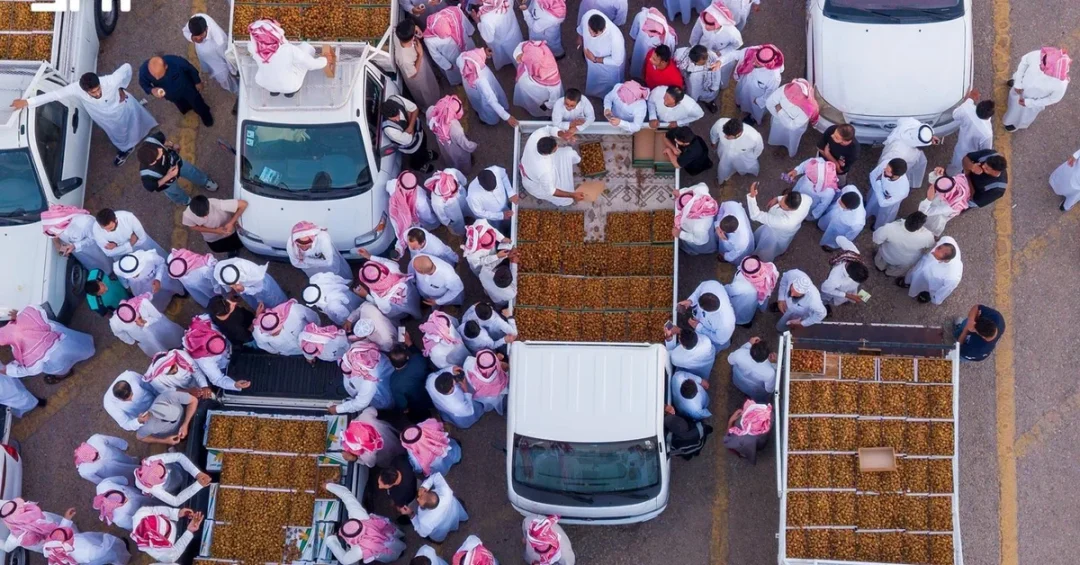
The Buraydah International Date Festival has recorded first-week sales exceeding 17.9 million Saudi riyals, according to official data released by the Saudi Press Agency. The festival, held in the Qassim region, saw a total date volume of 2,110,578.75 kilograms traded in its opening week, reflecting strong demand from both local and international buyers.
Context and Background
The Buraydah International Date Festival is a flagship seasonal event that celebrates the Kingdom’s rich agricultural heritage and its position as a leading global producer of dates. The Qassim region, often called the ‘date capital’ of Saudi Arabia, hosts this annual festival, which attracts farmers, traders, and visitors from across the world. The event is supported by the Ministry of Environment, Water and Agriculture, which promotes sustainable agriculture and the marketing of Saudi dates internationally.
The festival serves as a vital economic platform for local farmers, enabling them to showcase different varieties of dates, including the renowned Sukkari and Ajwa, and to connect with global markets. It also plays a key role in preserving traditional farming practices while embracing modern technologies and agricultural innovations.
Key Details
According to the Saudi Press Agency (SPA), the first week of the festival generated sales of 17,904,337 Saudi riyals, equivalent to approximately 32,251,988 Chinese yuan. The total weight of dates sold reached 2,110,578.75 kilograms. These figures underscore the festival’s commercial significance and its ability to attract a diverse range of buyers.
The event features a wide array of activities, including auctions, exhibitions, and workshops on date cultivation and processing. It also provides a platform for small and medium enterprises to market date-based products, from traditional sweets to health foods. The presence of international buyers indicates growing global interest in Saudi dates, which are prized for their quality and nutritional value.
Implications and Impact
The success of the Buraydah International Date Festival has far-reaching implications for Saudi Arabia’s agricultural sector and its broader economy. It highlights the Kingdom’s capacity to produce and export high-quality dates, contributing to food security and economic diversification. The festival also boosts local tourism, as visitors from within Saudi Arabia and abroad flock to the region, supporting hotels, restaurants, and other businesses.
On a regional level, the event strengthens Saudi Arabia’s role as a key player in the global date trade. It fosters international cooperation and trade partnerships, particularly with countries in Asia and Europe where demand for healthy, natural products is rising. The influx of international buyers also facilitates knowledge exchange and investment opportunities.
Vision 2030 Alignment
The Buraydah International Date Festival aligns closely with Saudi Vision 2030, which aims to diversify the economy away from oil and develop non-oil sectors such as agriculture and tourism. By promoting Saudi dates globally and supporting local farmers, the festival contributes to economic growth, job creation, and the preservation of cultural heritage. It also reflects the Vision’s focus on enhancing the Kingdom’s international competitiveness and fostering a vibrant society.
As the festival continues, it exemplifies how traditional industries can be modernized and integrated into the global economy, driving sustainable development and showcasing the best of Saudi Arabia to the world.
20 Questions
Q1. What is the Buraydah International Date Festival?
A1. The Buraydah International Date Festival is an annual event in Saudi Arabia’s Qassim region that celebrates date production, featuring exhibitions, auctions, and trade activities. It attracts local and international buyers, promoting Saudi dates globally.
Q2. Where is the festival held?
A2. The festival is held in Buraydah, the capital of the Qassim region in Saudi Arabia. Qassim is known as the Kingdom’s date capital due to its ideal climate and soil for date cultivation.
Q3. When does the festival take place?
A3. The festival typically takes place during the date harvest season, which falls in the summer months. The exact dates vary each year according to the Islamic calendar and agricultural cycles.
Q4. What were the first-week sales figures?
A4. First-week sales exceeded 17,904,337 Saudi riyals, approximately 32,251,988 Chinese yuan. This reflects strong demand and the festival’s commercial success.
Q5. How many kilograms of dates were sold in the first week?
A5. A total of 2,110,578.75 kilograms of dates were sold in the first week, according to official data from the Saudi Press Agency.
Q6. Who organizes the festival?
A6. The festival is organized with support from the Ministry of Environment, Water and Agriculture and local authorities in the Qassim region. It is part of national efforts to promote Saudi agriculture.
Q7. What types of dates are featured?
A7. The festival features many varieties, including Sukkari, Ajwa, Khalas, and Barhi. These dates are known for their distinct flavors and high quality, appealing to diverse markets.
Q8. Why is the festival important for the local economy?
A8. It provides a major marketplace for farmers and traders, boosts local tourism, and supports small businesses. It also creates jobs and stimulates economic activity in the Qassim region.
Q9. How does the festival support Saudi Vision 2030?
A9. It aligns with Vision 2030 by diversifying the economy, promoting non-oil exports, and enhancing the agricultural sector. It also showcases Saudi heritage and boosts international trade.
Q10. What international participation is seen at the festival?
A10. The festival attracts buyers and traders from various countries, particularly from Asia and Europe. Their participation highlights the global demand for premium Saudi dates.
Q11. What is the significance of the Qassim region in date production?
A11. Qassim is Saudi Arabia’s leading date-producing region, accounting for a significant portion of national output. Its climate and expertise make it ideal for cultivating high-quality dates.
Q12. Are there any cultural activities at the festival?
A12. Yes, the festival includes cultural performances, traditional crafts, and educational workshops. These activities celebrate Saudi heritage and educate visitors about date farming.
Q13. How does the festival promote sustainable agriculture?
A13. It encourages water-efficient irrigation methods and organic farming practices. Workshops and exhibitions highlight innovative techniques for sustainable date production.
Q14. What is the economic impact of the date industry in Saudi Arabia?
A14. The date industry contributes significantly to GDP, exports, and rural employment. Saudi Arabia is one of the world’s top date producers and exporters.
Q15. How can international buyers participate?
A15. International buyers can attend the festival, network with local producers, and engage in direct purchasing. The event facilitates trade agreements and long-term partnerships.
Q16. What health benefits do dates offer?
A16. Dates are rich in fiber, vitamins, and minerals, offering natural energy and aiding digestion. They are a staple in healthy diets and are increasingly popular worldwide.
Q17. Has the festival seen growth in recent years?
A17. Yes, the festival has grown in scale and sales, reflecting rising global demand and improved marketing. It has become a key event on the international agricultural calendar.
Q18. What role does technology play in the festival?
A18. Technology is used for auctions, digital payments, and virtual participation. It enhances efficiency and allows remote buyers to engage with the market.
Q19. How does the festival support small farmers?
A19. It provides them with a platform to sell directly to buyers, often at better prices. Training and financial support are also offered to help them scale up.
Q20. What are the future prospects for the festival?
A20. The festival is expected to continue growing, with plans to expand international outreach and introduce more innovations. It will remain a cornerstone of Saudi Arabia’s agricultural and cultural landscape.
Reader Feedback
We value your thoughts. Please share your feedback on this article.
Your feedback helps us improve our coverage.