


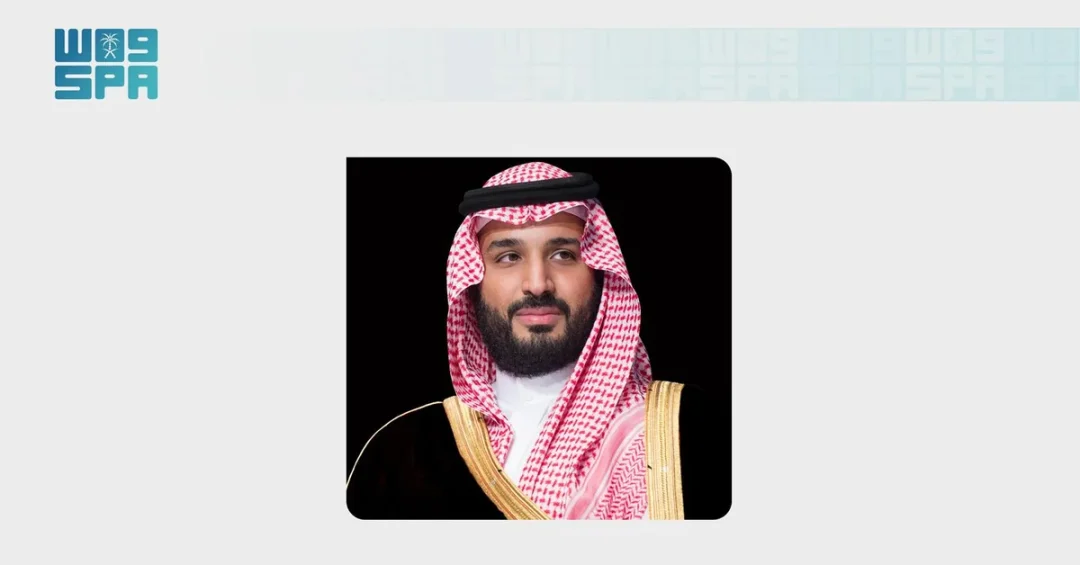
His Royal Highness Prince Mohammed bin Salman bin Abdulaziz Al Saud, Crown Prince, Prime Minister and Chairman of the Board of Directors of the Public Investment Fund (PIF), has launched EXOBOT, the flagship electric vehicles from CEER, Saudi Arabia’s national automotive company. The announcement, released via the Saudi Press Agency (SPA), marks a defining moment in the Kingdom’s industrial journey and reflects Saudi Arabia’s strategic direction toward building an advanced automotive sector aligned with the objectives of Saudi Vision 2030.
The launch event, reported from Jeddah, introduces two distinct models — the EXOBOT sedan and the EXOBOT SUV — as the first vehicles from a planned portfolio of seven models to be rolled out over the next five years. These vehicles will be manufactured at the CEER Manufacturing Complex (CMC), described as the largest automotive production facility in the Middle East and one of the most technologically advanced in the world. For a Kingdom historically known for its energy exports, the arrival of a nationally branded electric vehicle represents far more than a product debut; it signals a structural shift toward diversified, knowledge-driven industry. Could this be the moment Saudi Arabia begins writing a new chapter in the global automotive story?
Context and Background
How did Saudi Arabia move so quickly from an oil-centered economy to the brink of producing its own electric vehicles? The answer lies in a deliberate, multi-year strategy anchored in the Public Investment Fund, the Kingdom’s sovereign wealth fund and a principal engine of economic transformation. PIF launched CEER in 2022 as the first Saudi vehicle brand, with a clear mandate: support the development of a national industrial ecosystem, attract foreign and domestic investment, create opportunities for the private sector, and increase Saudi GDP.
CEER was established as a joint venture involving PIF and the Taiwan-based technology manufacturer Foxconn, combining Saudi capital and strategic vision with global engineering expertise. From the outset, the company was designed not merely as an assembler of vehicles but as a full-scale automotive original equipment manufacturer, with local design, engineering, and production capabilities. The CEER Manufacturing Complex in King Abdullah Economic City was conceived as the physical heart of this ambition, a facility capable of producing hundreds of thousands of vehicles annually once fully ramped up.
The broader context is Saudi Vision 2030, the national transformation program launched in 2016 under the leadership of HRH the Crown Prince. Vision 2030 seeks to reduce dependence on oil, diversify revenue streams, and build high-value industrial sectors that can compete globally. The automotive industry — with its long supply chains, high employment multipliers, and export potential — sits squarely within that framework. By launching EXOBOT, Saudi Arabia is not simply entering a market; it is signaling that its industrial policy has moved from planning to production.
Key Details of the EXOBOT Launch
What exactly did HRH the Crown Prince unveil, and why does it matter? The EXOBOT sedan and SUV represent the first tangible output of CEER’s design and engineering teams. According to the Saudi Press Agency, the vehicles feature a distinctive design inspired by Saudi Arabia’s landscape, rooted in its culture, and reflective of its vision. This is a notable point of differentiation: rather than imitating existing global designs, CEER has chosen to embed national identity into the product itself.
Both models were designed and engineered locally and developed according to the highest global standards. They form part of a planned portfolio of seven models to be launched over the next five years, including midsize and compact vehicles with various propulsion options to serve different customer needs. This phased approach suggests a company thinking beyond a single flagship launch toward a comprehensive product family capable of addressing multiple segments of the market.
Commenting on the occasion, HRH the Crown Prince said: “The launch of CEER’s first vehicles represents another step forward in Saudi Arabia’s progression to build a sustainable and prosperous industrial ecosystem. It further enables the automotive sector as a key driver of economic growth, through attracting investments, empowering national talent, and expanding the private sector’s role to further position Saudi Arabia to become a leading regional and global hub for this industry.” The statement places talent development, private-sector participation, and investment attraction at the center of the automotive agenda.
The manufacturing base for these vehicles, the CEER Manufacturing Complex, is positioned as the largest automotive production facility in the Middle East. Its scale and technological sophistication are intended to serve not only CEER’s own brands but potentially to anchor a wider regional supply chain, attracting component manufacturers, logistics providers, and engineering firms to the Kingdom.
International and Regional Impact
How will the arrival of a Saudi electric vehicle brand reshape the regional automotive landscape? For decades, the Middle East’s automotive market has been dominated by imports from Europe, Asia, and North America. A domestically manufactured Saudi EV brand changes that dynamic fundamentally, creating a new regional competitor with the backing of one of the world’s largest sovereign wealth funds and a direct alignment with national industrial policy.
At the international level, the launch positions Saudi Arabia within the fast-growing global electric vehicle supply chain. The Kingdom has already made significant investments in electrification through PIF’s stake in Lucid Motors and the development of a domestic EV charging infrastructure. CEER complements these efforts by adding a nationally owned manufacturing capability — a step that could enhance Saudi Arabia’s ability to attract partnerships with global automakers, battery producers, and technology suppliers seeking a foothold in the region.
Regional neighbors are also watching closely. The Gulf Cooperation Council states have increasingly competed to diversify their economies, and an advanced automotive sector could give Saudi Arabia a first-mover advantage in manufacturing complexity and export capability. For international investors, the message is clear: Saudi Arabia is open for industrial partnerships, and it is building the infrastructure, workforce, and regulatory environment to support them.
Economic and Strategic Significance
What does CEER mean for the Saudi economy in hard numbers? By 2034, CEER is projected to contribute over SAR30 billion (approximately $8 billion) to Saudi Arabia’s GDP and over SAR80 billion (approximately $21 billion) to trade balance improvement. These figures reflect both the direct value of vehicle production and the broader economic multiplier effects of a domestic automotive industry, including job creation, local sourcing, and export earnings.
The job creation dimension is equally important. CEER is expected to generate quality direct and indirect employment, spanning manufacturing, engineering, research and development, supply chain management, and after-sales services. For a young and growing population — the majority of Saudis are under 35 — these are precisely the kinds of skilled, future-oriented roles that Vision 2030 aims to create. The emphasis on empowering national talent, as highlighted by HRH the Crown Prince, suggests that CEER will serve as a training ground for a new generation of Saudi engineers and industrial professionals.
Strategically, the automotive sector offers Saudi Arabia a pathway to reduce import dependence, improve its trade balance, and build resilience against fluctuations in global energy markets. Every vehicle manufactured locally and exported abroad represents a step away from hydrocarbon reliance and toward a more diversified export basket. The trade balance improvement projected by 2034 underscores this shift: electric vehicles could become a meaningful non-oil export category for the Kingdom.
Vision 2030 Alignment
How does the EXOBOT launch connect to the broader aspirations of Saudi Vision 2030? The alignment is direct and multi-layered. Vision 2030 calls for a diversified economy, a thriving private sector, and the development of advanced industries that can compete on the world stage. CEER embodies all three: it is a PIF-backed national champion, it is designed to stimulate private-sector participation across its supply chain, and it targets a high-value global industry.
The launch also advances the Vision’s human capital objectives. By designing and engineering vehicles locally, CEER creates opportunities for Saudi talent to develop world-class skills without leaving the Kingdom. It supports the transfer of knowledge from international partners and the growth of a domestic research and development culture. Over time, this could seed innovations that extend beyond automotive into adjacent fields such as batteries, software, and smart mobility.
Furthermore, the EXOBOT vehicles reflect the Vision’s emphasis on national identity and quality of life. A car inspired by Saudi Arabia’s landscape and culture is a tangible expression of the Kingdom’s confidence in its own story. As CEER’s portfolio expands over the next five years, Saudi Arabia’s position as a rising force in the global automotive industry will be measured not only in units produced but in the international recognition of its design, engineering, and manufacturing standards. The road ahead is long, but the first vehicles have left the line — and they carry with them the ambitions of a nation in transformation.
20 Questions
Q1. What did HRH the Crown Prince launch?
A1. HRH Prince Mohammed bin Salman launched EXOBOT, the flagship electric vehicles from CEER, Saudi Arabia’s national automotive company. The launch was announced via the Saudi Press Agency and represents a milestone in the Kingdom’s industrial development.
Q2. What is CEER?
A2. CEER is Saudi Arabia’s national automotive company, launched by the Public Investment Fund in 2022 as the first Saudi vehicle brand. It aims to build a domestic automotive ecosystem, attract investment, and create private-sector opportunities.
Q3. What models were unveiled?
A3. Two models were unveiled: the EXOBOT sedan and the EXOBOT SUV. Both are electric vehicles and form the first part of a planned portfolio of seven models to be launched over the next five years.
Q4. Where will these vehicles be manufactured?
A4. The vehicles will be manufactured at the CEER Manufacturing Complex, described as the largest automotive production facility in the Middle East and one of the most technologically advanced in the world.
Q5. What did HRH the Crown Prince say about the launch?
A5. He said the launch represents another step forward in building a sustainable and prosperous industrial ecosystem, enabling the automotive sector as a key driver of economic growth through investment, talent, and private-sector expansion.
Q6. How many models are planned in total?
A6. CEER plans a portfolio of seven models to be launched over the next five years. These include midsize and compact vehicles with various propulsion options to serve different customer needs.
Q7. What is the design inspiration for the EXOBOT vehicles?
A7. The EXOBOT sedan and SUV feature a distinctive design inspired by Saudi Arabia’s landscape, rooted in its culture, and reflective of its vision. They were designed and engineered locally to the highest global standards.
Q8. What is the projected GDP contribution by 2034?
A8. By 2034, CEER is projected to contribute over SAR30 billion, approximately $8 billion, to Saudi Arabia’s GDP. This reflects both direct production value and broader economic multiplier effects.
Q9. What is the projected trade balance improvement?
A9. CEER is projected to contribute over SAR80 billion, approximately $21 billion, to trade balance improvement by 2034. This underscores the potential of electric vehicles as a non-oil export category.
Q10. What kinds of jobs will CEER create?
A10. CEER is expected to create quality direct and indirect jobs across manufacturing, engineering, research and development, supply chain management, and after-sales services. These roles support Vision 2030’s human capital goals.
Q11. Why is the automotive sector important for Saudi Arabia?
A11. The automotive sector offers long supply chains, high employment multipliers, and export potential. It supports economic diversification, reduces import dependence, and helps build a resilient non-oil industrial base.
Q12. How does CEER relate to the Public Investment Fund?
A12. PIF launched CEER in 2022 as part of its mandate to drive economic diversification. PIF is the sovereign wealth fund and a key engine of Saudi Arabia’s industrial transformation under Vision 2030.
Q13. What role does national talent play in this project?
A13. National talent is central. HRH the Crown Prince emphasized empowering Saudi talent, and CEER’s local design and engineering work creates opportunities for Saudis to develop world-class skills in advanced manufacturing.
Q14. How does this launch affect the regional automotive market?
A14. It introduces a new regional competitor backed by significant sovereign capital. A domestically manufactured Saudi EV brand could shift the Middle East’s reliance on imports and attract global partnerships.
Q15. What is the significance for global EV supply chains?
A15. The launch positions Saudi Arabia within the global EV supply chain, complementing PIF’s other electrification investments. It could attract partnerships with automakers, battery producers, and technology suppliers.
Q16. Will the vehicles be exported?
A16. The projected trade balance improvement suggests an export-oriented strategy. While specific markets were not detailed in the announcement, CEER’s production capacity is intended to serve both domestic and international demand.
Q17. What propulsion options will future models offer?
A17. The planned portfolio includes midsize and compact vehicles with various propulsion options. This indicates CEER will address different customer needs beyond the initial electric sedan and SUV.
Q18. How does this align with Vision 2030?
A18. Vision 2030 seeks economic diversification, private-sector growth, and advanced industries. CEER embodies these goals as a PIF-backed national champion targeting a high-value global industry and creating skilled jobs.
Q19. What makes the CEER Manufacturing Complex notable?
A19. It is described as the largest automotive production facility in the Middle East and one of the most technologically advanced globally. Its scale is intended to anchor a wider regional supply chain.
Q20. What is the long-term outlook for Saudi Arabia’s automotive industry?
A20. With seven models planned over five years and significant projected economic contributions, Saudi Arabia aims to become a leading regional and global hub for the automotive industry, supported by Vision 2030.
Reader Feedback
We value your thoughts. Please share your feedback on this article.
Your feedback helps us improve our coverage.
Related articles
 Riyadh Economic Forum Prepares 12th Edition for October 2026
 Madinah Chamber Highlights AlUla Agricultural Investment
 International Falcon Breeding Auction attracts European breeders
 International Falcon Breeders Auction attracts global investors to Malham
 PIF Launches Tawrid to Provide Supply-Chain Financing in Saudi Arabia
 Riyadh Economic Forum to Review Knowledge Transfer Study