


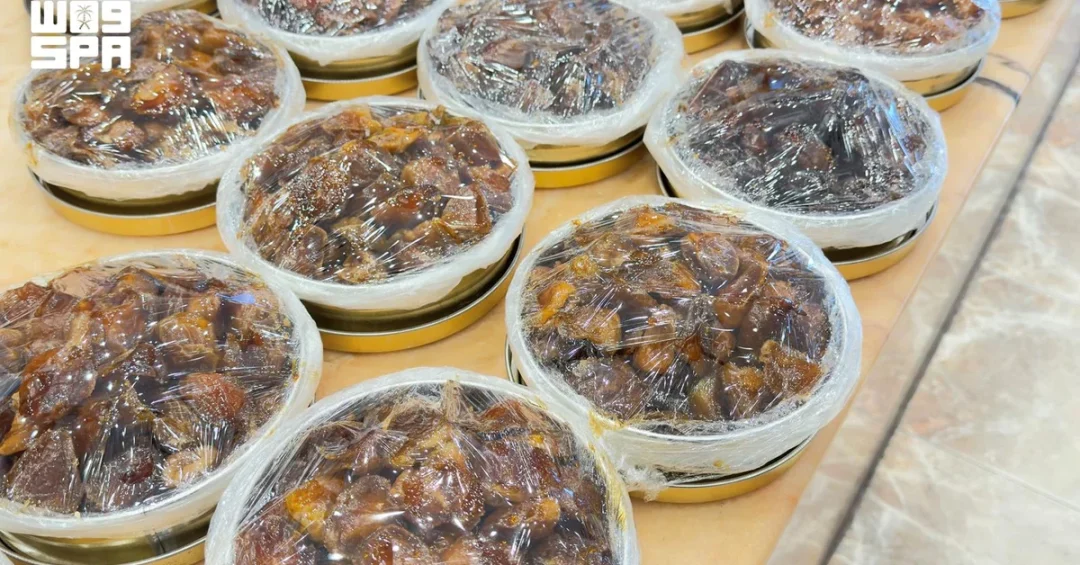
Date curing, a vital post-harvest practice, is essential for farmers and date producers in the Qassim Region to maintain crop quality and prepare dates for storage and marketing, according to the Saudi Press Agency (SPA). The process involves a series of sequential stages designed to regulate moisture levels and preserve the fruit’s characteristics, ensuring that the renowned dates of Saudi Arabia reach consumers in optimal condition. This meticulous approach underscores the Kingdom’s commitment to agricultural excellence and food security, aligning with the goals of Saudi Vision 2030 to diversify the economy and enhance non-oil sectors.
Context and Background
Date cultivation has been a cornerstone of Saudi Arabia’s agricultural heritage for centuries, with the Qassim Region standing out as a major producer of high-quality dates. The curing process, as detailed by SPA, begins with sorting the dates to select suitable fruit and discard damaged ones, followed by cleaning them of impurities before drying. This careful selection ensures that only the best dates proceed to the next stages, which are critical for extending shelf life and maintaining the fruit’s nutritional and sensory qualities. The importance of date curing extends beyond local consumption; it supports the Kingdom’s export ambitions and contributes to the national economy by adding value to one of its most iconic crops.
Key Details
Farmer Mohammed Al-Arini emphasized that curing is a crucial post-harvest stage, noting that the process’s success depends on the farmer’s knowledge of the date variety and moisture content, as well as the selection of the appropriate method for drying and preservation. He highlighted the range of curing methods, from traditional techniques that rely on sun-drying, turning the fruit, and monitoring its condition to modern methods that use drying equipment and chambers for precise control of temperature and humidity. The process concludes with cooling the dates after drying, then packaging them in suitable containers and storing them under optimal conditions, ensuring cleanliness, proper ventilation, and appropriate temperatures to minimize spoilage and maintain product integrity. These steps are essential for meeting both domestic and international quality standards.
Implications and Impact
The adoption of improved curing techniques has significant implications for Saudi Arabia’s date industry, which is a key contributor to the national economy and a source of pride. By preserving crop quality and extending shelf life, farmers can reduce post-harvest losses and increase profitability, thereby supporting rural livelihoods in the Qassim Region and beyond. Moreover, the focus on quality control enhances the competitiveness of Saudi dates in global markets, where demand for premium and organic products is rising. This aligns with the Kingdom’s efforts to boost non-oil exports and strengthen food security, as outlined in Vision 2030. The integration of modern technology in curing also demonstrates the agricultural sector’s modernization, a priority for the Saudi government.
Vision 2030 Alignment
Saudi Vision 2030 aims to diversify the economy and promote sustainable development across all sectors, including agriculture. The emphasis on date curing directly supports this vision by enhancing the value chain of a traditional crop, creating opportunities for innovation and investment, and contributing to food self-sufficiency. As the Kingdom continues to modernize its agricultural practices, initiatives like these ensure that Saudi dates remain a symbol of quality and heritage, while also driving economic growth and global engagement. The commitment to preserving crop quality reflects the broader national strategy to achieve excellence and sustainability in all industries.
20 Questions
Q1. What is date curing?
A1. Date curing is a post-harvest process that regulates moisture levels in dates to preserve their quality and extend shelf life. It involves sorting, cleaning, drying, cooling, and packaging, ensuring the fruit remains suitable for storage and marketing.
Q2. Why is date curing important for farmers in Qassim?
A2. Date curing is crucial for Qassim farmers as it maintains crop quality, reduces spoilage, and prepares dates for market. It supports their livelihoods and helps meet the high standards required for both local and international sales.
Q3. What are the initial steps of date curing?
A3. The process begins with sorting dates to select suitable fruit and discard damaged ones, followed by cleaning them of impurities. These steps ensure only high-quality dates proceed to drying and further preservation.
Q4. How does the curing process vary by date variety?
A4. Different date varieties have distinct moisture contents and characteristics, so curing methods are tailored accordingly. Farmers must know their crop to choose the right drying and preservation techniques for optimal results.
Q5. What traditional methods are used in date curing?
A5. Traditional methods include sun-drying, regularly turning the fruit, and monitoring its condition. These techniques rely on natural conditions and are often passed down through generations, reflecting the region’s agricultural heritage.
Q6. What modern methods are employed in date curing?
A6. Modern methods use drying equipment and chambers that precisely control temperature and humidity. These technologies ensure consistent quality and efficiency, reducing reliance on weather conditions and enhancing product uniformity.
Q7. Who is Mohammed Al-Arini?
A7. Mohammed Al-Arini is a farmer who emphasized the importance of curing as a post-harvest stage. He highlighted that success depends on knowledge of date variety, moisture content, and appropriate drying methods.
Q8. How does curing affect the shelf life of dates?
A8. Curing regulates moisture, which prevents microbial growth and spoilage. Properly cured dates can be stored longer without losing flavor, texture, or nutritional value, making them suitable for extended distribution.
Q9. What role does cooling play in date curing?
A9. After drying, dates are cooled to stabilize them before packaging. Cooling helps maintain texture and prevents condensation, which could lead to spoilage during storage and transportation.
Q10. How are dates packaged after curing?
A10. Dates are packaged in suitable containers that ensure cleanliness and proper ventilation. Packaging protects them from contaminants and physical damage, while allowing air circulation to maintain freshness.
Q11. What storage conditions are optimal for cured dates?
A11. Optimal storage requires cleanliness, ventilation, and appropriate temperatures to minimize spoilage. These conditions help preserve product integrity and extend shelf life, ensuring dates remain safe and delicious.
Q12. How does date curing contribute to food security in Saudi Arabia?
A12. By reducing post-harvest losses and preserving crop quality, curing enhances the availability of dates, a staple food. This supports food security goals and reduces dependence on imports, aligning with Vision 2030.
Q13. What economic benefits does date curing offer?
A13. Curing increases the market value of dates by ensuring high quality and longer shelf life. It enables farmers to access premium markets, boosts exports, and creates jobs in processing and packaging.
Q14. How does date curing support Saudi Vision 2030?
A14. It aligns with Vision 2030 by modernizing agriculture, enhancing non-oil exports, and promoting sustainable practices. It also empowers rural communities and strengthens the national economy through value addition.
Q15. What are the risks of improper curing?
A15. Improper curing can lead to moisture-related spoilage, mold growth, and loss of flavor. It may also reduce shelf life and marketability, causing financial losses for farmers and producers.
Q16. How can farmers learn best practices for date curing?
A16. Farmers can learn through agricultural extension services, workshops, and knowledge sharing from experts. The Saudi Ministry of Environment, Water and Agriculture provides guidance and resources to support best practices.
Q17. Are there any environmental benefits to date curing?
A17. Yes, by reducing food waste and spoilage, curing contributes to sustainability. It also promotes the efficient use of resources, as properly stored dates require less energy for preservation and transportation.
Q18. How does date curing impact the global market for Saudi dates?
A18. High-quality cured dates enhance Saudi Arabia’s reputation as a premium producer, increasing demand in global markets. This boosts export revenues and strengthens the Kingdom’s position in the international date trade.
Q19. What innovations are emerging in date curing?
A19. Innovations include solar dryers, humidity-controlled chambers, and automated sorting systems. These technologies improve efficiency, consistency, and scalability, helping farmers meet growing demand and quality standards.
Q20. What is the future outlook for date curing in Saudi Arabia?
A20. The future is promising, with continued adoption of modern techniques and government support. As part of Vision 2030, date curing will play a key role in sustainable agriculture, economic diversification, and global competitiveness.
Reader Feedback
We value your thoughts. Please share your feedback on this article.
Your feedback helps us improve our coverage.