


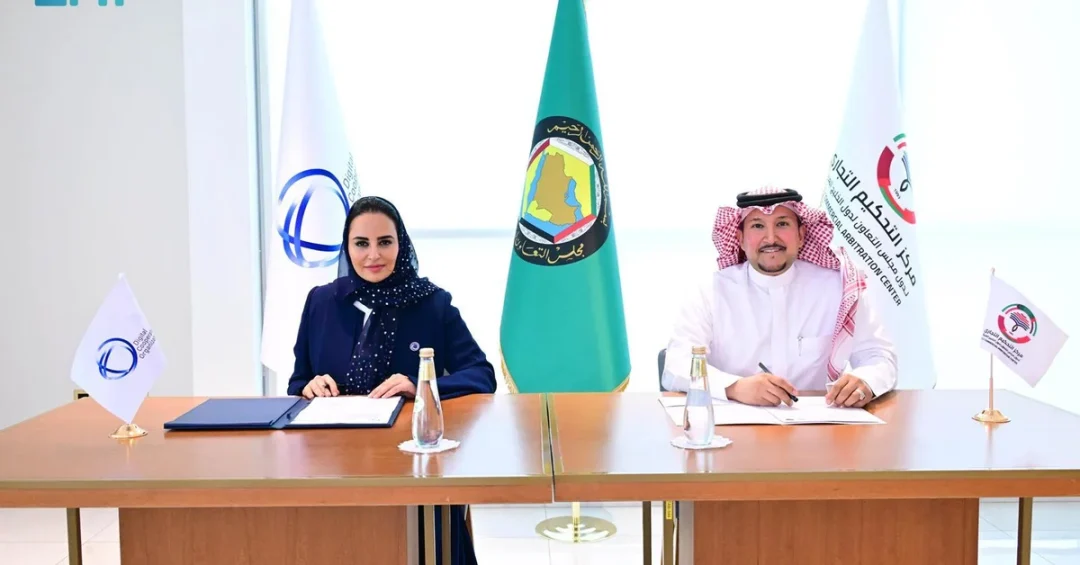
The Digital Cooperation Organization (DCO) signed a memorandum of understanding (MoU) with the GCC Commercial Arbitration Centre (GCCCAC) in Manama on October 8, 2024, to establish a reliable and impartial arbitration mechanism aimed at promoting a fair, inclusive, and well-regulated digital economy across borders. The agreement was signed by DCO Secretary General Deemah AlYahya and GCCCAC Secretary General Dr. Kamal Al Hamad, underscoring a shared commitment to advancing digital inclusion, enhancing cross-border collaboration, and accelerating the growth of the global digital economy.
Context and Background
The Digital Cooperation Organization, an international organization dedicated to fostering digital prosperity for all, has been at the forefront of efforts to create a harmonious digital ecosystem. With member states spanning the globe, the DCO works to bridge the digital divide and ensure that every nation, business, and person has a fair opportunity to prosper in the digital economy. The GCC Commercial Arbitration Centre, based in Manama, Bahrain, is a leading institution for commercial dispute resolution in the Gulf region, known for its expertise in arbitration and mediation.
This MoU comes at a critical time when digital transactions and cross-border data flows are surging, necessitating robust legal frameworks to resolve disputes efficiently. By integrating GCCCAC’s arbitration services, the DCO aims to provide its member states and partners with an independent entity that enhances transparency and operational efficiency globally.
Key Details of the Agreement
The MoU outlines a collaborative framework where the DCO and GCCCAC will work together to resolve disputes arising from digital economy activities. According to a press release issued by the DCO, the organization seeks to enhance transparency with its member states and partners, advance digital inclusion, and accelerate the growth of the global digital economy by incorporating a reliable and impartial arbitration mechanism.
DCO Secretary General Deemah AlYahya emphasized the vital role of arbitration centers in supporting the DCO’s mission: “Arbitration centers play a vital role in supporting DCO’s mission, by ensuring effective governance, dispute resolution, and operational efficiency globally. The collaboration with GCCCAC will help the organization promote a fair, inclusive, and well-regulated digital economy across borders through a reliable and stable legal framework.”
GCCCAC Secretary General Dr. Kamal Al Hamad highlighted the need for modern dispute resolution methods: “Given the significant inflation in economic projects in the Arab world, aligned with the needs of both local and global markets, resolving legal and commercial disputes requires adopting modern methods. This can be achieved by using flexible arbitration rules characterized by high speed in dispute resolution while customizing the arbitration process rules in accordance with best practices in digital transformation. This contributes to achieving the best economic, investment, and commercial returns among member states, in line with the objectives of sustainable development.”
Implications for the Digital Economy
The collaboration between the DCO and GCCCAC is expected to have far-reaching implications for the digital economy, both regionally and internationally. By providing a reliable and stable legal framework for dispute resolution, the MoU will enhance investor confidence, facilitate cross-border digital trade, and promote a more predictable business environment. This is particularly important as digital services and e-commerce continue to expand rapidly, often outpacing existing legal mechanisms.
For Saudi Arabia and other GCC countries, this agreement aligns with broader efforts to diversify economies and attract foreign investment. A robust arbitration mechanism reduces risks associated with digital transactions, thereby encouraging innovation and entrepreneurship. Moreover, it supports the development of a digital economy that is inclusive, ensuring that smaller enterprises and individuals can participate fully without fear of unresolved disputes.
Vision 2030 Alignment
Saudi Arabia’s Vision 2030 places a strong emphasis on digital transformation as a pillar of economic diversification and social development. The MoU between the DCO and GCCCAC directly supports this vision by promoting a well-regulated digital economy that fosters trust and transparency. As the Kingdom continues to lead in digital innovation, such collaborations reinforce its commitment to creating a thriving digital ecosystem that benefits not only Saudi Arabia but also the wider region and the global community. By ensuring fair and efficient dispute resolution, this partnership paves the way for sustainable growth and prosperity in the digital age.
20 Questions
Q1. What is the Digital Cooperation Organization (DCO)?
A1. The DCO is an international organization that aims to promote digital prosperity for all by fostering collaboration among nations, businesses, and individuals to build an inclusive and sustainable digital economy.
Q2. What is the GCC Commercial Arbitration Centre (GCCCAC)?
A2. The GCCCAC is a leading arbitration institution based in Manama, Bahrain, specializing in commercial dispute resolution in the Gulf region, known for its expertise in arbitration and mediation.
Q3. What was the purpose of the MoU signed between DCO and GCCCAC?
A3. The MoU aims to establish a reliable and impartial arbitration mechanism to resolve disputes, enhance transparency, advance digital inclusion, and accelerate the growth of the global digital economy.
Q4. Who signed the MoU on behalf of the DCO?
A4. DCO Secretary General Deemah AlYahya signed the MoU.
Q5. Who signed the MoU on behalf of the GCCCAC?
A5. GCCCAC Secretary General Dr. Kamal Al Hamad signed the MoU.
Q6. Where was the MoU signed?
A6. The MoU was signed in Manama, Bahrain, on October 8, 2024.
Q7. Why is arbitration important for the digital economy?
A7. Arbitration provides a reliable and efficient way to resolve disputes, which is essential for building trust, encouraging investment, and facilitating cross-border digital trade in a rapidly evolving digital economy.
Q8. How does the MoU benefit DCO member states?
A8. The MoU provides member states with access to a stable legal framework for dispute resolution, enhancing transparency, reducing risks, and promoting a fair and inclusive digital economy.
Q9. What did Deemah AlYahya say about arbitration centers?
A9. She said that arbitration centers play a vital role in supporting DCO’s mission by ensuring effective governance, dispute resolution, and operational efficiency globally.
Q10. What did Dr. Kamal Al Hamad say about dispute resolution?
A10. He emphasized the need for modern methods, such as flexible arbitration rules with high speed and digital transformation best practices, to achieve the best economic returns among member states.
Q11. How does this collaboration align with the DCO’s mission?
A11. It aligns with DCO’s commitment to collaborate with stakeholders to create a world where every nation, business, and person has a fair opportunity to prosper in the digital economy.
Q12. What are the expected outcomes of the MoU?
A12. Expected outcomes include enhanced cross-border collaboration, accelerated growth of the global digital economy, and a more transparent and inclusive digital environment.
Q13. What is the significance of this MoU for the Arab world?
A13. It addresses the need for modern dispute resolution methods amid significant economic growth, helping to achieve better investment and commercial returns in line with sustainable development goals.
Q14. How does this MoU support digital inclusion?
A14. By providing a fair and efficient dispute resolution mechanism, it ensures that all participants, including smaller enterprises, can engage in the digital economy with confidence.
Q15. What role does arbitration play in cross-border digital trade?
A15. Arbitration provides a neutral and enforceable means to resolve disputes, which is crucial for maintaining trust and facilitating smooth cross-border digital transactions.
Q16. How does the MoU promote transparency?
A16. The MoU establishes an independent arbitration entity that enhances transparency with member states and partners, ensuring clear and fair processes.
Q17. What is the DCO’s broader objective in the digital economy?
A17. The DCO aims to create a well-regulated and inclusive digital economy where every nation, business, and person can prosper.
Q18. How does the MoU relate to Saudi Vision 2030?
A18. It supports Vision 2030 by promoting a well-regulated digital economy, enhancing trust, and fostering innovation, which are key pillars of the Kingdom’s digital transformation strategy.
Q19. What are the benefits for businesses operating in the digital economy?
A19. Businesses benefit from a reliable dispute resolution mechanism that reduces risks, ensures fair treatment, and supports a stable environment for growth and investment.
Q20. What future actions are expected following this MoU?
A20. The DCO and GCCCAC will collaborate to implement the arbitration mechanism, likely through joint initiatives, capacity building, and the development of tailored arbitration rules for digital disputes.
Reader Feedback
We value your thoughts. Please share your feedback on this article.
Your feedback helps us improve our coverage.
Related articles
 Almarai, Algharbia Farms Sign MoU to Localize Egg Powder Production
 Saudi Arabia, Egypt Boost Tech Collaboration for Digital Economy
 Saudi Economy Minister Meets Vietnamese Finance Minister
 Indian Delegation Explores Eastern Province Tech Sectors
 IsDB Raises $1.25B in Second Sukuk Issuance of 2024
 Saudi-Egyptian Joint Trade Committee Meets in Cairo