


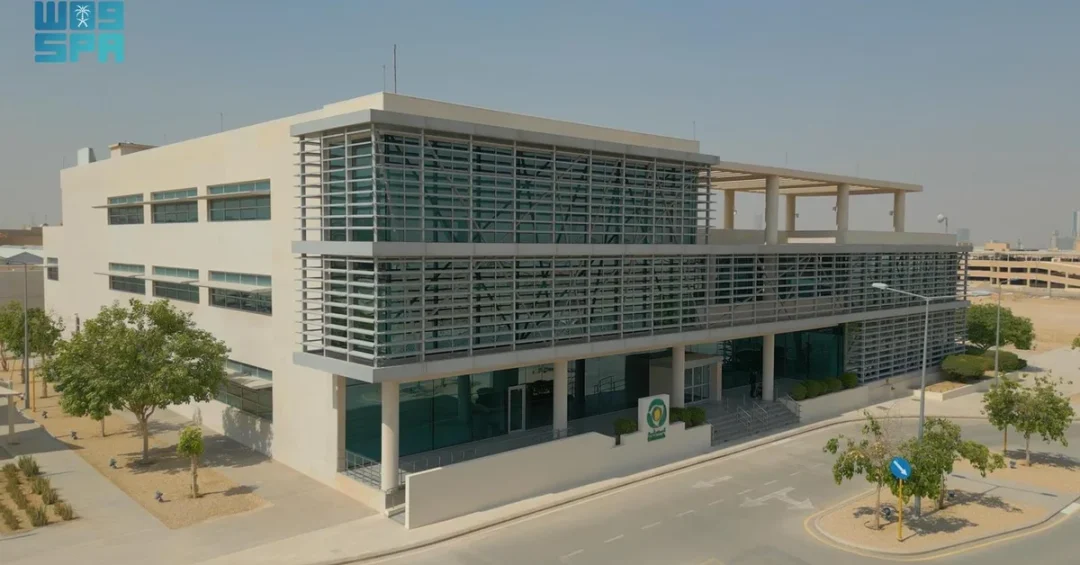
The National Research and Development Center for Sustainable Agriculture (Estidamah) conducted a specialized workshop in the Jazan region focused on sustainable mango cultivation techniques amid changing climate conditions, as reported by the Saudi Press Agency (SPA). The workshop aimed to transfer knowledge and promote sustainable agricultural practices, addressing the impact of prolonged rainfall on mango trees and methods to stimulate flowering.
Context and Background
Mango cultivation is an important agricultural activity in the Jazan region, which is known for its tropical climate suitable for fruit production. However, changing climate patterns, including prolonged rainfall, pose significant challenges to mango trees, affecting flowering and productivity. Estidamah, under the guidance of the Ministry of Environment, Water and Agriculture, is at the forefront of promoting sustainable agriculture in Saudi Arabia. The workshop aligns with the center’s mission to enhance agricultural resilience and support farmers through knowledge transfer and modern techniques.
Key Details
The workshop included practical demonstrations in Estidamah’s fields, where experts and farmers exchanged ideas on the best sustainable agricultural practices to address climate challenges. The focus was on introducing modern cultivation techniques for mango and other tropical fruit trees to increase productivity and quality. Participants learned about methods to mitigate the effects of prolonged rainfall, such as improved drainage systems and adjusted irrigation schedules. The event also emphasized the importance of soil health and integrated pest management. By fostering collaboration between researchers and farmers, Estidamah aims to ensure the long-term sustainability of mango farming in the region.
Implications and Impact
This initiative has significant implications for food security and economic development in Saudi Arabia. By enhancing mango cultivation, the Kingdom can reduce reliance on imports and boost local production, contributing to the goals of Vision 2030. The workshop also serves as a model for other regions facing similar climate challenges, demonstrating Saudi Arabia’s leadership in sustainable agriculture. Furthermore, it strengthens the agricultural sector’s resilience, supporting the livelihoods of farmers and promoting rural development. The exchange of knowledge between experts and farmers is expected to lead to higher yields and better-quality fruits, benefiting both domestic and export markets.
Vision 2030 Alignment
This workshop directly supports Saudi Vision 2030’s objectives of achieving food security, economic diversification, and environmental sustainability. By promoting sustainable agricultural practices and modern techniques, Estidamah contributes to the Kingdom’s efforts to adapt to climate change and ensure a prosperous future for its agricultural sector. As Saudi Arabia continues to invest in research and development, initiatives like this underscore the nation’s commitment to innovation and global leadership in sustainable development.
20 Questions
Q1. What is Estidamah?
A1. Estidamah is the National Research and Development Center for Sustainable Agriculture, established under the Ministry of Environment, Water and Agriculture to promote sustainable farming practices in Saudi Arabia.
Q2. Where was the workshop held?
A2. The workshop was held in the Jazan region of Saudi Arabia, known for its tropical climate and mango production.
Q3. What was the main focus of the workshop?
A3. The workshop focused on sustainable agricultural techniques for mango cultivation, particularly addressing the impact of prolonged rainfall and methods to stimulate flowering.
Q4. Who participated in the workshop?
A4. Agricultural experts and local farmers participated, exchanging ideas and best practices for mango cultivation under changing climate conditions.
Q5. What is the significance of Jazan for mango cultivation?
A5. Jazan’s tropical climate is ideal for mango cultivation, making it a key region for fruit production in Saudi Arabia.
Q6. How does prolonged rainfall affect mango trees?
A6. Prolonged rainfall can lead to waterlogging, root diseases, and reduced flowering in mango trees, negatively impacting fruit yield and quality.
Q7. What methods were demonstrated to stimulate flowering?
A7. Techniques such as pruning, regulated irrigation, and nutrient management were demonstrated to encourage flowering despite adverse weather conditions.
Q8. What modern cultivation techniques were introduced?
A8. Modern techniques included improved drainage systems, soil health management, and integrated pest management tailored for tropical fruit trees.
Q9. How does the workshop support Saudi Vision 2030?
A9. It supports food security, economic diversification, and environmental sustainability goals of Vision 2030 by enhancing local agriculture resilience.
Q10. What are the expected outcomes for farmers?
A10. Farmers are expected to achieve higher yields, better fruit quality, and reduced losses due to climate challenges, improving their livelihoods.
Q11. Why is sustainable agriculture important for Saudi Arabia?
A11. Sustainable agriculture ensures long-term food security, conserves natural resources, and supports economic growth while reducing environmental impact.
Q12. How does Estidamah transfer knowledge to farmers?
A12. Estidamah conducts workshops, field demonstrations, and training sessions to share research findings and best practices with farmers.
Q13. What other crops does Estidamah focus on?
A13. Estidamah focuses on various crops suitable for Saudi Arabia’s climate, including vegetables, fruits, and fodder, promoting sustainable methods.
Q14. How can mango cultivation contribute to Saudi economy?
A14. By increasing local production, mango cultivation can reduce imports, create jobs, and potentially open export opportunities, boosting the economy.
Q15. What role does climate change play in agriculture?
A15. Climate change alters weather patterns, affecting crop yields, water availability, and pest dynamics, necessitating adaptive strategies.
Q16. Are there any government initiatives supporting farmers?
A16. Yes, the Ministry of Environment, Water and Agriculture provides subsidies, training, and research support to enhance agricultural sustainability.
Q17. How does Estidamah collaborate with international organizations?
A17. Estidamah partners with global research institutions to exchange knowledge and adopt best practices in sustainable agriculture.
Q18. What are the water management strategies taught?
A18. Strategies include drip irrigation, rainwater harvesting, and scheduling irrigation based on weather data to optimize water use.
Q19. How can farmers implement these techniques?
A19. Farmers can adopt techniques through training, access to resources, and support from agricultural extension services provided by Estidamah.
Q20. What is the future outlook for mango cultivation in Saudi Arabia?
A20. With continued research and sustainable practices, mango cultivation is expected to thrive, contributing to food security and economic growth.
Reader Feedback
We value your thoughts. Please share your feedback on this article.
Your feedback helps us improve our coverage.
Related articles
 Japanese Stocks Close Higher on Tech Gains, China Stimulus Hopes
 Saudi Postal Sector Delivers 85 Million Shipments in H1 2024
 SIDF Launches Training Camp for Third Industrial Hackathon
 Saudi REGA to Participate in Restatex Exhibition in Jeddah
 CMA Chairman Opens Third Financial Academy Forum 2024
 20 Canadian Companies Eye Saudi Digital Transformation