


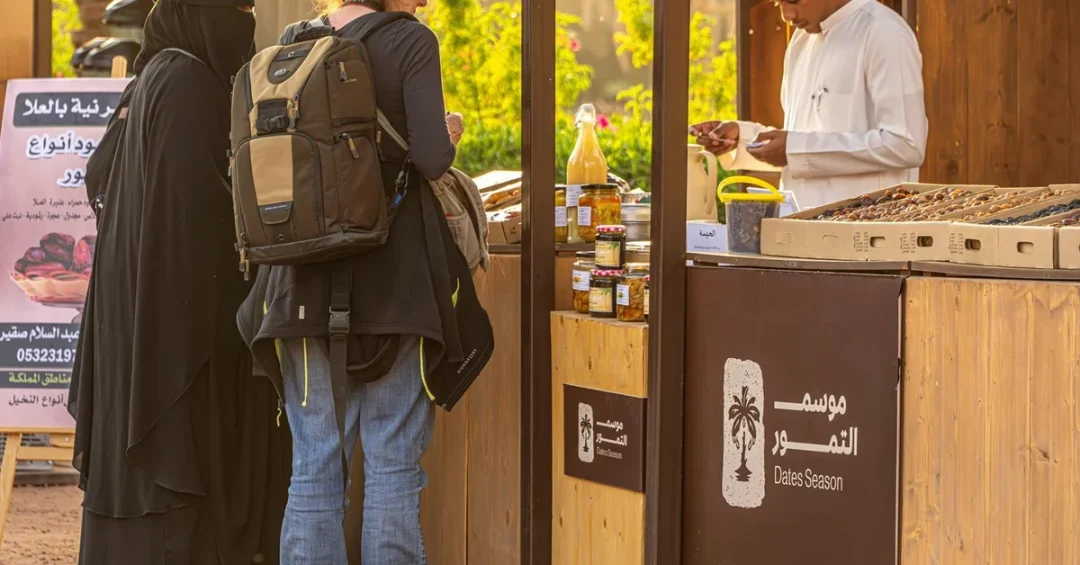
The Farmers’ Market at the AlUla Dates Festival has delivered a significant economic boost to local farmers, artisans, and families, with sales and purchases surging following a high turnout of visitors, according to the Saudi Press Agency (SPA). Launched by the Royal Commission for AlUla (RCU) in the AlManshiyah neighborhood, the market forms a central pillar of the festival, which remains open to the public until November 9 and showcases a wide array of local products, handicrafts, and festivities. The initiative reflects Saudi Arabia’s broader commitment to empowering rural communities and diversifying local economies in line with Vision 2030. The market has become a vibrant platform where farmers from across the AlUla region present their finest date varieties and innovative date-based products, while families engaged in cottage industries gain direct access to a growing stream of domestic and international visitors.
Have you ever considered how a single agricultural festival can reshape the economic fortunes of an entire region? The AlUla Dates Festival, and specifically its Farmers’ Market, demonstrates precisely that kind of transformative potential. By providing a dedicated space for local producers to sell directly to consumers, the Royal Commission for AlUla is not only preserving the region’s agricultural heritage but also building a sustainable economic ecosystem. The market’s success underscores how targeted cultural and agricultural investments can generate tangible returns for communities, create jobs, and attract tourism. It also highlights the Kingdom’s strategic focus on non-oil economic growth, rural development, and the celebration of Saudi Arabia’s rich natural and cultural assets on the world stage.
Context and Background
What makes the AlUla Dates Festival such a pivotal event in Saudi Arabia’s agricultural calendar? The festival, organized by the Royal Commission for AlUla, is an annual celebration of the region’s most iconic crop: the date. AlUla has long been renowned for its premium dates, which thrive in the area’s unique climate and soil conditions. The Farmers’ Market, introduced in the AlManshiyah neighborhood, was designed as a dedicated commercial hub within the broader festival framework, allowing local farmers to sell their harvests directly to the public. This direct-to-consumer model eliminates intermediaries, ensuring that farmers receive fair compensation for their produce while buyers enjoy fresh, high-quality dates and artisanal products.
The market also serves as a platform for innovation, with citizens and families working in cottage industries presenting value-added date products such as chocolates, pastes, syrups, and baked goods. These products reflect a blend of traditional knowledge and modern entrepreneurship, a combination that Saudi Arabia actively encourages through its Vision 2030 economic diversification strategy. The Royal Commission for AlUla, established in 2017, has been instrumental in revitalizing the region as a global heritage and tourism destination. By integrating agricultural commerce with cultural festivities, the commission ensures that economic benefits are distributed across multiple segments of society, from smallholder farmers to young entrepreneurs and artisans.
The timing of the festival, running until November 9, aligns with the peak date harvest season in AlUla, when the quality and quantity of produce are at their highest. This synchronization maximizes both visitor engagement and farmer revenue. Moreover, the festival’s family-friendly atmosphere, including a dedicated children’s section, fosters intergenerational learning and appreciation for agriculture. The children’s section, where younger visitors are introduced to cultivation methods and the different types of dates grown in AlUla, plays a crucial role in preserving agricultural heritage and inspiring future generations to engage with the sector.
Key Details of the Farmers’ Market
What specific elements have contributed to the market’s remarkable economic impact? According to the Saudi Press Agency, the Farmers’ Market has experienced a revival in sales and purchases, driven largely by the high turnout of visitors. This surge benefits not only date farmers but also a diverse range of vendors offering local products and handicrafts. The market’s location in the AlManshiyah neighborhood, a central and accessible area within AlUla, has facilitated easy access for both residents and tourists. The Royal Commission for AlUla has meticulously curated the market to ensure a vibrant, welcoming atmosphere that encourages spending and repeat visits.
A key feature of the market is its emphasis on cottage industry products. Families and individuals working from home or in small workshops are given a dedicated space to showcase their goods, which include handmade crafts, textiles, and food items. This inclusive approach empowers women, youth, and small-scale producers, aligning with Vision 2030’s goals of increasing female workforce participation and supporting small and medium-sized enterprises (SMEs). The economic multiplier effect is significant: when visitors purchase from local vendors, the money circulates within the community, creating a cycle of prosperity that strengthens the local economy.
The children’s section adds an educational dimension that enhances the market’s long-term value. By teaching young visitors about cultivation methods and date varieties, the festival plants the seeds for a future generation of agriculturists, agri-tech innovators, and entrepreneurs. This educational component is not merely a sideshow; it is a strategic investment in human capital, ensuring that traditional knowledge is passed down while being enriched with modern techniques. The presence of children also encourages families to spend more time at the market, increasing the likelihood of purchases and fostering a festive, community-oriented atmosphere.
International and Regional Impact
How does a local farmers’ market in AlUla resonate on the international stage? The AlUla Dates Festival, and by extension the Farmers’ Market, serves as a showcase for Saudi Arabia’s cultural and agricultural richness, attracting visitors from across the globe. AlUla has emerged as a premier tourism destination, known for its stunning desert landscapes, ancient Nabataean tombs, and vibrant cultural events. The festival adds an agricultural and culinary dimension to the region’s tourism offerings, appealing to travelers interested in authentic, experiential travel. International visitors who purchase dates and artisanal products become ambassadors for AlUla’s produce, potentially opening export opportunities for local farmers.
Regionally, the festival reinforces Saudi Arabia’s role as a leader in agricultural innovation and cultural preservation within the Gulf Cooperation Council (GCC) and the broader Middle East. By successfully integrating commerce, culture, and education, the Royal Commission for AlUla provides a model that other regions in the Kingdom and beyond can emulate. The market also strengthens ties with international partners involved in heritage conservation and sustainable development, as AlUla frequently hosts collaborative projects with global organizations. The positive image of Saudi Arabia projected through such events contributes to the Kingdom’s soft power and its reputation as a welcoming, forward-looking nation.
Economic and Strategic Significance
Why is the economic success of the Farmers’ Market strategically important for Saudi Arabia? At its core, the market’s performance demonstrates the viability of agriculture and agritourism as contributors to the national economy. While oil remains a cornerstone, Vision 2030 calls for a diversified economic base, and agriculture—particularly high-value crops like dates—plays a vital role. Saudi Arabia is one of the world’s largest producers of dates, and AlUla’s premium varieties command respect in global markets. By enabling farmers to sell directly and profitably, the market incentivizes continued investment in date cultivation and processing, which can lead to higher-quality yields and export growth.
Furthermore, the market supports the growth of SMEs and cottage industries, which are essential for job creation and economic resilience. The Royal Commission for AlUla’s efforts to provide market access, training, and infrastructure for small producers align with the Kingdom’s National Industrial Development and Logistics Program and the SME Development Authority’s objectives. The revenue generated by local families through the market contributes to household incomes, reduces rural-to-urban migration, and preserves the social fabric of AlUla. The strategic significance extends to food security, as strengthening domestic date production reduces reliance on imports and enhances self-sufficiency in a key food category.
Vision 2030 Alignment
How does the Farmers’ Market embody the aspirations of Saudi Vision 2030? The initiative directly supports several pillars of Vision 2030, including economic diversification, cultural enrichment, and the development of vibrant communities. By transforming AlUla into a hub for agricultural commerce and tourism, the Royal Commission for AlUla is helping to create a diversified local economy that offers opportunities beyond traditional sectors. The emphasis on cottage industries and family-run businesses aligns with the vision’s goal of empowering citizens, especially women and youth, to participate actively in the economy. The educational component for children fosters a culture of innovation and lifelong learning, which is central to building a knowledge-based society.
Moreover, the festival’s success contributes to the vision’s target of increasing tourism’s contribution to GDP. AlUla’s growing reputation as a must-visit destination is bolstered by events like the Dates Festival, which offer unique, authentic experiences. As visitors from around the world discover the quality of AlUla’s dates and handicrafts, they become part of Saudi Arabia’s story of transformation. The Farmers’ Market is thus more than a seasonal event; it is a microcosm of the Kingdom’s broader journey toward a prosperous, sustainable, and culturally rich future. With continued support from the Royal Commission for AlUla and other government entities, the market is poised to grow further, delivering lasting benefits to the community and reinforcing Saudi Arabia’s position as a global leader in heritage and agricultural tourism.
20 Questions
Q1. What is the Farmers’ Market at the AlUla Dates Festival?
A1. The Farmers’ Market is a dedicated commercial space launched by the Royal Commission for AlUla in the AlManshiyah neighborhood, where local farmers and families sell dates, date products, and handicrafts as part of the annual AlUla Dates Festival.
Q2. When and where does the AlUla Dates Festival take place?
A2. The festival is held in AlUla, Saudi Arabia, and the 2024 edition runs until November 9. It takes place in various locations, including the AlManshiyah neighborhood where the Farmers’ Market is situated.
Q3. Who organizes the Farmers’ Market?
A3. The Royal Commission for AlUla (RCU) organizes the Farmers’ Market as part of its efforts to promote agriculture, heritage, and economic development in the AlUla region.
Q4. What types of products are sold at the market?
A4. The market offers a variety of dates, innovative date-based products such as chocolates and pastes, local food items, and handmade handicrafts produced by citizens and families working in cottage industries.
Q5. How has the market impacted local farmers economically?
A5. The market has provided a direct sales channel, leading to a revival in sales and purchases. Farmers earn fair prices without intermediaries, boosting their incomes and supporting their livelihoods.
Q6. What is the significance of the children’s section at the festival?
A6. The children’s section introduces young visitors to cultivation methods and different types of dates in AlUla, fostering agricultural awareness and preserving heritage for future generations.
Q7. Why is the high turnout of visitors important?
A7. High visitor turnout drives sales and purchases, creating a vibrant market atmosphere. It also demonstrates the popularity of AlUla as a destination and the effectiveness of the festival in attracting diverse audiences.
Q8. How does the market support cottage industries?
A8. By providing a dedicated space for families and individuals to sell homemade products, the market empowers small-scale producers, increases their visibility, and generates income for households.
Q9. What role does the Royal Commission for AlUla play in the region’s development?
A9. The RCU is responsible for preserving AlUla’s heritage, promoting tourism, and driving economic growth. It initiates projects like the Farmers’ Market to create opportunities for local communities.
Q10. How does the festival align with Saudi Vision 2030?
A10. The festival supports economic diversification, cultural enrichment, and community empowerment—key pillars of Vision 2030. It boosts tourism, supports SMEs, and preserves heritage.
Q11. What makes AlUla dates unique?
A11. AlUla’s climate and soil produce premium dates known for their quality and taste. The region has a long history of date cultivation, and its varieties are highly prized locally and internationally.
Q12. Are there opportunities for international visitors to participate?
A12. Yes, the festival is open to the public, including international tourists. Visitors can purchase products, learn about date cultivation, and experience Saudi hospitality and culture.
Q13. How does the market contribute to job creation?
A13. The market creates direct employment for vendors and organizers, and indirect jobs in tourism, transportation, and hospitality. It also encourages entrepreneurship among local families.
Q14. What economic multiplier effects are observed?
A14. Money spent at the market circulates within the local economy, supporting other businesses and services. This multiplier effect strengthens the community’s overall economic resilience.
Q15. How does the festival promote Saudi culture?
A15. The festival showcases traditional date farming, handicrafts, and culinary practices, offering visitors an authentic cultural experience that highlights Saudi Arabia’s rich heritage.
Q16. What are the future plans for the Farmers’ Market?
A16. The Royal Commission for AlUla aims to expand the market and integrate it further into the region’s tourism and agricultural strategies, ensuring sustained growth and benefits for the community.
Q17. How can local farmers participate in the market?
A17. Farmers can participate by registering with the Royal Commission for AlUla. The RCU provides support and infrastructure to help them showcase and sell their products effectively.
Q18. What is the impact on women and youth?
A18. The market empowers women and youth by providing them with a platform to sell products, gain income, and develop entrepreneurial skills, aligning with Vision 2030’s inclusivity goals.
Q19. How does the market handle sustainability?
A19. The market promotes sustainable agricultural practices by supporting local, seasonal produce and reducing food miles. It also encourages the use of eco-friendly packaging and traditional methods.
Q20. Why is the AlUla Dates Festival important for Saudi Arabia’s image?
A20. The festival showcases Saudi Arabia’s cultural richness, economic progress, and hospitality, enhancing the Kingdom’s global reputation as a dynamic and welcoming nation open to the world.
Reader Feedback
We value your thoughts. Please share your feedback on this article.
Your feedback helps us improve our coverage.
Related articles
 IsDB, Türkiye Sign €246.4M Railway Financing Deal
 SAMA Hosts FSB MENA Meeting in Riyadh
 Monsha’at, Google Launch SMB Lab to Empower Saudi SMBs with AI
 Record-Breaking Turnout at Saudi Building Exhibition 2024
 CEDA Reviews Global and Local Economic Developments
 Saudi Central Bank Cuts Repo and Reverse Repo Rates