


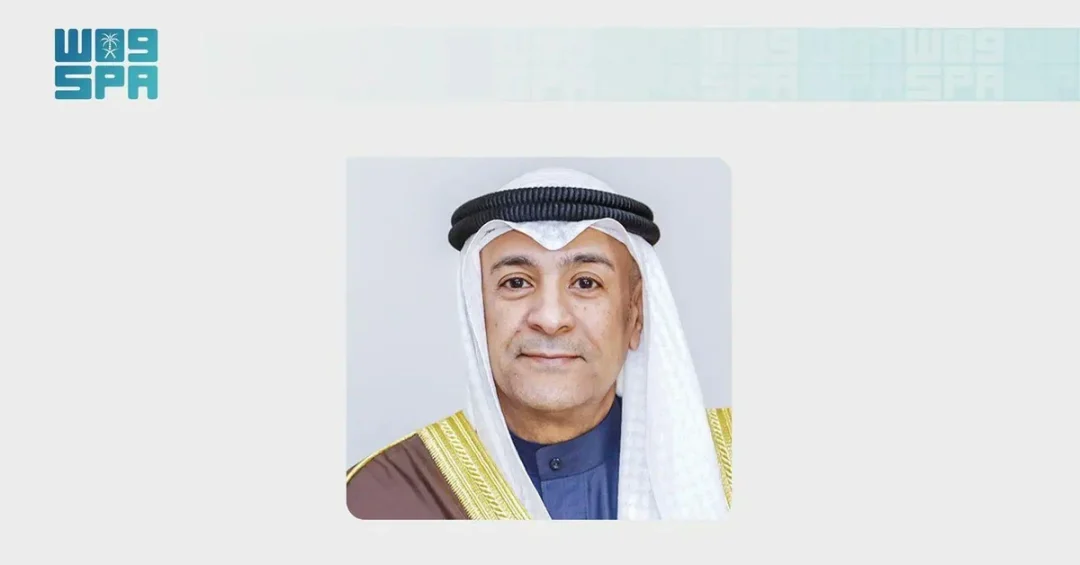
GCC Secretary-General Jasem Albudaiwi underscored that economic integration between the Gulf Cooperation Council and ASEAN represents a strategic pillar for bolstering investment flows and building partnerships that support mutual growth and prosperity, speaking during a dialogue session in Doha on Sunday. The remarks came at the ASEAN dialogue session on regional integration and its link to investment, held on the sidelines of the 9th World Investment Forum (WIF 2026) in Doha, Qatar, in the presence of several ministers and officials from both regions.
Albudaiwi’s address placed the GCC’s development journey within a wider global context, framing regional integration not merely as a mechanism for expanding markets but as a strategic necessity in an era of geopolitical uncertainty, reshaping supply chains, and shifting international investment patterns. Could there be a more consequential moment for the Gulf and Southeast Asia to deepen their economic ties? His message was clear: the GCC, guided by the wise visions and sound directives of its leaders, has built an economic base robust enough to serve as a global hub for trade, investment, energy, and logistics, and it now stands ready to translate that strength into cross-regional partnerships.
Context and Background
The dialogue session in Doha formed part of the 9th World Investment Forum, a major international gathering that brings together policymakers, investors, and business leaders to examine the future of global investment. Within that setting, the GCC-ASEAN relationship was presented as a model of how regional blocs can cooperate to boost economic competitiveness and open new horizons for investment. Albudaiwi noted that the global economy is undergoing profound, rapid transformations driven by geopolitical uncertainty, which underscores the importance of regional integration as a strategic choice that goes beyond expanding markets to build economies that are more resilient, competitive, and capable of attracting investment and confronting global challenges.
The foundation for this deepening relationship was laid at the two GCC-ASEAN summits, held in Riyadh in 2023 and Kuala Lumpur in 2025. According to the Secretary-General, those summits established a solid platform for strengthening ties between the two sides. He affirmed that the next phase requires moving from shared consensus and vision to expanding investment flows, deepening supply-chain integration, and building productive partnerships that deliver economic value for both regions. How does a relationship move from diplomatic declarations to tangible economic outcomes? Albudaiwi’s answer was practical: by advancing cooperation in advanced manufacturing, digital transformation, clean energy, logistics, and investment facilitation, and by continuing discussions on the possibility of concluding a Free Trade Agreement between the GCC and ASEAN.
Key Details
Albudaiwi provided concrete economic indicators to illustrate the weight of the GCC on the international stage. The economies of the GCC states today represent an influential economic force, with a total GDP of approximately $2.4 trillion and a volume of merchandise trade approaching $1.8 trillion. “These indicators reflect the robustness of the Gulf economic base and the promising capabilities and investment opportunities possessed by the GCC states,” he highlighted. The figures underscore a transformation that has been decades in the making, rooted in the Customs Union and the Gulf Common Market, which have bolstered economic interconnectedness among member states and solidified the GCC’s position as a global hub for trade, investment, energy, and logistics.
He further explained that integration between the GCC and ASEAN is based on mutual economic advantages. The GCC states bring investment capabilities, energy sector resources, and advanced infrastructure, while ASEAN countries offer industrial networks, dynamic markets, and interconnected production chains. This complementarity, he argued, offers an exemplary model of how regional cooperation can boost economic competitiveness. The Secretary-General stressed the importance of advancing practical cooperation in advanced manufacturing, digital transformation, clean energy, logistics, and investment facilitation. In addition, ongoing discussions on a Free Trade Agreement would help remove barriers to trade and investment flows and open broader avenues for the private sector to capitalize on available economic opportunities.
Albudaiwi concluded his participation by outlining an ambitious vision for the future. He underlined that the GCC and ASEAN’s shared ambition should transcend the boundaries of traditional cooperation to build a more interconnected and integrated economic space. “In this space, the gains of regional integration would transform into cross-regional investments, mutual economic advantages into sustainable productive partnerships, and political commitments into tangible economic opportunities that reflect positively on the economic growth and prosperity of the peoples in both regions,” he remarked. What would such an integrated economic space mean for businesses and investors across both regions? It would mean reduced barriers, expanded market access, and a more predictable environment for long-term capital deployment.
International and Regional Impact
The strategic significance of GCC-ASEAN economic integration extends well beyond the two regions. Together, the GCC and ASEAN represent a substantial share of global trade, energy supply, and manufacturing capacity. A closer partnership would create new corridors for investment and trade that could reshape supply chains at a time when global commerce is being reconfigured by geopolitical and technological shifts. For international investors, the prospect of a Free Trade Agreement between the two blocs signals a commitment to removing barriers and creating a more seamless business environment. The GCC’s strategic location linking Asia, Europe, and Africa, combined with ASEAN’s position at the heart of the Indo-Pacific, positions the partnership as a bridge between two of the world’s most dynamic economic zones.
Regional implications are equally profound. For the GCC, deeper ties with ASEAN support diversification efforts and open new markets for non-oil exports, aligning with the economic transformation agendas of member states. For ASEAN, the GCC offers access to capital, energy resources, and infrastructure expertise that can fuel industrial growth. The dialogue session in Doha, held in the presence of ministers and officials, demonstrated the political will on both sides to move from vision to implementation. Albudaiwi’s emphasis on practical cooperation in advanced manufacturing, digital transformation, clean energy, and logistics reflects a shared recognition that the next phase of growth will be driven by knowledge-intensive and sustainable sectors. How quickly can these ambitions be translated into agreements and projects? The ongoing FTA discussions and the momentum from the Riyadh and Kuala Lumpur summits suggest that the groundwork is already being laid.
Economic and Strategic Significance
The economic weight of the GCC, as outlined by Albudaiwi, provides a strong foundation for cross-regional integration. A combined GDP of approximately $2.4 trillion and merchandise trade approaching $1.8 trillion make the GCC a formidable economic bloc. These indicators are not merely statistical; they represent the accumulated results of decades of investment in infrastructure, human capital, and economic diversification. The Customs Union and the Gulf Common Market have created a integrated market that allows businesses to operate across borders with greater ease, while the free movement of goods, services, and capital within the GCC has strengthened its appeal as an investment destination. By linking this integrated market with ASEAN’s dynamic economies, the two regions can create a combined economic space that offers scale, resilience, and opportunity.
Strategically, the partnership aligns with the long-term economic visions of both regions. For Saudi Arabia and its GCC partners, Vision 2030 and similar national strategies emphasize diversification away from oil dependence, the growth of the private sector, and the expansion of non-oil exports. ASEAN markets, with their growing middle classes and industrial capabilities, offer natural destinations for Gulf products and investment. Conversely, Gulf capital and energy resources can support ASEAN’s infrastructure and energy transition needs. The proposed Free Trade Agreement would institutionalize these complementarities, providing a rules-based framework that reduces risk and encourages long-term investment. Albudaiwi’s call to move from consensus to concrete outcomes reflects an understanding that the global economy rewards those who act decisively to build resilient and interconnected economic spaces.
Vision 2030 Alignment
The GCC-ASEAN economic integration agenda aligns closely with Saudi Arabia’s Vision 2030, which seeks to transform the Kingdom into a diversified, investment-driven economy and a pivotal hub connecting three continents. Under the leadership of the Custodian of the Two Holy Mosques and His Royal Highness the Crown Prince, Saudi Arabia has pursued an ambitious program of economic and social reform that has enhanced its attractiveness as an investment destination and strengthened its role in regional and global affairs. The Kingdom’s support for deeper GCC integration, including the Customs Union and the Gulf Common Market, reflects its belief that collective action amplifies individual national progress. By championing ties with ASEAN, Saudi Arabia is helping to build a broader economic architecture that supports the flow of goods, capital, and ideas across regions.
Looking ahead, the vision articulated by Secretary-General Albudaiwi in Doha points to a future in which the GCC and ASEAN form a more interconnected and integrated economic space. In this space, the gains of regional integration would transform into cross-regional investments, mutual economic advantages into sustainable productive partnerships, and political commitments into tangible economic opportunities that reflect positively on the economic growth and prosperity of the peoples in both regions. For Saudi Arabia, this vision reinforces its position as a global hub for trade, investment, energy, and logistics, and as a leader in shaping a more prosperous and cooperative international order. As the Kingdom continues its journey toward Vision 2030, its engagement with ASEAN and the wider world will remain a cornerstone of its strategy for sustainable growth and global engagement.
20 Questions
Q1. What did GCC Secretary-General Jasem Albudaiwi say about GCC-ASEAN economic integration?
A1. He underscored that economic integration between the GCC and ASEAN represents a strategic pillar for bolstering investment flows and building partnerships that support mutual growth and prosperity, speaking during a dialogue session in Doha.
Q2. Where and when did Albudaiwi make these remarks?
A2. He made the remarks during the ASEAN dialogue session on regional integration and its link to investment, held in Doha, Qatar, on Sunday on the sidelines of the 9th World Investment Forum (WIF 2026).
Q3. What is the total GDP of the GCC states according to Albudaiwi?
A3. The economies of the GCC states today represent an influential economic force with a total GDP of approximately $2.4 trillion, reflecting the robustness of the Gulf economic base and its promising capabilities.
Q4. What is the volume of merchandise trade for the GCC states?
A4. The volume of merchandise trade for the GCC states is approaching $1.8 trillion, according to the figures cited by Secretary-General Albudaiwi during his address in Doha.
Q5. What global challenges did Albudaiwi mention as driving the need for regional integration?
A5. He noted that the global economy is undergoing profound transformations driven by geopolitical uncertainty, reshaping supply chains, and shifting international investment patterns, underscoring integration as a strategic choice.
Q6. What are the two GCC-ASEAN summits that laid the foundation for stronger ties?
A6. The two GCC-ASEAN summits were held in Riyadh in 2023 and Kuala Lumpur in 2025, establishing a solid foundation for strengthening ties between the two sides.
Q7. What sectors did Albudaiwi identify for practical cooperation between the GCC and ASEAN?
A7. He stressed advancing cooperation in advanced manufacturing, digital transformation, clean energy, logistics, and investment facilitation, in addition to ongoing discussions on a Free Trade Agreement.
Q8. What is the status of the proposed Free Trade Agreement between the GCC and ASEAN?
A8. Albudaiwi mentioned ongoing discussions on the possibility of concluding a Free Trade Agreement, which would help remove barriers to trade and investment flows and open broader avenues for the private sector.
Q9. How does Albudaiwi describe the economic complementarity between the GCC and ASEAN?
A9. He said integration is based on mutual economic advantages, combining the GCC’s investment capabilities, energy resources, and advanced infrastructure with ASEAN’s industrial networks, dynamic markets, and interconnected production chains.
Q10. What did Albudaiwi say about the GCC’s development journey?
A10. He said economic integration has formed one of the fundamental pillars of the development journey in the GCC states, thanks to the wise visions and sound directives of the leaders of the GCC states.
Q11. What achievements did Albudaiwi highlight regarding the GCC’s internal integration?
A11. He highlighted advanced strides on the track of the Customs Union and the Gulf Common Market, and in bolstering economic interconnectedness, solidifying the GCC’s position as a global hub for trade, investment, energy, and logistics.
Q12. What did Albudaiwi say about the next phase of GCC-ASEAN relations?
A12. He affirmed that the next phase requires moving from shared consensus and vision to expanding investment flows, deepening supply-chain integration, and building productive partnerships that deliver economic value for both sides.
Q13. What is the vision Albudaiwi outlined for the future of GCC-ASEAN cooperation?
A13. He underlined that the shared ambition should transcend traditional cooperation to build a more interconnected and integrated economic space, transforming gains into cross-regional investments and sustainable productive partnerships.
Q14. How does the GCC-ASEAN partnership align with Saudi Arabia’s Vision 2030?
A14. The partnership supports diversification, non-oil export growth, and investment flows, aligning with Vision 2030’s goals to transform Saudi Arabia into a diversified, investment-driven economy and a global hub.
Q15. What role do the GCC states play in the global economy according to Albudaiwi?
A15. He said the GCC states represent an influential economic force on the international stage, with a robust economic base, promising capabilities, and significant investment opportunities that attract global attention.
Q16. What is the significance of the World Investment Forum for the GCC-ASEAN dialogue?
A16. The 9th World Investment Forum in Doha provided a global platform for the ASEAN dialogue session, bringing together ministers and officials to discuss regional integration and its link to investment.
Q17. What does Albudaiwi mean by moving from political commitments to tangible economic opportunities?
A17. He means translating agreements and visions into concrete projects, investments, and partnerships that deliver measurable economic benefits and prosperity to the peoples of both regions.
Q18. How can the private sector benefit from GCC-ASEAN economic integration?
A18. The private sector can capitalize on available economic opportunities through reduced trade barriers, expanded market access, and a more predictable investment environment fostered by closer integration and a potential FTA.
Q19. What are the key pillars of the GCC’s economic strategy mentioned by Albudaiwi?
A19. The key pillars include the Customs Union, the Gulf Common Market, economic interconnectedness, and positioning the GCC as a global hub for trade, investment, energy, and logistics.
Q20. What is the overarching goal of GCC-ASEAN economic integration?
A20. The overarching goal is to build a more interconnected and integrated economic space that transforms regional integration gains into cross-regional investments and sustainable partnerships, fostering growth and prosperity for both regions.
Reader Feedback
We value your thoughts. Please share your feedback on this article.
Your feedback helps us improve our coverage.