


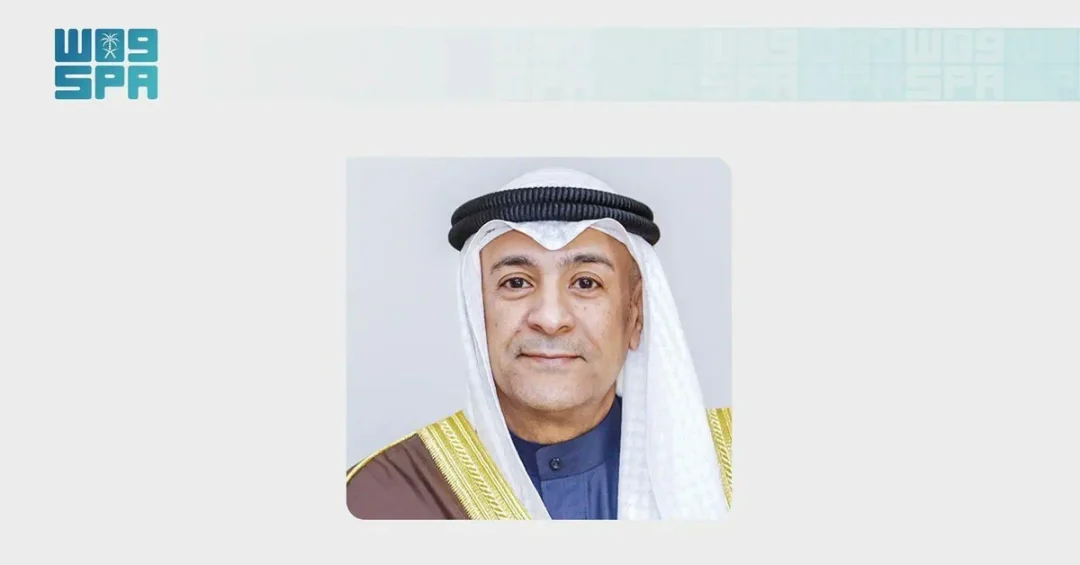
Gulf Cooperation Council (GCC) Secretary-General Jasem Albudaiwi affirmed that GCC economies have demonstrated strong resilience against global economic shocks and geopolitical shifts, supported by solid fundamentals, substantial financial reserves, robust banking sectors, and prudent fiscal management. The remarks were delivered during a meeting of finance ministers and central bank governors from the Middle East, North Africa, Afghanistan, and Pakistan (MENAP) region with International Monetary Fund (IMF) Managing Director Kristalina Georgieva, held on the sidelines of the 2026 IMF and World Bank Group Annual Meetings in Bangkok, according to the Saudi Press Agency (SPA). The meeting underscored the growing recognition of the Gulf’s stabilizing role in a volatile global economy. Albudaiwi’s address highlighted how GCC nations continue to anchor regional financial stability while advancing ambitious diversification agendas. The timing of the meeting, amid shifting geopolitical currents and evolving energy markets, lent added weight to the discussions. It also reinforced the GCC’s commitment to multilateral engagement and long-term economic planning. The Secretary-General’s participation signals the Gulf’s proactive stance in shaping global financial dialogues and fostering partnerships that extend beyond traditional boundaries.
The IMF-World Bank Group Annual Meetings serve as a premier platform for global economic policymakers to assess risks, coordinate responses, and chart future strategies. This year’s gathering in Bangkok brought together a diverse set of stakeholders, reflecting the interconnected nature of today’s economic challenges. For the GCC, the meeting provided an opportunity to showcase its economic achievements and outline its vision for sustained growth. Albudaiwi’s presence underscored the Council’s dedication to international cooperation and its role as a reliable partner in addressing shared economic priorities. The discussions also highlighted the importance of regional integration and the need for diversified partnerships to navigate an increasingly complex global landscape. As the global economy faces headwinds from geopolitical tensions and supply chain disruptions, the Gulf’s experience and insights are increasingly sought after by international institutions and policymakers alike.
Context and Background
How did the GCC emerge as a pillar of economic stability in a region often associated with volatility? The Gulf Cooperation Council, established in 1981, comprises six Arab states—Bahrain, Kuwait, Oman, Qatar, Saudi Arabia, and the United Arab Emirates—that have collectively pursued economic diversification and integration. Over the decades, the GCC has evolved into a formidable economic bloc, leveraging its energy resources and strategic location to foster prosperity. The region’s financial reserves, accumulated through hydrocarbon exports, have provided a cushion against external shocks. In recent years, GCC member states have accelerated efforts to diversify their economies away from oil dependence, investing heavily in technology, tourism, logistics, and renewable energy. These initiatives are aligned with long-term national visions, such as Saudi Arabia’s Vision 2030, which aims to transform the Kingdom into a diversified, innovation-driven economy. The GCC’s collective GDP now ranks among the world’s largest, and its sovereign wealth funds are major players in global markets. This economic weight translates into diplomatic influence, enabling the GCC to engage with international partners on equal footing. The Secretary-General’s remarks at the IMF meeting thus reflect a broader trajectory of the Gulf’s rise as a global economic player.
The MENAP region, which includes the GCC, faces unique challenges, from political transitions to water scarcity and youth unemployment. Yet, the GCC’s stability stands in contrast to some of its neighbors, offering a model of prudent fiscal management and strategic investment. Albudaiwi’s emphasis on resilience comes at a time when global economic institutions are grappling with slow growth, inflationary pressures, and the fallout from conflicts. The IMF has repeatedly highlighted the need for countries to build buffers and implement reforms to withstand shocks. In this context, the GCC’s experience is instructive. The region’s banking sectors are well-capitalized, and its fiscal frameworks have been strengthened through measures such as value-added tax and subsidy reforms. Moreover, GCC countries have been proactive in addressing climate change, with several announcing net-zero targets and investing in green hydrogen and solar energy. These efforts not only enhance sustainability but also open new avenues for international cooperation. The meeting with IMF Managing Director Kristalina Georgieva thus served as a platform to exchange views on these pressing issues and to explore synergies between the GCC and the broader MENAP region.
Key Details
What specific factors underpin the GCC’s economic resilience, and how do they translate into tangible outcomes? In his address, Albudaiwi pointed to recent geopolitical developments that have impacted global energy production, maritime shipping, and trade flows, demonstrating the close link between Gulf stability and broader global economic security. He noted that disruptions along key energy corridors and trade routes inevitably reverberate across international markets. This observation is particularly pertinent given the ongoing tensions in the Red Sea and the Strait of Hormuz, which are vital chokepoints for global oil shipments. The GCC’s ability to maintain stability in these areas is crucial for global energy security. Albudaiwi affirmed that the GCC economies possess the capacity to sustain recovery and growth through 2027 and beyond, propelled by strategic investments and non-oil diversification. He emphasized the necessity of balancing short-term economic responses with long-term fiscal sustainability, maintaining adequate buffers to mitigate future market volatility. This dual approach—addressing immediate needs while safeguarding future stability—is a hallmark of the GCC’s economic philosophy. The Secretary-General also highlighted future growth sectors, including advanced industries, digital infrastructure, artificial intelligence, and human capital development. These sectors are central to the region’s diversification strategies and are expected to drive productivity and innovation. Furthermore, he stressed the importance of empowering the private sector to expand its role in global value chains, a move that would enhance competitiveness and create jobs for the region’s growing youth population.
The meeting with IMF Managing Director Kristalina Georgieva allowed for a candid exchange on the challenges and opportunities facing the MENAP region. Georgieva has consistently praised the GCC’s economic stewardship and its contributions to global financial stability. In previous forums, she has noted that Gulf countries are well-positioned to lead in the post-pandemic recovery, thanks to their strong fundamentals and proactive policies. The discussions in Bangkok likely covered topics such as debt sustainability, inflation, and the impact of monetary tightening in advanced economies. For the GCC, these are manageable concerns, given their low debt levels and substantial reserves. However, the region remains vigilant about external risks, including fluctuations in oil prices and global demand. Albudaiwi’s call for diversifying international partnerships resonates with the GCC’s broader foreign policy objectives. By forging new alliances and deepening existing ones, the GCC aims to reduce reliance on any single market or region. This strategy is evident in the GCC’s expanding ties with Asian economies, particularly China and India, as well as its engagement with Europe and Africa. The Secretary-General’s remarks thus reflect a forward-looking approach that seeks to transform challenges into opportunities.
International and Regional Impact
How does the GCC’s economic resilience influence global markets and regional dynamics? The GCC’s stability is a linchpin for global energy security. As the world’s largest exporter of crude oil and a major producer of natural gas, the region’s ability to maintain uninterrupted supply is critical for international markets. Any disruption in the Gulf can send shockwaves through the global economy, as evidenced by past conflicts and tensions. Albudaiwi’s emphasis on the link between Gulf stability and global economic security underscores this reality. Moreover, the GCC’s financial reserves and sovereign wealth funds are major sources of global investment. From infrastructure projects in Asia to technology startups in Silicon Valley, Gulf capital is a driving force. This financial clout gives the GCC significant influence in international economic governance. The region’s active participation in forums like the IMF and World Bank ensures that its voice is heard in shaping global economic policies. Additionally, the GCC’s model of economic diversification offers a template for other resource-rich countries seeking to reduce their dependence on commodities. By sharing its experiences, the GCC contributes to global development and stability.
At the regional level, the GCC’s stability contrasts with the challenges faced by some MENAP countries, such as Lebanon, Iraq, and Yemen. The GCC has provided financial assistance and investment to these neighbors, promoting economic recovery and integration. For instance, Saudi Arabia and the UAE have pledged billions in aid to Yemen and have supported reconstruction efforts in Iraq. These initiatives not only foster goodwill but also enhance regional security. Furthermore, the GCC’s economic integration agenda, which includes plans for a customs union and a common market, aims to create a seamless business environment that attracts foreign investment. Progress has been steady, though challenges remain in harmonizing regulations and policies. The Secretary-General’s call for advancing Gulf economic integration and upgrading logistical corridors is part of this broader effort. By improving connectivity, the GCC can boost intra-regional trade and position itself as a hub for global commerce. The meeting with IMF officials thus provided a platform to reaffirm these goals and to seek international support for regional integration projects.
Economic and Strategic Significance
What are the strategic implications of the GCC’s focus on diversified partnerships and economic integration? The GCC’s strategy of diversifying international partnerships is a direct response to a multipolar world. By cultivating ties with multiple global powers, the GCC avoids over-reliance on any single partner and maximizes its diplomatic and economic leverage. This approach is evident in the region’s engagements with the United States, China, Russia, and European nations, as well as its growing relationships with countries in Asia and Africa. For example, Saudi Arabia’s Vision 2030 includes expanding trade and investment links with Asia, particularly China and India, which are major consumers of Gulf energy. Similarly, the UAE has forged comprehensive economic partnerships with countries such as India and Israel. These partnerships extend beyond energy to include technology, healthcare, and renewable energy. The GCC’s ability to pivot between different partners enhances its resilience against geopolitical shocks. Albudaiwi’s remarks at the IMF meeting thus signal the GCC’s intent to continue this diversified approach, which is essential for long-term economic security.
Economic integration within the GCC is another strategic priority. The region has made significant strides in recent years, including the launch of a unified visa for tourists and the establishment of the GCC Payments Authority. These measures facilitate the movement of people, goods, and capital, creating a more integrated market. However, full integration requires further harmonization of legal and regulatory frameworks. The Secretary-General’s emphasis on upgrading logistical corridors—such as ports, railways, and digital networks—is critical for enhancing connectivity. Projects like the GCC railway network, which aims to link all six member states, will reduce transport costs and boost trade. Additionally, the development of special economic zones and free trade areas is attracting foreign investment. These initiatives are complemented by efforts to empower the private sector, which is seen as the engine of future growth. By creating a conducive environment for entrepreneurship and innovation, the GCC aims to generate jobs and reduce dependence on the public sector. The strategic significance of these efforts cannot be overstated: they are essential for maintaining social stability and economic prosperity in the decades ahead.
Vision 2030 Alignment
How does the GCC’s vision align with Saudi Arabia’s Vision 2030 and the broader goals of the region? Saudi Arabia’s Vision 2030, launched in 2016 by Crown Prince Mohammed bin Salman, is a comprehensive blueprint for transforming the Kingdom’s economy and society. It aims to diversify revenue sources, increase private sector participation, and enhance the quality of life for citizens. Many of the themes highlighted by Albudaiwi—such as advanced industries, digital infrastructure, and human capital development—are central to Vision 2030. The Kingdom has invested heavily in these areas, establishing giga-projects like NEOM, the Red Sea Project, and Qiddiya, which are set to become engines of growth. These projects not only create jobs but also attract foreign investment and showcase Saudi Arabia’s potential as a global destination. Moreover, Vision 2030 emphasizes the importance of international partnerships, which aligns with the GCC’s call for diversified alliances. Saudi Arabia has strengthened ties with countries around the world, signing agreements in energy, technology, and culture. The Kingdom’s presidency of the G20 in 2020 further demonstrated its ability to lead on the global stage. Thus, the GCC’s economic agenda and Saudi Vision 2030 are mutually reinforcing, driving progress across the region.
Looking ahead, the GCC’s commitment to resilience and integration will be crucial for navigating an uncertain global landscape. The Secretary-General’s remarks at the IMF MENAP meeting serve as a reminder that the Gulf is not merely a participant in the global economy but a shaper of its future. By maintaining prudent fiscal policies, investing in future sectors, and building bridges with international partners, the GCC is positioning itself as a beacon of stability and prosperity. For Saudi Arabia, this means continued progress toward Vision 2030 goals, with the Kingdom playing a leading role in regional and global affairs. The road ahead may be fraught with challenges, but the GCC’s track record suggests it is well-equipped to meet them. As Albudaiwi concluded, long-term resilience requires advancing Gulf economic integration, upgrading logistical corridors, and diversifying international partnerships to transform ongoing global challenges into sustainable economic opportunities. This vision, shared by all GCC member states, promises a future of shared prosperity and global influence.
20 Questions
Q1. What event did GCC Secretary-General Jasem Albudaiwi attend in Bangkok?
A1. He attended a meeting of finance ministers and central bank governors from the MENAP region with IMF Managing Director Kristalina Georgieva, on the sidelines of the 2026 IMF and World Bank Group Annual Meetings.
Q2. What did Albudaiwi say about GCC economies’ resilience?
A2. He stated that GCC economies have demonstrated strong resilience against global economic shocks and geopolitical shifts, supported by solid fundamentals, substantial financial reserves, robust banking sectors, and prudent fiscal management.
Q3. Which sectors did Albudaiwi identify as future growth drivers?
A3. He cited advanced industries, digital infrastructure, artificial intelligence, and human capital development, along with empowering the private sector to expand its role in global value chains.
Q4. How did Albudaiwi link Gulf stability to global economic security?
A4. He noted that recent geopolitical developments have impacted global energy production, maritime shipping, and trade flows, demonstrating the close link between Gulf stability and broader global economic security.
Q5. What capacity did Albudaiwi say GCC economies possess?
A5. He affirmed that GCC economies possess the capacity to sustain recovery and growth through 2027 and beyond, propelled by strategic investments and non-oil diversification.
Q6. What balance did Albudaiwi emphasize for economic policy?
A6. He emphasized the necessity of balancing short-term economic responses with long-term fiscal sustainability, maintaining adequate buffers to mitigate future market volatility.
Q7. What did Albudaiwi say about long-term resilience?
A7. He stressed that long-term resilience requires advancing Gulf economic integration, upgrading logistical corridors, and diversifying international partnerships to transform global challenges into sustainable opportunities.
Q8. What is the MENAP region?
A8. MENAP stands for the Middle East, North Africa, Afghanistan, and Pakistan region, which includes the GCC states and other countries facing similar economic challenges and opportunities.
Q9. Who is Kristalina Georgieva?
A9. Kristalina Georgieva is the Managing Director of the International Monetary Fund (IMF), a key global financial institution that promotes monetary cooperation and financial stability.
Q10. Why are the IMF and World Bank Group Annual Meetings significant?
A10. They bring together global economic policymakers to assess risks, coordinate responses, and chart future strategies, making them a premier platform for international economic dialogue.
Q11. How does the GCC’s stability benefit global energy markets?
A11. As a major energy exporter, the GCC’s stability ensures uninterrupted supply, which is critical for global energy security and prevents price shocks that could harm the world economy.
Q12. What are some examples of GCC economic diversification efforts?
A12. Examples include Saudi Arabia’s Vision 2030, NEOM, the Red Sea Project, and investments in technology, tourism, renewable energy, and advanced industries across the Gulf.
Q13. How does the GCC support regional neighbors?
A13. The GCC provides financial assistance and investment to countries like Yemen and Iraq, promoting economic recovery, reconstruction, and regional integration.
Q14. What is the GCC’s approach to international partnerships?
A14. The GCC diversifies partnerships with multiple global powers, including the US, China, Russia, and European nations, as well as Asian and African countries, to maximize leverage and resilience.
Q15. What is the significance of upgrading logistical corridors?
A15. Upgrading logistical corridors, such as ports and railways, enhances connectivity, reduces transport costs, boosts intra-regional trade, and positions the GCC as a global commerce hub.
Q16. How does Saudi Vision 2030 align with the GCC’s economic agenda?
A16. Vision 2030’s focus on diversification, private sector growth, and international partnerships mirrors the GCC’s goals, reinforcing regional efforts to transform challenges into opportunities.
Q17. What role does the private sector play in the GCC’s future?
A17. The private sector is seen as an engine of growth, innovation, and job creation, and the GCC aims to empower it to expand its role in global value chains.
Q18. What are the main risks to GCC economies?
A18. Risks include geopolitical tensions, oil price volatility, global demand fluctuations, and potential disruptions in energy corridors and trade routes.
Q19. How does the GCC engage with the IMF?
A19. The GCC actively participates in IMF meetings and dialogues, sharing its experiences and contributing to global economic policy discussions, while benefiting from IMF analysis and advice.
Q20. What is the outlook for GCC economies through 2027?
A20. Albudaiwi affirmed that GCC economies can sustain recovery and growth through 2027 and beyond, driven by strategic investments, non-oil diversification, and prudent fiscal management.
Reader Feedback
We value your thoughts. Please share your feedback on this article.
Your feedback helps us improve our coverage.