


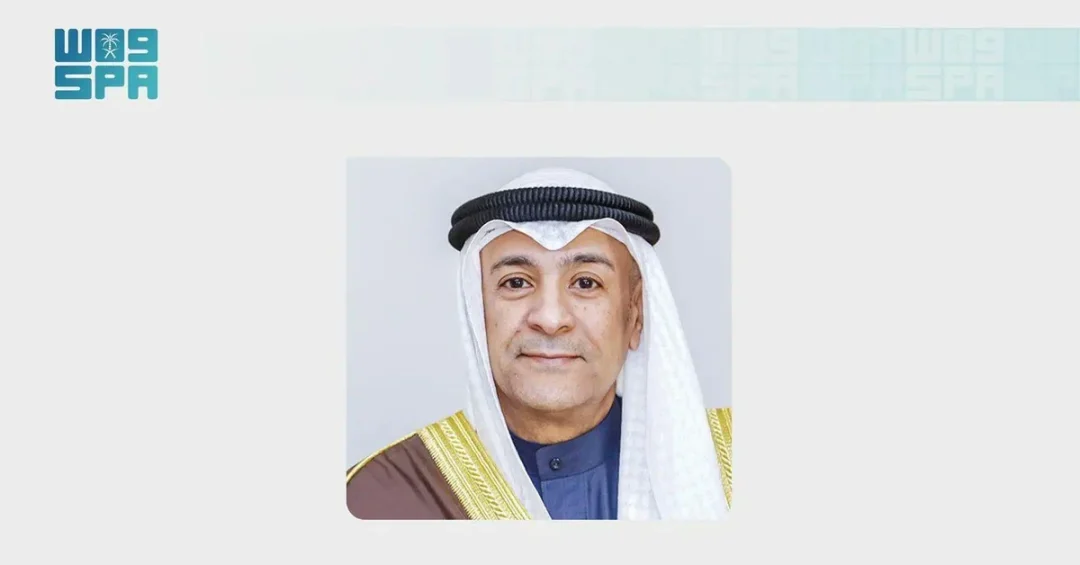
Gulf Cooperation Council (GCC) Secretary-General Jasem Albudaiwi affirmed on October 14, 2026, that expanding economic relations between GCC member states and China reflect deep shared interests and promising opportunities, underscoring a mutual ambition to build an integrated financial and banking partnership that translates dialogue into actionable initiatives. The statement was delivered during the Joint Meeting of GCC Central Bank Governors with the Governor of the People’s Bank of China, held in Bangkok on the sidelines of the 2026 Annual Meetings of the International Monetary Fund and the World Bank Group. The high-level gathering brought together monetary authorities from Bahrain, Kuwait, Oman, Qatar, Saudi Arabia, and the United Arab Emirates alongside their Chinese counterparts, marking another milestone in a relationship that has steadily deepened since the launch of the joint GCC-China dialogue in September 2021. The meeting reflects a shared recognition that in an era of accelerating global transformations, cooperation between monetary authorities is not merely beneficial but essential for building resilient financial systems.
Why does this moment matter for the global economy? The answer lies in the scale and strategic weight of both blocs. The GCC represents one of the world’s most dynamic economic regions, with a combined GDP exceeding $2 trillion and sovereign wealth funds that rank among the largest globally. China, as the world’s second-largest economy and a leading trading partner for all GCC states, brings unmatched manufacturing capacity, technological innovation, and capital markets depth. When these two economic powerhouses align their financial architectures, the implications extend far beyond bilateral trade. They touch on the future of cross-border payments, the evolution of financial technology standards, and the very architecture of international monetary cooperation. Albudaiwi’s remarks signal that this relationship is moving from aspiration to institutionalization.
Context and Background
How did the GCC-China financial dialogue evolve to this point? The partnership’s formal financial track began in September 2021, when GCC and Chinese officials launched a structured joint dialogue aimed at deepening economic and monetary cooperation. That initial framework has since produced a series of specialized workshops, technical exchanges, and high-level meetings designed to align regulatory approaches and explore new avenues for collaboration. A landmark moment came in February 2025 with the AlUla meeting, hosted in Saudi Arabia’s historic northwestern city, which significantly broadened bilateral financial engagement and set the stage for more ambitious integration goals. The AlUla gathering was notable not only for its outcomes but for its symbolism: a setting that reflects Saudi Arabia’s growing role as a convening power for global economic dialogue.
What makes this trajectory particularly significant is the broader geopolitical and economic backdrop. Since 2021, the global financial landscape has been reshaped by supply chain realignments, inflationary pressures, technological disruption, and shifting energy dynamics. For GCC states, China has become an indispensable partner: it is the largest trading partner for Saudi Arabia, the UAE, and several other GCC members, and a major investor in everything from petrochemicals to logistics and renewable energy. For China, the GCC offers not only energy security but also access to fast-growing consumer markets, strategic infrastructure, and a gateway to Africa and Europe. The financial dimension of this relationship—once a secondary consideration—has now become central to how both sides envision their economic futures.
Albudaiwi’s remarks in Bangkok also reflect a broader institutional maturity. The GCC General Secretariat, under his leadership, has increasingly positioned itself as a facilitator of collective action among member states, ensuring that bilateral initiatives between individual GCC countries and China are complemented by a unified regional approach. This dual-track strategy—bilateral engagement reinforced by multilateral coordination—has become a hallmark of GCC diplomacy in the financial sphere. It allows smaller GCC economies to benefit from the collective bargaining power of the bloc while preserving the flexibility of sovereign decision-making.
Key Details
What specific areas of cooperation did the Secretary-General outline? Albudaiwi emphasized that future collaboration extends well beyond knowledge exchange to encompass the construction of an integrated framework focused on three interconnected pillars. The first pillar involves advancing cross-border payment and settlement mechanisms, a priority that speaks directly to the growing volume of trade and investment flows between the GCC and China. By reducing transaction costs, enhancing speed, and improving transparency, such mechanisms could unlock significant efficiency gains for businesses on both sides. The second pillar centers on expanding joint investments, particularly in sectors aligned with Vision 2030 and China’s own development priorities, including renewable energy, technology, infrastructure, and advanced manufacturing.
The third pillar focuses on deepening cooperation in financial technology, innovation, and cybersecurity. This is a recognition that the future of finance is digital, and that both the GCC and China are racing to build ecosystems that can support digital currencies, blockchain-based settlements, and AI-driven financial services. Cybersecurity is a natural companion to this agenda, as the increasing digitization of financial infrastructure creates new vulnerabilities that require coordinated defense. Albudaiwi’s framing suggests that these three pillars are not independent tracks but mutually reinforcing components of a single strategic vision: a financial architecture that is resilient, inclusive, and forward-looking.
Equally important was his emphasis on implementation. Albudaiwi stressed the need to move from dialogue to execution through clear implementation priorities and follow-up mechanisms. He reiterated the GCC General Secretariat’s readiness to facilitate continuous institutional coordination, ensuring that commitments made at high-level meetings translate into tangible outcomes on the ground. This focus on execution reflects a lesson learned from many international dialogues that generate goodwill but little concrete progress. By establishing follow-up mechanisms, the GCC and China are signaling that this partnership is built for the long term and will be measured by results, not rhetoric.
International and Regional Impact
How will this evolving financial partnership shape the broader regional and global landscape? For the Middle East, the GCC-China financial integration carries significant implications for trade patterns, investment flows, and monetary cooperation. As cross-border payment mechanisms improve, regional businesses—particularly small and medium-sized enterprises—could gain easier access to Chinese markets and supply chains. This, in turn, could accelerate the diversification of GCC economies away from hydrocarbon dependence, a core objective of Saudi Vision 2030 and similar strategies across the region. Improved financial connectivity also strengthens the GCC’s position as a hub for Chinese investment in the wider Middle East and North Africa, creating opportunities for technology transfer, job creation, and skills development.
At the global level, the deepening GCC-China financial relationship reflects a broader trend toward a multipolar economic order in which regional blocs play an increasingly active role in shaping international financial norms. The joint meeting in Bangkok, held alongside the IMF and World Bank annual meetings, was a deliberate statement that the GCC and China intend to engage with—and contribute to—the global financial architecture, not stand apart from it. This is not about disengagement from existing institutions but about adding new layers of cooperation that reflect the realities of a changing world. For international observers, the message is clear: the GCC is not merely a participant in global finance but an increasingly influential shaper of its future direction.
Economic and Strategic Significance
What makes this financial partnership economically and strategically significant for the GCC? The numbers tell part of the story. China is already the largest trading partner for Saudi Arabia, the UAE, and several other GCC states, with two-way trade exceeding hundreds of billions of dollars annually. Chinese investment in the GCC has grown rapidly, spanning petrochemicals, logistics, renewable energy, and digital infrastructure. Yet the financial dimension of this relationship has lagged behind the trade and investment reality. The initiatives discussed in Bangkok aim to close that gap by creating the payment systems, investment frameworks, and regulatory harmonization needed to support deeper economic integration. This is about building the plumbing that allows capital, goods, and services to flow more efficiently.
Strategically, the partnership aligns with the GCC’s long-standing goal of diversifying its international relationships and reducing dependence on any single market or currency system. For Saudi Arabia, which holds the GCC’s largest economy and is pursuing Vision 2030 with remarkable determination, closer financial ties with China complement rather than compete with its relationships with Western economies. The Kingdom has consistently advocated for a balanced foreign policy that engages all major powers, and the GCC-China financial dialogue is a practical expression of that approach. It also positions the GCC as a bridge between East and West, a role that enhances its diplomatic influence and economic resilience. By building an integrated financial framework with China, the GCC is investing in a future where its economic interests are protected by a diversified network of partnerships.
Vision 2030 Alignment
How does this development connect to Saudi Arabia’s Vision 2030 and the Kingdom’s broader aspirations? Vision 2030 is fundamentally about transformation: diversifying the economy, empowering the private sector, and positioning Saudi Arabia as a global investment and logistics hub. The GCC-China financial partnership directly supports these objectives by expanding market access for Saudi businesses, attracting Chinese investment into non-oil sectors, and fostering the technological innovation that underpins the Kingdom’s digital economy ambitions. The emphasis on financial technology and cybersecurity, in particular, resonates with Saudi Arabia’s efforts to build a world-class fintech ecosystem, as evidenced by the rapid growth of its own digital banking and payment sectors. When GCC central bank governors sit down with the Governor of the People’s Bank of China, they are not just discussing technical matters; they are laying the groundwork for the next phase of economic modernization.
Looking ahead, the Bangkok meeting is best understood not as an endpoint but as a waypoint on a longer journey. The GCC General Secretariat’s commitment to continuous institutional coordination ensures that the momentum generated by this gathering will be sustained through follow-up meetings, technical workshops, and joint initiatives. For Saudi Arabia, which has consistently championed regional cooperation as a cornerstone of its foreign and economic policy, this is a welcome development. It reinforces the Kingdom’s role as a stabilizing and forward-looking force in the region and beyond. As the global economy continues to evolve, the GCC-China financial partnership stands as a model of how regional blocs and major powers can work together to build a more resilient, inclusive, and prosperous future. The road from dialogue to execution is never easy, but with clear priorities and strong political will, the GCC and China are well-positioned to turn shared interests into shared prosperity.
20 Questions
Q1. What did GCC Secretary-General Jasem Albudaiwi affirm on October 14, 2026?
A1. He affirmed that expanding economic relations between GCC member states and China reflect deep shared interests and promising opportunities, highlighting a mutual ambition to establish an integrated financial and banking partnership that translates dialogue into actionable initiatives.
Q2. Where was the Joint Meeting of GCC Central Bank Governors with the Governor of the People’s Bank of China held?
A2. The meeting was held in Bangkok, Thailand, on the sidelines of the 2026 Annual Meetings of the International Monetary Fund and the World Bank Group.
Q3. When did the joint GCC-China financial dialogue officially launch?
A3. The joint dialogue was launched in September 2021, marking the beginning of a structured framework for financial and economic cooperation between the GCC and China.
Q4. What was the significance of the AlUla meeting in February 2025?
A4. The AlUla meeting, hosted in Saudi Arabia, broadened bilateral financial engagement between the GCC and China and set the stage for more ambitious integration goals.
Q5. What are the three main pillars of future GCC-China financial cooperation?
A5. The pillars are advancing cross-border payment and settlement mechanisms, expanding joint investments, and deepening cooperation in financial technology, innovation, and cybersecurity.
Q6. Why is cross-border payment and settlement cooperation important for the GCC and China?
A6. It can reduce transaction costs, enhance speed, improve transparency, and unlock significant efficiency gains for businesses engaged in trade and investment between the two regions.
Q7. How does the GCC-China financial partnership support economic diversification?
A7. By improving financial connectivity and investment flows, it helps GCC economies reduce hydrocarbon dependence and accelerate diversification, aligning with Saudi Vision 2030 and similar regional strategies.
Q8. What did Albudaiwi emphasize about moving from dialogue to execution?
A8. He stressed the importance of clear implementation priorities and follow-up mechanisms, reiterating the GCC General Secretariat’s readiness to facilitate continuous institutional coordination to achieve shared objectives.
Q9. Which GCC member states participate in this financial dialogue?
A9. The GCC member states are Bahrain, Kuwait, Oman, Qatar, Saudi Arabia, and the United Arab Emirates, all of which were represented at the Bangkok meeting.
Q10. Why is China a key economic partner for the GCC?
A10. China is the largest trading partner for Saudi Arabia, the UAE, and several other GCC states, and a major investor in petrochemicals, logistics, renewable energy, and digital infrastructure.
Q11. What role does the GCC General Secretariat play in this partnership?
A11. It facilitates collective action among member states, ensures continuous institutional coordination, and helps translate high-level commitments into tangible outcomes on the ground.
Q12. How does the partnership address cybersecurity concerns?
A12. It includes deepening cooperation in cybersecurity as part of the financial technology pillar, recognizing that digitized financial infrastructure requires coordinated defense against new vulnerabilities.
Q13. What is the strategic significance of the Bangkok meeting’s timing?
A13. Holding the meeting alongside the IMF and World Bank annual meetings signals that the GCC and China intend to engage with and contribute to the global financial architecture.
Q14. How does this partnership benefit small and medium-sized enterprises?
A14. Improved cross-border payment mechanisms can give SMEs easier access to Chinese markets and supply chains, fostering growth and integration into global trade networks.
Q15. What is the combined GDP of the GCC region?
A15. The GCC represents one of the world’s most dynamic economic regions, with a combined GDP exceeding $2 trillion and sovereign wealth funds among the largest globally.
Q16. How does the GCC-China financial dialogue align with Saudi Vision 2030?
A16. It supports Vision 2030 by expanding market access, attracting Chinese investment into non-oil sectors, and fostering technological innovation for the Kingdom’s digital economy.
Q17. What does Albudaiwi say about global transformations and monetary cooperation?
A17. He noted that accelerating global transformations and geopolitical, economic, and technological challenges highlight the necessity of strengthening cooperation between monetary authorities to build resilient financial systems.
Q18. What types of specialized events have been held since the dialogue’s launch?
A18. The dialogue has included specialized workshops, technical exchanges, and high-level meetings designed to align regulatory approaches and explore new avenues for collaboration.
Q19. How does this partnership position the GCC in the global economy?
A19. It positions the GCC as a bridge between East and West, enhances its diplomatic influence, and reinforces its role as an increasingly influential shaper of global financial norms.
Q20. What is the ultimate goal of the GCC-China financial partnership?
A20. The goal is to build an integrated financial framework that is resilient, inclusive, and forward-looking, turning shared interests into shared prosperity for both regions.
Reader Feedback
We value your thoughts. Please share your feedback on this article.
Your feedback helps us improve our coverage.