


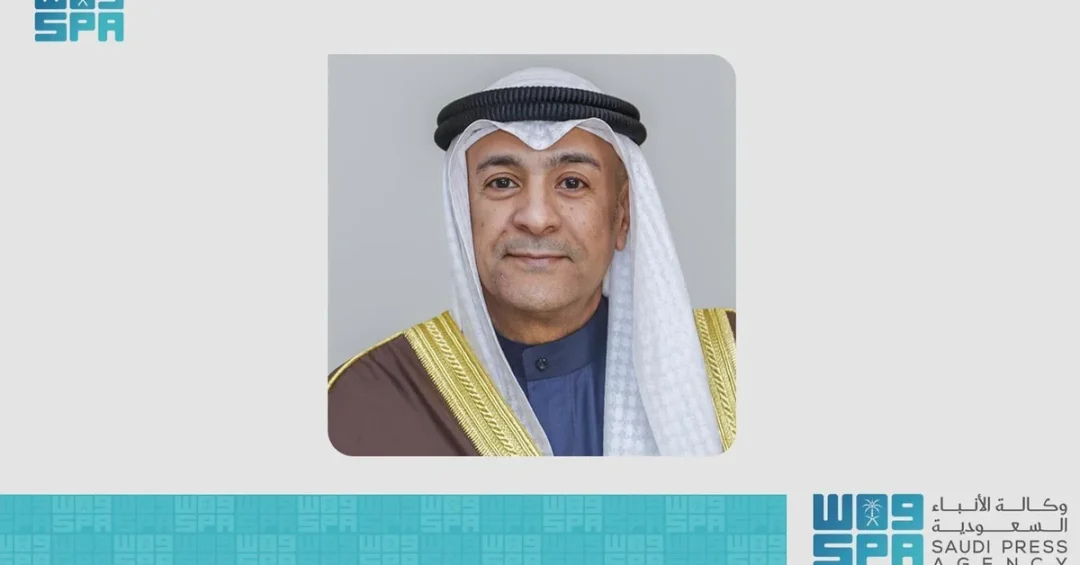
Gulf Cooperation Council (GCC) Secretary General Jasem Albudaiwi emphasized the significant progress being made in fostering cooperation and integration across various sectors among GCC member states. This advancement is part of ongoing efforts to achieve Gulf economic unity and enhance the region’s status as a global financial and economic hub, as stated by the GCC General Secretariat.
Context and Background
The GCC, comprising six member states, has been actively working towards economic and developmental integration. The recent 84th meeting of the Committee of GCC Governors of Central Banks, held in Kuwait, highlighted these efforts. Kuwait Central Bank Governor Basel Ahmed Al Haroon chaired the session, underscoring the collaborative spirit among member states.
Key Details
Albudaiwi pointed out that the GCC countries collectively rank eleventh globally in terms of GDP, amounting to $2.1 trillion in 2023. This represents approximately 60.3% of the Arab GDP. Additionally, the total foreign direct investment in the GCC reached $649 billion by the end of 2023, accounting for 30.7% of the GCC GDP.
Implications and Impact
The GCC’s economic indicators demonstrate its robust position in the global economy. With sovereign wealth fund assets estimated at $4.4 trillion and capital markets accounting for 4.3% of global market capitalization, the GCC is a significant player on the international stage. These achievements reflect the region’s ability to navigate global economic challenges effectively.
Vision 2030 Alignment
The GCC’s advancements align with Saudi Arabia’s Vision 2030, which aims to diversify the economy and reduce dependence on oil. By fostering economic unity and enhancing global competitiveness, the GCC contributes to the broader goals of regional stability and prosperity.
20 Questions
Q1. What is the GCC?
A1. The Gulf Cooperation Council (GCC) is a regional political and economic union comprising six Middle Eastern countries: Saudi Arabia, Kuwait, the United Arab Emirates, Qatar, Bahrain, and Oman.
Q2. Who is Jasem Albudaiwi?
A2. Jasem Albudaiwi is the Secretary General of the Gulf Cooperation Council (GCC), responsible for overseeing the organization’s activities and initiatives.
Q3. What was the purpose of the 84th meeting of the Committee of GCC Governors of Central Banks?
A3. The meeting aimed to discuss and advance economic and developmental projects among GCC member states, focusing on achieving Gulf economic unity.
Q4. Who chaired the 84th meeting of the Committee of GCC Governors of Central Banks?
A4. Kuwait Central Bank Governor Basel Ahmed Al Haroon chaired the meeting.
Q5. What is the GDP of the GCC member states collectively?
A5. The collective GDP of the GCC member states is $2.1 trillion, ranking eleventh globally.
Q6. What percentage of the Arab GDP does the GCC contribute?
A6. The GCC contributes approximately 60.3% of the Arab GDP.
Q7. What is the total foreign direct investment in the GCC?
A7. The total foreign direct investment in the GCC reached $649 billion by the end of 2023.
Q8. What percentage of the GCC GDP does foreign direct investment represent?
A8. Foreign direct investment represents about 30.7% of the GCC GDP.
Q9. What are the assets of GCC sovereign wealth funds?
A9. The assets of GCC sovereign wealth funds are estimated at $4.4 trillion.
Q10. What percentage of the top 100 sovereign wealth funds globally do GCC sovereign wealth funds represent?
A10. GCC sovereign wealth funds represent over 34% of the total assets of the top 100 sovereign wealth funds globally.
Q11. What is the market capitalization of GCC capital markets?
A11. GCC capital markets account for 4.3% of the total market capitalization of global capital markets.
Q12. How do GCC capital markets rank globally?
A12. GCC capital markets rank seventh worldwide in terms of market capitalization size.
Q13. What is the total bank deposits in GCC commercial banks?
A13. The total bank deposits in GCC commercial banks reached about $1,905 billion by the end of 2023.
Q14. What was the growth rate of bank deposits in GCC commercial banks?
A14. Bank deposits in GCC commercial banks grew by 8.1% compared to the end of 2022.
Q15. What are the total foreign reserve assets in the GCC?
A15. The total foreign reserve assets in the GCC reached approximately $747 billion by the end of 2023.
Q16. What was the growth rate of foreign reserve assets in the GCC?
A16. Foreign reserve assets in the GCC grew by 4.4% compared to the previous year.
Q17. How does the GCC’s economic performance compare to the G20 average?
A17. The GCC’s foreign direct investment as a percentage of GDP (30.7%) is higher than the G20 average of 32.9%.
Q18. What challenges does the GCC face?
A18. The GCC faces challenges arising from global economic trends and political crises, which impact the economies of member states due to their openness to the world.
Q19. How has the GCC navigated these challenges?
A19. The GCC has navigated these challenges through wise policies that have helped member states overcome hardships and dangers.
Q20. How does the GCC’s progress align with Saudi Arabia’s Vision 2030?
A20. The GCC’s progress aligns with Saudi Arabia’s Vision 2030 by fostering economic unity, enhancing global competitiveness, and contributing to regional stability and prosperity.
Reader Feedback
We value your thoughts. Please share your feedback on this article.
Your feedback helps us improve our coverage.