


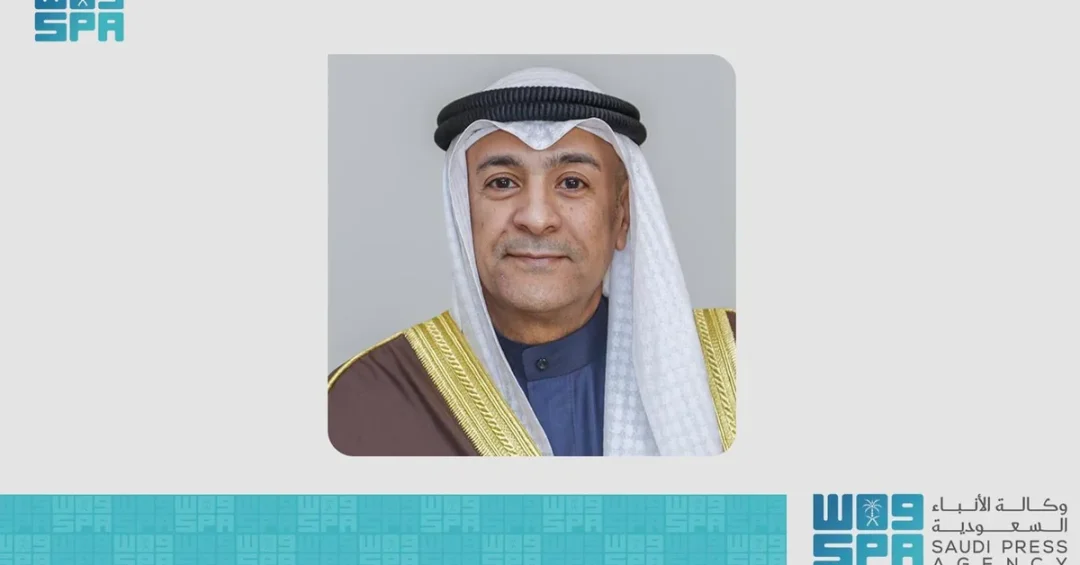
Riyadh, May 30, 2024 — The Secretary General of the Gulf Cooperation Council (GCC), Jasem Mohamed Albudaiwi, stated that the Financial and Economic Cooperation Committee plays a major and important role in enhancing cooperation and joint integration among the GCC countries in financial and economic fields. The statement was made during the 121st meeting of the Committee, held in Doha, Qatar, under the chairmanship of Qatar’s Minister of Finance, Ali bin Ahmed Al Kuwari, whose country holds the current session presidency. The meeting brought together finance and economic affairs ministers from all GCC member states to discuss key topics aimed at deepening financial and economic ties.
Context and Background
The GCC Financial and Economic Cooperation Committee is a pivotal body that coordinates financial and economic policies among the six member states: Saudi Arabia, the United Arab Emirates, Qatar, Kuwait, Bahrain, and Oman. Its regular meetings serve as a platform to review recommendations from specialized committees, including the GCC Central Bank Governors Committee, the GCC Customs Union Authority, and the Gulf Common Market Committee. These efforts are part of a broader strategy to achieve economic integration and sustainable development across the region.
In his address, Albudaiwi expressed gratitude to Sheikh Tamim bin Hamad Al Thani, the Amir of Qatar and President of the current session of the Supreme Council, for Qatar’s diligent efforts in supporting joint GCC work. He emphasized that the GCC countries have made significant strides in economic, industrial, innovation, and artificial intelligence sectors, representing a qualitative shift that opens promising investment opportunities.
Key Details
Albudaiwi highlighted the GCC’s substantial potential, including its ambitious youth population and natural resources such as oil and gas, and its orientation toward a sustainable and diversified economy that supports the private sector and empowers young people. This aligns with the directives of GCC leaders to strengthen the foundations of the GCC economic structure on solid principles.
He also cited positive economic forecasts: the World Bank expects the GCC economies to grow by 3.6% in 2024 and 3.7% in 2025, outperforming major global markets. The International Monetary Fund (IMF) anticipates that the total general government surplus of the GCC countries will reach 3% of GDP this year. Despite global economic challenges such as weak growth, high interest rates, and geopolitical risks, the World Bank confirmed that non-oil sectors will lead economic growth in the GCC, underscoring the success of diversification efforts.
The Secretary General pointed out the GCC countries’ commitment to implementing structural reforms that enhance economic growth and attract investments. They are also working to create an economic and investment climate that supports business, alongside government initiatives and tax policies that encourage entrepreneurs and investors. During the meeting, committee members discussed various topics related to enhancing financial and economic cooperation, reviewing recommendations from the central bank governors, customs union, and common market committees, as well as the results of G20 initiatives in the financial track.
Implications and Impact
The outcomes of this meeting are expected to further strengthen the GCC’s economic integration, fostering a more unified and resilient regional economy. By aligning policies and sharing best practices, the GCC countries can better navigate global economic uncertainties and capitalize on emerging opportunities in sectors like technology, innovation, and sustainable energy. This cooperation also reinforces the GCC’s position as a key player in the global economy, attracting foreign investment and enhancing trade flows.
For Saudi Arabia, as the largest GCC economy, these developments are particularly significant. The Kingdom’s Vision 2030 reform agenda, which aims to diversify the economy away from oil dependence, is closely tied to regional integration efforts. Enhanced cooperation within the GCC supports Saudi Arabia’s goals of increasing non-oil revenues, boosting the private sector, and creating jobs for its young population.
Vision 2030 Alignment
The GCC’s focus on economic diversification, innovation, and private sector empowerment mirrors the objectives of Saudi Vision 2030. As the GCC moves toward greater integration, Saudi Arabia continues to play a leading role in driving regional prosperity and stability. The Kingdom’s commitment to structural reforms and investment-friendly policies, in line with Vision 2030, not only benefits its own citizens but also contributes to the collective strength of the GCC. This meeting reaffirms the shared vision of GCC leaders to build a sustainable, diversified, and globally competitive economy for future generations.
20 Questions
Q1. What is the Financial and Economic Cooperation Committee of the GCC?
A1. It is a committee comprising finance and economic ministers from GCC countries that coordinates financial and economic policies to enhance integration and cooperation among member states.
Q2. Who is the Secretary General of the GCC?
A2. Jasem Mohamed Albudaiwi is the Secretary General of the Gulf Cooperation Council, responsible for overseeing the organization’s activities and promoting joint cooperation.
Q3. When and where was the 121st meeting held?
A3. The 121st meeting took place on May 30, 2024, in Doha, Qatar, under the chairmanship of Qatar’s Minister of Finance, Ali bin Ahmed Al Kuwari.
Q4. What did Albudaiwi say about the committee’s role?
A4. He stated that the committee plays a major and important role in elevating cooperation and joint integration among GCC countries in financial and economic fields.
Q5. Which countries are members of the GCC?
A5. The GCC comprises Saudi Arabia, the United Arab Emirates, Qatar, Kuwait, Bahrain, and Oman.
Q6. What economic forecasts were mentioned?
A6. The World Bank expects GCC economies to grow by 3.6% in 2024 and 3.7% in 2025, and the IMF projects a general government surplus of 3% of GDP.
Q7. What topics were discussed at the meeting?
A7. Topics included recommendations from the GCC Central Bank Governors Committee, the GCC Customs Union Authority, and the Gulf Common Market Committee, as well as G20 financial initiatives.
Q8. How does the GCC support innovation and AI?
A8. The GCC countries have expanded in economic, industrial, innovation, and artificial intelligence aspects, creating promising investment opportunities.
Q9. What is the significance of the non-oil sector?
A9. The World Bank confirmed that non-oil sectors will lead economic growth in the GCC, highlighting successful diversification efforts.
Q10. What structural reforms are GCC countries implementing?
A10. They are implementing reforms to enhance economic growth, attract investments, and create a business-friendly climate with supportive tax policies.
Q11. How does this meeting benefit Saudi Arabia?
A11. It supports Saudi Arabia’s Vision 2030 goals by promoting regional integration, economic diversification, and private sector growth.
Q12. What is the role of the GCC Customs Union Authority?
A12. It oversees the customs union to facilitate trade among member states by harmonizing customs procedures and eliminating trade barriers.
Q13. What is the Gulf Common Market Committee?
A13. It works to establish a common market that allows free movement of goods, services, capital, and labor among GCC countries.
Q14. What did Albudaiwi express to Qatar’s Amir?
A14. He expressed gratitude for Qatar’s efforts in enhancing the GCC’s journey and for its support of joint GCC work.
Q15. How do GCC countries view their youth?
A15. They view their young population as a great potential and are committed to empowering youth through economic diversification and private sector support.
Q16. What are the G20 initiatives in the financial track?
A16. These are global financial initiatives discussed at the G20, which the GCC reviews to align its financial policies with international best practices.
Q17. What is the current session presidency of the GCC?
A17. Qatar holds the current session presidency of the GCC Supreme Council, with its Minister of Finance chairing the Financial and Economic Cooperation Committee.
Q18. How does the GCC attract foreign investment?
A18. By creating an economic and investment climate that supports business, implementing structural reforms, and offering tax policies that encourage entrepreneurs and investors.
Q19. What is the expected GDP growth for GCC in 2025?
A19. The World Bank expects the GCC economy to grow by 3.7% in 2025, continuing to outperform major global markets.
Q20. How does this cooperation align with Saudi Vision 2030?
A20. It aligns by promoting economic diversification, enhancing non-oil revenues, and fostering regional integration, all of which are key objectives of Saudi Vision 2030.
Reader Feedback
We value your thoughts. Please share your feedback on this article.
Your feedback helps us improve our coverage.