


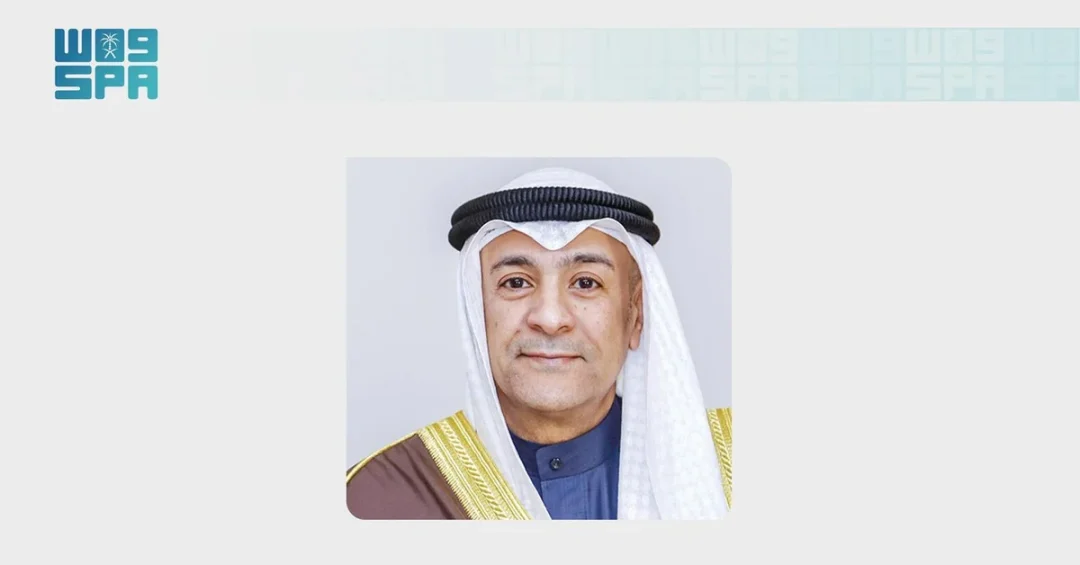
Secretary-General of the Gulf Cooperation Council (GCC) Jasem Mohamed Albudaiwi met with General Manager of the Bank for International Settlements (BIS) Pablo Hernández de Cos in Bangkok on October 13, 2026, on the sidelines of the 2026 Annual Meetings of the International Monetary Fund and the World Bank Group. The high-level meeting, reported by the Saudi Press Agency (SPA), brought together two pivotal figures in regional and global finance to review economic issues of common interest, underscoring the GCC’s growing role in international monetary affairs and its commitment to deepening engagement with leading global financial institutions.
The encounter took place during one of the most significant gatherings on the global economic calendar, where finance ministers, central bank governors, and international financial leaders convene to assess the state of the world economy. For the GCC, whose member states include the Kingdom of Saudi Arabia, the United Arab Emirates, Qatar, Kuwait, Bahrain, and Oman, participation in such forums reflects a strategic priority: ensuring that the region’s voice is heard in the shaping of global financial policy. The meeting between Albudaiwi and Hernández de Cos signals a shared interest in strengthening the dialogue between the Gulf’s economic bloc and the Basel-based institution often described as the central bank of central banks.
Context and Background
Why does a meeting between the head of a regional political and economic union and the leader of an international financial institution matter to the wider world? The Gulf Cooperation Council, established in 1981, has evolved far beyond its original security and political mandate. Today it represents a combined economy of well over a trillion dollars, home to some of the world’s largest sovereign wealth funds, major energy exporters, and increasingly sophisticated financial markets. Its member states are bound by shared economic interests and a collective ambition to diversify away from hydrocarbon dependence, a transformation that requires deep integration with global financial systems.
The Bank for International Settlements, founded in 1930 and headquartered in Basel, Switzerland, serves as a bank for central banks and a forum for international monetary cooperation. It hosts the Basel Committee on Banking Supervision, which sets global standards for bank capital and liquidity, and conducts research that informs policy across more than 60 member central banks. Its General Manager, Pablo Hernández de Cos, formerly Governor of the Bank of Spain, assumed the role in 2025 and has emphasized the importance of engaging emerging and regional economies in the BIS’s work.
The Bangkok meeting occurred on the margins of the IMF and World Bank Group Annual Meetings, an event that draws thousands of delegates and sets the tone for international economic cooperation in the year ahead. For the GCC Secretary-General, participation in these meetings is part of a broader strategy to position the Gulf as a proactive stakeholder in global economic governance, not merely a beneficiary of it. The discussion with the BIS General Manager thus represents a continuation of a dialogue that has been building over several years, as GCC institutions seek to align their regulatory frameworks with international best practices and to contribute to the design of global financial standards.
Key Details of the Meeting
According to the Saudi Press Agency, the two sides reviewed several economic issues of common interest. While the official readout did not enumerate specific agenda items, the context of the meeting suggests a range of topics pertinent to both the GCC and the BIS. These likely included the evolving global interest rate environment, the resilience of banking systems amid geopolitical tensions, the regulation of cross-border capital flows, and the opportunities and risks presented by digital currencies and fintech innovation. The GCC’s central banks are active members of the global regulatory community, and their cooperation with the BIS is essential for maintaining financial stability.
Jasem Mohamed Albudaiwi, who has served as GCC Secretary-General since 2023, has made economic diplomacy a hallmark of his tenure. A veteran Kuwaiti diplomat, he has consistently advocated for closer ties between the GCC and international organizations, emphasizing that the region’s economic weight should be matched by its influence in multilateral forums. His meeting with Hernández de Cos is a concrete example of that approach, placing the GCC at the table with an institution that shapes the rules of the global financial game.
Pablo Hernández de Cos brings a wealth of experience to his role, having led the Bank of Spain through a period of significant economic challenges and having chaired the Basel Committee’s oversight body. His engagement with the GCC reflects the BIS’s recognition of the Gulf’s importance as a source of capital, a hub for Islamic finance, and a testing ground for innovative financial technologies. The meeting in Bangkok thus served as a platform to explore how the BIS can support the GCC’s financial integration agenda and how the GCC can contribute its perspective to global policy discussions.
International and Regional Impact
What are the broader implications of this meeting for the Middle East and beyond? The GCC’s deepening relationship with the BIS comes at a time of profound shifts in the global financial architecture. Emerging markets are seeking greater representation in institutions that have historically been dominated by advanced economies. By engaging directly with the BIS leadership, the GCC is signaling its readiness to play a constructive role in shaping the rules that govern international finance, from capital adequacy standards to payment system innovation.
For the region, the meeting reinforces the message that the Gulf is a stable and reliable partner in a volatile world. The GCC’s central banks have demonstrated remarkable resilience in recent years, maintaining currency pegs, managing inflation, and adapting to rapid technological change. Their collaboration with the BIS enhances their capacity to anticipate and mitigate systemic risks. Moreover, the meeting underscores the GCC’s commitment to multilateralism at a time when some parts of the world are turning inward. By participating in the IMF and World Bank Annual Meetings and holding bilateral discussions with key institutions, the GCC is positioning itself as a bridge between developed and developing economies.
The encounter also has a symbolic dimension. The BIS is often seen as a club of the world’s most powerful central banks. The fact that its General Manager took the time to meet with the GCC Secretary-General in Bangkok demonstrates that the Gulf’s voice is not only heard but sought after. This recognition can bolster the GCC’s standing in other international forums, from the G20 to the Financial Stability Board, and can help attract further foreign investment by signaling that the region’s financial systems are aligned with global norms.
Economic and Strategic Significance
Why should global investors and policymakers pay attention to this seemingly routine diplomatic encounter? The GCC economies are undergoing a historic transformation. Saudi Arabia’s Vision 2030, the UAE’s Centennial 2071 plan, and similar strategies across the region aim to diversify revenue streams, develop non-oil sectors, and create knowledge-based economies. These ambitions require massive capital flows, sophisticated financial markets, and robust regulatory frameworks. Cooperation with the BIS supports all three by facilitating knowledge exchange, promoting best practices, and enhancing the credibility of the GCC’s financial infrastructure.
Furthermore, the meeting highlights the GCC’s role in addressing global challenges such as climate finance, sustainable development, and digital transformation. The BIS has been at the forefront of research into central bank digital currencies and green finance, areas where GCC states are also investing heavily. By aligning their efforts, the GCC and the BIS can accelerate the development of innovative financial solutions that benefit both the region and the world. The discussion in Bangkok may well lay the groundwork for future joint initiatives, technical assistance programs, or research collaborations.
From a strategic perspective, the meeting also reinforces the GCC’s position as a reliable partner for international institutions. In a world of increasing geopolitical competition, the Gulf’s ability to maintain strong ties with both Western and Asian powers is a valuable asset. The BIS, with its diverse membership and neutral Swiss base, is an ideal partner for the GCC’s brand of pragmatic, forward-looking diplomacy. The Bangkok meeting is therefore not just about economics; it is about building trust and mutual understanding at the highest levels of global finance.
Vision 2030 Alignment
How does this meeting connect to Saudi Arabia’s Vision 2030 and the broader aspirations of the GCC? Vision 2030, launched by Crown Prince Mohammed bin Salman in 2016, seeks to transform the Kingdom into a global investment powerhouse and a hub connecting three continents. A key pillar of the vision is the development of a diversified, resilient economy supported by a world-class financial sector. The Kingdom’s participation in the GCC delegation and its support for the Secretary-General’s engagement with the BIS are consistent with this goal. By strengthening ties with the BIS, the GCC helps ensure that Saudi Arabia and its neighbors have a say in the international standards that will govern banking, payments, and capital markets in the decades ahead.
Moreover, the meeting reflects the GCC’s collective commitment to the principles of transparency, stability, and innovation that underpin Vision 2030. The BIS’s expertise in financial stability and its convening power can help the GCC achieve its objectives more quickly and effectively. As the region continues to integrate its economies and open its markets, partnerships with institutions like the BIS will be essential. The Bangkok meeting is a small but meaningful step in a long journey toward a more prosperous, diversified, and globally connected Gulf. It demonstrates that the GCC is not waiting for the future; it is helping to shape it.
20 Questions
Q1. Who met in Bangkok on October 13, 2026?
A1. GCC Secretary-General Jasem Mohamed Albudaiwi met with BIS General Manager Pablo Hernández de Cos on the sidelines of the 2026 IMF and World Bank Group Annual Meetings, as reported by the Saudi Press Agency.
Q2. What is the Gulf Cooperation Council (GCC)?
A2. The GCC is a regional political and economic union of six Arab states: Saudi Arabia, UAE, Qatar, Kuwait, Bahrain, and Oman. Established in 1981, it promotes coordination and integration across economic, security, and cultural domains.
Q3. What is the Bank for International Settlements (BIS)?
A3. The BIS is an international financial institution owned by central banks, headquartered in Basel, Switzerland. It fosters monetary and financial cooperation, hosts the Basel Committee on Banking Supervision, and serves as a bank for central banks.
Q4. Why was the meeting held in Bangkok?
A4. The meeting took place on the sidelines of the 2026 Annual Meetings of the International Monetary Fund and the World Bank Group, which were held in Bangkok. These meetings bring together global financial leaders to discuss economic issues.
Q5. What topics were discussed at the meeting?
A5. According to the Saudi Press Agency, the two sides reviewed several economic issues of common interest. Specific topics were not disclosed, but likely included global financial stability, regulatory standards, and digital finance.
Q6. What is the significance of the GCC engaging with the BIS?
A6. The engagement signals the GCC’s growing role in global financial governance. It allows the region to contribute to international standard-setting and to benefit from the BIS’s expertise, supporting financial stability and integration.
Q7. Who is Jasem Mohamed Albudaiwi?
A7. Jasem Mohamed Albudaiwi is the Secretary-General of the Gulf Cooperation Council. A veteran Kuwaiti diplomat, he has served in the role since 2023 and has prioritized economic diplomacy and international cooperation.
Q8. Who is Pablo Hernández de Cos?
A8. Pablo Hernández de Cos is the General Manager of the Bank for International Settlements. He previously served as Governor of the Bank of Spain and has extensive experience in central banking and international financial regulation.
Q9. What are the IMF and World Bank Group Annual Meetings?
A9. These are annual gatherings of finance ministers, central bank governors, and private sector leaders to discuss global economic challenges, development goals, and financial policies. They are among the most important events on the international economic calendar.
Q10. How does this meeting benefit Saudi Arabia?
A10. Saudi Arabia, as a leading GCC member, benefits from enhanced cooperation with the BIS. This aligns with Vision 2030’s goal of developing a diversified economy and a robust financial sector integrated with global markets.
Q11. What is the BIS’s role in global finance?
A11. The BIS promotes monetary and financial stability, provides banking services to central banks, and hosts key standard-setting bodies like the Basel Committee. It also conducts research on monetary policy and financial innovation.
Q12. Does the GCC have a unified financial regulatory framework?
A12. The GCC does not have a single unified regulator, but its member states coordinate through the GCC Monetary Council and other bodies. They also participate in international forums like the BIS to align their practices with global standards.
Q13. What economic issues are of common interest to the GCC and BIS?
A13. Common interests include financial stability, cross-border capital flows, digital currencies, cybersecurity, and sustainable finance. Both parties seek to ensure that the global financial system remains resilient and inclusive.
Q14. How does the GCC contribute to global financial stability?
A14. The GCC contributes through its sovereign wealth funds, its role in energy markets, and its adherence to international regulatory standards. Its central banks cooperate with global institutions to mitigate risks and promote stability.
Q15. What is the Basel Committee on Banking Supervision?
A15. The Basel Committee, hosted by the BIS, sets global standards for bank capital, liquidity, and risk management. Its recommendations are adopted by regulators worldwide, including in the GCC, to ensure banking system resilience.
Q16. Will this meeting lead to concrete outcomes?
A16. While no specific outcomes were announced, such meetings often pave the way for future cooperation, technical assistance, and joint research. They strengthen relationships that can yield tangible benefits over time.
Q17. How does this meeting reflect Saudi Arabia’s Vision 2030?
A17. Vision 2030 aims to transform Saudi Arabia into a global investment hub with a diversified economy. Engagement with the BIS supports the development of a world-class financial sector and enhances the Kingdom’s international standing.
Q18. What is the GCC’s role in the global economy?
A18. The GCC represents a combined GDP of over a trillion dollars and is a major energy exporter and investor. It is increasingly influential in global finance, trade, and technology, and seeks to shape international economic policies.
Q19. What are the next steps after this meeting?
A19. The GCC and BIS are expected to continue their dialogue through regular consultations and participation in international forums. Future cooperation may focus on areas like fintech, sustainable finance, and regulatory capacity building.
Q20. Why is this meeting important for the international audience?
A20. It demonstrates the GCC’s proactive engagement in global financial governance and its commitment to stability and cooperation. For international observers, it signals the Gulf’s growing influence and its readiness to partner on global challenges.
Reader Feedback
We value your thoughts. Please share your feedback on this article.
Your feedback helps us improve our coverage.