


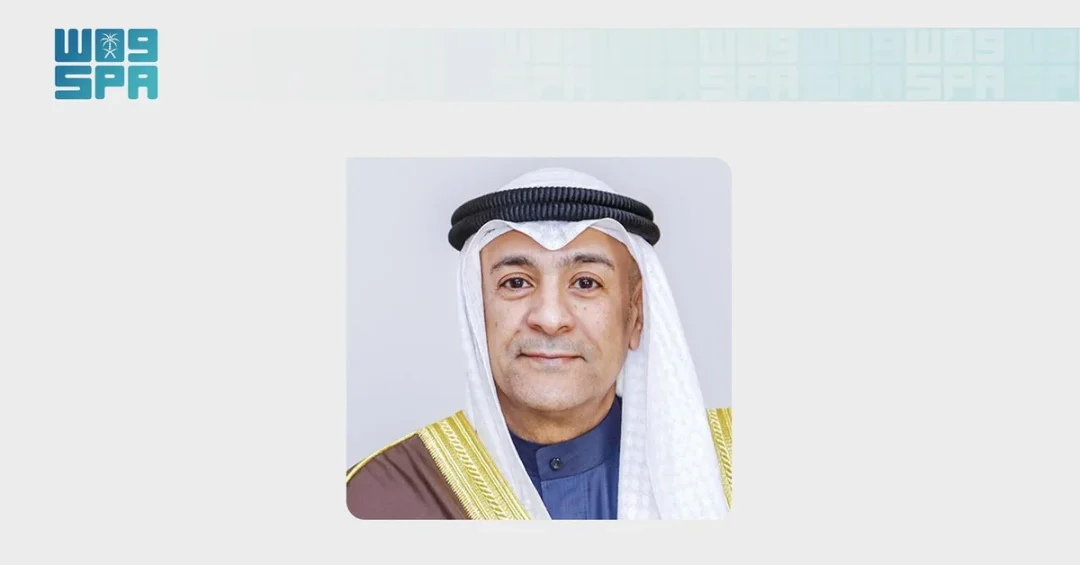
GCC Secretary-General Jasem Albudaiwi stated in London on Tuesday that relations between the Gulf Cooperation Council states and the United Kingdom rest on a long history of cooperation, trust, and shared interests, a foundation that has enabled both sides to build a distinguished economic and trade partnership. His remarks came during his opening speech at the GCC-UK Strategic Dialogue, held in the British capital in the presence of several ministers from both sides, alongside numerous officials, business leaders, and investors, according to the Saudi Press Agency.
The Strategic Dialogue serves as the principal platform for structured engagement between the six-member Gulf bloc and the United Kingdom, bringing together policymakers and private-sector leaders to advance a relationship that now spans trade, investment, energy, technology, and security. Albudaiwi’s address placed particular emphasis on the conclusion of negotiations for a GCC-UK Free Trade Agreement, which he described as a strategic step toward expanding trade, encouraging investment, and creating new opportunities for the private sector. The gathering in London underscored how far the relationship has moved beyond traditional energy ties toward a comprehensive economic partnership aligned with the development ambitions of both sides.
Context and Background
How did a relationship once defined largely by energy exports evolve into one of the most consequential economic partnerships in the world? The answer lies in decades of consistent engagement. The Gulf Cooperation Council, established in 1981 and comprising Saudi Arabia, the United Arab Emirates, Kuwait, Qatar, Bahrain, and Oman, has long maintained close diplomatic and commercial ties with the United Kingdom. Albudaiwi noted that these relations are founded on a long history of cooperation, trust, and shared interests, which has contributed to exploring and establishing a distinguished economic and trade partnership between the two sides.
The Strategic Dialogue format allows both sides to coordinate across a widening agenda. In his speech, the secretary-general explained that the foundations of the economic partnership bring together the ambitious development visions of the GCC states and the United Kingdom’s extensive expertise across a wide range of vital sectors. He stressed the importance of strengthening cooperation amid global economic transformations, geopolitical developments, and the challenges confronting trade, investment, and supply chains. This framing positions the dialogue not merely as a diplomatic courtesy but as a working mechanism for addressing shared economic priorities in a period of rapid global change.
The member states, Albudaiwi added, continue to advance toward achieving important goals in economic integration, diversifying productive bases, improving business environments, and empowering the private sector. These efforts reflect a broader regional shift toward knowledge-driven, diversified economies, with Saudi Arabia’s Vision 2030 serving as a leading example of how Gulf states are restructuring their economies for the post-oil era. The United Kingdom’s expertise in sectors such as financial services, education, advanced manufacturing, and clean technology complements these ambitions, creating natural synergies that both sides have sought to institutionalize through formal agreements.
Key Details
What do the latest figures reveal about the scale of this partnership? According to the secretary-general, the combined gross domestic product of the GCC states reached approximately $2.4 trillion, placing them collectively among the world’s ten largest economies. Total foreign trade of the GCC states exceeded $1.8 trillion, ranking them collectively fifth globally. These numbers underscore the bloc’s weight in international commerce and its attractiveness as a partner for major economies seeking reliable, long-term engagement.
Trade between the GCC states and the United Kingdom reached approximately $70 billion in 2025, making the GCC states collectively the UK’s tenth-largest trading partner. The total value of investment assets and liabilities between the UK and the GCC reached approximately $643 billion in 2024, reflecting the depth of economic and investment ties between both sides. Albudaiwi also highlighted efforts to strengthen cybersecurity and the digital economy, explaining that this transformation supports economic growth and enhanced global competitiveness for the GCC states.
On the Free Trade Agreement, the secretary-general stated that the conclusion of negotiations represents a strategic step toward expanding trade, encouraging investment, and creating new opportunities for the private sector. He noted that the conclusion of the FTA negotiations is the fruit of sustained joint efforts and intensive negotiations, and expressed his sincere appreciation to the negotiating teams from both sides and to all the institutions that contributed to this achievement. The agreement provides for the elimination of customs duties on more than 99 percent of GCC exports to the UK, opening broader horizons for increasing non-oil exports, particularly in the aluminum, fertilizer, and manufacturing sectors. It also creates opportunities for logistics and re-exports while enabling small and medium-sized enterprises to expand their operations and increase their access to the British market.
International and Regional Impact
Why does a GCC-UK trade agreement matter beyond the two regions? The deal arrives at a moment when global supply chains are being reconfigured and major economies are seeking diversified, resilient trading relationships. By removing tariffs on more than 99 percent of GCC exports to the UK, the agreement lowers costs for Gulf producers and gives British consumers and businesses broader access to competitive goods. For the GCC, it opens a gateway to one of Europe’s largest markets; for the UK, it deepens engagement with a region that ranks among the world’s top ten economies collectively.
Albudaiwi underlined that the benefits of the FTA extend beyond trade to lay a more robust foundation for long-term economic and investment partnerships. These partnerships cover, in particular, advanced manufacturing, the digital economy and artificial intelligence, clean energy, financial services, education, food security, and logistics. He stressed that these sectors support joint investment, technology and knowledge transfer, and the building of stronger productive capacities. The agreement therefore functions as a framework for collaboration in precisely the industries that will define the next phase of global economic competition.
Economic and Strategic Significance
What makes this moment strategically significant for both sides? The GCC’s combined GDP of approximately $2.4 trillion and foreign trade exceeding $1.8 trillion give the bloc substantial leverage in trade negotiations, while the UK gains a structured partnership with a region at the center of global energy, logistics, and investment flows. The $643 billion in investment assets and liabilities recorded in 2024 demonstrates that capital links already run deep, and the FTA provides an institutional architecture to expand them further.
The secretary-general’s emphasis on cybersecurity and the digital economy reflects a shared recognition that future growth will depend on secure, advanced digital infrastructure. For GCC states, particularly Saudi Arabia under Vision 2030, digital transformation is a core pillar of economic diversification. Partnering with the UK on artificial intelligence, financial services, and clean energy allows Gulf economies to accelerate technology and knowledge transfer while building stronger domestic productive capacities. The agreement also supports small and medium-sized enterprises, a sector that both sides view as essential for job creation and innovation.
Vision 2030 Alignment
How does the GCC-UK partnership connect to Saudi Arabia’s long-term national strategy? Vision 2030, launched under the leadership of Crown Prince Mohammed bin Salman, aims to diversify the Kingdom’s economy, expand non-oil exports, empower the private sector, and strengthen international partnerships. The FTA’s provisions on aluminum, fertilizers, and manufacturing directly support the growth of non-oil exports, while its focus on logistics and re-exports aligns with Saudi Arabia’s ambition to become a global logistics hub connecting three continents.
The sectors identified by the secretary-general, including advanced manufacturing, artificial intelligence, clean energy, financial services, education, food security, and logistics, mirror the priority areas of Vision 2030 and the broader economic integration agenda of the GCC. Saudi Arabia’s ongoing giga-projects and economic reforms have created an investment environment that international partners increasingly recognize. The GCC-UK Strategic Dialogue and the concluded Free Trade Agreement negotiations thus represent more than a trade deal; they form part of a wider effort to position the Gulf region as a central node in the global economy, with Saudi Arabia playing a leading role in shaping that future.
20 Questions
Q1. What did the GCC Secretary-General say about GCC-UK relations?
A1. Jasem Albudaiwi stated that relations between the GCC states and the United Kingdom are founded on a long history of cooperation, trust, and shared interests, which has helped establish a distinguished economic and trade partnership between the two sides.
Q2. Where and when did the GCC-UK Strategic Dialogue take place?
A2. The GCC-UK Strategic Dialogue was held on Tuesday in London, the British capital, with several ministers from both sides attending alongside numerous officials, business leaders, and investors, according to the Saudi Press Agency.
Q3. What is the combined GDP of the GCC states?
A3. According to Secretary-General Jasem Albudaiwi, the combined gross domestic product of the GCC states reached approximately $2.4 trillion, placing them collectively among the world’s ten largest economies.
Q4. How large is the GCC’s total foreign trade?
A4. The secretary-general stated that the total foreign trade of the GCC states exceeded $1.8 trillion, ranking them collectively fifth globally, which underscores the bloc’s weight in international commerce.
Q5. What was the trade volume between the GCC and the UK in 2025?
A5. The total trade volume between the GCC states and the United Kingdom reached approximately $70 billion in 2025, making the GCC states collectively the UK’s tenth-largest trading partner.
Q6. What is the value of investment assets between the UK and the GCC?
A6. The total value of investment assets and liabilities between the United Kingdom and the GCC reached approximately $643 billion in 2024, reflecting the depth of economic and investment ties between both sides.
Q7. What did Albudaiwi say about the GCC-UK Free Trade Agreement?
A7. He stated that the conclusion of negotiations on the GCC-UK Free Trade Agreement represents a strategic step toward expanding trade, encouraging investment, and creating new opportunities for the private sector.
Q8. What percentage of GCC exports to the UK will have customs duties eliminated?
A8. The agreement provides for the elimination of customs duties on more than 99 percent of GCC exports to the United Kingdom, opening broader horizons for increasing non-oil exports.
Q9. Which sectors will benefit most from the tariff elimination?
A9. The secretary-general highlighted aluminum, fertilizers, and manufacturing as sectors that will benefit, along with opportunities for logistics and re-exports and expanded access for small and medium-sized enterprises.
Q10. What sectors does the FTA cover beyond trade?
A10. The agreement covers advanced manufacturing, the digital economy and artificial intelligence, clean energy, financial services, education, food security, and logistics, supporting joint investment, technology transfer, and stronger productive capacities.
Q11. Why did Albudaiwi stress cooperation amid global challenges?
A11. He noted the importance of strengthening cooperation amid global economic transformations, geopolitical developments, and challenges confronting trade, investment, and supply chains, positioning the partnership as a stabilizing economic mechanism.
Q12. What goals are GCC member states pursuing economically?
A12. The member states continue to advance toward economic integration, diversifying productive bases, improving business environments, and empowering the private sector, according to the secretary-general’s remarks at the dialogue.
Q13. How does the GCC-UK partnership address cybersecurity?
A13. Albudaiwi highlighted efforts to strengthen cybersecurity and the digital economy, explaining that this transformation supports economic growth and enhanced global competitiveness for the GCC states.
Q14. Who did the secretary-general thank for the FTA achievement?
A14. He expressed sincere appreciation to the negotiating teams from both sides and to all the institutions that contributed to concluding the Free Trade Agreement negotiations successfully.
Q15. How does the FTA support small and medium-sized enterprises?
A15. The agreement enables small and medium-sized enterprises to expand their operations and increase their access to the British market, creating new commercial opportunities for private-sector growth across the Gulf region.
Q16. What does the FTA mean for non-oil exports?
A16. The elimination of customs duties on more than 99 percent of GCC exports opens broader horizons for increasing non-oil exports, particularly in aluminum, fertilizers, and manufacturing, advancing economic diversification goals.
Q17. How does this partnership align with Saudi Vision 2030?
A17. The FTA supports non-oil export growth, logistics, and private-sector empowerment, which are core objectives of Saudi Vision 2030, reinforcing the Kingdom’s drive to diversify its economy beyond hydrocarbons.
Q18. What role do business leaders play in the GCC-UK relationship?
A18. Numerous business leaders and investors attended the Strategic Dialogue, reflecting the private sector’s central role in translating government agreements into commercial partnerships, investment flows, and joint ventures.
Q19. Why is the GCC collectively important to the UK economy?
A19. The GCC states collectively rank as the UK’s tenth-largest trading partner, with approximately $70 billion in trade in 2025 and $643 billion in investment assets, making the bloc a major economic counterpart.
Q20. What is the outlook for GCC-UK economic ties?
A20. With FTA negotiations concluded and a strategic dialogue framework in place, both sides are positioned to deepen cooperation across trade, investment, technology, clean energy, and logistics, supporting long-term shared prosperity.
Reader Feedback
We value your thoughts. Please share your feedback on this article.
Your feedback helps us improve our coverage.