


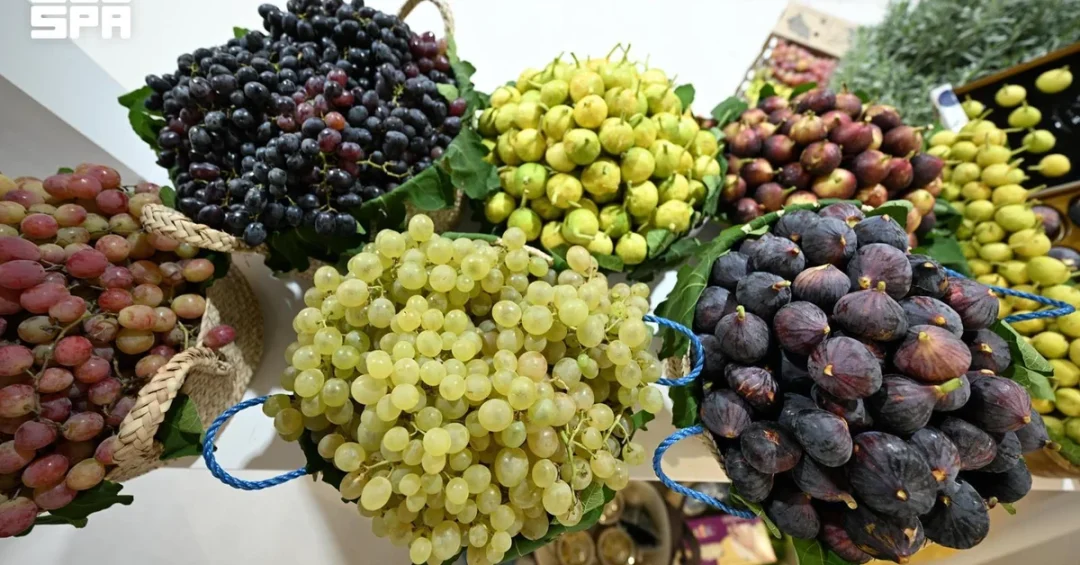
The Ministry of Environment, Water and Agriculture’s Hail branch concluded its seasonal agricultural products festival, held over recent days in the Hail region, with the participation of 25 local farmers showcasing a diverse range of seasonal produce. The event, reported by the Saudi Press Agency, was designed to highlight the region’s agricultural output, support farmers, and provide them with a direct platform to market their goods to consumers.
The festival forms part of a broader effort by the Ministry of Environment, Water and Agriculture to strengthen the Kingdom’s agricultural sector and capitalize on the natural advantages of regions such as Hail, long known for its fertile soil, favorable climate, and strong farming traditions. By bringing farmers face to face with consumers, the initiative reflects a practical approach to rural development that aligns with Saudi Arabia’s Vision 2030 goals of economic diversification and sustainable food production. The event also offered visitors an introduction to the production and marketing efforts of local farmers, creating a space where agriculture, commerce, and community meet. As the Kingdom continues to modernize its food systems, such regional festivals serve as vital links between producers and the market.
Context and Background
Why does a regional agricultural festival in Hail matter in the broader story of Saudi Arabia’s economic transformation? The answer lies in the Kingdom’s strategic push to enhance food security, support local producers, and diversify income sources beyond hydrocarbons. Hail, located in the north-central part of Saudi Arabia, has historically been one of the country’s most important agricultural regions, producing a wide variety of fruits, vegetables, and grains. Its seasonal climate and water resources make it particularly suited to high-quality produce that can serve both local and national markets.
The Ministry of Environment, Water and Agriculture has been actively working to develop the agricultural sector through targeted programs, including support for small and medium-sized farms, the promotion of modern irrigation techniques, and the organization of seasonal markets. The Hail festival is one such initiative, offering farmers a structured environment to sell directly to consumers without intermediaries, thereby improving their profit margins and encouraging continued investment in their land. According to the Saudi Press Agency, the event was part of the ministry branch’s efforts to support local farmers and producers, strengthen the region’s agricultural sector, and capitalize on Hail’s agricultural potential.
This localized approach is consistent with the national strategy, which recognizes that sustainable agricultural development must be rooted in regional strengths. By empowering farmers in Hail, the ministry is not only boosting local livelihoods but also contributing to the broader goals of the National Agriculture Strategy and the Kingdom’s food security objectives. The festival therefore represents more than a temporary market; it is a building block in a long-term plan to create a resilient, productive, and modern agricultural economy across Saudi Arabia.
Key Details
What exactly did the Hail festival offer to farmers and visitors? The event featured a diverse range of local seasonal agricultural products, with 25 farmers participating directly. These farmers were given the opportunity to present their produce and explain their production and marketing methods to the public. The festival served as a direct marketing platform, allowing farmers to reach consumers without the usual layers of distribution that can reduce their returns.
The timing of the festival, which concluded yesterday, reflects the seasonal nature of agriculture in Hail. Different crops mature at different times of the year, and the festival was designed to coincide with a period of peak harvest for several key products. This ensured that consumers could access fresh, locally grown items while farmers could capitalize on immediate demand. The event also provided an educational component, as visitors learned about the challenges and successes of local agriculture, fostering a greater appreciation for the work of farmers.
By focusing on seasonal products, the ministry branch highlighted the importance of consuming local produce, which reduces the carbon footprint associated with transportation and supports the local economy. The participation of 25 farmers may seem modest, but it represents a meaningful cross-section of the region’s agricultural community, and the lessons learned from this festival will likely inform future events. The festival also served as a networking opportunity for farmers, allowing them to share best practices and discuss common challenges, such as water management and market access.
International and Regional Impact
How does a local festival in Hail connect to Saudi Arabia’s international standing and regional role? While the event itself is regional in scope, it is part of a larger pattern of agricultural development that has implications for the Kingdom’s trade relationships and its position as a reliable supplier of food products. Saudi Arabia has been investing heavily in agricultural technology and sustainable practices, and successes at the local level contribute to national capacity. A stronger agricultural sector reduces reliance on imports and enhances the Kingdom’s ability to participate in regional food security initiatives.
In the broader Middle East, food security is a critical concern, and Saudi Arabia has taken a leadership role in addressing it through both domestic production and strategic partnerships. The Hail festival demonstrates a grassroots approach to this challenge, showing that local action can contribute to national resilience. International observers and potential trading partners may take note of such initiatives as evidence of the Kingdom’s commitment to developing its non-oil economy and creating a diversified, knowledge-based agricultural sector. The event also aligns with the objectives of the Saudi Green Initiative, which seeks to promote sustainable agriculture and combat desertification.
Furthermore, the festival provides a model that other regions in the Kingdom and beyond could emulate. By showcasing how direct marketing can benefit small-scale farmers, it offers a practical solution to common problems faced by agricultural communities worldwide. As Saudi Arabia continues to expand its global engagement, examples of successful local development reinforce its image as a modernizing, forward-looking nation that values its heritage while embracing innovation.
Economic and Strategic Significance
What economic benefits flow from a festival that brings farmers and consumers together? Direct marketing eliminates intermediaries, allowing farmers to capture a larger share of the final retail price. This improves their income and provides them with the capital needed to reinvest in seeds, equipment, and sustainable practices. For consumers, buying directly from farmers often means fresher produce at competitive prices, creating a win-win dynamic that strengthens the local food system.
Strategically, the festival supports the Kingdom’s food security goals by encouraging domestic production. Saudi Arabia imports a significant portion of its food, but initiatives like this help to increase the contribution of local agriculture to the national food basket. The Ministry of Environment, Water and Agriculture has set targets to enhance agricultural productivity and sustainability, and events like the Hail festival are tangible steps toward those targets. They also help to create jobs in rural areas, reducing migration to cities and supporting balanced regional development.
In addition, the festival contributes to the growth of related agricultural and economic activities, as noted by the Saudi Press Agency. These include transportation, packaging, and food processing, all of which can generate employment and entrepreneurial opportunities. By stimulating the local agricultural value chain, the event has ripple effects that extend well beyond the farmers who participated. This integrated approach is essential for building a resilient economy that can withstand global market fluctuations and supply chain disruptions.
Vision 2030 Alignment
How does the Hail agricultural festival fit into the grand vision of Saudi Arabia’s future? Vision 2030 aims to diversify the economy, improve the quality of life, and develop human potential. Agriculture plays a role in all three dimensions: it contributes to economic diversification by creating new sources of income, enhances quality of life by providing fresh local food and supporting rural communities, and develops human potential by equipping farmers with modern skills and market knowledge. The festival embodies these principles in a practical, community-focused way.
Moreover, the event reflects the Vision 2030 emphasis on empowering citizens and enabling the private sector. By giving farmers a direct platform, the ministry is fostering a more entrepreneurial agricultural sector where producers can respond to market signals and innovate. This aligns with the National Transformation Program, which seeks to improve the business environment and support small and medium enterprises. As Saudi Arabia continues its journey toward a sustainable and diversified future, initiatives like the Hail festival will remain essential in connecting the Kingdom’s agricultural heritage with its modern ambitions.
In conclusion, the conclusion of the Hail seasonal agricultural products festival marks another step forward in Saudi Arabia’s agricultural development. It demonstrates the Ministry of Environment, Water and Agriculture’s commitment to supporting local farmers and strengthening regional economies. As the Kingdom looks ahead, such events will play a vital role in achieving food security, promoting sustainable practices, and realizing the goals of Vision 2030. The success of this festival is a testament to the potential of Hail’s agricultural sector and the dedication of its farmers, and it sets a positive example for future initiatives across the nation.
20 Questions
Q1. What was the main purpose of the Hail seasonal agricultural products festival?
A1. The festival aimed to showcase Hail’s seasonal agricultural products, support local farmers, and provide them with a direct marketing platform to reach consumers. It was organized by the Ministry of Environment, Water and Agriculture’s Hail branch.
Q2. How many farmers participated in the festival?
A2. According to the Saudi Press Agency, 25 farmers participated in the festival. Their participation allowed them to display their produce and engage directly with consumers, enhancing their market access and income potential.
Q3. Where was the festival held?
A3. The festival was held in the Hail region of Saudi Arabia. Hail is known for its agricultural heritage and favorable climate, making it an ideal location for showcasing seasonal produce and supporting local farming communities.
Q4. When did the festival conclude?
A4. The festival concluded yesterday, as reported by the Saudi Press Agency on October 5, 2026. The event ran over a period of days, allowing ample time for farmers and consumers to interact and for products to be sold.
Q5. Which government body organized the festival?
A5. The festival was organized by the Hail branch of the Ministry of Environment, Water and Agriculture. This ministry is responsible for developing and regulating the Kingdom’s agricultural sector and promoting sustainable practices.
Q6. What types of products were featured at the festival?
A6. The festival featured a diverse range of local seasonal agricultural products. These likely included fruits, vegetables, and other crops typical of the Hail region, reflecting the area’s agricultural diversity and the seasonal harvest.
Q7. How does the festival support farmers economically?
A7. By providing a direct marketing platform, the festival helps farmers sell their goods without intermediaries, allowing them to capture a larger share of the retail price. This improves their income and encourages reinvestment in their farms.
Q8. What is the significance of Hail’s agricultural sector in Saudi Arabia?
A8. Hail is one of Saudi Arabia’s key agricultural regions, known for its fertile soil and production of various crops. Its agricultural potential contributes to the Kingdom’s food security and economic diversification goals under Vision 2030.
Q9. How does the festival align with Vision 2030?
A9. The festival supports Vision 2030 by promoting economic diversification, enhancing food security, and empowering local communities. It reflects the goals of sustainable development and the growth of non-oil sectors in the Saudi economy.
Q10. What role does the Ministry of Environment, Water and Agriculture play in such events?
A10. The ministry supports local farmers and producers through various initiatives, including seasonal festivals. It aims to strengthen the agricultural sector, improve marketing channels, and capitalize on regional agricultural potential across the Kingdom.
Q11. How does the festival benefit consumers?
A11. Consumers gain access to fresh, locally grown produce at competitive prices. They also learn about the production and marketing efforts of farmers, fostering a deeper appreciation for local agriculture and healthy eating habits.
Q12. Are there plans to make the festival an annual event?
A12. While no official announcement has been made, the success of this festival suggests it could become a recurring event. The ministry regularly organizes similar initiatives to support farmers and promote regional agricultural products.
Q13. What challenges do farmers in Hail face?
A13. Farmers in Hail, like others in the Kingdom, face challenges such as water scarcity, climate variability, and market access. The festival helps address the latter by providing a direct sales channel and raising awareness of their products.
Q14. How does the festival contribute to food security in Saudi Arabia?
A14. By promoting local production and consumption, the festival reduces reliance on imports and strengthens the domestic food supply chain. This contributes to the Kingdom’s strategic goal of enhancing food security and self-sufficiency.
Q15. What other activities were part of the festival?
A15. The festival included introductions to farmers’ production and marketing efforts, allowing visitors to understand the agricultural process. It also served as a networking opportunity for farmers to share knowledge and best practices.
Q16. How does the festival support rural development?
A16. The festival stimulates economic activity in rural areas by generating income for farmers and related businesses. It helps create jobs, reduces rural-to-urban migration, and supports balanced regional development across Saudi Arabia.
Q17. What is the role of the Saudi Press Agency in reporting such events?
A17. The Saudi Press Agency is the official news agency of the Kingdom, providing accurate and timely information about government initiatives and events. Its coverage of the festival ensures transparency and public awareness.
Q18. How can other regions learn from the Hail festival?
A18. Other regions can adopt similar direct marketing models to support their local farmers. The Hail festival demonstrates how collaboration between government and farmers can yield economic and social benefits, serving as a replicable model.
Q19. What is the expected impact of the festival on the local economy?
A19. The festival is expected to boost local agricultural sales, increase farmer incomes, and stimulate related sectors such as transportation and packaging. It also enhances the region’s reputation as a quality producer of seasonal goods.
Q20. How does the festival reflect Saudi Arabia’s agricultural modernization?
A20. The festival showcases modern marketing approaches and sustainable practices, reflecting the Kingdom’s efforts to modernize agriculture. It aligns with national strategies to integrate technology, improve efficiency, and empower farmers in line with Vision 2030.
Reader Feedback
We value your thoughts. Please share your feedback on this article.
Your feedback helps us improve our coverage.