


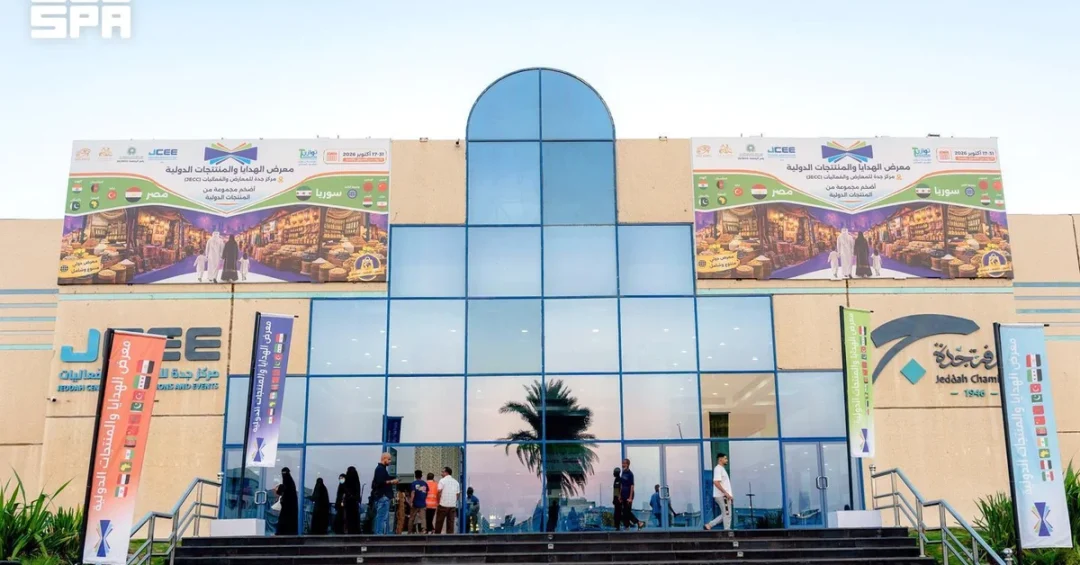
The inaugural International Gifts & Products Exhibition opened on October 21, 2026, at the Jeddah Exhibition and Events Center, operated by the Jeddah Chamber, welcoming hundreds of exhibitors from around the world for a ten-day run that concludes on October 31. The event, announced through official Saudi channels and reported by the Saudi Press Agency (SPA), is expected to generate promising investment and commercial opportunities serving the region’s rapidly growing retail sector. Admission is free, and the exhibition is open daily from 3 p.m. to midnight, giving residents, visitors, and international buyers an accessible window into global consumer goods and traditional crafts. Have you ever wondered how a single exhibition can connect local shopkeepers with producers on four continents?
The exhibition brings together hundreds of exhibitors and companies showcasing a diverse range of products directly to consumers and visitors, positioning Jeddah as a meeting point for international trade and cultural exchange. It aims to support the local retail sector, expand partnerships between local and international companies, promote retail-driven tourism, and strengthen Jeddah’s position as a leading destination for international exhibitions and conferences. For a city long known as the gateway to the Red Sea, the event reflects a broader national effort to diversify commerce, attract global partners, and open new channels for Saudi businesses of all sizes.
Context and Background
Why does Jeddah, rather than any other city, host this inaugural gathering? The answer lies in the city’s historic role as Saudi Arabia’s commercial gateway and its established infrastructure for large-scale events. The Jeddah Exhibition and Events Center, operated by the Jeddah Chamber, has become a regular venue for trade fairs, consumer expos, and professional conferences, giving organizers the space, logistics, and institutional support needed to host hundreds of international exhibitors at once. The Jeddah Chamber, a longstanding institution representing the business community of the Kingdom’s second-largest city, manages the facility as part of its mandate to develop trade and industry in the region.
The timing of the exhibition aligns with a period of sustained expansion in Saudi Arabia’s retail and events economy. Consumer demand has grown as household spending rises, tourism arrivals increase, and new entertainment and lifestyle destinations open across the country. International brands and producers are looking for direct access to Saudi consumers, while local retailers seek differentiated products that can set them apart in a competitive market. The exhibition responds to both pressures at once, creating a structured environment where supply meets demand. It also builds on the Kingdom’s expanding calendar of exhibitions and conferences, which has become an economic sector in its own right.
For international participants, the event offers more than a sales floor. It provides a low-barrier entry point to one of the Middle East’s largest consumer markets, with free admission for visitors and a central location in a city that serves millions of residents and pilgrims each year. For Saudi small and medium enterprises, it offers exposure to international best practices, packaging standards, and merchandising techniques. In that sense, the exhibition functions as both a marketplace and a learning platform, strengthening the capabilities of the local retail ecosystem while bringing global products within reach of ordinary shoppers.
Key Details
What exactly will visitors find inside the exhibition halls? The event features pavilions covering a range of sectors, including gifts, antiques and rare handicrafts; fashion and textiles featuring traditional and contemporary clothing and accessories from different cultures; home goods and luxury carpets; perfumes and cosmetics; and international food products, spices and nuts. Each pavilion is designed to present products directly to consumers and trade visitors, allowing exhibitors to test demand, gather feedback, and negotiate distribution agreements on the spot. The diversity of categories ensures that the exhibition appeals to families, collectors, retailers, and wholesale buyers alike.
The decision to keep admission free and extend daily opening hours from 3 p.m. to midnight is deliberate. Evening hours suit the shopping and leisure habits of Jeddah residents, when temperatures are milder and families are more likely to visit. Free entry removes cost as a barrier, maximizing footfall for exhibitors and giving smaller companies a realistic chance to reach large audiences. For international exhibitors unfamiliar with the Saudi market, this format provides immediate, unfiltered consumer response, which is often more valuable than any market study.
Beyond transactions, the exhibition seeks to foster cultural exchange by showcasing the traditional industries and handicrafts of participating countries. Artisans and heritage producers sit alongside modern consumer brands, creating a setting where craft traditions and contemporary design can be compared and appreciated. For Saudi visitors, this is an opportunity to encounter global cultures in their own city; for international exhibitors, it is a chance to understand Saudi tastes, traditions, and purchasing preferences. The result is a commercial event with a cultural dimension, consistent with the Kingdom’s emphasis on openness and mutual respect.
International and Regional Impact
How far can the effects of a ten-day exhibition reach? The presence of hundreds of exhibitors and companies from around the world signals confidence in Saudi Arabia’s market and in Jeddah’s capacity to host international events. Participation from multiple countries creates direct business-to-business links that can outlast the exhibition itself, as distributors, agents, and retail chains follow up on contacts made during the run. Regional traders from neighboring Gulf markets are also expected to attend, using the event to source products and compare offers, which reinforces Jeddah’s role as a regional commercial hub.
For the wider Middle East, the exhibition adds momentum to a growing exhibitions and conferences economy. Saudi Arabia has invested steadily in venues, transport links, and hospitality capacity, and events of this kind demonstrate that the infrastructure is being used effectively. International exhibitors who have a positive experience in Jeddah are more likely to return for future editions or to participate in other Saudi trade fairs. Over time, this builds a reputation for reliability and professionalism that benefits the entire national events sector, not just a single city or industry.
Economic and Strategic Significance
What does the exhibition mean for Saudi Arabia’s retail sector in concrete terms? Retail is a major employer and a key component of household consumption, and events that connect local retailers with international suppliers can improve product variety, price competition, and service quality. By expanding partnerships between local and international companies, the exhibition supports the transfer of commercial knowledge and can lead to joint ventures, franchise agreements, and long-term supply relationships. These outcomes matter because a stronger retail sector raises the overall competitiveness of the Saudi economy.
The event also promotes retail-driven tourism, a segment that benefits hotels, restaurants, transport providers, and entertainment venues in Jeddah. Visitors who travel specifically for the exhibition, or who extend a leisure trip to attend, contribute to local spending beyond the exhibition halls. Strengthening Jeddah’s position as a destination for international exhibitions and conferences is therefore both an economic and a strategic objective, aligning the city’s commercial heritage with its modern role as a host of global gatherings. The free-admission model widens participation, ensuring that the economic benefits are shared across a broad visitor base rather than restricted to trade professionals.
Vision 2030 Alignment
How does a gifts and products exhibition connect to Saudi Arabia’s long-term national plan? Vision 2030 aims to diversify the economy, expand non-oil sectors, and increase the contribution of trade, tourism, and entertainment to national output. The International Gifts & Products Exhibition supports these goals by stimulating retail activity, attracting international participation, and reinforcing Jeddah’s credentials as an events destination. It also reflects the Vision’s emphasis on openness to the world, cultural exchange, and the creation of opportunities for Saudi businesses to grow and compete internationally.
The exhibition’s focus on traditional industries and handicrafts adds a further layer of alignment, supporting heritage producers and small enterprises that might otherwise struggle to reach global audiences. By bringing together local and international companies under one roof, the event embodies the Vision 2030 principle of partnership between the Kingdom and the wider world. As the exhibition runs until October 31, it offers a practical demonstration of how trade fairs can serve economic diversification, cultural understanding, and the continued modernization of Saudi Arabia’s commercial landscape.
20 Questions
Q1. What is the International Gifts & Products Exhibition?
A1. It is an inaugural trade and consumer exhibition held at the Jeddah Exhibition and Events Center, operated by the Jeddah Chamber, bringing together hundreds of exhibitors from around the world to showcase gifts, crafts, fashion, home goods, perfumes, and food products.
Q2. When and where does the exhibition take place?
A2. The exhibition opened on October 21, 2026, at the Jeddah Exhibition and Events Center in Jeddah and runs until October 31, 2026, with daily opening hours from 3 p.m. to midnight.
Q3. Who is organizing the event?
A3. The Jeddah Exhibition and Events Center, operated by the Jeddah Chamber, is hosting the event, with the announcement released through official Saudi channels and reported by the Saudi Press Agency.
Q4. Is there an entry fee for visitors?
A4. No, admission is free for all visitors, and the exhibition is open daily from 3 p.m. to midnight, making it accessible to families, shoppers, and trade visitors throughout its ten-day run.
Q5. How many exhibitors are participating?
A5. Hundreds of exhibitors and companies from around the world are participating, showcasing a diverse range of products directly to consumers and visitors across multiple sector-specific pavilions.
Q6. What product categories are featured?
A6. Featured categories include gifts, antiques and rare handicrafts; fashion and textiles with traditional and contemporary clothing; home goods and luxury carpets; perfumes and cosmetics; and international food products, spices and nuts.
Q7. What are the main goals of the exhibition?
A7. The event aims to support the local retail sector, expand partnerships between local and international companies, promote retail-driven tourism, and strengthen Jeddah’s position as a leading destination for international exhibitions and conferences.
Q8. How does the exhibition support cultural exchange?
A8. It showcases the traditional industries and handicrafts of participating countries, allowing visitors to encounter global cultures and heritage products while international exhibitors learn about Saudi tastes and traditions.
Q9. Why is Jeddah chosen as the host city?
A9. Jeddah is Saudi Arabia’s commercial gateway, with established infrastructure for large-scale events and a central Red Sea location that serves millions of residents, visitors, and regional traders each year.
Q10. What economic opportunities does it create?
A10. It creates investment and commercial opportunities for the region’s growing retail sector, enabling distribution agreements, joint ventures, and long-term supply relationships between Saudi and international companies.
Q11. How does the event benefit local retailers?
A11. Local retailers gain access to differentiated international products, new supplier relationships, and exposure to global merchandising and packaging standards that can improve their competitiveness in the Saudi market.
Q12. What is retail-driven tourism?
A12. Retail-driven tourism refers to travel motivated by shopping and consumer events, which benefits hotels, restaurants, transport providers, and entertainment venues, contributing to local spending beyond the exhibition halls.
Q13. Are international companies attending?
A13. Yes, hundreds of exhibitors and companies from around the world are taking part, reflecting international confidence in Saudi Arabia’s consumer market and in Jeddah’s capacity to host global events.
Q14. What are the daily opening hours?
A14. The exhibition is open daily from 3 p.m. to midnight, with evening hours chosen to suit Jeddah’s shopping and leisure habits when temperatures are milder and families are more likely to visit.
Q15. How does the exhibition relate to Vision 2030?
A15. It supports Vision 2030 by stimulating retail activity, attracting international participation, expanding non-oil sectors, and reinforcing Jeddah’s role as a destination for exhibitions, tourism, and cultural exchange.
Q16. What role does the Jeddah Chamber play?
A16. The Jeddah Chamber operates the Jeddah Exhibition and Events Center and supports trade and industry development in the region, providing the institutional framework and facilities for the exhibition.
Q17. Will there be traditional handicrafts on display?
A17. Yes, pavilions include antiques and rare handicrafts, as well as traditional industries from participating countries, presented alongside contemporary consumer brands and modern design products.
Q18. What food products can visitors find?
A18. Visitors can explore international food products, spices, and nuts in dedicated pavilions, alongside perfumes, cosmetics, home goods, luxury carpets, fashion, and textiles from different cultures.
Q19. How long does the exhibition run?
A19. The exhibition runs for ten days, from October 21 to October 31, 2026, giving exhibitors and visitors an extended period to conduct business and explore the full range of products on display.
Q20. What makes this exhibition significant for Saudi Arabia?
A20. It strengthens Jeddah’s position as an international exhibitions destination, supports the retail sector, fosters cultural exchange, and advances Vision 2030 goals of economic diversification and global engagement.
Reader Feedback
We value your thoughts. Please share your feedback on this article.
Your feedback helps us improve our coverage.