


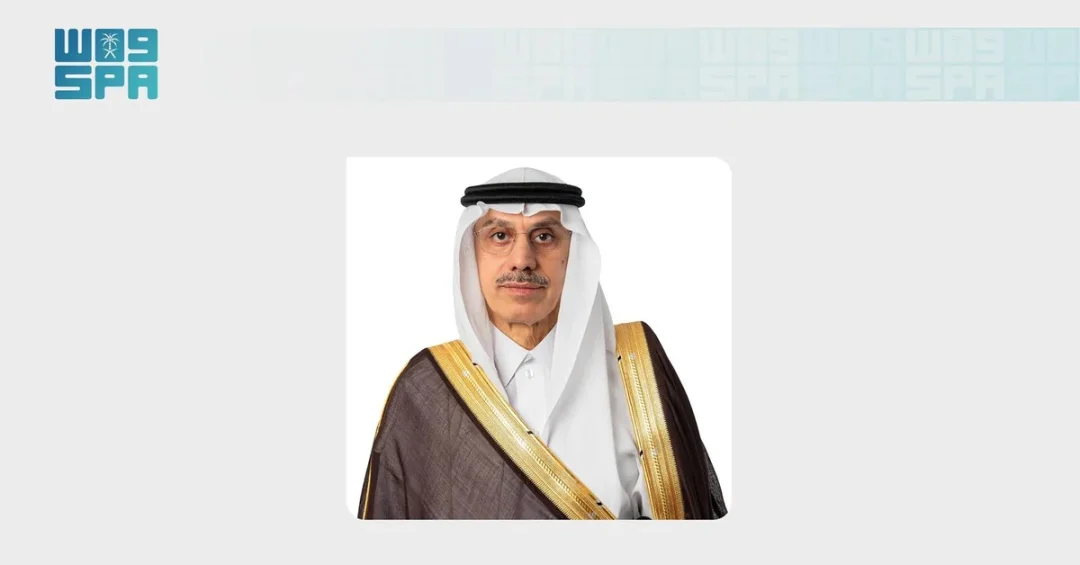
The Islamic Development Bank (IsDB) Group Chairman, Dr. Muhammad Al Jasser, will lead the group’s delegation to the 2026 Annual Meetings of the World Bank Group and the International Monetary Fund (IMF), held in Bangkok, Thailand, from October 12 to 19, 2026, as announced by the Saudi Press Agency. The IsDB’s participation underscores Saudi Arabia’s commitment to multilateral cooperation and global economic stability, aligning with the Kingdom’s Vision 2030 goals of fostering international partnerships and sustainable development.
Context and Background
The IsDB, headquartered in Jeddah, Saudi Arabia, is a key player in Islamic finance and development, promoting economic growth and social progress in its 57 member countries. The 2026 Annual Meetings bring together finance ministers, central bank governors, and leaders of multilateral development banks to address pressing global economic challenges. Dr. Al Jasser’s leadership reflects Saudi Arabia’s pivotal role in shaping development policies and supporting emerging economies.
Saudi Arabia, a founding member of the IsDB, has consistently supported the bank’s mission through capital contributions and strategic guidance. The Kingdom’s Vision 2030, a comprehensive reform plan, emphasizes economic diversification, global engagement, and humanitarian efforts, which are mirrored in the IsDB’s objectives. This year’s meetings are particularly significant as the world grapples with post-pandemic recovery, inflationary pressures, and climate change, making international collaboration essential.
Key Details
During the Annual Meetings, Dr. Al Jasser will engage in strategic dialogues with finance ministers, leaders of multilateral development banks, and key international partners. The discussions will focus on economic stability, trade resilience, expanding development financing, and deepening regional cooperation. These topics are critical for addressing global disparities and fostering sustainable growth.
On the sidelines, Dr. Al Jasser will hold bilateral meetings with IsDB governors and senior representatives of leading international development institutions. These meetings aim to strengthen partnerships, explore new financing avenues, and align strategies to achieve the Sustainable Development Goals (SDGs). The IsDB’s participation highlights its role as a bridge between Islamic finance and global development frameworks.
Implications and Impact
The IsDB’s active involvement in the World Bank Group and IMF Annual Meetings signals a strong commitment to multilateralism and inclusive growth. By advocating for expanded development financing, the IsDB helps member countries access resources for infrastructure, education, and healthcare projects. This is especially vital for low-income nations facing debt distress and climate vulnerabilities.
Saudi Arabia’s support for the IsDB’s mission reinforces its position as a global humanitarian leader and a catalyst for economic cooperation. The meetings also provide a platform for the Kingdom to showcase its Vision 2030 achievements and share best practices in economic diversification, renewable energy, and digital transformation. Enhanced regional cooperation in the Middle East and beyond can lead to more resilient economies and improved living standards.
Vision 2030 Alignment
Vision 2030 aims to transform Saudi Arabia into a diversified, innovative economy and a pivotal player in global affairs. The IsDB’s engagement at the 2026 Annual Meetings directly supports these goals by promoting sustainable development, fostering international partnerships, and driving economic stability. As Saudi Arabia continues to lead in development finance, its collaboration with the IsDB and other institutions will pave the way for a prosperous and interconnected world, embodying the Kingdom’s forward-looking vision.
20 Questions
Q1. Who is leading the IsDB delegation to the 2026 Annual Meetings?
A1. Dr. Muhammad Al Jasser, Chairman of the Islamic Development Bank Group, will lead the delegation to the 2026 Annual Meetings of the World Bank Group and IMF in Bangkok.
Q2. Where and when will the 2026 Annual Meetings take place?
A2. The meetings will be held in Bangkok, Thailand, from October 12 to 19, 2026, bringing together global financial leaders to discuss economic stability and development.
Q3. What is the primary purpose of the IsDB’s participation?
A3. The IsDB aims to engage in strategic dialogues on economic stability, trade resilience, expanding development financing, and deepening regional cooperation with international partners.
Q4. What topics will be discussed at the Annual Meetings?
A4. Discussions will focus on economic stability, trade resilience, expanding development financing, and regional cooperation to address global economic challenges and promote sustainable growth.
Q5. Who will Dr. Al Jasser meet with during the meetings?
A5. He will hold bilateral meetings with IsDB governors and senior representatives of leading international development institutions to strengthen partnerships and explore financing avenues.
Q6. How does the IsDB contribute to global development?
A6. The IsDB provides financing for infrastructure, education, and healthcare projects in its 57 member countries, promoting economic growth and social progress through Islamic finance principles.
Q7. What is Saudi Arabia’s role in the IsDB?
A7. Saudi Arabia is a founding member and key supporter of the IsDB, contributing capital and strategic guidance to advance the bank’s mission of fostering development in member countries.
Q8. How does the IsDB’s participation align with Vision 2030?
A8. It reflects Saudi Arabia’s Vision 2030 goals of economic diversification, global engagement, and humanitarian efforts, reinforcing the Kingdom’s role in international development finance.
Q9. What are the expected outcomes of the Annual Meetings?
A9. The meetings aim to enhance international cooperation, mobilize resources for development, and formulate strategies to tackle global economic challenges, benefiting member countries and beyond.
Q10. Why are these meetings important for the Middle East?
A10. They provide a platform for regional cooperation, allowing Middle Eastern countries to access development financing and share best practices for economic diversification and resilience.
Q11. What is the significance of the IsDB’s engagement with the World Bank and IMF?
A11. It strengthens multilateral partnerships, aligns Islamic finance with global development frameworks, and enhances the IsDB’s capacity to address pressing economic issues.
Q12. How does the IsDB support trade resilience?
A12. The IsDB promotes trade financing and capacity-building initiatives to help member countries diversify exports, improve infrastructure, and integrate into global value chains.
Q13. What are the key challenges facing the global economy in 2026?
A13. Challenges include post-pandemic recovery, inflation, debt sustainability, and climate change, requiring coordinated international efforts and innovative financing solutions.
Q14. How can expanded development financing benefit low-income countries?
A14. It enables investments in critical sectors like health, education, and infrastructure, reducing poverty and fostering sustainable economic growth in vulnerable nations.
Q15. What is Saudi Arabia’s Vision 2030?
A15. Vision 2030 is a strategic framework to diversify Saudi Arabia’s economy, reduce oil dependence, and enhance global engagement through social and economic reforms.
Q16. How does the IsDB promote regional cooperation?
A16. The IsDB facilitates dialogue, shares knowledge, and finances cross-border projects that enhance trade, connectivity, and economic integration among member countries.
Q17. What role do bilateral meetings play at the Annual Meetings?
A17. They allow leaders to forge partnerships, discuss specific development projects, and align strategies for mutual benefit, enhancing the impact of multilateral efforts.
Q18. How is the IsDB addressing climate change?
A18. The IsDB supports green financing, renewable energy projects, and climate-resilient infrastructure to help member countries transition to sustainable, low-carbon economies.
Q19. What can other countries learn from Saudi Arabia’s development model?
A19. Saudi Arabia’s Vision 2030 offers insights into economic diversification, digital transformation, and sustainable development, serving as a model for other nations.
Q20. What is the long-term impact of the IsDB’s work?
A20. The IsDB’s efforts lead to improved living standards, economic stability, and sustainable development in member countries, contributing to global prosperity and stability.
Reader Feedback
We value your thoughts. Please share your feedback on this article.
Your feedback helps us improve our coverage.