


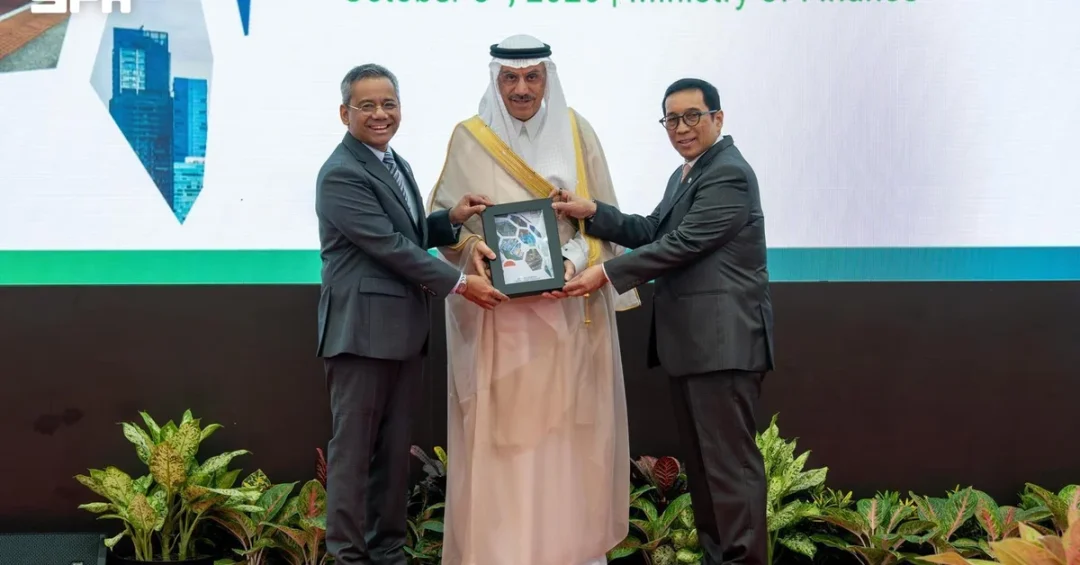
The Islamic Development Bank Group (IsDB Group) has launched its 2026–2030 Member Country Partnership Strategy (MCPS) for the Republic of Indonesia, backed by an indicative financing envelope of approximately $2.56 billion. The strategy, announced on Thursday from the Bank’s headquarters in Jeddah, was developed in close cooperation with the Indonesian government and will guide the IsDB Group’s support for the country’s development priorities over the next five years.
Context and Background
The IsDB Group, headquartered in Jeddah, Saudi Arabia, is a multilateral development bank that fosters social and economic development in its member countries and Muslim communities worldwide. The new MCPS for Indonesia represents a strategic partnership aimed at supporting inclusive and sustainable economic transformation.
Titled “Supporting Inclusive and Sustainable Economic Transformation for a Prosperous and Resilient Indonesia,” the strategy is structured around two pillars. The first, “Infrastructure for Connectivity, Resilience, and Industrial Upgrading,” covers transport and connectivity, food security and agriculture, sustainable fisheries and the blue economy, energy security, and the energy transition. The second, “Developing the Workforce for Indonesia’s Next Stage of Transformation,” focuses on strengthening health systems and expanding education and skills development.
Key Details
The MCPS is aligned with Indonesia’s National Medium-Term Development Plan 2025–2029 and the IsDB Group’s 10-Year Strategic Framework 2026–2035. Both pillars incorporate cross-cutting areas related to Islamic finance, climate action, and the empowerment of women and youth. The partnership extends through 2030 and aims to enhance connectivity and integration, strengthen the resilience of food and energy systems, and expand opportunities for women and youth.
In a statement released via the Saudi Press Agency (SPA), the IsDB Group emphasized that the strategy was developed in cooperation with the Indonesian government and reflects a shared commitment to achieving sustainable development goals. The indicative financing envelope of approximately $2.56 billion will support projects and programs under the MCPS, subject to further agreements and approvals.
Implications and Impact
The launch of the MCPS for Indonesia underscores the IsDB Group’s role as a key development partner for its member countries. By focusing on infrastructure, energy transition, food security, and human capital development, the strategy addresses critical areas that are essential for Indonesia’s long-term growth and resilience. The emphasis on Islamic finance, climate action, and the empowerment of women and youth aligns with global development priorities and the Sustainable Development Goals (SDGs).
For Saudi Arabia, the IsDB Group’s initiatives reinforce the Kingdom’s commitment to international cooperation and development finance. As the host country of the IsDB Group, Saudi Arabia supports the Bank’s mission to promote economic development and social progress in member countries. This partnership with Indonesia further strengthens bilateral ties and contributes to regional stability and prosperity.
Vision 2030 Alignment
The IsDB Group’s partnership strategy with Indonesia reflects the broader objectives of Saudi Vision 2030, which seeks to diversify the economy, enhance international engagement, and promote sustainable development. By supporting Indonesia’s transformation, the IsDB Group, under the leadership of Saudi Arabia, demonstrates the Kingdom’s proactive role in fostering global development and strengthening ties with Muslim-majority nations. This collaboration not only advances Indonesia’s development agenda but also reinforces Saudi Arabia’s position as a catalyst for positive change and a key player in the global economy.
20 Questions
Q1. What is the Islamic Development Bank Group (IsDB Group)?
A1. The IsDB Group is a multilateral development bank headquartered in Jeddah, Saudi Arabia, that fosters economic and social development in member countries and Muslim communities worldwide.
Q2. What is the 2026–2030 Member Country Partnership Strategy (MCPS) for Indonesia?
A2. It is a strategic framework developed by the IsDB Group in cooperation with Indonesia to guide support for the country’s development priorities over five years, backed by $2.56 billion in indicative financing.
Q3. When was the MCPS launched?
A3. The MCPS was launched on Thursday, October 8, 2026, as announced by the Saudi Press Agency.
Q4. What is the indicative financing envelope for the MCPS?
A4. The indicative financing envelope is approximately $2.56 billion, intended to support projects and programs under the strategy.
Q5. What are the two pillars of the MCPS?
A5. The first pillar is “Infrastructure for Connectivity, Resilience, and Industrial Upgrading,” and the second is “Developing the Workforce for Indonesia’s Next Stage of Transformation.”
Q6. What does the first pillar cover?
A6. It covers transport and connectivity, food security and agriculture, sustainable fisheries and the blue economy, energy security, and the energy transition.
Q7. What does the second pillar focus on?
A7. It focuses on stronger health systems and expanded education and skills development.
Q8. What are the cross-cutting areas in the MCPS?
A8. The cross-cutting areas are Islamic finance, climate action, and the empowerment of women and youth.
Q9. How does the MCPS align with Indonesia’s national plans?
A9. It is aligned with Indonesia’s National Medium-Term Development Plan 2025–2029.
Q10. How does the MCPS align with the IsDB Group’s strategic framework?
A10. It is aligned with the IsDB Group’s 10-Year Strategic Framework 2026–2035.
Q11. What are the main objectives of the partnership?
A11. The partnership aims to enhance connectivity and integration, strengthen the resilience of food and energy systems, and expand opportunities for women and youth.
Q12. How long will the partnership last?
A12. The partnership extends through 2030.
Q13. Who developed the MCPS?
A13. The MCPS was developed by the IsDB Group in cooperation with the Indonesian government.
Q14. What is the role of Saudi Arabia in the IsDB Group?
A14. Saudi Arabia is the host country and a founding member, and it supports the IsDB Group’s mission to promote development in member countries.
Q15. How does the MCPS support Indonesia’s economic transformation?
A15. By focusing on infrastructure, energy transition, food security, and human capital development, it supports inclusive and sustainable economic transformation.
Q16. What is the significance of Islamic finance in the MCPS?
A16. Islamic finance is a cross-cutting area, reflecting the IsDB Group’s mandate to promote Shariah-compliant financing for development.
Q17. How does the MCPS address climate action?
A17. Climate action is integrated across both pillars, supporting sustainable practices in infrastructure, energy, and agriculture.
Q18. What opportunities does the MCPS create for women and youth?
A18. It aims to expand opportunities for women and youth through targeted programs in education, skills development, and economic empowerment.
Q19. How does the MCPS benefit Indonesia?
A19. It provides financing and technical support to address key development challenges, enhance resilience, and promote sustainable growth.
Q20. How does this partnership reflect Saudi Vision 2030?
A20. It reflects Saudi Vision 2030 by promoting international cooperation, sustainable development, and strengthening ties with Muslim-majority nations, showcasing Saudi Arabia’s global leadership.
Reader Feedback
We value your thoughts. Please share your feedback on this article.
Your feedback helps us improve our coverage.