


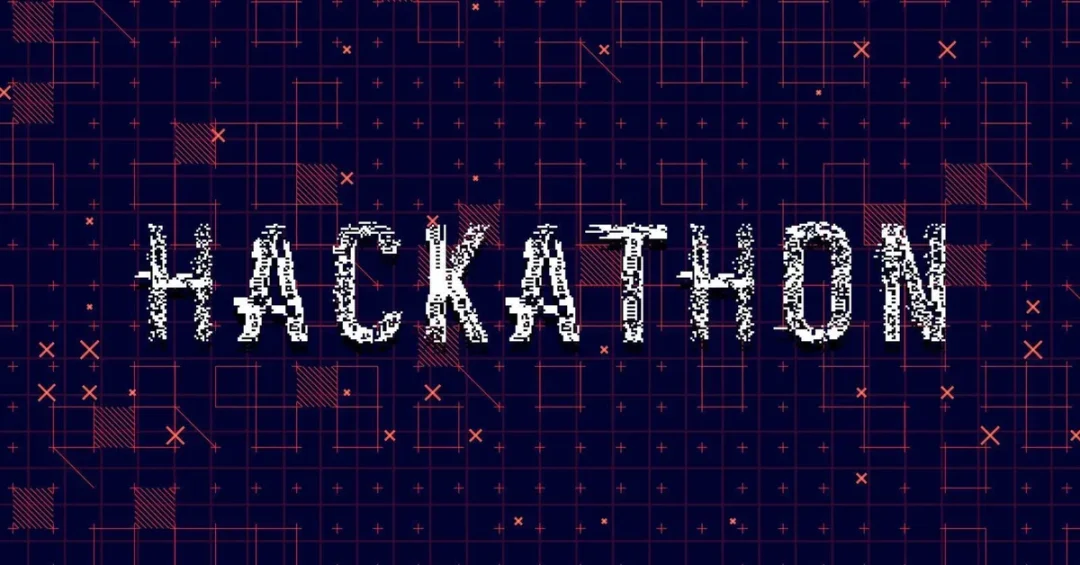
The Islamic Development Bank Institute (IsDBI), the knowledge and research arm of the Islamic Development Bank Group, has announced the launch of the first-ever Artificial Intelligence (AI) Hackathon dedicated to Islamic finance, scheduled to take place from May 8 to 10, 2025. The landmark initiative, announced via the Saudi Press Agency (SPA), will bring together experts and enthusiasts in computer science, artificial intelligence, and finance to develop AI-powered solutions that support the application of specific Financial Accounting Standards (FAS) issued by the Accounting and Auditing Organization for Islamic Financial Institutions (AAOIFI).
The hackathon represents a significant step forward in the digital transformation of the Islamic finance industry, a sector that serves millions of customers across the globe and continues to expand at a rapid pace. By inviting technologists and financial specialists to collaborate on real-world challenges, the Islamic Development Bank Institute aims to make Islamic finance standards more accessible, efficient, and globally consistent through creative AI applications. The event underscores the growing intersection of advanced technology and Shariah-compliant finance, a convergence that Saudi Arabia has been actively championing through its Vision 2030 agenda.
Context and Background
Why has the Islamic Development Bank Institute chosen this moment to pioneer an AI hackathon for Islamic finance? The answer lies in the remarkable growth of the global Islamic finance industry, which now manages assets exceeding trillions of dollars and operates across more than 100 countries. As the sector expands, the need for standardized, transparent, and efficient application of accounting and auditing standards has become increasingly urgent. The Accounting and Auditing Organization for Islamic Financial Institutions (AAOIFI), based in Bahrain, issues the Financial Accounting Standards (FAS) that guide Islamic financial institutions worldwide, but applying these standards consistently across diverse markets remains a complex challenge.
The Islamic Development Bank Institute, headquartered in Jeddah, Saudi Arabia, has a long-standing mandate to support the development of Islamic finance through research, training, and capacity building. Its decision to organize the first AI Hackathon focused on Islamic finance reflects a recognition that artificial intelligence can play a transformative role in bridging the gap between traditional Shariah-compliant financial practices and modern technological capabilities. The event is designed to harness the creativity of programmers, data scientists, and finance professionals to build tools that can automate compliance checks, enhance reporting accuracy, and streamline decision-making processes within Islamic financial institutions.
Saudi Arabia has been at the forefront of integrating AI into various sectors of its economy, from healthcare to energy to financial services. The Kingdom’s National Strategy for Data and AI, launched in 2020, aims to position Saudi Arabia as a global leader in AI by 2030, and the Islamic finance sector is a natural beneficiary of these efforts. The hackathon therefore aligns with broader national priorities while addressing a specific industry need: the development of practical, scalable AI solutions that can be adopted by Islamic banks, takaful companies, and investment funds around the world.
Key Details of the Hackathon
What exactly will participants be expected to deliver during the three-day event? According to the announcement, teams will compete to design AI tools that enhance standardization, improve compliance, and facilitate better decision-making within the Islamic finance sector. The hackathon will focus specifically on supporting the application of AAOIFI’s Financial Accounting Standards, which cover areas such as murabaha, mudaraba, musharaka, ijara, and sukuk. Participants will gain hands-on experience with real-world challenges, interact with leading experts in Islamic finance and AI, and contribute to advancing the industry through purposeful innovation.
Submissions will be evaluated by a panel of experts in Islamic finance, AAOIFI standards, and artificial intelligence. The judging criteria include accuracy, compliance with Islamic finance standards, innovation, creativity, AI performance, and user-friendliness. These criteria reflect the dual imperative of the hackathon: solutions must be technically robust and fully aligned with Shariah principles. The top three winning teams will receive cash prizes of $10,000 for first place, $7,000 for second place, and $4,000 for third place, providing a tangible incentive for participants to push the boundaries of what is possible.
The event will take place from May 8 to 10, 2025, and is expected to attract a diverse pool of talent from across the Islamic world and beyond. By bringing together computer scientists, AI specialists, and finance professionals, the Islamic Development Bank Institute is fostering an environment of cross-disciplinary collaboration that is essential for solving complex problems. The hackathon format encourages rapid prototyping and iterative development, allowing teams to test their ideas and refine their solutions in a compressed timeframe. This approach has proven successful in other domains and is now being applied to the unique challenges of Islamic finance.
International and Regional Impact
How might this initiative reshape the global Islamic finance landscape? The development of AI-powered tools for AAOIFI standards compliance could have far-reaching implications for the industry’s efficiency and credibility. Islamic financial institutions in the Gulf Cooperation Council (GCC) countries, Southeast Asia, Africa, and Europe often struggle with the manual application of complex accounting standards, leading to inconsistencies and increased operational costs. AI solutions that automate these processes could reduce errors, speed up reporting, and enhance transparency for regulators and investors alike. This would make Islamic finance more attractive to a broader range of participants, including conventional financial institutions seeking to enter the Shariah-compliant market.
Regionally, the hackathon reinforces Saudi Arabia’s position as a hub for Islamic finance innovation. The Kingdom hosts several of the world’s largest Islamic banks and is a key player in the global sukuk market. By supporting initiatives like this, Saudi Arabia demonstrates its commitment to advancing the Islamic finance industry not only within its borders but also internationally. The event also complements the efforts of other regional bodies, such as the Islamic Financial Services Board (IFSB) and AAOIFI itself, which have been working to harmonize standards and promote best practices across jurisdictions. A successful hackathon could lead to the development of tools that are adopted widely, further cementing Saudi Arabia’s leadership in this specialized field.
The international dimension is equally important. Islamic finance is a global industry, with significant operations in countries such as Malaysia, Indonesia, the United Arab Emirates, Qatar, Turkey, the United Kingdom, and South Africa. AI solutions developed during the hackathon could be adapted for use in these diverse markets, helping to create a more integrated and efficient global Islamic financial system. Moreover, the event may inspire similar initiatives in other regions, fostering a culture of innovation that benefits the entire industry. The participation of international experts and teams will also facilitate knowledge exchange and networking, strengthening ties between Saudi Arabia and the broader Islamic finance community.
Economic and Strategic Significance
Why does this hackathon matter for Saudi Arabia’s economic diversification goals? The Islamic finance sector is a vital component of the Kingdom’s financial services industry, which is a key pillar of Vision 2030. By promoting innovation in this area, Saudi Arabia aims to increase the sector’s contribution to GDP, create high-value jobs, and attract foreign investment. The development of AI tools for Islamic finance can also enhance the competitiveness of Saudi financial institutions, enabling them to offer better services and expand their reach. Furthermore, the hackathon supports the growth of a knowledge-based economy by encouraging research and development in cutting-edge technologies.
From a strategic perspective, the event aligns with Saudi Arabia’s efforts to position itself as a leader in both Islamic finance and artificial intelligence. The Kingdom has invested heavily in AI through initiatives such as the Saudi Data and AI Authority (SDAIA) and the National Center for Artificial Intelligence. By applying AI to Islamic finance, Saudi Arabia is showcasing its ability to merge traditional values with modern technology, a narrative that resonates with its Vision 2030 objectives. The hackathon also provides a platform for young Saudi talents to engage with global experts and develop skills that are in high demand, contributing to the development of a skilled workforce for the future.
Additionally, the success of the hackathon could lead to the commercialization of winning solutions, potentially spawning startups or new products that serve the Islamic finance industry. This would create economic value and further stimulate innovation. The cash prizes, while modest, serve as seed funding and recognition that can help participants take their ideas to the next level. The Islamic Development Bank Institute may also consider incubating promising projects, providing a pathway for research to translate into real-world impact. Such outcomes would reinforce the Kingdom’s role as a catalyst for innovation in the Islamic economy.
Vision 2030 Alignment
How does the AI Hackathon for Islamic finance fit into the broader framework of Saudi Vision 2030? Vision 2030 is a comprehensive plan to diversify the Saudi economy, reduce dependence on oil, and develop public service sectors such as health, education, infrastructure, recreation, and tourism. A key theme of the vision is the promotion of innovation and technology, including artificial intelligence, as drivers of economic growth. The Islamic finance sector is explicitly mentioned in Vision 2030 as a source of strength and a means to attract investment. By organizing this hackathon, the Islamic Development Bank Institute is directly contributing to the vision’s objectives of fostering a vibrant financial sector and enhancing the Kingdom’s global standing.
Moreover, the hackathon supports the vision’s emphasis on developing human capital. Participants will have the opportunity to learn from experts, work on real challenges, and gain experience that can be applied in their careers. This capacity-building aspect is crucial for building a knowledge-based economy. The event also promotes the values of collaboration and creativity, which are essential for innovation. As Saudi Arabia continues its journey toward Vision 2030, initiatives like this demonstrate the Kingdom’s commitment to leveraging technology for the benefit of society and the economy. The Islamic Development Bank Institute’s leadership in this area sets an example for other organizations, both within Saudi Arabia and around the world.
In conclusion, the first-ever AI Hackathon for Islamic finance is a pioneering initiative that promises to advance the industry, enhance Saudi Arabia’s leadership, and contribute to the realization of Vision 2030. By bringing together the brightest minds in AI and Islamic finance, the Islamic Development Bank Institute is laying the groundwork for a more efficient, transparent, and innovative future for Shariah-compliant finance. The event is a clear signal that Saudi Arabia is not only embracing the digital revolution but also shaping it in ways that align with its cultural and religious values. As the hackathon approaches, anticipation is building for the creative solutions that will emerge and the lasting impact they will have on the global Islamic finance landscape.
20 Questions
Q1. What is the Islamic Development Bank Institute?
A1. The Islamic Development Bank Institute (IsDBI) is the knowledge and research arm of the Islamic Development Bank Group, based in Jeddah, Saudi Arabia. It focuses on capacity building, research, and innovation to support the development of Islamic finance globally.
Q2. What is the AI Hackathon announced by IsDBI?
A2. It is the first-ever Artificial Intelligence Hackathon dedicated to Islamic finance, scheduled for May 8-10, 2025. It invites experts to develop AI solutions supporting AAOIFI Financial Accounting Standards.
Q3. Why is this hackathon considered pioneering?
A3. It is the first event of its kind to focus specifically on applying AI to Islamic finance standards. It aims to make standards more accessible, efficient, and globally consistent through creative AI applications.
Q4. Who can participate in the hackathon?
A4. Experts and enthusiasts in computer science, artificial intelligence, and finance are invited to participate. Participants will compete in teams to design AI tools for the Islamic finance sector.
Q5. What are AAOIFI Financial Accounting Standards?
A5. AAOIFI FAS are accounting standards issued by the Accounting and Auditing Organization for Islamic Financial Institutions. They guide financial reporting for Islamic banks and financial institutions worldwide.
Q6. What will participants be expected to create?
A6. Participants will design AI tools that enhance standardization, improve compliance, and facilitate better decision-making within the Islamic finance sector, specifically supporting the application of AAOIFI FAS.
Q7. How will submissions be evaluated?
A7. Submissions will be judged on accuracy, compliance with Islamic finance standards, innovation, creativity, AI performance, and user-friendliness by a panel of experts in Islamic finance, AAOIFI standards, and AI.
Q8. What are the prizes for the winning teams?
A8. The top three teams will receive cash prizes: $10,000 for first place, $7,000 for second place, and $4,000 for third place. The prizes aim to reward excellence and encourage innovation.
Q9. When and where will the hackathon take place?
A9. The hackathon will be held from May 8 to 10, 2025. While the location was not specified in the announcement, it is organized by IsDBI, headquartered in Jeddah, Saudi Arabia.
Q10. How does this hackathon align with Saudi Vision 2030?
A10. It supports Vision 2030 by promoting innovation, technology, and the development of the Islamic finance sector. It also enhances human capital and positions Saudi Arabia as a leader in both AI and Islamic finance.
Q11. What is the significance of AI in Islamic finance?
A11. AI can automate complex compliance checks, improve reporting accuracy, and streamline decision-making. This enhances efficiency, reduces errors, and makes Islamic finance more transparent and attractive to global investors.
Q12. How does the hackathon benefit the global Islamic finance industry?
A12. It fosters the development of AI tools that can be adopted worldwide, promoting standardization and efficiency. This helps integrate diverse markets and strengthens the global Islamic financial system.
Q13. What role does the Islamic Development Bank play in this initiative?
A13. The Islamic Development Bank Institute, as the knowledge arm of the IsDB Group, organizes and leads the hackathon. It provides a platform for innovation and collaboration in Islamic finance.
Q14. Will the hackathon address specific Islamic finance contracts?
A14. Yes, the focus is on AAOIFI FAS, which cover contracts such as murabaha, mudaraba, musharaka, ijara, and sukuk. Participants will develop AI solutions to support compliance with these standards.
Q15. How can interested individuals apply?
A15. Details on registration and participation are expected to be announced by IsDBI. Interested individuals should monitor official IsDBI channels and the Saudi Press Agency for updates.
Q16. What is the expected outcome of the hackathon?
A16. The hackathon aims to produce innovative AI prototypes that can be further developed into practical tools for Islamic financial institutions, enhancing compliance and operational efficiency.
Q17. How does this event promote Saudi Arabia’s leadership?
A17. By hosting and supporting this first-of-its-kind event, Saudi Arabia demonstrates its commitment to advancing Islamic finance and technology, reinforcing its role as a global leader in these fields.
Q18. What is the significance of the cash prizes?
A18. The cash prizes serve as seed funding and recognition for innovative solutions. They incentivize participation and help winning teams take their ideas closer to implementation.
Q19. Will the solutions be open-source or proprietary?
A19. The announcement does not specify. Typically, hackathon outcomes may be subject to terms set by organizers. Participants should refer to official rules for intellectual property details.
Q20. How can the success of this hackathon be measured?
A20. Success can be measured by the quality and applicability of solutions, adoption by Islamic financial institutions, and the event’s contribution to standardization and innovation in the global Islamic finance industry.
Reader Feedback
We value your thoughts. Please share your feedback on this article.
Your feedback helps us improve our coverage.
Related articles
 CMA Opens Consultation on Draft Share Class Listing Rules
 ITFC Launches Trade Connect Central Asia+ Program
 New York Tops Wealthiest Cities List as Dubai and Riyadh Rise
 CIBAFI to Host Roundtable on 2025 Strategic Plan
 FSC Forms First Saudi-Mauritanian Joint Business Council
 GASTAT Reports 3.2% Growth in Non-Oil Activities for February