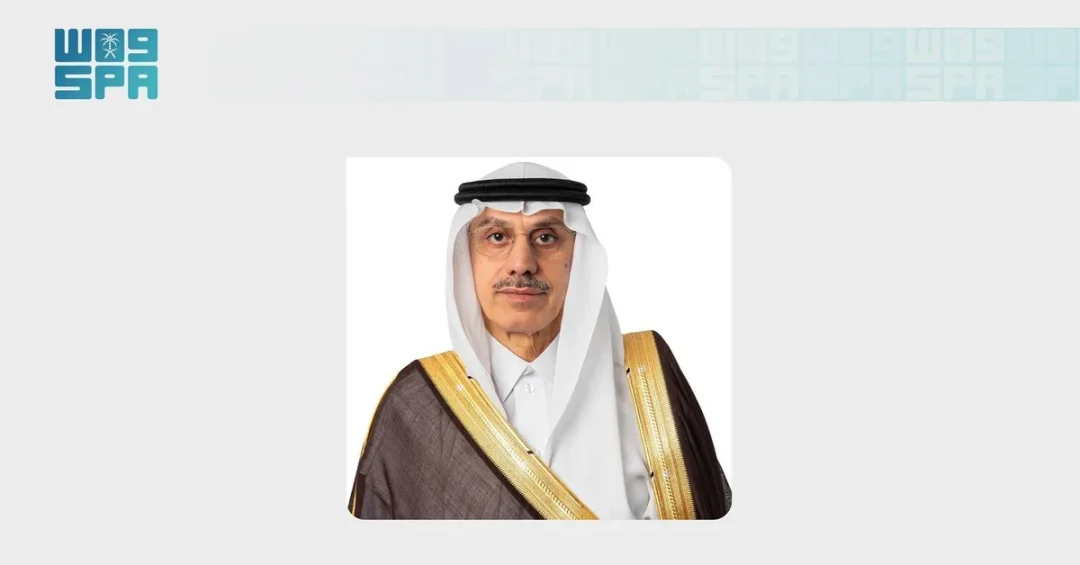
Dr. Muhammad Al-Jasser, President of the Islamic Development Bank Group (IsDB), will participate in the 2026 Annual Meeting of the Asian Infrastructure Investment Bank (AIIB) in Doha, Qatar, on September 28 and 29, 2026, according to an official announcement carried by the Saudi Press Agency (SPA). The announcement, released from Jeddah, confirms that the IsDB President will join finance ministers, multilateral development bank leaders, and senior experts at one of the most closely watched gatherings on the global development calendar. His participation places the IsDB — headquartered in Jeddah and one of the most influential multilateral institutions serving the Global South — at the center of international discussions on infrastructure finance, climate resilience, and cross-border economic cooperation.
The 2026 AIIB Annual Meeting brings together member governments, institutional investors, and development partners at a moment when demand for long-term infrastructure capital is rising across Asia, Africa, and the Middle East. For Saudi Arabia, the engagement reinforces the Kingdom’s expanding role as a bridge between regional development priorities and global financial architecture. It also underscores the importance of coordination among multilateral lenders as countries seek to convert climate pledges and national development plans into bankable, investment-ready projects. What does this kind of high-level participation signal about the direction of multilateral finance in 2026 and beyond?
Context and Background
Is the Islamic Development Bank Group’s presence at the AIIB Annual Meeting simply a matter of routine diplomacy, or does it represent a deeper alignment of development strategies across Asia and the Middle East? The IsDB, established in 1975 and headquartered in Jeddah, serves member countries across Africa, Asia, the Middle East, and beyond, with a mandate rooted in fostering economic development and social progress in accordance with Islamic finance principles. Under Dr. Al-Jasser’s leadership, the institution has sharpened its focus on infrastructure, human capital, and climate finance, positioning itself as a partner of choice for governments navigating complex financing needs.
The AIIB, founded in 2016 and headquartered in Beijing, has grown into a significant source of infrastructure financing across Asia and beyond, with a membership that spans both regional and non-regional countries. Its annual meetings serve as a platform for finance ministers and institutional leaders to review progress, set priorities, and build coalitions around shared challenges. Saudi Arabia is a founding member of the AIIB and has consistently supported the bank’s mission, reflecting the Kingdom’s broader commitment to international financial cooperation and sustainable development.
The convergence of these two institutions in Doha reflects a wider trend: multilateral development banks are increasingly expected to work together, pool expertise, and mobilize private capital at scale. The IsDB’s participation signals that South-South cooperation and Islamic finance instruments are now integral parts of the global development conversation, not niche alternatives. As infrastructure gaps widen and climate pressures intensify, coordination between institutions like the IsDB and the AIIB becomes a practical necessity rather than a diplomatic courtesy.
Key Details of the IsDB President’s Agenda
What exactly will Dr. Al-Jasser bring to the table during his two days in Doha? According to the official SPA announcement, the IsDB President will participate on September 28 in a high-level session titled “Scaling Up Climate Finance for Impact: Turning Policy Reform into Resilient Growth.” The session will convene finance ministers, leaders of multilateral development banks, and a group of experts to discuss practical ways to mobilize public and private capital, strengthen policy reforms, and deliver sustainable and resilient growth through development financing and investment tools.
The discussion agenda is deliberately operational. Participants will examine how governments, development banks, and investors can improve coordination to translate climate commitments into investment-ready infrastructure projects and tangible development outcomes. This reflects a growing consensus that climate finance must move beyond pledges and toward measurable results. For IsDB member states — many of which face acute infrastructure deficits and climate vulnerability — the session offers an opportunity to advocate for financing models that reflect their specific circumstances, including blended finance, guarantees, and Islamic finance structures.
Beyond the high-level session, Dr. Al-Jasser is scheduled to meet with IsDB governors from member countries, the President of the AIIB, and representatives of major development partners. These bilateral and multilateral engagements are expected to focus on strengthening partnerships and advancing cooperation in support of development priorities in IsDB member states. Such meetings often lay the groundwork for co-financing arrangements, technical assistance programs, and joint project pipelines that can take years to mature but deliver lasting impact.
International and Regional Impact
Why should global audiences beyond the Middle East and Asia pay attention to this meeting? The AIIB Annual Meeting in Doha is a gathering of institutions that collectively channel hundreds of billions of dollars into infrastructure, energy, transport, and digital connectivity. When the IsDB President participates in a session on climate finance, the outcomes can influence how development capital is allocated across dozens of countries, from Central Asia to West Africa. The ripple effects reach project developers, sovereign borrowers, and private investors who rely on multilateral banks to de-risk and structure complex transactions.
For the Gulf region, the meeting reinforces Doha’s and the wider Gulf’s emergence as a hub for international financial diplomacy. Saudi Arabia’s own development institutions, including the Saudi Fund for Development, have deepened their engagement with multilateral partners in recent years, aligning with the Kingdom’s Vision 2030 objective of becoming a global investment and logistics hub. The IsDB’s active role in Doha complements these efforts by ensuring that the perspectives of member states are represented in global policy discussions.
The meeting also highlights the growing importance of South-South cooperation. Many IsDB member countries are simultaneously AIIB members, creating natural synergies in project preparation, co-financing, and knowledge exchange. When these institutions align their strategies, they can reduce transaction costs for recipient countries and avoid duplication. The presence of finance ministers and development bank leaders in one room creates a rare opportunity to resolve bottlenecks and commit to joint action.
Economic and Strategic Significance
What does the IsDB’s participation mean for the economics of development finance? Multilateral development banks are under pressure to stretch their balance sheets, attract private capital, and demonstrate measurable development impact. The IsDB has been proactive in this regard, issuing sukuk, expanding its blended finance offerings, and partnering with institutions that share its development objectives. Its engagement with the AIIB signals that Islamic finance and conventional development finance can work together effectively, expanding the pool of capital available for infrastructure and climate projects.
For Saudi Arabia, the strategic significance extends beyond the IsDB’s institutional role. The Kingdom is a major shareholder in several multilateral institutions and has used its platforms to advocate for policies that support developing economies. The Vision 2030 agenda emphasizes economic diversification, global engagement, and the development of knowledge-based industries — all of which benefit from strong international partnerships. By supporting the IsDB’s active participation in global forums, Saudi Arabia reinforces its reputation as a responsible and constructive international actor.
The climate finance session also touches on a critical economic reality: the transition to resilient, low-carbon growth requires massive investment, and public resources alone are insufficient. Mobilizing private capital demands policy reforms, transparent regulatory frameworks, and bankable project pipelines. The discussions in Doha are expected to produce practical recommendations on how development banks can support these reforms while managing risk. For IsDB member states, this translates into more options for financing priority projects in energy, water, transport, and agriculture.
Vision 2030 Alignment
How does the IsDB President’s participation in the AIIB Annual Meeting connect to Saudi Arabia’s long-term vision? Vision 2030, launched under the leadership of Crown Prince Mohammed bin Salman, seeks to transform the Kingdom into a diversified, globally connected economy. A central pillar of that vision is international cooperation — building partnerships that create opportunities for Saudi citizens and contribute to regional stability and prosperity. The IsDB, headquartered in Jeddah, is a key institutional asset for the Kingdom, and its active global engagement reflects Saudi Arabia’s commitment to multilateralism and sustainable development.
The Kingdom’s support for the IsDB and its participation in forums like the AIIB Annual Meeting also align with Vision 2030’s emphasis on climate action and green initiatives, including the Saudi Green Initiative and the Middle East Green Initiative. By helping to shape global conversations on climate finance, Saudi Arabia and the IsDB can ensure that the transition to a sustainable future is inclusive, practical, and grounded in the realities of developing economies. The meetings in Doha are another step in that ongoing effort, reinforcing the Kingdom’s role as a bridge between regions, sectors, and generations.
20 Questions
Q1. Who will represent the Islamic Development Bank Group at the 2026 AIIB Annual Meeting?
A1. Dr. Muhammad Al-Jasser, President of the Islamic Development Bank Group, will represent the institution at the 2026 Annual Meeting of the Asian Infrastructure Investment Bank in Doha, Qatar, according to the Saudi Press Agency.
Q2. Where and when is the 2026 AIIB Annual Meeting taking place?
A2. The 2026 AIIB Annual Meeting is being held in Doha, Qatar, from September 28 to 29, 2026, bringing together finance ministers, multilateral development bank leaders, and experts from around the world.
Q3. What high-level session will Dr. Al-Jasser participate in?
A3. Dr. Al-Jasser will participate on September 28 in a high-level session titled “Scaling Up Climate Finance for Impact: Turning Policy Reform into Resilient Growth,” which focuses on mobilizing capital for sustainable development.
Q4. What is the main objective of the climate finance session?
A4. The session aims to discuss ways to mobilize public and private capital and achieve sustainable, resilient growth through policy reforms, development financing, and investment tools that deliver tangible outcomes.
Q5. Who will attend the high-level session alongside Dr. Al-Jasser?
A5. The session will bring together finance ministers, leaders of multilateral development banks, and a group of experts to discuss coordination among governments, development banks, and investors.
Q6. What does the Islamic Development Bank Group do?
A6. The IsDB, headquartered in Jeddah, Saudi Arabia, is a multilateral development bank that fosters economic development and social progress in its member countries through financing, knowledge sharing, and partnerships.
Q7. What is the Asian Infrastructure Investment Bank?
A7. The AIIB is a multilateral development bank founded in 2016 that finances infrastructure projects across Asia and beyond, with a membership that includes Saudi Arabia and many other countries.
Q8. Why is Saudi Arabia’s IsDB participating in an AIIB meeting important?
A8. It reflects Saudi Arabia’s commitment to international cooperation and sustainable development, and it strengthens coordination between two major multilateral institutions serving developing economies across Asia, Africa, and the Middle East.
Q9. What meetings will Dr. Al-Jasser hold on the sidelines?
A9. He is scheduled to meet with IsDB governors from member countries, the President of the AIIB, and representatives of major development partners to strengthen partnerships and advance cooperation.
Q10. What topics will the sideline meetings cover?
A10. The meetings will focus on strengthening partnerships and advancing cooperation in support of development priorities in IsDB member states, including co-financing and project preparation.
Q11. How does the meeting relate to climate commitments?
A11. Discussions will address ways to translate climate commitments into investment-ready infrastructure projects, helping countries move from policy pledges to concrete, financeable development outcomes.
Q12. What role does Saudi Arabia play in the AIIB?
A12. Saudi Arabia is a founding member of the AIIB and has consistently supported the bank’s mission, reflecting the Kingdom’s broader commitment to international financial cooperation and sustainable development.
Q13. What is the significance of Doha hosting the AIIB Annual Meeting?
A13. It highlights the Gulf region’s growing role as a hub for international financial diplomacy and provides a platform for development institutions to align strategies and mobilize capital.
Q14. How does this engagement support Vision 2030?
A14. Vision 2030 emphasizes global engagement, economic diversification, and climate action. The IsDB’s participation reinforces Saudi Arabia’s role as a bridge between regions and a supporter of multilateral development.
Q15. What is Islamic finance’s role in development funding?
A15. Islamic finance instruments such as sukuk and blended finance structures provide ethical, asset-backed funding options that can expand the pool of capital available for infrastructure and climate projects.
Q16. What are IsDB member states’ priorities?
A16. IsDB member states prioritize infrastructure, energy, water, transport, agriculture, and human capital development, with growing emphasis on climate resilience and sustainable economic growth.
Q17. How can development banks mobilize private capital?
A17. They can use guarantees, blended finance, de-risking instruments, and policy reform support to attract private investors into infrastructure and climate projects that might otherwise be considered too risky.
Q18. What is the expected outcome of the 2026 AIIB Annual Meeting?
A18. The meeting is expected to produce practical recommendations on scaling up climate finance, strengthening coordination among development partners, and advancing investment-ready infrastructure projects across member countries.
Q19. Why is South-South cooperation important in development finance?
A19. South-South cooperation allows developing countries to share knowledge, pool resources, and align strategies, reducing transaction costs and ensuring that development solutions reflect local realities and priorities.
Q20. What does this participation say about Saudi Arabia’s global role?
A20. It demonstrates Saudi Arabia’s active and constructive role in global development, its support for multilateral institutions, and its commitment to Vision 2030’s goals of prosperity, sustainability, and international partnership.
Reader Feedback
We value your thoughts. Please share your feedback on this article.
Your feedback helps us improve our coverage.