


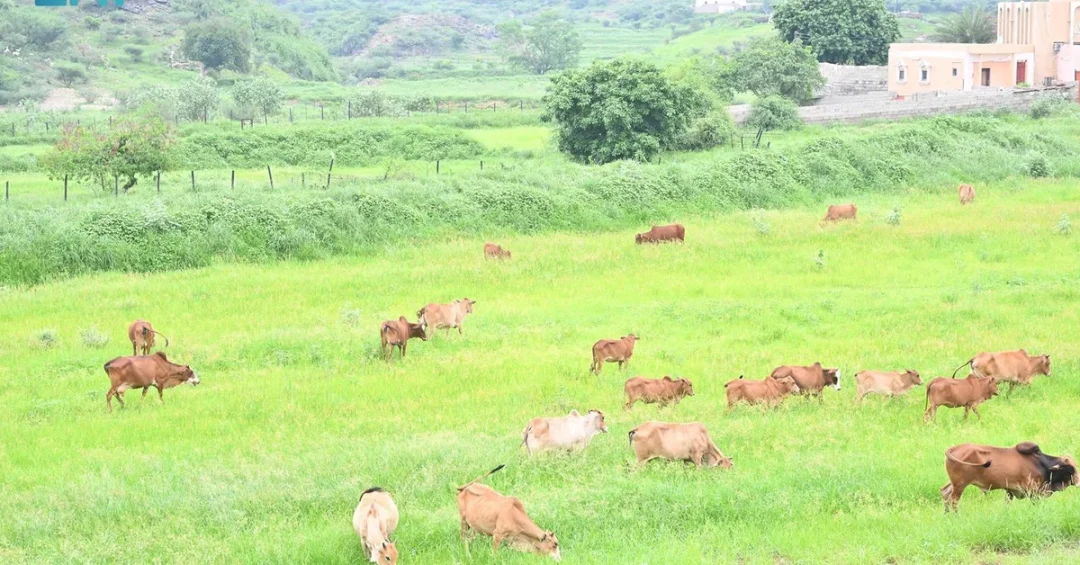
Jazan, one of Saudi Arabia’s most fertile agricultural regions, is solidifying its role as a cornerstone of the Kingdom’s food security, with a livestock population exceeding 3.977 million animals, according to the Ministry of Environment, Water, and Agriculture. The region’s unique blend of fertile plains, mountainous terrain, and seasonal rains provides an ideal environment for raising sheep, goats, camels, and cattle, making Jazan a vital contributor to national food production and rural economic development.
Context and Background
Jazan’s agricultural heritage is deeply rooted in its geography. The region’s diverse ecosystems, ranging from coastal areas to highlands, support a rich tradition of livestock rearing that has been passed down through generations. This natural advantage has positioned Jazan as a key player in Saudi Arabia’s efforts to achieve self-sufficiency in food production, particularly in red meat and dairy products.
According to the Ministry of Environment, Water, and Agriculture, Jazan’s livestock population includes over 1.721 million sheep, 2.103 million goats, approximately 95,400 cattle, and around 57,400 camels. In addition, poultry projects in the region produce nearly 1.944 million broiler chickens annually. These figures underscore the vitality of the livestock sector, which has historically been central to both the local culture and economy.
Key Details
The Ministry of Environment, Water, and Agriculture has implemented a range of initiatives to support and expand livestock farming in Jazan. The Rural Development Program, known as “Reef,” provides financial and technical assistance to farmers and rural families, aiming to improve livestock productivity and marketability. This program is part of a broader government effort to enhance rural livelihoods and boost agricultural output.
Moreover, the Ministry operates extensive veterinary services, including preventive vaccination programs, daily health checks, disease diagnosis, and animal treatment. These services are delivered through veterinary departments and clinics across the region, ensuring the health and sustainability of Jazan’s livestock. Mosquito control measures in animal pens and the services of the region’s veterinary diagnostic laboratory further contribute to maintaining high standards of animal health.
Implications and Impact
The growth of Jazan’s livestock sector has significant implications for Saudi Arabia’s food security strategy. By reducing reliance on imported meat and dairy products, the region contributes to the Kingdom’s goal of self-sufficiency. Economically, livestock farming creates jobs and stimulates local markets, providing a steady income for rural communities. The sector’s development also supports ancillary industries, such as feed production, veterinary services, and transportation.
On a regional level, Jazan’s success serves as a model for other agricultural areas in Saudi Arabia. The integration of modern veterinary practices and sustainable farming techniques demonstrates how traditional livelihoods can be modernized to meet contemporary challenges. This approach aligns with the Kingdom’s Vision 2030, which seeks to diversify the economy and promote sustainable development.
Vision 2030 Alignment
Jazan’s livestock wealth is a testament to Saudi Arabia’s commitment to food security and economic diversification under Vision 2030. By investing in rural development, veterinary care, and sustainable farming, the Kingdom is not only ensuring a stable food supply but also empowering local communities. As Jazan continues to thrive as a livestock hub, its role in the national strategy for self-sufficiency and economic resilience will only grow, reflecting the collective efforts of the government and the people to build a prosperous future.
20 Questions
Q1. What is the total livestock population in Jazan?
A1. Jazan’s livestock population exceeds 3.977 million animals, including sheep, goats, cattle, and camels, according to the Ministry of Environment, Water, and Agriculture.
Q2. How many sheep are there in Jazan?
A2. Jazan is home to over 1.721 million sheep, making it a significant contributor to the Kingdom’s red meat production.
Q3. What is the number of goats in the region?
A3. The region has approximately 2.103 million goats, which are vital for meat and dairy production.
Q4. How many cattle are raised in Jazan?
A4. There are around 95,400 cattle in Jazan, supporting the local dairy and meat industries.
Q5. What is the camel population in Jazan?
A5. Jazan has approximately 57,400 camels, which are integral to the region’s cultural heritage and economy.
Q6. How many broiler chickens are produced annually in Jazan?
A6. Poultry projects in Jazan produce nearly 1.944 million broiler chickens annually, boosting food security.
Q7. What is the “Reef” program?
A7. The Rural Development Program, known as “Reef,” provides financial and technical assistance to farmers and rural families to improve livestock productivity and marketability.
Q8. Which ministry oversees livestock development in Jazan?
A8. The Ministry of Environment, Water, and Agriculture oversees livestock development, providing veterinary services and support programs.
Q9. What veterinary services are provided in Jazan?
A9. Services include preventive vaccination, daily health checks, disease diagnosis, animal treatment, and mosquito control in animal pens.
Q10. How does livestock farming benefit the local economy?
A10. It creates jobs, boosts agricultural output, and supports ancillary industries, providing income for rural communities.
Q11. Why is Jazan ideal for livestock rearing?
A11. Its fertile plains, mountainous terrain, and seasonal rains create a conducive environment for various livestock types.
Q12. What is the role of the veterinary diagnostic laboratory?
A12. The laboratory aids in disease diagnosis and monitoring, ensuring the health and sustainability of Jazan’s livestock.
Q13. How does Jazan contribute to Saudi Arabia’s food security?
A13. By producing significant quantities of red meat and dairy, Jazan reduces reliance on imports and supports self-sufficiency.
Q14. What is the historical significance of livestock in Jazan?
A14. Livestock rearing has been a central part of Jazan’s culture and economy for generations, passed down through families.
Q15. How does the government support farmers in Jazan?
A15. Through the Reef program, veterinary services, and infrastructure, the government assists farmers in improving productivity and market access.
Q16. What are the main types of livestock raised in Jazan?
A16. Sheep, goats, cattle, camels, and poultry are the primary livestock raised in the region.
Q17. How does livestock farming align with Vision 2030?
A17. It supports economic diversification, food security, and rural development, key pillars of Vision 2030.
Q18. What measures are taken to control diseases in livestock?
A18. Preventive vaccination, health checks, and mosquito control are implemented to prevent and manage diseases.
Q19. How many veterinary clinics serve Jazan?
A19. The region has multiple veterinary departments and clinics providing comprehensive animal health services.
Q20. What future developments are expected for Jazan’s livestock sector?
A20. Continued investment in veterinary care and rural development is expected to further enhance productivity and sustainability.
Reader Feedback
We value your thoughts. Please share your feedback on this article.
Your feedback helps us improve our coverage.
Related articles
 Saudi Minister Discusses Advanced Manufacturing Partnerships in Singapore
 Financial Academy Celebrates 31 Innovators at FinTech Bootcamp 2024
 SAMA and CBRT Sign MoU for Central Banking Cooperation
 Madinah Commercial Registrations Surge 8.6% in Q2 2024
 GAFT Workshop Boosts Saudi-Asia Trade Ties
 Kafalah Program Partners with Lendo to Boost SME Financing