


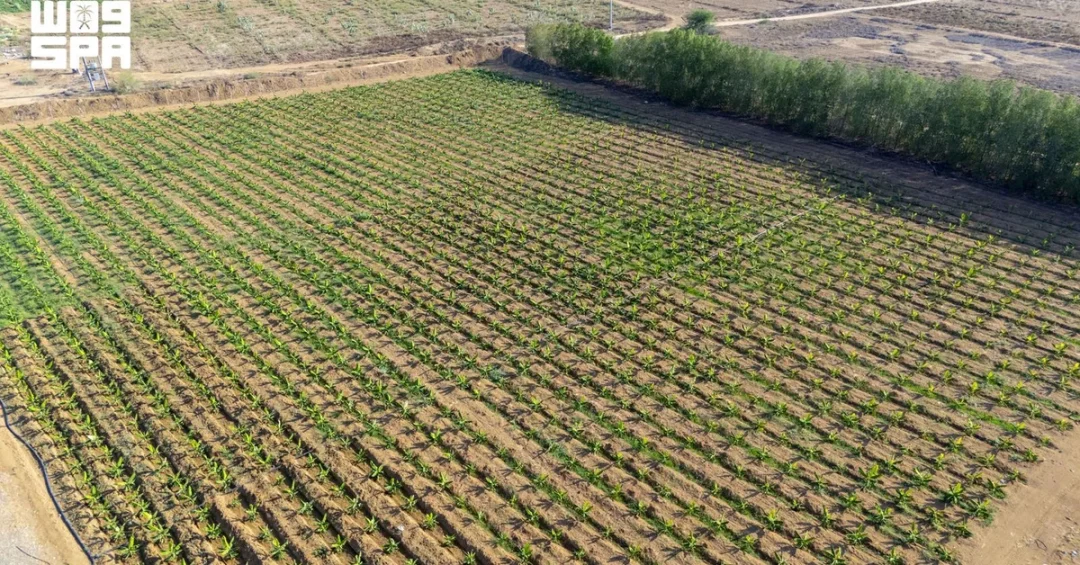
Jazan Region’s distinctive agro-climatic conditions continue to position it as a cornerstone of the Kingdom of Saudi Arabia’s domestic food production system, supporting a vast spectrum of tropical fruits, cereals, oilseeds, and vegetables across its coastal plains and mountainous terraces, according to data released by the Ministry of Environment, Water and Agriculture’s branch in Jazan on the occasion of World Food Day, observed globally on October 16. The region’s robust agricultural indicators underscore its vital contribution to national food security, supply chain resilience, and the expansion of downstream food processing and commercial opportunities. As the world marks World Food Day, Jazan’s achievements offer a compelling case study in how targeted agricultural development, modern irrigation, and strategic investment can transform a region’s natural advantages into a sustainable engine of economic growth and food self-sufficiency.
What makes Jazan’s agricultural model so effective in advancing Saudi Arabia’s national food security objectives? The answer lies in the region’s unique combination of tropical climate, fertile coastal plains, and rehabilitated mountain terraces, which together support an unusually diverse portfolio of crops. From approximately one million fruitful mango trees producing around 65,000 tons annually to more than 60,000 hectares of sorghum yielding over 55,000 tons of red and white varieties, Jazan’s output spans fruits, cereals, oilseeds, and vegetables in a way that few other regions in the Kingdom can match. This diversity not only stabilizes local food supplies but also drives dynamic seasonal trade, sorting operations, cold-chain transport, packaging, and juice manufacturing that create jobs and empower small and medium-sized enterprises across the region.
Context and Background
How did Jazan emerge as one of the Kingdom’s most productive agricultural regions? Located in the southwestern corner of Saudi Arabia, Jazan benefits from a distinctive agro-climatic profile that combines high humidity, regular seasonal rainfall, and fertile alluvial soils along the Red Sea coast. These conditions are further enhanced by the region’s mountainous interior, where rehabilitated terraces and rainwater-harvesting infrastructure facilitate sustainable farming on steep terrains while preventing soil erosion. The Ministry of Environment, Water and Agriculture has played a central role in supporting this ecosystem through extension services, modern irrigation programs, and post-harvest management systems that optimize water conservation and reduce losses.
The timing of this year’s World Food Day celebrations is particularly significant for Saudi Arabia, which has made food security a central pillar of its national development strategy. Under the leadership of the Custodian of the Two Holy Mosques, King Salman bin Abdulaziz Al Saud, and His Royal Highness Crown Prince Mohammed bin Salman bin Abdulaziz Al Saud, the Kingdom has accelerated efforts to diversify food sources, strengthen domestic production, and build resilient supply chains. Jazan’s agricultural sector, with its rich crop diversity and growing processing capacity, exemplifies how regional development can directly support these national priorities. The region’s success also reflects broader investments in agricultural technology, greenhouse farming, and integrated logistics that are reshaping the Kingdom’s food production landscape.
Key Details
What specific crops drive Jazan’s agricultural output, and how do they contribute to national food security? Data from the Ministry of Environment, Water and Agriculture’s branch in Jazan highlight substantial fruit output across the region. Jazan hosts approximately one million fruitful mango trees with an annual yield of around 65,000 tons, driving dynamic seasonal trade, sorting, cold-chain transport, packaging, and juice manufacturing. The region also cultivates roughly 800,000 papaya trees producing over 40,000 tons annually, alongside more than one million banana trees yielding about 15,000 tons. Fig cultivation spans 346 farms with over 480,000 trees generating an estimated 9,600 tons per year, complemented by 6,000 guava trees yielding 60 tons, and more than 4,200 custard apple trees producing over 42 tons across 110 farms. These figures illustrate the remarkable breadth of Jazan’s fruit sector and its capacity to supply both domestic and regional markets.
Field and cash crops form another major pillar of Jazan’s agricultural economy. Sorghum fields cover over 60,000 hectares with an annual harvest surpassing 55,000 tons of red and white varieties, which serve as foundational staples for local consumption and livestock feed. Sesame farming spans more than 6,400 hectares, yielding over 6,422 tons of seeds annually for both direct culinary use and the extraction of traditional sesame oil. Vegetable production, including tomatoes, cucumbers, eggplants, zucchini, okra, peppers, and leafy greens, remains active across multiple planting cycles, bolstered by advanced greenhouse farming, modern drip irrigation, and post-harvest management systems that optimize water conservation. In the highlands, rehabilitated mountain terraces and rainwater-harvesting infrastructure facilitate sustainable farming on steep terrains while preventing soil erosion. Supported by sorting facilities, cold storage, and integrated logistics, Jazan’s agricultural ecosystem continues to reduce post-harvest losses, empower small and medium-sized enterprises, and advance the food security objectives of Saudi Vision 2030.
International and Regional Impact
How does Jazan’s agricultural success resonate beyond Saudi Arabia’s borders? The region’s expanding output of tropical fruits, cereals, and oilseeds positions the Kingdom as a more influential player in regional food markets, particularly across the Gulf Cooperation Council and the broader Middle East. Jazan’s mangoes, papayas, and bananas are increasingly recognized for their quality, creating opportunities for export growth and trade partnerships. The region’s juice manufacturing and food processing capabilities also add value to raw agricultural products, supporting the Kingdom’s ambitions to become a hub for food processing and logistics. These developments align with Saudi Arabia’s broader efforts to strengthen economic ties and contribute to food security dialogues at regional and international forums.
On World Food Day, which emphasizes global cooperation to end hunger and ensure food security, Jazan’s story offers a model of how countries can leverage local advantages to build resilient food systems. The region’s experience demonstrates that sustainable agriculture is not only about increasing production but also about improving infrastructure, reducing waste, and creating economic opportunities throughout the value chain. For international observers, Jazan represents a tangible example of Saudi Arabia’s commitment to addressing global food challenges through innovation, investment, and responsible resource management. The Kingdom’s participation in international agricultural exchanges and its support for research and development further underscore its role as a constructive partner in global food security efforts.
Economic and Strategic Significance
What economic benefits flow from Jazan’s agricultural diversity? The region’s fruit and crop production supports a wide network of economic activities, from farming and harvesting to sorting, packaging, cold-chain transport, and juice manufacturing. These activities generate employment, particularly for small and medium-sized enterprises, and contribute to rural development by providing income opportunities beyond traditional sectors. The presence of sorting facilities and cold storage infrastructure helps reduce post-harvest losses, ensuring that more of the region’s output reaches markets in optimal condition. As Jazan’s agricultural sector continues to mature, it is attracting investment in processing facilities, logistics, and agri-tech solutions that enhance productivity and sustainability.
Strategically, Jazan’s agricultural output reduces the Kingdom’s reliance on food imports, enhancing national resilience against global supply chain disruptions. The region’s ability to produce staples like sorghum and sesame, alongside high-value fruits, contributes to a more balanced and secure food system. Moreover, the integration of modern irrigation and water conservation technologies addresses one of Saudi Arabia’s most critical resource challenges, ensuring that agricultural growth remains sustainable. By aligning regional production with national food security goals, Jazan exemplifies how strategic investments in agriculture can yield both economic and strategic dividends, reinforcing the Kingdom’s position as a leader in sustainable development and food innovation.
Vision 2030 Alignment
How does Jazan’s agricultural progress align with Saudi Vision 2030? The region’s achievements directly support several key objectives of the Vision, including economic diversification, food security, and the development of non-oil sectors. By expanding agricultural output and downstream processing, Jazan contributes to the Kingdom’s goal of building a more resilient and diversified economy. The emphasis on empowering small and medium-sized enterprises and creating jobs in rural areas also aligns with Vision 2030’s focus on enhancing quality of life and providing opportunities for all citizens. Furthermore, the use of advanced irrigation and post-harvest technologies reflects the Vision’s commitment to innovation and sustainability.
As Saudi Arabia continues its journey toward a prosperous and sustainable future, regions like Jazan will play an increasingly important role in realizing the Kingdom’s ambitions. The data released on World Food Day serve as a reminder of the progress achieved and the potential that remains. With continued support from the Ministry of Environment, Water and Agriculture and other government agencies, Jazan is well-positioned to further strengthen its contribution to national food security and to serve as a model for sustainable agricultural development. The Kingdom’s leadership remains committed to ensuring that Saudi Arabia not only meets its own food needs but also contributes positively to global food security, in line with the principles of World Food Day and the enduring values of the Saudi people.
20 Questions
Q1. What is the significance of World Food Day for Saudi Arabia’s agricultural sector?
A1. World Food Day highlights global efforts to ensure food security. For Saudi Arabia, it underscores the Kingdom’s commitment to strengthening domestic production, diversifying food sources, and advancing sustainable agriculture under Vision 2030, with regions like Jazan playing a vital role in these national objectives.
Q2. How does Jazan Region contribute to Saudi Arabia’s national food security?
A2. Jazan produces a diverse range of fruits, cereals, oilseeds, and vegetables, including mangoes, papayas, bananas, sorghum, and sesame. This output reduces reliance on imports, stabilizes local food supplies, and supports downstream processing, directly enhancing the Kingdom’s food security and supply chain resilience.
Q3. What are the main fruit crops grown in Jazan?
A3. Jazan’s primary fruit crops include mangoes, with about one million trees yielding 65,000 tons annually; papayas, with 800,000 trees producing over 40,000 tons; bananas, with over one million trees yielding 15,000 tons; and figs, guavas, and custard apples.
Q4. How many mango trees are there in Jazan, and what is their annual yield?
A4. Jazan hosts approximately one million fruitful mango trees, producing around 65,000 tons of mangoes each year. This substantial output drives seasonal trade, sorting, cold-chain transport, packaging, and juice manufacturing, supporting local economies and food security.
Q5. What role does sorghum play in Jazan’s agricultural economy?
A5. Sorghum is a major field crop in Jazan, covering over 60,000 hectares and yielding more than 55,000 tons annually. It serves as a foundational staple for local consumption and livestock feed, contributing to food security and supporting rural livelihoods.
Q6. How does Jazan’s agricultural sector support small and medium-sized enterprises?
A6. The sector supports SMEs through activities such as farming, sorting, packaging, cold-chain transport, and juice manufacturing. These operations create jobs, generate income, and empower local entrepreneurs, aligning with Vision 2030’s goals for economic diversification and rural development.
Q7. What modern technologies are used in Jazan’s agriculture?
A7. Jazan’s farmers utilize advanced greenhouse farming, modern drip irrigation, and post-harvest management systems. These technologies optimize water conservation, improve crop yields, and reduce losses, ensuring sustainable agricultural practices in the region’s challenging climate.
Q8. How does Jazan’s agriculture align with Saudi Vision 2030?
A8. Jazan’s agricultural development supports Vision 2030 by enhancing food security, diversifying the economy, creating jobs, and promoting sustainable resource management. It exemplifies how regional growth contributes to national goals of prosperity and resilience.
Q9. What is the annual production of papayas in Jazan?
A9. Jazan cultivates roughly 800,000 papaya trees, producing over 40,000 tons annually. This output contributes to the region’s fruit diversity and supports local markets, processing industries, and export opportunities.
Q10. How does Jazan’s mountainous terrain support agriculture?
A10. Rehabilitated mountain terraces and rainwater-harvesting infrastructure enable sustainable farming on steep terrains. These measures prevent soil erosion, conserve water, and allow cultivation of various crops, enhancing the region’s agricultural productivity and resilience.
Q11. What vegetables are grown in Jazan?
A11. Jazan produces tomatoes, cucumbers, eggplants, zucchini, okra, peppers, and leafy greens across multiple planting cycles. Advanced greenhouse farming and drip irrigation support year-round production, ensuring a steady supply for local and regional markets.
Q12. How does Jazan’s agriculture reduce post-harvest losses?
A12. Sorting facilities, cold storage, and integrated logistics help reduce post-harvest losses by ensuring proper handling, preservation, and timely transport of produce. This infrastructure enhances market value and supports food security objectives.
Q13. What is the significance of sesame farming in Jazan?
A13. Sesame farming spans over 6,400 hectares in Jazan, yielding more than 6,422 tons of seeds annually. It supports culinary uses and traditional sesame oil extraction, contributing to local diets and income generation for farmers.
Q14. How does Jazan’s agricultural output impact regional trade?
A14. Jazan’s diverse produce, especially tropical fruits, supports trade within Saudi Arabia and potentially across the Gulf region. It enhances the Kingdom’s role in regional food markets and creates opportunities for export growth and partnerships.
Q15. What is the role of the Ministry of Environment, Water and Agriculture in Jazan?
A15. The Ministry supports Jazan’s agriculture through extension services, irrigation programs, and post-harvest management. It provides data, guidance, and infrastructure to enhance productivity, sustainability, and food security in the region.
Q16. How many fig farms are there in Jazan, and what is their output?
A16. Fig cultivation in Jazan spans 346 farms with over 480,000 trees, generating an estimated 9,600 tons per year. This contributes to the region’s fruit diversity and supports local agricultural economies.
Q17. What are the benefits of greenhouse farming in Jazan?
A17. Greenhouse farming in Jazan enables controlled environments for vegetable production, optimizing water use and protecting crops from pests and extreme weather. It supports multiple planting cycles and ensures consistent yields.
Q18. How does Jazan’s agriculture empower rural communities?
A18. By creating jobs in farming, processing, and logistics, Jazan’s agriculture provides income opportunities for rural communities. It supports SMEs and enhances quality of life, aligning with Vision 2030’s social development goals.
Q19. What is the annual banana production in Jazan?
A19. Jazan has more than one million banana trees, yielding about 15,000 tons annually. Bananas are a key fruit crop, contributing to local consumption, trade, and the region’s agricultural diversity.
Q20. How does Jazan’s success story inspire other regions in Saudi Arabia?
A20. Jazan demonstrates how leveraging local agro-climatic advantages, modern technology, and strategic support can boost food security and economic growth. It serves as a model for other regions to enhance agricultural sustainability and contribute to Vision 2030.
Reader Feedback
We value your thoughts. Please share your feedback on this article.
Your feedback helps us improve our coverage.