


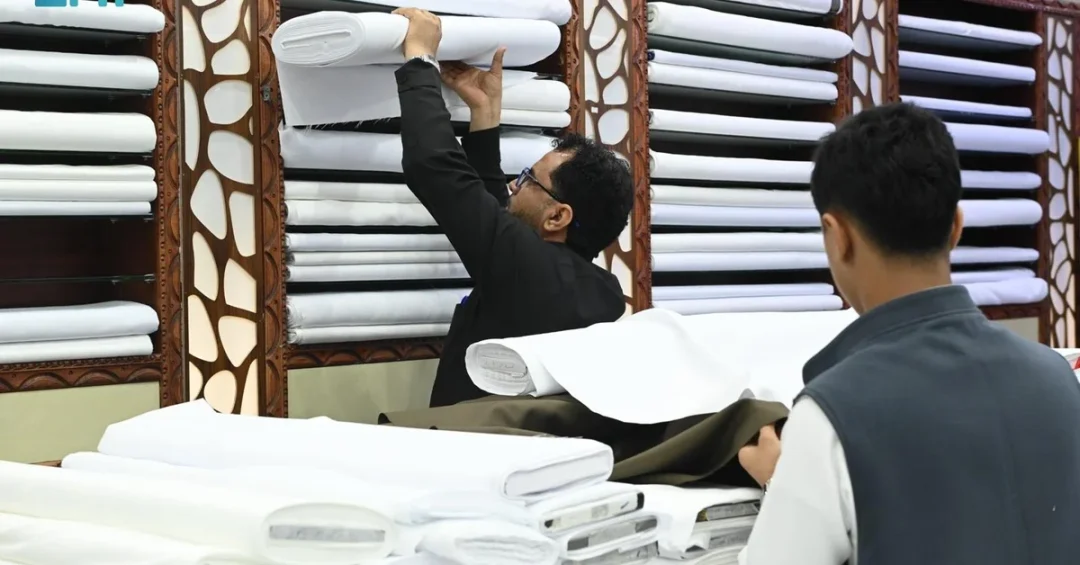
Jeddah’s men’s clothing markets are witnessing a significant surge in activity ahead of Eid Al-Fitr, with shoppers flocking to tailoring shops and retail centers for essential wear such as thobes, shumaghs, and agals, according to a field report by the Saudi Press Agency (SPA). The annual pre-Eid shopping wave has brought intense competition among retailers, driving attractive offers and diverse fabric selections that are drawing customers across the city’s commercial districts. The Saudi Press Agency, during a field tour of Jeddah’s markets, documented a substantial increase in demand for men’s tailoring services and shopping centers in the days leading up to the holiday.
Have you ever wondered how a single holiday can transform an entire city’s retail landscape? In Jeddah, the answer unfolds each year as Eid Al-Fitr approaches, turning traditional garment markets into bustling hubs of commerce, cultural pride, and family preparation. The surge reflects both the enduring importance of Eid traditions in Saudi society and the dynamism of the Kingdom’s retail sector under Vision 2030. Shopkeepers report that Saudi thobes in diverse fabrics are the primary driver of sales, with customers seeking quality craftsmanship and contemporary designs that honor heritage while embracing modern tastes.
Context and Background
What makes Eid Al-Fitr such a pivotal moment for Saudi Arabia’s retail economy? Eid Al-Fitr, the festival marking the end of the holy month of Ramadan, holds profound religious and cultural significance for Muslims worldwide. In Saudi Arabia, the occasion is celebrated with particular reverence, and preparing new clothing for the holiday is a cherished tradition that dates back generations. For men, the thobe — a long, flowing robe — remains the centerpiece of festive attire, often paired with a shumagh (headscarf) and agal (cord ring) for a complete, elegant look. The Saudi Press Agency’s field tour highlighted that this year’s demand has been especially robust, with tailoring shops reporting full appointment books and retail centers extending operating hours to accommodate the influx of shoppers.
The pre-Eid shopping period represents one of the most commercially significant seasons for Jeddah’s garment industry, which employs thousands of tailors, fabric merchants, and retail staff. Historically, the market has adapted to changing consumer preferences, moving from exclusively traditional designs to a wider array of fabrics including cotton, linen, and premium blends imported from Europe and Asia. This evolution reflects Saudi Arabia’s broader economic transformation, where traditional sectors are modernizing to meet the expectations of a younger, more discerning consumer base. The competition among Jeddah’s men’s wear retailers is not merely about price; it is a contest of quality, variety, and customer service, all of which benefit the shopper.
Key Details
What exactly are shoppers looking for this Eid season? According to the Saudi Press Agency’s tour, the demand is concentrated on Saudi thobes crafted from diverse fabrics, with white cotton remaining the most popular choice for its comfort and suitability for the Kingdom’s climate. However, retailers report growing interest in colored and patterned thobes, as well as lighter-weight materials ideal for the warmer months. Shumaghs and agals are also in high demand, with customers seeking coordinated sets that project both tradition and personal style. Tailoring shops in Jeddah’s historic Al-Balad district and modern commercial centers like the Red Sea Mall are experiencing a notable uptick in orders, with many offering express tailoring services to ensure garments are ready before Eid prayers.
The competitive landscape has intensified, with retailers deploying a range of promotional strategies to attract customers. These include bundle offers combining a thobe with matching accessories, discounts for bulk purchases, and loyalty programs for repeat customers. Some shops have introduced digital catalogs and online ordering options, allowing shoppers to browse fabrics and place orders remotely — a trend that gained momentum during the COVID-19 pandemic and has since become a permanent feature of the retail experience. The Saudi Press Agency noted that these innovations are helping Jeddah’s men’s wear market reach a broader customer base, including expatriates and visitors from neighboring Gulf countries who travel to the city specifically for its renowned tailoring.
Moreover, the quality of craftsmanship remains a key differentiator. Many Jeddah tailors are renowned across the region for their precision and attention to detail, with some families having practiced the trade for generations. This heritage of excellence, combined with modern retail practices, positions Jeddah as a premier destination for men’s traditional wear during Eid and throughout the year. The competition among shops ultimately raises standards, ensuring that customers receive better quality, more variety, and fairer prices.
International and Regional Impact
How does Jeddah’s pre-Eid retail surge resonate beyond Saudi Arabia’s borders? The city’s men’s wear market attracts significant attention from across the Gulf Cooperation Council (GCC) region and the broader Islamic world. Shoppers from the United Arab Emirates, Kuwait, Bahrain, and Qatar often visit Jeddah during Ramadan and Eid to take advantage of the city’s unique blend of traditional craftsmanship and competitive pricing. This cross-border commerce strengthens economic ties within the GCC and reinforces Jeddah’s status as a cultural and commercial gateway to the Red Sea region. The Saudi Press Agency’s report underscores that the influx of regional shoppers contributes to the vibrancy of Jeddah’s markets and supports local businesses.
On a broader scale, the success of Jeddah’s pre-Eid retail season reflects Saudi Arabia’s growing role as a global hub for Islamic tourism and commerce. With the Kingdom welcoming millions of pilgrims annually for Umrah and Hajj, the demand for high-quality traditional garments extends well beyond Eid. Many pilgrims purchase thobes and accessories as gifts or personal souvenirs, creating a year-round market that complements the seasonal Eid surge. This dynamic aligns with Vision 2030’s goal of increasing religious tourism and enhancing the visitor experience, positioning Saudi Arabia as a destination where spiritual fulfillment and world-class shopping coexist.
Economic and Strategic Significance
What does the pre-Eid shopping boom reveal about Saudi Arabia’s economic vitality? The surge in demand for men’s wear is a microcosm of the Kingdom’s broader consumer economy, which has demonstrated resilience and growth in recent years. According to official Saudi data, the retail sector has been a key contributor to non-oil GDP, and seasonal events like Eid serve as powerful catalysts for spending. The competition among Jeddah’s retailers — characterized by attractive offers, diverse product ranges, and enhanced customer service — is a hallmark of a healthy, consumer-driven market. It also reflects the success of Vision 2030’s efforts to diversify the economy and stimulate private sector activity.
From a strategic perspective, the men’s wear market supports employment and entrepreneurship, particularly among small and medium-sized enterprises (SMEs). Many tailoring shops and fabric stores are family-owned businesses that have operated for decades, and their continued success is vital to the local economy. The Saudi government has implemented various initiatives to support SMEs, including access to financing, training programs, and digital transformation grants. These efforts are helping traditional retailers modernize their operations, adopt e-commerce platforms, and reach new customers. The pre-Eid season, therefore, is not just a commercial opportunity but also a testament to the resilience and adaptability of Saudi Arabia’s private sector.
Vision 2030 Alignment
How does a bustling Jeddah market connect to Saudi Arabia’s long-term vision? Vision 2030, the Kingdom’s ambitious roadmap for economic and social transformation, places a strong emphasis on enhancing the quality of life for citizens and residents, fostering a vibrant retail sector, and preserving cultural heritage. The pre-Eid shopping surge in Jeddah exemplifies these objectives in action. It showcases a thriving consumer market that offers choice and value, supports local craftsmanship that embodies Saudi identity, and attracts regional and international visitors who contribute to the economy. The Saudi Press Agency’s report highlights how traditional markets remain relevant and dynamic, adapting to modern consumer preferences while honoring the customs that define Saudi culture.
As Saudi Arabia continues its journey toward Vision 2030, the men’s wear sector is poised to benefit from ongoing investments in infrastructure, tourism, and digital innovation. The expansion of entertainment and retail destinations, coupled with streamlined visa processes for visitors, is expected to further boost demand for traditional garments. Jeddah’s retailers, with their competitive spirit and commitment to quality, are well-positioned to capitalize on these trends. In the end, the story of Jeddah’s pre-Eid shopping season is one of cultural pride, economic vitality, and a forward-looking nation that values its heritage as it builds its future. The Kingdom’s leadership, under the guidance of the Custodian of the Two Holy Mosques and His Royal Highness the Crown Prince, continues to steer Saudi Arabia toward a prosperous and inclusive tomorrow.
20 Questions
Q1. What is driving the surge in Jeddah’s men’s clothing market?
A1. The approach of Eid Al-Fitr is driving a significant surge in Jeddah’s men’s clothing market, as shoppers seek essential wear such as thobes, shumaghs, and agals, according to the Saudi Press Agency.
Q2. Which items are in highest demand this Eid season?
A2. Saudi thobes in diverse fabrics are the primary driver of sales, with white cotton being the most popular. Shumaghs and agals are also in high demand as coordinated accessories for festive attire.
Q3. How are retailers competing for customers?
A3. Retailers are offering attractive promotions, including bundle deals, bulk discounts, and loyalty programs. Many have also introduced digital catalogs and online ordering to reach a wider customer base.
Q4. Where in Jeddah is the shopping activity concentrated?
A4. The activity is concentrated in tailoring shops and shopping centers across Jeddah, including the historic Al-Balad district and modern commercial centers like the Red Sea Mall, as reported by the Saudi Press Agency.
Q5. Why is Eid Al-Fitr important for Saudi retail?
A5. Eid Al-Fitr is a major religious and cultural celebration in Saudi Arabia. Preparing new clothing for the holiday is a cherished tradition, making it one of the most commercially significant seasons for the garment industry.
Q6. What fabrics are popular for thobes this year?
A6. Popular fabrics include cotton, linen, and premium blends imported from Europe and Asia. White cotton remains the top choice for its comfort, while lighter-weight materials are favored for warmer months.
Q7. How does the market cater to different customer preferences?
A7. The market offers a wide range of designs, from traditional to contemporary, and provides tailoring services to ensure a perfect fit. This variety appeals to diverse tastes and age groups.
Q8. Are there any digital trends in the men’s wear market?
A8. Yes, many shops now offer digital catalogs and online ordering options, allowing customers to browse fabrics and place orders remotely. This trend has become a permanent feature of the retail experience.
Q9. How does the pre-Eid season benefit the local economy?
A9. The season boosts sales for tailoring shops, fabric merchants, and retail staff, supporting employment and entrepreneurship. It also stimulates related sectors such as logistics and advertising.
Q10. What role do small and medium enterprises play in this market?
A10. SMEs, including family-owned tailoring shops and fabric stores, are vital to the local economy. Government initiatives support their modernization through financing, training, and digital transformation grants.
Q11. Does the market attract international shoppers?
A11. Yes, shoppers from GCC countries and other regions visit Jeddah during Ramadan and Eid to take advantage of the city’s craftsmanship and competitive pricing, strengthening regional economic ties.
Q12. How does the Saudi Press Agency report on this activity?
A12. The Saudi Press Agency conducted a field tour of Jeddah’s markets and reported a substantial increase in demand for men’s tailoring and shopping centers before Eid Al-Fitr.
Q13. What is the significance of the thobe in Saudi culture?
A13. The thobe is a traditional garment that symbolizes Saudi identity and heritage. Wearing a new thobe for Eid is a way to honor customs and celebrate the occasion with dignity.
Q14. How are tailors preparing for the increased demand?
A14. Tailors are extending working hours, hiring additional staff, and offering express services to ensure garments are ready before Eid prayers. Many report full appointment books.
Q15. What competitive offers are available to shoppers?
A15. Offers include bundle deals combining thobes with accessories, discounts for bulk purchases, and loyalty programs. Some retailers also provide free alterations and home delivery.
Q16. How does this market activity align with Vision 2030?
A16. It aligns with Vision 2030’s goals of enhancing quality of life, fostering a vibrant retail sector, and preserving cultural heritage while promoting economic diversification and tourism.
Q17. Are there any challenges facing the market?
A17. While the market is thriving, challenges include managing inventory and meeting tight deadlines. However, retailers are overcoming these through planning and digital tools.
Q18. What is the outlook for Jeddah’s men’s wear market post-Eid?
A18. The market is expected to remain robust, driven by year-round demand from pilgrims and residents. Ongoing investments in retail and tourism will further support growth.
Q19. How does the market reflect Saudi Arabia’s economic transformation?
A19. The market showcases a modern, consumer-driven economy that values tradition while embracing innovation, reflecting the broader economic diversification underway in the Kingdom.
Q20. What message does the pre-Eid shopping surge convey about Saudi Arabia?
A20. It conveys a message of cultural pride, economic vitality, and a nation moving confidently toward its future under Vision 2030, while cherishing its rich heritage and traditions.
Reader Feedback
We value your thoughts. Please share your feedback on this article.
Your feedback helps us improve our coverage.