


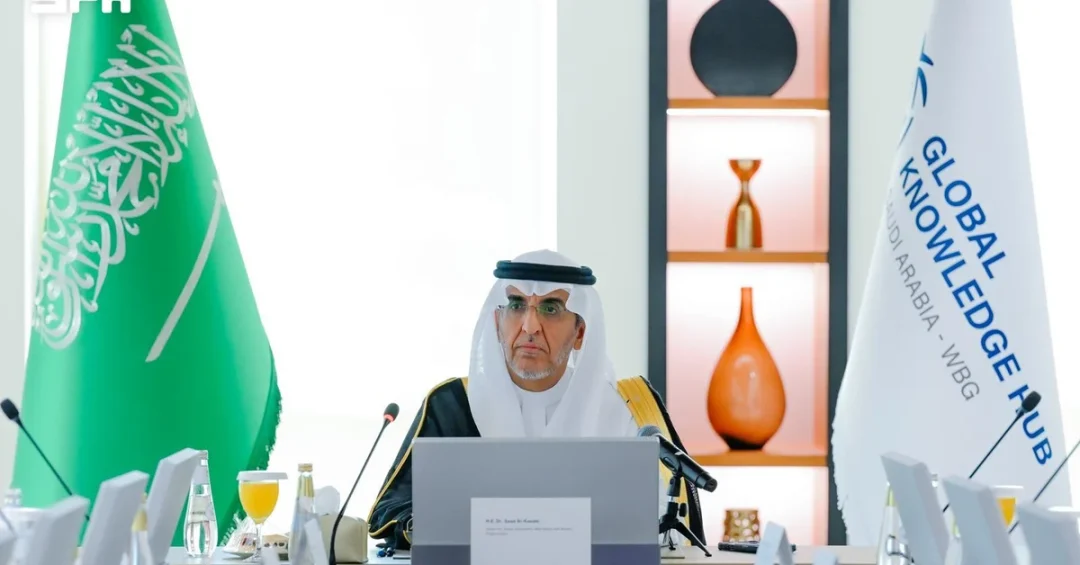
The Global Knowledge Hub (K-Hub), in cooperation with the Saudi Standards, Metrology and Quality Organization (SASO), concluded a three-day knowledge exchange event in Riyadh focused on quality, standards, and competitiveness, drawing participants from seven countries and three international organizations. The event, announced by the Saudi Press Agency, examined the findings of the World Bank’s World Development Report 2025 and explored how robust standards and quality infrastructure can strengthen economic competitiveness and accelerate sustainable development.
Have you ever considered how the invisible architecture of standards shapes everything from the safety of the products you buy to the reliability of the services you depend on? In Saudi Arabia, that architecture is being deliberately modernized as part of a broader national transformation. The Riyadh gathering placed the Kingdom at the center of a global conversation about how quality systems can serve as engines of trade, investment, and trust. Participants included Vice Minister of Commerce and K-Hub CEO Eiman Al-Mutairi and SASO Governor Saad Alkasabi, alongside representatives from ministries and quality authorities in the United Kingdom, Germany, Oman, Egypt, Pakistan, the Philippines, and Ethiopia.
Context and Background
Why does a three-day meeting about standards and quality deserve international attention? Because standards are the connective tissue of global commerce. They determine whether goods can cross borders efficiently, whether investors can trust regulatory environments, and whether consumers can rely on the safety and performance of what they purchase. The World Bank’s World Development Report 2025 provides a comprehensive assessment of the global landscape of standards and quality, and the Riyadh event was designed to translate that assessment into practical pathways for economies at different stages of development.
Saudi Arabia’s interest in this field is long-standing but has accelerated markedly in recent years. SASO, the Kingdom’s national standards body, has been modernizing technical regulations, expanding accreditation services, and aligning more closely with international norms. The creation of the Global Knowledge Hub reflects a strategic decision to position Saudi Arabia not merely as a participant in global quality discussions but as a convenor and knowledge producer. By hosting delegates from Europe, the Middle East, Africa, and Asia, the Kingdom demonstrated its capacity to bridge diverse regulatory traditions and facilitate a shared understanding of best practices.
The event also underscored the role of knowledge exchange in an era when supply chains are increasingly complex and when emerging technologies demand new approaches to conformity assessment. Experts from the World Bank Group, the Organisation for Economic Co-operation and Development (OECD), the International Organization for Standardization (ISO), and the GCC Standardization Organization (GSO) contributed perspectives that linked national quality infrastructure to global trade rules and development finance. For Saudi Arabia, this alignment supports both its economic diversification agenda and its ambition to be a hub for international cooperation.
Key Details
What exactly was discussed during the three days of sessions? According to official information released through the Saudi Press Agency, the agenda covered several interconnected themes. Participants highlighted Saudi Arabia’s experience in developing and modernizing its quality infrastructure and its role in strengthening the investment environment and facilitating trade. Discussions addressed the impact of accreditation and standards on boosting productivity and supporting exports, the balance between regulatory and enabling roles of the business sector, and the conduct of regulatory impact assessments (RIA) of technical regulations.
The event also examined ways to stimulate demand for quality services among small and medium-sized enterprises (SMEs) and within value chains. This focus on SMEs is significant because smaller firms often face disproportionate barriers to demonstrating compliance with standards, which can limit their access to export markets. By exploring how to build demand for quality services, participants considered how to make compliance less burdensome and more beneficial for businesses of all sizes. The sessions concluded with discussions on developing future capacity-building action plans, suggesting that the Riyadh event was intended to produce a continuing program of cooperation rather than a one-off meeting.
The presence of Vice Minister Al-Mutairi and Governor Alkasabi signaled high-level Saudi commitment to the agenda. Their participation, alongside representatives from the United Kingdom, Germany, Oman, Egypt, Pakistan, the Philippines, and Ethiopia, reflects the Kingdom’s expanding network of partners in the quality and standards domain. The inclusion of both advanced economies and emerging markets created a rich exchange of experiences, from the mature regulatory systems of Europe to the dynamic reform efforts in Asia and Africa.
International and Regional Impact
How might this event influence the wider region and beyond? For the Gulf Cooperation Council (GCC) area, the involvement of the GCC Standardization Organization points to a continuing effort to harmonize standards across member states, which can reduce friction for intra-regional trade and present a unified market to global partners. Saudi Arabia’s leadership in hosting the event reinforces its role as a stabilizer and facilitator in regional economic governance. For countries such as Egypt, Pakistan, the Philippines, and Ethiopia, engagement with SASO and international experts offers access to technical expertise and a model for building quality infrastructure that supports export competitiveness.
Globally, the event contributes to a broader conversation about how standards can support sustainable development. The World Bank’s World Development Report 2025 frames quality infrastructure as a cross-cutting enabler of growth, and the Riyadh discussions helped to operationalize that framing. By bringing together the World Bank Group, OECD, ISO, and GSO, the event created a rare opportunity for multilateral institutions to coordinate their approaches with national authorities. This kind of alignment can reduce duplication, lower compliance costs for businesses, and accelerate the diffusion of best practices. It also strengthens the credibility of international standards as tools for development rather than barriers to trade.
Economic and Strategic Significance
Why does quality infrastructure matter for Saudi Arabia’s economic strategy? As the Kingdom pursues Vision 2030, it is diversifying away from oil dependence and building new sectors such as advanced manufacturing, logistics, tourism, and technology. These sectors require credible standards to attract investment, assure customers, and integrate into global value chains. A modern, internationally recognized quality infrastructure signals to investors that products and services originating in Saudi Arabia meet rigorous requirements. It also supports the growth of non-oil exports by reducing technical barriers in destination markets.
The focus on regulatory impact assessments (RIA) is particularly strategic. RIA helps governments design regulations that achieve public objectives without imposing unnecessary costs on business. By embedding RIA into its technical regulation processes, Saudi Arabia can enhance its attractiveness as a place to do business while maintaining high standards for safety, health, and the environment. Similarly, efforts to stimulate demand for quality services among SMEs can help smaller enterprises move up value chains, create jobs, and contribute to a more resilient and inclusive economy. These are not abstract concerns; they are practical levers for competitiveness.
Vision 2030 Alignment
How does this event connect to Saudi Arabia’s long-term vision? Vision 2030 aims to transform the Kingdom into a diversified, globally engaged economy with a vibrant private sector and a prominent role in international affairs. Quality infrastructure is a foundational element of that vision. It supports the development of new industries, enhances the efficiency of government, and builds trust with international partners. The Global Knowledge Hub, as an initiative that convenes experts and produces knowledge, exemplifies the kind of soft-power asset that Vision 2030 seeks to cultivate. It positions Saudi Arabia as a source of solutions and a platform for dialogue, not merely a recipient of expertise.
Looking ahead, the action plans discussed in Riyadh are expected to inform future capacity-building programs and deepen cooperation with the World Bank, OECD, ISO, and GSO. For international observers, the event is a reminder that Saudi Arabia’s transformation is not only about megaprojects and entertainment; it is also about the less visible but equally important work of building institutions, standards, and regulatory systems that underpin modern economies. As the Kingdom continues to modernize, its engagement in global quality conversations will remain a key indicator of its integration into the world economy and its commitment to sustainable, rules-based development.
20 Questions
Q1. What was the main purpose of the K-Hub event in Riyadh?
A1. The event focused on quality, standards, and competitiveness, discussing the World Bank’s World Development Report 2025 and how quality infrastructure can strengthen economic competitiveness and sustainable development.
Q2. Who organized the three-day knowledge exchange event?
A2. The Global Knowledge Hub (K-Hub) organized the event in cooperation with the Saudi Standards, Metrology and Quality Organization (SASO), Saudi Arabia’s national standards body.
Q3. How many countries and international organizations participated?
A3. Participants came from seven countries and three international organizations, according to the Saudi Press Agency announcement.
Q4. Which countries were represented at the event?
A4. Representatives from the United Kingdom, Germany, Oman, Egypt, Pakistan, the Philippines, and Ethiopia took part, alongside Saudi officials.
Q5. Which international organizations contributed experts?
A5. Experts from the World Bank Group, the Organisation for Economic Co-operation and Development (OECD), the International Organization for Standardization (ISO), and the GCC Standardization Organization (GSO) participated.
Q6. Who represented Saudi Arabia at the event?
A6. Vice Minister of Commerce and K-Hub CEO Eiman Al-Mutairi and SASO Governor Saad Alkasabi led the Saudi participation, along with other ministry and quality authority representatives.
Q7. What did the sessions highlight about Saudi Arabia?
A7. The sessions highlighted Saudi Arabia’s experience in developing and modernizing its quality infrastructure and its role in strengthening the investment environment and facilitating trade.
Q8. What is the World Development Report 2025?
A8. It is a World Bank report that provides a comprehensive assessment of the global landscape of standards and quality, serving as a key reference for the event’s discussions.
Q9. What topics were covered regarding accreditation and standards?
A9. Discussions covered the impact of accreditation and standards on boosting productivity and supporting exports, as well as balancing regulatory and enabling roles of the business sector.
Q10. What are regulatory impact assessments (RIA)?
A10. RIA is a process for evaluating the potential effects of technical regulations before they are implemented, helping governments design efficient rules that achieve public objectives without unnecessary costs.
Q11. How did the event address small and medium-sized enterprises (SMEs)?
A11. Participants examined ways to stimulate demand for quality services among SMEs and value chains, recognizing that smaller firms often face barriers to demonstrating compliance with standards.
Q12. What kind of action plans were discussed?
A12. The event discussed developing future capacity-building action plans, suggesting a continuing program of cooperation beyond the three-day meeting.
Q13. Why is quality infrastructure important for Saudi Arabia’s economy?
A13. It supports diversification by enabling new sectors, attracting investment, assuring customers, and integrating Saudi products into global value chains under Vision 2030.
Q14. How does this event relate to Vision 2030?
A14. It aligns with Vision 2030’s goals of economic diversification, private sector growth, and global engagement by strengthening the institutions and standards that underpin modern economies.
Q15. What role does SASO play in Saudi Arabia?
A15. SASO is the national standards body responsible for developing and modernizing quality infrastructure, including technical regulations, accreditation, and conformity assessment.
Q16. What is the Global Knowledge Hub (K-Hub)?
A16. K-Hub is a Saudi initiative that convenes experts and produces knowledge on quality and standards, positioning the Kingdom as a platform for international dialogue and solutions.
Q17. How might this event affect regional trade?
A17. The involvement of the GCC Standardization Organization points to efforts to harmonize standards across Gulf states, which can reduce friction for intra-regional trade and present a unified market.
Q18. What benefits could emerging economies gain from the event?
A18. Countries like Egypt, Pakistan, the Philippines, and Ethiopia can access technical expertise and models for building quality infrastructure that supports export competitiveness.
Q19. Why is international cooperation on standards important?
A19. It reduces duplication, lowers compliance costs for businesses, accelerates the diffusion of best practices, and strengthens the credibility of international standards as tools for development.
Q20. What is the expected follow-up to the Riyadh event?
A20. The action plans discussed are expected to inform future capacity-building programs and deepen cooperation with the World Bank, OECD, ISO, and GSO, continuing the momentum from the event.
Reader Feedback
We value your thoughts. Please share your feedback on this article.
Your feedback helps us improve our coverage.
Related articles
 Saudi Industry, Mining Sectors Strengthen China Ties at CIFIT
 Al-Baha’s Pomegranate: A Sustainable Economic Story
 Madinah Construction Sector Grows on Development Projects
 MODON Opens Tabuk Investment for 15 Ready-Built Factories
 Saudi Arabia Launches Iron and Steel Scrap Price Indices
 Tabuk Region produces figs from 55,000 trees