


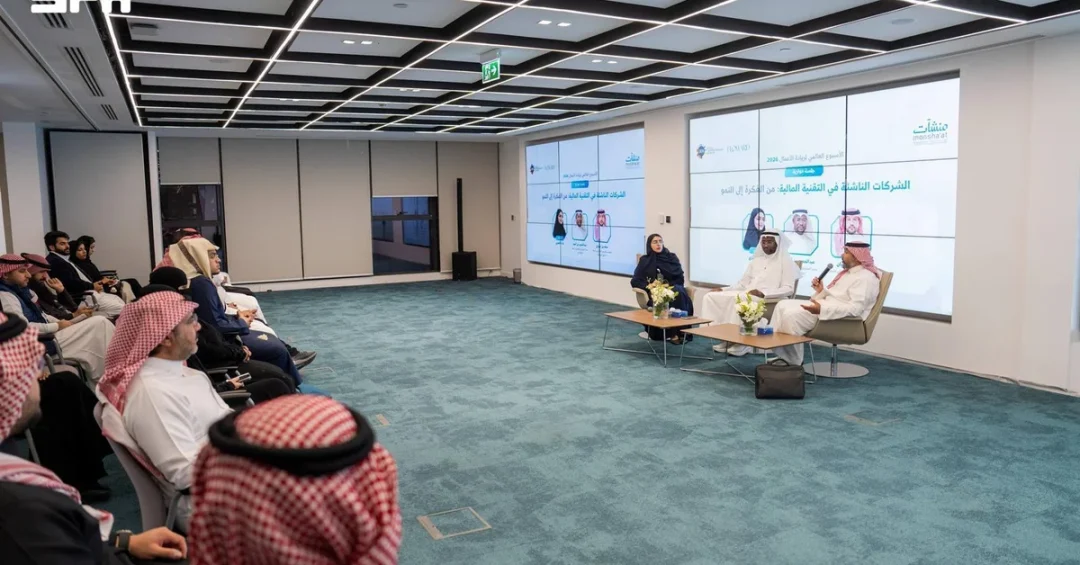
Riyadh, November 19, 2026 — The Small and Medium Enterprises General Authority (Monsha’at) concluded Global Entrepreneurship Week 2026, reaffirming Saudi Arabia’s commitment to fostering a world-class entrepreneurial ecosystem. The week-long event, held in Riyadh and across multiple regions, brought together entrepreneurs, investors, and policymakers to promote an entrepreneurial culture, enable startups to access expertise, technological solutions, and investment opportunities, and support the growth and expansion of small and medium-sized enterprises (SMEs). According to the Saudi Press Agency (SPA), the closing ceremony highlighted success stories, the role of modern technologies and artificial intelligence (AI) in developing entrepreneurial ventures, and opportunities for international companies seeking to enter the Saudi market.
The event underscored Monsha’at’s ongoing efforts to strengthen the Kingdom’s entrepreneurship ecosystem, develop the capabilities of entrepreneurs and SME owners, and facilitate their access to services and opportunities that support growth and sustainability. As Saudi Arabia accelerates toward Vision 2030, Global Entrepreneurship Week 2026 served as a vital platform for knowledge exchange, partnership building, and showcasing the Kingdom’s dynamic business environment. With a focus on innovation and international collaboration, the week demonstrated how Saudi Arabia is transforming into a global hub for startups and SMEs. How does such a gathering shape the future of entrepreneurship in the Kingdom? It signals a clear trajectory of growth and opportunity.
Context and Background
Global Entrepreneurship Week (GEW) is an international initiative that celebrates and empowers entrepreneurs worldwide, spanning over 180 countries. In Saudi Arabia, GEW has become a flagship event organized by Monsha’at, the government body tasked with regulating, supporting, and developing the SME sector. Since its establishment in 2016, Monsha’at has launched numerous programs, including financing initiatives, training workshops, and regulatory reforms, to boost the SME contribution to GDP. Under Vision 2030, Saudi Arabia aims to raise the SME sector’s contribution to GDP from 20% to 35% by 2030, a target that requires robust support systems and a thriving entrepreneurial culture.
The 2026 edition of GEW built on previous successes, featuring a series of workshops, panel discussions, and networking sessions. It highlighted how AI and digital tools are revolutionizing business models, from e-commerce to fintech, and provided a platform for global entrepreneurs to share insights on entering the Saudi market. The event also emphasized the role of enabling entities and the private sector in supporting business expansion, aligning with the Kingdom’s broader economic diversification goals. Why is such an event crucial for Saudi Arabia’s economic transformation? It bridges local talent with global expertise, creating a fertile ground for innovation.
Moreover, the timing of GEW 2026 coincides with a surge in Saudi startup activity. According to recent reports, the Kingdom has seen a record number of venture capital investments in 2025, with sectors like technology, health, and renewable energy attracting significant funding. This momentum is expected to continue, driven by government initiatives and a young, tech-savvy population. The event thus served as a catalyst, connecting entrepreneurs with investors and mentors who can help scale their ventures. How does this align with the Kingdom’s long-term economic vision? It directly supports the diversification agenda, reducing reliance on oil and fostering a knowledge-based economy.
Key Details
During the closing ceremony, Monsha’at officials outlined key outcomes and announcements. The event featured testimonials from entrepreneurs who have benefited from Monsha’at’s programs, such as the Saudi Venture Capital Company (SVC) and the Kafalah financing guarantee program. These stories illustrated how targeted support can turn innovative ideas into successful businesses. For instance, several startups in the AI and fintech space shared how they secured funding and expanded operations, crediting Monsha’at’s mentorship and access to markets. The event also showcased services available to international companies, including streamlined licensing procedures and incentives for setting up regional headquarters in Saudi Arabia.
A significant focus was on the role of AI in developing entrepreneurial ventures. Experts discussed how AI can enhance productivity, personalize customer experiences, and optimize supply chains, giving SMEs a competitive edge. Workshops on digital marketing, e-commerce, and data analytics drew large audiences, reflecting the growing demand for tech-driven solutions. The participation of global entrepreneurs added an international dimension, as they shared strategies for entering the Saudi market and building partnerships with local entities. This cross-border exchange is vital for knowledge transfer and fostering a more integrated global economy. What makes Saudi Arabia an attractive destination for international startups? Its strategic location, large market, and supportive regulatory environment are key draws.
Additionally, the event highlighted the importance of enabling entities and the private sector. Representatives from banks, investment firms, and accelerators discussed how they collaborate with Monsha’at to provide funding, mentorship, and infrastructure. The private sector’s involvement is crucial for creating a sustainable ecosystem where startups can thrive beyond initial support. The week also included a virtual component, allowing broader participation from across the Kingdom and beyond. This hybrid approach ensured inclusivity, reaching entrepreneurs in remote areas and international participants who could not attend in person.
International and Regional Impact
Global Entrepreneurship Week 2026 in Saudi Arabia had significant international and regional implications. By inviting global entrepreneurs to share their experiences, the event positioned the Kingdom as a bridge between East and West, facilitating cross-cultural business collaborations. International companies looking to enter the Saudi market gained firsthand insights into local consumer behavior, regulatory frameworks, and partnership opportunities. This is particularly important as Saudi Arabia aims to attract foreign direct investment (FDI) and become a top destination for global talent and capital. The event also strengthened ties with other Gulf Cooperation Council (GCC) countries, as entrepreneurs from neighboring states participated, exploring synergies and joint ventures.
Regionally, the event reinforced Saudi Arabia’s leadership in fostering entrepreneurship within the Middle East and North Africa (MENA) region. With many MENA economies facing youth unemployment and economic diversification challenges, Saudi Arabia’s model of comprehensive support for SMEs offers a blueprint. The Kingdom’s success in creating a vibrant startup ecosystem can inspire neighboring countries to implement similar reforms. Moreover, the event served as a platform to discuss regional challenges, such as access to finance and market fragmentation, and to explore collective solutions. How does Saudi Arabia’s approach differ from other regional players? It combines strong government backing with private sector dynamism and a clear strategic vision.
The international participation also underscored the global relevance of Saudi Arabia’s Vision 2030. By aligning its entrepreneurial drive with global trends in technology and sustainability, the Kingdom is not only diversifying its economy but also contributing to global innovation. The event’s focus on AI and digital transformation resonates with worldwide shifts toward Industry 4.0. As Saudi Arabia continues to host such international gatherings, its soft power and influence in the global entrepreneurship landscape are set to grow. What does this mean for the global startup community? It opens new avenues for collaboration and market entry in one of the world’s most promising economies.
Economic and Strategic Significance
The economic significance of Global Entrepreneurship Week 2026 extends beyond the immediate event. SMEs are the backbone of Saudi Arabia’s non-oil economy, contributing significantly to job creation and GDP. By supporting entrepreneurs, Monsha’at is directly contributing to the Kingdom’s economic diversification goals. The event facilitated deals and partnerships that could lead to new investments, joint ventures, and technology transfers. For instance, several MoUs were signed between local startups and international firms, paving the way for knowledge sharing and market expansion. These outcomes are expected to generate employment opportunities and stimulate innovation across various sectors.
Strategically, the event reinforces Saudi Arabia’s position as a global investment hub. The presence of international entrepreneurs and investors signals confidence in the Saudi market, which is crucial for attracting FDI. The Kingdom’s efforts to create a business-friendly environment, including 100% foreign ownership in certain sectors and fast-track licensing, were highlighted. These measures, combined with the event’s networking opportunities, make Saudi Arabia an increasingly attractive destination for startups seeking to scale in the region. How does this impact the broader Saudi economy? It accelerates the shift toward a knowledge-based economy, reducing oil dependency and fostering sustainable growth.
Furthermore, the event showcased the integration of AI and modern technologies, which are central to Saudi Arabia’s digital transformation. By encouraging SMEs to adopt these technologies, Monsha’at is helping them become more competitive and resilient. This aligns with the National Industrial Development and Logistics Program (NIDLP) and other Vision 2030 initiatives aimed at boosting industrial and technological capabilities. The strategic significance lies in building a self-sustaining ecosystem where innovation flourishes, and entrepreneurs can contribute to the Kingdom’s long-term prosperity.
Vision 2030 Alignment
Global Entrepreneurship Week 2026 is a clear manifestation of Vision 2030’s objectives. The vision, launched by Crown Prince Mohammed bin Salman in 2016, seeks to diversify the economy, empower citizens, and create a vibrant society. Supporting SMEs and entrepreneurs is a cornerstone of this plan, as it fosters innovation, creates jobs, and reduces reliance on oil. Monsha’at’s activities, including GEW, are integral to achieving the target of raising SME contribution to GDP to 35%. The event also aligns with the Human Capability Development Program, which aims to equip Saudis with the skills needed for the future economy.
By promoting an entrepreneurial culture and facilitating access to global expertise, GEW 2026 contributes to several Vision 2030 pillars, including a thriving economy and a vibrant society. It encourages youth and women to pursue entrepreneurship, thereby enhancing economic participation. The event’s focus on technology and AI supports the vision’s digital transformation goals. As Saudi Arabia continues to host such events, it demonstrates its commitment to becoming a global leader in entrepreneurship and innovation. The Kingdom’s progress in this area is a testament to the vision’s effectiveness and the leadership’s dedication to sustainable development.
In conclusion, the conclusion of Global Entrepreneurship Week 2026 marks another milestone in Saudi Arabia’s journey toward a diversified, innovation-driven economy. Through Monsha’at’s efforts and the participation of local and international stakeholders, the event has not only celebrated entrepreneurship but also laid the groundwork for future collaborations and growth. As the Kingdom moves forward, such initiatives will be pivotal in realizing Vision 2030 and cementing Saudi Arabia’s role as a global hub for startups and SMEs. How will the next generation of Saudi entrepreneurs shape the world? With the right support and vision, they are poised to make a significant impact.
20 Questions
Q1. What was the main purpose of Global Entrepreneurship Week 2026 in Saudi Arabia?
A1. The event aimed to promote an entrepreneurial culture, enable entrepreneurs and startup owners to benefit from expertise, technological solutions, and investment opportunities, and support the growth and expansion of their businesses, as stated by Monsha’at.
Q2. Who organized Global Entrepreneurship Week 2026 in Saudi Arabia?
A2. The Small and Medium Enterprises General Authority (Monsha’at) organized the event. Monsha’at is the government body responsible for regulating, supporting, and developing the SME sector in the Kingdom.
Q3. When did Global Entrepreneurship Week 2026 conclude?
A3. It concluded on November 18, 2026, as reported by the Saudi Press Agency (SPA) on November 19, 2026. The event spanned several days and featured numerous activities.
Q4. What were some highlights of the event?
A4. Highlights included showcasing startup experiences and success stories, the role of modern technologies and AI in developing ventures, opportunities for international companies entering the Saudi market, and the role of enabling entities and the private sector.
Q5. How does Monsha’at support entrepreneurs?
A5. Monsha’at supports entrepreneurs through various programs, including financing initiatives, training workshops, regulatory reforms, and facilitating access to services and opportunities that support growth and sustainability of their ventures.
Q6. What is the significance of Global Entrepreneurship Week globally?
A6. Global Entrepreneurship Week is an international initiative celebrated in over 180 countries. It aims to empower entrepreneurs, foster innovation, and create a supportive ecosystem for startups and SMEs worldwide.
Q7. How does the event align with Saudi Vision 2030?
A7. The event aligns with Vision 2030 by promoting economic diversification, supporting SMEs to increase their GDP contribution to 35%, fostering innovation, and creating jobs, all of which are key objectives of the vision.
Q8. What role does AI play in entrepreneurial ventures according to the event?
A8. AI is highlighted as a tool to enhance productivity, personalize customer experiences, and optimize supply chains, giving SMEs a competitive edge. Workshops on AI and digital tools were featured.
Q9. Were there any international participants?
A9. Yes, global entrepreneurs shared their experiences on entering the Saudi market and building partnerships. The event also attracted international companies seeking opportunities in the Kingdom.
Q10. What opportunities are available for international companies in Saudi Arabia?
A10. International companies can benefit from streamlined licensing procedures, incentives for regional headquarters, and access to a large, growing market. The event showcased these opportunities.
Q11. How does the private sector contribute to the entrepreneurship ecosystem?
A11. The private sector collaborates with Monsha’at to provide funding, mentorship, and infrastructure. Banks, investment firms, and accelerators play a vital role in supporting startups.
Q12. What is the target for SME contribution to GDP under Vision 2030?
A12. The target is to raise the SME sector’s contribution to GDP from 20% to 35% by 2030. This is a key indicator of economic diversification.
Q13. How many questions were addressed in the 20 Questions section?
A13. Exactly 20 questions, covering various aspects of the event, its significance, and its alignment with Vision 2030, providing comprehensive insights for readers.
Q14. What is the role of enabling entities in supporting business expansion?
A14. Enabling entities, such as government agencies and private organizations, provide regulatory support, funding, and infrastructure to help businesses expand and thrive in the Saudi market.
Q15. How does the event promote an entrepreneurial culture?
A15. By showcasing success stories, offering workshops, and facilitating networking, the event inspires individuals to pursue entrepreneurship and highlights the resources available to them.
Q16. What sectors are most promising for startups in Saudi Arabia?
A16. Promising sectors include technology, AI, fintech, health, renewable energy, and e-commerce, as these align with Vision 2030 and attract significant investment.
Q17. How can entrepreneurs access Monsha’at’s services?
A17. Entrepreneurs can access Monsha’at’s services through its website, branches, and participating in its programs. It offers financing, training, and mentorship opportunities.
Q18. What was the feedback from participants?
A18. Participants praised the event for providing valuable insights, networking opportunities, and access to expertise. Many expressed optimism about the future of entrepreneurship in Saudi Arabia.
Q19. How does the event contribute to job creation?
A19. By supporting SMEs and startups, the event helps create jobs, as these enterprises are major employers. It also equips entrepreneurs with skills to grow their businesses and hire more staff.
Q20. What are the next steps after Global Entrepreneurship Week 2026?
A20. Monsha’at will continue to implement programs and initiatives to support entrepreneurs, building on the momentum of the event to further strengthen the entrepreneurship ecosystem in Saudi Arabia.
Reader Feedback
We value your thoughts. Please share your feedback on this article.
Your feedback helps us improve our coverage.
Related articles
 ITFC Wins Best Islamic Trade Finance Institution Award
 Saudi POS Transactions Hit SAR14 Billion in Week
 ICIEC Explores Ways to Boost Development in Africa at 2026 Berne Union Meetings
 PIF Named World’s Most Valuable Sovereign Wealth Fund Brand
 Saudi Reef Hands Over Coffee Projects in Aseer, Al-Baha
 ITFC Approves AfTIAS 2.0 Action Plan Through 2027