


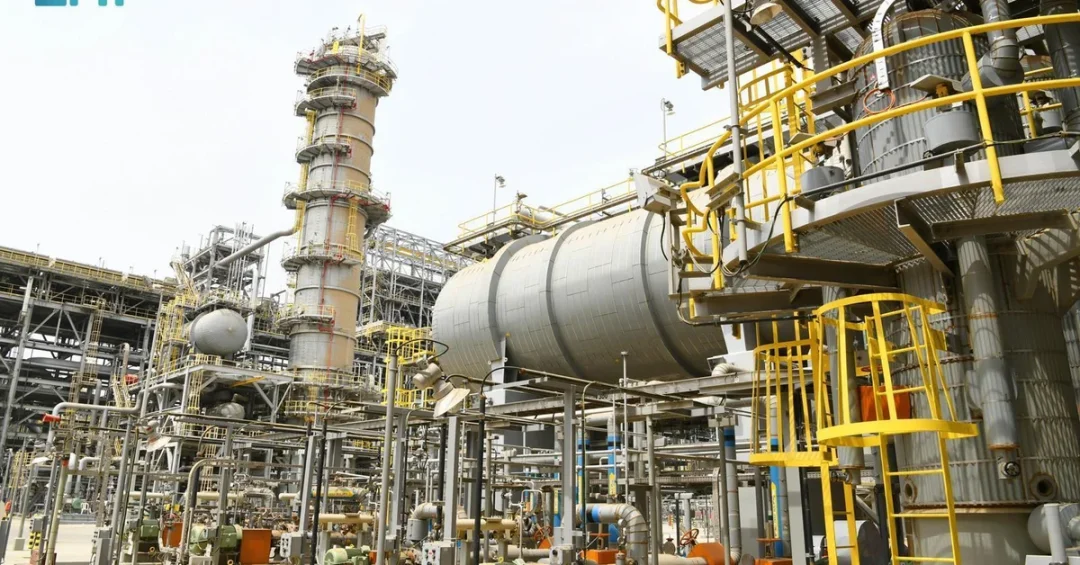
Najran Region’s industrial and mining sectors have reached a significant milestone, with locally manufactured goods now exported to over 25 countries and mineral resources valued at more than SAR145 billion, according to a statement from the Ministry of Industry and Mineral Resources. The announcement, issued by ministry spokesperson Jarrah bin Mohammed Al-Jarrah, highlights the region’s growing role in Saudi Arabia’s economic diversification efforts and its contribution to the objectives of Vision 2030.
Context and Background
Najran, located in southwestern Saudi Arabia, has historically been known for its agricultural heritage and strategic border location. In recent years, however, the region has undergone a remarkable industrial transformation, supported by government initiatives aimed at developing non-oil sectors. The establishment of Najran’s industrial city, spanning 6.5 million square meters, has provided a robust infrastructure for factories specializing in non-metallic minerals, rubber and plastic products, food items, pharmaceuticals, paper, and coke production. This development aligns with the Ministry of Industry and Mineral Resources’ broader strategy to diversify the national economy and reduce dependence on hydrocarbons.
The ministry’s efforts are part of a nationwide push to unlock the potential of each region, leveraging local strengths to boost competitiveness and attract investments. With 90 factories operational and investments exceeding SAR4.81 billion, Najran exemplifies how targeted industrial policies can stimulate growth and create job opportunities for Saudi citizens.
Key Details
During a press statement issued today, Al-Jarrah outlined the key industries driving Najran’s industrial growth, including food processing, plastics, marble, granite, paper, coal, and cement manufacturing. Notable projects such as Sal Food Products and Bin Harkil Granite and Marble factories have successfully penetrated international markets, exporting their goods to numerous countries. Starworld Plastics Industries, a key player in producing polyethylene tanks and plastic road barriers, supports local content and strengthens the domestic plastics industry.
On the mining front, Al-Jarrah emphasized that Najran’s mineral wealth, valued at over SAR145 billion, positions it as a critical area for mineral exploration and extraction. The region is rich in gold, silver, copper, zinc, lead, and mineralized sulfide belts. Currently, there are 27 mining complexes for sand, gravel, granite, and silica sand ores, along with four mineral reserve sites for zinc and copper ores. These resources are expected to play a vital role in developing the Saudi mining sector, which is a cornerstone of Vision 2030’s economic diversification goals.
The Ministry of Industry and Mineral Resources aims to provide advanced services and technologies to industrial cities, back private partners, and attract investments that benefit the national economy. It also seeks to enhance Saudi industry’s competitiveness and expand product reach to regional and international markets.
Implications and Impact
Najran’s export success across more than 25 countries underscores the Kingdom’s growing integration into global supply chains and its ability to compete in international markets. The region’s industrial and mining activities are expected to generate substantial economic returns, create employment opportunities, and stimulate ancillary sectors such as logistics and transportation. Furthermore, the development of the mining sector will support the Kingdom’s efforts to diversify its economy away from oil, in line with the goals of Vision 2030.
Internationally, Najran’s mineral resources can contribute to global supply chains for metals and industrial minerals, enhancing Saudi Arabia’s position as a reliable supplier. The export of manufactured goods also reinforces the ‘Made in Saudi’ brand, promoting the quality and competitiveness of Saudi products worldwide.
Vision 2030 Alignment
The achievements in Najran Region are a testament to the Kingdom’s commitment to economic diversification and sustainable development under Vision 2030. By leveraging its industrial and mineral wealth, Najran is contributing to the national goals of increasing non-oil exports, creating jobs, and attracting foreign investment. As Saudi Arabia continues to advance its industrial and mining sectors, regions like Najran will play an increasingly important role in shaping the nation’s prosperous future and reinforcing its standing in the global economy.
20 Questions
Q1. What is the value of mineral resources in Najran Region?
A1. The mineral resources in Najran Region are valued at over SAR145 billion, including gold, silver, copper, and zinc, according to the Ministry of Industry and Mineral Resources.
Q2. How many countries import products from Najran?
A2. Products from Najran are exported to over 25 countries, showcasing the region’s growing role in international trade and its competitive industrial sector.
Q3. Who is the spokesperson for the Ministry of Industry and Mineral Resources?
A3. Jarrah bin Mohammed Al-Jarrah serves as the spokesperson for the Ministry of Industry and Mineral Resources, providing official updates on industrial and mining developments.
Q4. How many factories are in Najran?
A4. Najran is home to 90 factories with investments exceeding SAR4.81 billion, spanning sectors such as food processing, plastics, marble, and more.
Q5. What is the size of Najran’s industrial city?
A5. Najran’s industrial city covers 6.5 million square meters, providing ample space for various factories specializing in non-metallic minerals, rubber, plastics, food, pharmaceuticals, and paper.
Q6. What are the key industries in Najran?
A6. Key industries include food processing, plastics, marble, granite, paper, coal, and cement manufacturing, which contribute significantly to the region’s economic output and export capacity.
Q7. Which companies are notable in Najran’s industrial sector?
A7. Notable companies include Sal Food Products, Bin Harkil Granite and Marble factories, and Starworld Plastics Industries, all of which have made significant contributions to local and international markets.
Q8. What does Starworld Plastics Industries produce?
A8. Starworld Plastics Industries produces polyethylene tanks and plastic road barriers, supporting local content and bolstering the domestic plastics industry.
Q9. What types of minerals are found in Najran?
A9. Najran is rich in gold, silver, copper, zinc, lead, and mineralized sulfide belts, which are essential for various industrial applications and economic development.
Q10. How many mining complexes are in Najran?
A10. There are 27 mining complexes in Najran for sand, gravel, granite, and silica sand ores, along with four mineral reserve sites for zinc and copper ores.
Q11. What is the total value of industrial loans in Najran?
A11. Industrial loans in Najran total SAR880 million, supporting the growth and expansion of local factories and industrial projects.
Q12. What is the ministry’s goal for industrial cities?
A12. The ministry aims to provide advanced services and technologies to industrial cities, back private partners, and attract investments that benefit the national economy.
Q13. How does Najran contribute to Saudi Arabia’s mining sector?
A13. Najran’s mineral wealth contributes to the development of the Saudi mining sector, boosting the national economy and supporting economic diversification efforts.
Q14. What benefits are offered to investors in Najran?
A14. Investors are offered a stable and stimulating investment environment, along with various incentives to develop the industrial and mining sectors in the region.
Q15. What is the significance of Najran’s exports?
A15. Najran’s exports to over 25 countries demonstrate the region’s industrial competitiveness and its integration into global supply chains, enhancing Saudi Arabia’s trade profile.
Q16. How does Najran’s development align with Vision 2030?
A16. Najran’s industrial and mining growth aligns with Vision 2030 by diversifying the economy, increasing non-oil exports, creating jobs, and attracting foreign investment.
Q17. What role does the Ministry of Industry and Mineral Resources play?
A17. The ministry oversees the development of industrial and mining sectors, provides support to investors, and implements strategies to enhance competitiveness and economic growth.
Q18. What are mineralized sulfide belts?
A18. Mineralized sulfide belts are geological formations containing sulfide minerals, often rich in metals like copper, zinc, and lead, which are important for mining and economic development.
Q19. How does Najran’s industrial city support local content?
A19. Najran’s industrial city supports local content by hosting factories that produce goods domestically, reducing reliance on imports and promoting self-sufficiency in various sectors.
Q20. What future prospects does Najran hold?
A20. With ongoing investments and government support, Najran is poised for further growth in industrial and mining sectors, contributing significantly to Saudi Arabia’s economic diversification and global competitiveness.
Reader Feedback
We value your thoughts. Please share your feedback on this article.
Your feedback helps us improve our coverage.