


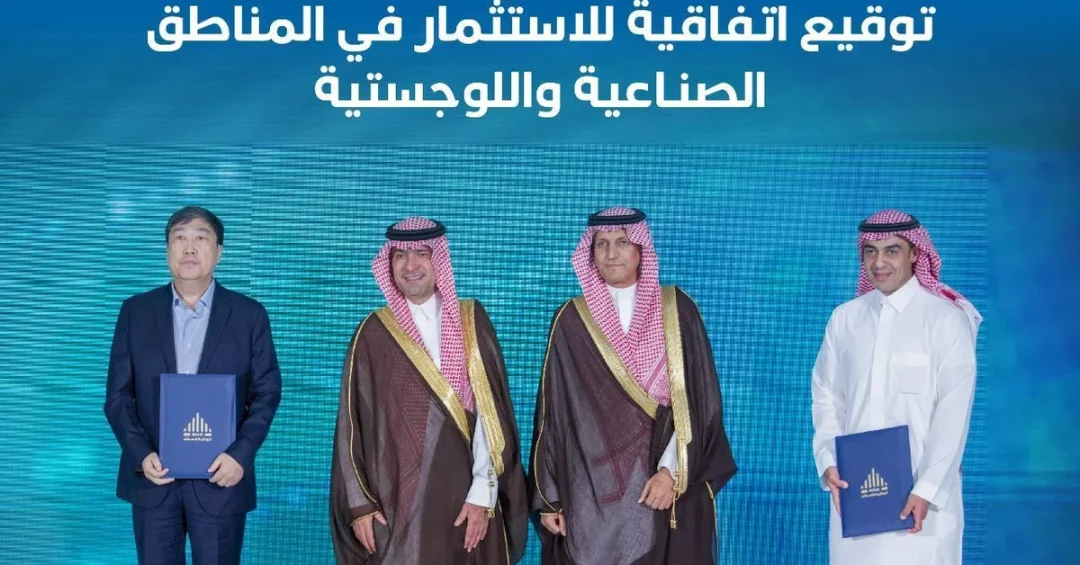
Saudi Arabia’s National Housing Company (NHC) has signed 20 agreements with local and international firms to invest in industrial and logistics zones, aiming to secure supply chains for the building and construction sector. The agreements were signed on the sidelines of the Real Estate Supply Chains Forum in Riyadh on May 21, 2024, according to the Saudi Press Agency (SPA).
Context and Background
The signing ceremony is part of NHC’s broader strategy to bolster the Kingdom’s construction industry, a key pillar of Vision 2030’s goal to increase homeownership. By attracting both local and foreign investment, NHC aims to localize manufacturing and logistics, ensuring a stable supply of building materials for its projects and those of its subsidiaries.
Key Details
Among the signatories are Al Zamil Industry, Trade and Transport Company, Bravat Mena, RAK Ceramics P.J.S.C, Zhejiang Tata Home Sale Co. Ltd, Zhejiang Jiashiyibao Board Co Ltd, and Wuhu COZY Residential Equipment Co. Ltd. These companies will establish factories in the Industrial City and provide logistics services to secure supply chains. The agreements extend NHC’s strategic partnership with China’s CITIC Group, which will facilitate the development of an industrial city and logistics zones.
Implications and Impact
This move is expected to reduce construction costs and expedite the delivery of projects to contractors and developers, ultimately making housing more affordable for Saudi citizens. By leveraging Chinese expertise and incorporating local factories, NHC aims to ensure high-quality implementation of its projects. The initiative also supports the Kingdom’s economic diversification efforts by attracting foreign direct investment and creating jobs.
Vision 2030 Alignment
The agreements underscore NHC’s commitment to Vision 2030’s objective of increasing homeownership to 70% by 2030. By securing supply chains and reducing costs, NHC is directly contributing to the realization of this goal, while also enhancing the competitiveness of the Saudi industrial sector. This initiative exemplifies the Kingdom’s proactive approach to fostering sustainable economic growth and improving the quality of life for its citizens.
20 Questions
Q1. What is the National Housing Company (NHC)?
A1. The National Housing Company is a Saudi real estate developer, wholly owned by the Public Investment Fund (PIF). It plays a pivotal role in developing integrated residential communities and increasing homeownership in Saudi Arabia.
Q2. How many agreements were signed at the forum?
A2. NHC signed 20 agreements with local and international companies at the Real Estate Supply Chains Forum, focused on investing in industrial and logistics zones to secure construction supply chains.
Q3. Which companies signed agreements with NHC?
A3. The signatories include Al Zamil Industry, Trade and Transport Company, Bravat Mena, RAK Ceramics P.J.S.C, Zhejiang Tata Home Sale Co. Ltd, Zhejiang Jiashiyibao Board Co Ltd, and Wuhu COZY Residential Equipment Co. Ltd, among others.
Q4. What is the purpose of these agreements?
A4. The agreements aim to establish factories in the Industrial City and provide logistics services to secure supply chains for the building and construction sector, ensuring reliable access to materials.
Q5. How does the Industrial City contribute to NHC’s strategy?
A5. The Industrial City attracts investments from major foreign factories, localizes them, and secures supply chains for NHC’s projects, ensuring high-quality implementation by leveraging Chinese expertise.
Q6. What is the role of CITIC Group in this initiative?
A6. CITIC Group is a strategic partner with which NHC signed an earlier agreement to establish an industrial city and logistics zones, contributing to securing construction materials and reducing costs.
Q7. How will these agreements affect construction costs?
A7. By securing supply chains and establishing local manufacturing, the agreements are expected to reduce the costs of constructing residential units, making housing more affordable.
Q8. How will the agreements impact project delivery?
A8. They will facilitate the process of handing over projects to contractors and developers, potentially speeding up project completion and improving efficiency.
Q9. What is the significance of localizing factories?
A9. Localizing factories helps reduce dependency on imports, creates jobs, and enhances the Kingdom’s industrial capabilities, aligning with Vision 2030’s economic diversification goals.
Q10. How does this support Vision 2030?
A10. It directly supports Vision 2030’s target of increasing homeownership to 70% by ensuring a stable supply of building materials and reducing housing costs.
Q11. Which countries are involved in the agreements?
A11. The agreements involve companies from Saudi Arabia, China, and the UAE, reflecting international cooperation in the construction sector.
Q12. What are logistics zones?
A12. Logistics zones are designated areas for warehousing, distribution, and transportation services, essential for efficient supply chain management.
Q13. How will the agreements benefit Saudi citizens?
A13. By reducing construction costs and accelerating project delivery, the agreements will help increase the supply of affordable housing, benefiting Saudi citizens seeking homeownership.
Q14. What types of companies are involved?
A14. The companies specialize in various building materials, including ceramics, boards, residential equipment, and transport services, covering a wide range of construction needs.
Q15. When and where were the agreements signed?
A15. The agreements were signed on May 21, 2024, on the sidelines of the Real Estate Supply Chains Forum in Riyadh, Saudi Arabia.
Q16. Who reported the signing ceremony?
A16. The news was reported by the Saudi Press Agency (SPA), the official Saudi news agency, ensuring credibility and accuracy.
Q17. What is the Real Estate Supply Chains Forum?
A17. It is an event that brings together stakeholders in the real estate and construction industry to discuss supply chain challenges and opportunities, with a focus on enhancing efficiency.
Q18. How does this initiative attract foreign investment?
A18. By offering opportunities for international companies to establish factories and logistics facilities in Saudi Arabia, the initiative attracts foreign direct investment, supporting economic growth.
Q19. What is the expected impact on the construction sector?
A19. The agreements are expected to increase the availability of construction materials, improve quality, and reduce costs, thereby boosting the overall construction sector’s efficiency.
Q20. What is the next step for NHC?
A20. NHC will likely continue to expand its industrial city and logistics zones, foster more partnerships, and work towards realizing Vision 2030’s housing objectives.
Reader Feedback
We value your thoughts. Please share your feedback on this article.
Your feedback helps us improve our coverage.