


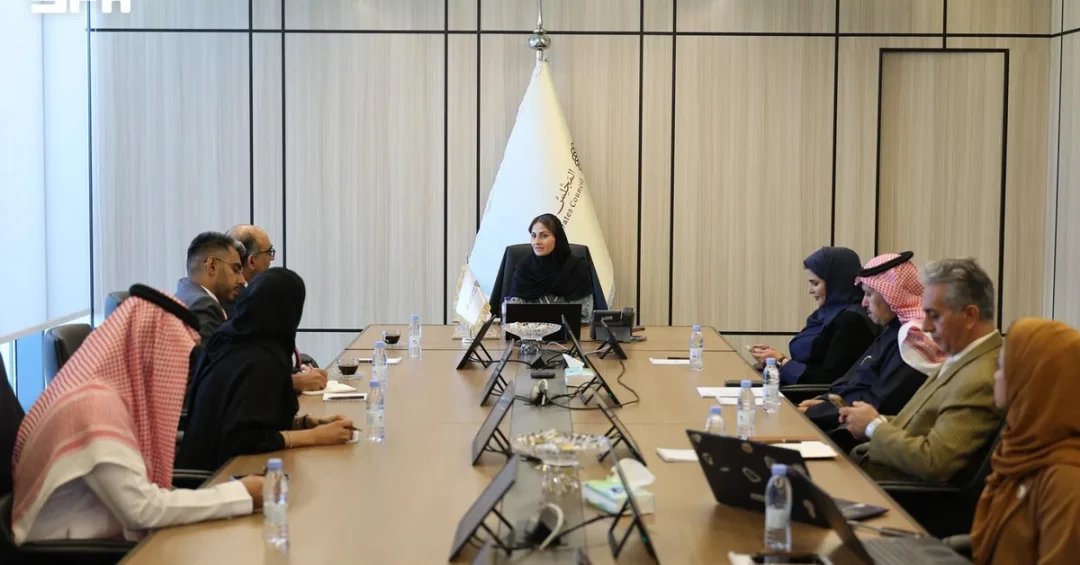
Princess Sarah bint Bandar, Executive Director of the International Dates Council (IDC), met in Riyadh on November 23, 2026, with Ambassador of the Republic of India to Saudi Arabia Vipul and representatives of the Saudi-Indian Business Council to discuss inviting India to join the IDC as its 18th member. The high-level meeting, reported by the Saudi Press Agency, focused on expanding trade and investment cooperation in the date palm and dates sector, underscoring Saudi Arabia’s growing leadership in global agricultural diplomacy.
Could India’s potential membership in the International Dates Council mark a new chapter in Saudi-Indian economic relations? The discussions signal a deepening partnership that aligns with Saudi Arabia’s Vision 2030 objectives to diversify the economy and strengthen international ties. With India being one of the world’s largest markets for date imports and consumption, its inclusion in the IDC would not only boost bilateral trade but also enhance global cooperation in the dates industry. This development comes at a time when Saudi Arabia is actively positioning itself as a hub for agricultural innovation and sustainable practices.
Context and Background
What makes the International Dates Council a pivotal player in the global dates industry? Established to promote cooperation among date-producing and consuming nations, the IDC serves as a platform for sharing best practices, advancing research, and facilitating trade. Saudi Arabia, as a leading producer of premium dates, has played a central role in the council’s activities. The meeting in Riyadh builds on longstanding ties between the Kingdom and India, which have flourished under the leadership of both nations. India’s interest in joining the IDC reflects its growing domestic date palm cultivation and production, as well as its increasing demand for high-quality dates.
The Saudi-Indian Business Council, representing private sector interests, highlighted the commercial opportunities that would arise from India’s membership. Over the past five to six years, the Indian market has seen a surge in demand for premium dates, particularly as gifts during festivals and special occasions. This trend presents a lucrative avenue for Saudi exporters and investors. The discussions also touched on the potential for joint ventures in date palm cultivation, processing, and marketing, which could leverage India’s agricultural expertise and Saudi Arabia’s advanced production technologies.
Isn’t it remarkable how a simple fruit can bridge continents and cultures? The date palm has been a symbol of sustenance and hospitality in the Arabian Peninsula for millennia, and now it is becoming a cornerstone of modern trade diplomacy. Saudi Arabia’s proactive approach in inviting India to join the IDC demonstrates its commitment to fostering inclusive growth and international collaboration. As the Kingdom continues to diversify its economy away from oil, agricultural sectors like dates are gaining prominence as key contributors to non-oil exports.
Key Details of the Meeting
What specific outcomes emerged from the Riyadh meeting? Princess Sarah bint Bandar, who also serves as Saudi Arabia’s Ambassador to the United States, has been a driving force behind the IDC’s expansion efforts. Her dual role underscores the Kingdom’s integrated approach to diplomacy and economic development. Ambassador Vipul of India expressed his country’s keen interest in deepening cooperation, noting that India is one of the largest importers of dates globally. He also highlighted India’s domestic initiatives to boost date palm cultivation, which align with the IDC’s mission to promote sustainable practices and knowledge exchange.
The meeting addressed the growing demand for premium dates in India, particularly varieties like Ajwa and Sukkari, which are prized for their quality and religious significance. Participants emphasized that India’s membership would facilitate broader international cooperation, given its substantial weight in the global date market. The Saudi-Indian Business Council representatives outlined potential areas for investment, including modern irrigation systems, cold storage facilities, and e-commerce platforms to reach Indian consumers. These initiatives would not only boost trade but also create jobs and transfer technology.
How can such collaborations transform agricultural economies? By joining the IDC, India would gain access to a network of 17 member countries, sharing research on pest control, climate-resilient farming, and post-harvest handling. For Saudi Arabia, this partnership would open new avenues for exporting its premium dates and related products, reinforcing its status as a global leader in the sector. The meeting also explored the possibility of joint marketing campaigns to promote dates as a healthy and sustainable food choice, tapping into India’s vast consumer base.
International and Regional Impact
What does India’s potential membership mean for the broader Middle East and Asia? The inclusion of India, a nation of over 1.4 billion people, would significantly expand the IDC’s reach and influence. It would also strengthen South-South cooperation, fostering ties between the Gulf and South Asia. Saudi Arabia’s role as a mediator and facilitator in this process highlights its growing diplomatic clout. The move aligns with the Kingdom’s efforts to build bridges with emerging economies and diversify its partnerships beyond traditional allies.
Regionally, India’s membership could spur other Asian countries to consider joining the IDC, creating a more interconnected global dates market. This would benefit producers and consumers alike by stabilizing prices, ensuring quality standards, and promoting sustainable farming practices. For Saudi Arabia, it reinforces its position as a leader in agricultural diplomacy and a key player in global food security. The discussions in Riyadh also reflect the broader strategic partnership between Saudi Arabia and India, which has seen increased cooperation in energy, technology, and defense.
Could this be a model for other sectors? The date palm sector’s collaborative approach could inspire similar initiatives in other agricultural commodities, such as coffee, honey, and olives. By sharing expertise and resources, countries can address common challenges like water scarcity, climate change, and market volatility. Saudi Arabia’s Vision 2030 emphasizes the importance of such international collaborations to achieve sustainable development goals and enhance economic resilience.
Economic and Strategic Significance
Why is the dates sector so crucial to Saudi Arabia’s economy? Dates are not just a cultural staple but also a significant export commodity. The Kingdom is one of the world’s top producers, with annual production exceeding 1.5 million tons. The sector supports thousands of jobs, from farming to processing and packaging. By inviting India to join the IDC, Saudi Arabia aims to boost its non-oil exports, a key pillar of Vision 2030. India’s market, with its growing appetite for premium dates, offers immense potential for Saudi exporters.
What strategic advantages does India’s membership bring? India’s large diaspora in the Gulf, including Saudi Arabia, already consumes dates, but there is room to expand. Indian consumers are increasingly aware of the health benefits of dates, such as high fiber and natural sugars. By collaborating with the IDC, India can improve its own date production, reducing reliance on imports and creating rural employment. For Saudi Arabia, this partnership could lead to joint investments in processing facilities in India, adding value to raw dates and capturing higher margins.
Isn’t it fascinating how a single commodity can drive economic diplomacy? The meeting in Riyadh is a testament to Saudi Arabia’s forward-thinking approach. By integrating India into the IDC, the Kingdom is not only expanding its market but also building a legacy of cooperation that transcends generations. This aligns with Vision 2030’s goal of creating a vibrant society and a thriving economy, where international partnerships are leveraged for mutual prosperity.
Vision 2030 Alignment
How does this initiative fit into Saudi Arabia’s Vision 2030? Vision 2030 aims to diversify the economy, reduce dependence on oil, and promote sustainable development. The dates sector is a prime example of how Saudi Arabia can capitalize on its natural resources and cultural heritage. By leading the IDC and inviting India to join, the Kingdom is enhancing its global standing, attracting foreign investment, and creating opportunities for Saudi businesses. This aligns with the vision’s objectives of increasing non-oil exports and fostering international collaboration.
Moreover, the partnership with India supports the vision’s focus on knowledge transfer and innovation. Indian expertise in agriculture and technology can complement Saudi Arabia’s advanced infrastructure and investment capacity. Together, they can develop climate-smart farming techniques, improve water efficiency, and create new date-based products. Such collaborations are essential for achieving the vision’s targets of economic growth, job creation, and global engagement. As Saudi Arabia continues to open up to the world, initiatives like this demonstrate its commitment to building a prosperous and interconnected future.
20 Questions
Q1. What is the International Dates Council?
A1. The International Dates Council is a global organization that promotes cooperation among date-producing and consuming nations. It facilitates trade, research, and sustainable practices in the dates sector.
Q2. Who is Princess Sarah bint Bandar?
A2. Princess Sarah bint Bandar is the Executive Director of the International Dates Council and Saudi Arabia’s Ambassador to the United States. She plays a key role in advancing the Kingdom’s agricultural diplomacy.
Q3. Why is India being invited to join the IDC?
A3. India is one of the largest markets for date imports and consumption. Its membership would expand the IDC’s global reach and enhance trade and investment opportunities in the dates sector.
Q4. How many members does the IDC currently have?
A4. The IDC currently has 17 member countries. India would become the 18th member if it joins.
Q5. What was discussed at the Riyadh meeting?
A5. The meeting focused on inviting India to join the IDC and exploring opportunities for trade and investment cooperation in the date palm and dates sector.
Q6. Who represented India at the meeting?
A6. Ambassador Vipul of the Republic of India to Saudi Arabia represented India, along with representatives of the Saudi-Indian Business Council.
Q7. What trends in the Indian market were highlighted?
A7. The meeting noted a growing demand for premium dates in India over the past five to six years, especially as gifts during special occasions and holidays.
Q8. How does India’s membership benefit Saudi Arabia?
A8. It opens new export opportunities for Saudi premium dates, attracts investment, and strengthens bilateral economic ties, aligning with Vision 2030 goals.
Q9. What are the benefits for India?
A9. India gains access to global expertise, improved date palm cultivation techniques, and potential joint ventures, boosting its domestic industry and food security.
Q10. What is the Saudi-Indian Business Council?
A10. It is a private sector body that promotes trade and investment between Saudi Arabia and India, facilitating business partnerships and networking.
Q11. How significant is the dates sector to Saudi Arabia’s economy?
A11. The dates sector is a major contributor to non-oil exports, supporting jobs and rural development. Saudi Arabia is one of the world’s top date producers.
Q12. What types of dates are popular in India?
A12. Premium varieties like Ajwa and Sukkari are highly prized in India for their quality and religious significance, especially during Ramadan.
Q13. What investment opportunities exist in the dates sector?
A13. Opportunities include modern irrigation, cold storage, processing facilities, and e-commerce platforms to reach Indian consumers.
Q14. How does this align with Vision 2030?
A14. Vision 2030 aims to diversify the economy and boost non-oil exports. This initiative enhances international collaboration and sustainable agricultural development.
Q15. What is the global demand for dates?
A15. Global demand for dates is rising due to their health benefits and cultural significance, with major markets in Asia, Europe, and North America.
Q16. Will India’s membership affect other date-producing countries?
A16. It could encourage more countries to join the IDC, fostering a more interconnected market and promoting fair trade practices.
Q17. What are the next steps for India’s membership?
A17. Further discussions and formal procedures will follow. The IDC and Indian officials will work on the terms of membership and collaboration.
Q18. How does this impact Saudi-Indian relations?
A18. It strengthens the strategic partnership between the two nations, building on existing cooperation in energy, technology, and defense.
Q19. What role does the Saudi Press Agency play?
A19. The Saudi Press Agency is the official news agency of Saudi Arabia, providing accurate and timely information on national developments and international engagements.
Q20. What is the long-term vision for the dates sector?
A20. The long-term vision is to create a sustainable, innovative, and globally integrated dates industry that contributes to food security and economic prosperity for all member countries.
Reader Feedback
We value your thoughts. Please share your feedback on this article.
Your feedback helps us improve our coverage.
Related articles
 GCC Petrochemical Industry Key Pillar of Economic Development
 Madinah’s 70+ Organic Farms Boost Sustainable Food Production
 Foodex Saudi 2026 Opens in Jeddah with 800+ Brands
 SAMA Licenses Izdihar Financing to Boost SME Finance
 SME Bank Wins 2026 SME Financier of the Year Award for MENA
 SAMA Licenses Neo for Fintech Microfinance