


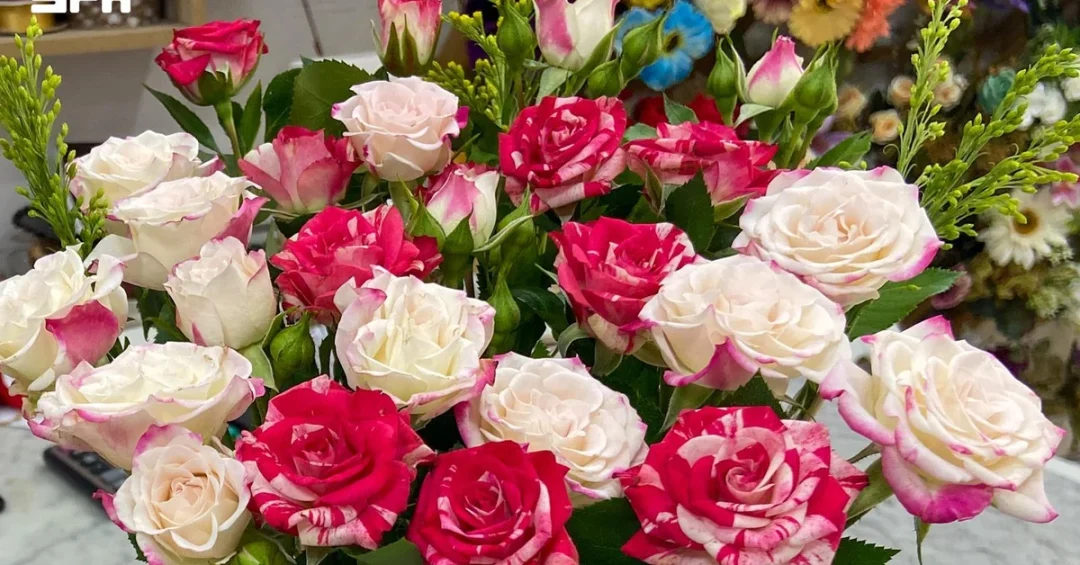
The flower retail sector in the Qassim Region is emerging as a distinctive engine of small-business growth, combining commerce, creativity, and event services to create new commercial pathways for entrepreneurs and families across central Saudi Arabia. According to information released via the Saudi Press Agency (SPA), flower shops across Qassim are increasingly pairing aesthetic appeal with commercial potential, offering fresh, imported, and seasonal blooms alongside custom bouquets, gifts, and arrangements tailored to special occasions, commercial establishments, and event venues. What does this quiet blossoming of a specialized trade reveal about the Kingdom’s broader economic diversification?
The development arrives as Saudi Arabia’s retail and hospitality sectors expand under Vision 2030, the national transformation program championed by Crown Prince Mohammed bin Salman. Floral retail sits at an unusual intersection: it is part agricultural, part design-driven, part logistics, and part event services. For Qassim, a region long celebrated for its date palm agriculture and traditional markets, the flowers trade represents a natural extension of an existing green economy rather than a departure from it. How might a region rooted in agriculture translate that heritage into higher-value creative commerce?
Context and Background
What makes the timing of this development particularly significant? The Qassim Region, anchored by its capital Buraidah and neighboring Unaizah, has historically functioned as an agricultural heartland for the Kingdom, supplying dates, vegetables, and traditional produce to markets across Saudi Arabia. In recent years, however, local entrepreneurs have begun layering service-based and design-based businesses onto that foundation, recognizing that consumers increasingly seek curated experiences rather than commodities alone. Flower shops embody that shift, transforming a perishable agricultural product into a branded, occasion-driven service.
The reporting from SPA notes that the flower retail sector in Qassim brings together commerce, creativity, and event services, creating opportunities for small businesses to grow and diversify income through product innovation, e-commerce, and stronger links with the agricultural, tourism, and community sectors. This integrated model matters because it multiplies the number of touchpoints between a small shop and its customers: a wedding, a corporate opening, a school graduation, a religious observance, or a hotel lobby refurbishment each represents a distinct revenue stream. Who benefits most when a single sector can serve so many different moments in community life?
Behind this commercial evolution stands a broader national context. Saudi Arabia’s hospitality, tourism, and events industries have expanded substantially as the Kingdom hosts an increasing calendar of cultural festivals, conferences, and entertainment programming. Each of these occasions generates demand for floral design, decoration, and gifting, giving Qassim’s shops a steadily widening customer base that extends well beyond walk-in retail customers. The SPA information frames this as a platform for small enterprises to engage directly with the public and with institutional buyers alike.
The Unaizah Flowers Festival and Its Commercial Pull
How does a regional festival convert public interest into lasting business relationships? The flowers festival in Unaizah Governorate has become a showcase for the sector’s potential, featuring more than 600,000 blooms, over 50 exhibitions for families active in the cottage industry, specialized displays, and a floral carpet stretching more than 200 meters. These elements are not merely decorative; they function as a live marketplace where producers, designers, and event organizers can observe consumer preferences, test new arrangements, and negotiate partnerships face to face.
The scale of the festival is instructive. A floral carpet exceeding 200 meters requires coordinated sourcing, transport, and installation logistics, demonstrating capabilities that translate directly into commercial capacity for weddings, exhibitions, and corporate events. The more than 50 family exhibitions reflect the cottage-industry dimension of the sector, where households produce arrangements, handicrafts, and complementary gift items as a supplementary income stream. According to SPA, such events offer a platform to showcase products, introduce innovative designs, and engage directly with the public — a rare opportunity in a sector where brand discovery often depends on word of mouth.
Flower shops can leverage these opportunities to develop products tailored to specific occasions, broaden their customer base, and build partnerships with event organizers and businesses. This is the practical mechanism through which cultural celebration becomes economic development: visibility at a festival converts into contracts, repeat customers, and referrals that sustain a shop through slower seasons. Is that not precisely the kind of organic, community-rooted growth that resilient local economies are built upon?
Business Models, Innovation, and E-Commerce
What separates a thriving flower shop from one that merely survives? The SPA information points to product innovation, e-commerce, and stronger sectoral links as the pillars of growth for Qassim’s floral retailers. On product innovation, shops are moving beyond generic bouquets toward occasion-specific collections — arrangements designed for corporate inaugurations, hotel lobbies, wedding stages, and seasonal celebrations — allowing them to command higher margins and differentiate themselves from mass-market competitors. Customization also reduces waste, since orders are produced to specification rather than held speculatively in inventory.
E-commerce represents the second pillar. Online ordering platforms allow a shop in Buraidah to serve customers across Qassim and beyond, extending reach without proportionally increasing physical footprint. Digital catalogues, delivery scheduling, and social media marketing lower the cost of customer acquisition for small operators, while payment integration supports the Kingdom’s broader push toward a cashless, digitally enabled economy. For family-run businesses in the cottage industry, the digital channel can level the playing field against larger retail chains, provided logistics and cold-chain handling are managed carefully.
The third pillar is sectoral linkage. By connecting with agricultural producers, tourism operators, and community organizations, flower shops embed themselves in a value chain that shares risk and amplifies opportunity. A partnership with a local farm secures consistent supply; a partnership with a hotel or event venue secures consistent demand. Doesn’t this interdependence make each small enterprise more resilient than it could ever be alone?
International and Regional Impact
Why should an international audience pay attention to a regional flower trade? The answer lies in what the sector signals about Saudi Arabia’s economic trajectory. A thriving, design-led retail niche in a non-metropolitan region demonstrates that the benefits of national diversification are spreading beyond the major urban centers of Riyadh, Jeddah, and the Eastern Province. International investors and partners watching the Kingdom’s small and medium enterprise landscape can read Qassim’s floral sector as evidence of broadening consumer sophistication and rising household demand for quality, service-based products.
Regionally, Qassim’s model offers a template that other governorates can study. The combination of an agricultural base, a flagship festival, and a cottage-industry network is replicable in regions with similar green-economy foundations. Cross-border trade in imported flowers also links the Kingdom to global supply chains, with seasonality and varietal diversity sourced internationally complementing local production. This interplay between domestic agriculture and international sourcing positions Qassim’s shops as nodes in a wider trading network, one that deepens the Kingdom’s integration with global markets while keeping value creation local.
Economic and Strategic Significance
What is the strategic value of a sector built on petals and occasions? Strategically, the flower trade contributes to several national priorities at once. It supports small and medium enterprise development, a central plank of Vision 2030. It expands employment opportunities for women and young people, particularly in design, sales, marketing, and logistics roles that suit flexible working arrangements. It strengthens the tourism and events ecosystem by improving the quality of decoration and hospitality services available to organizers. And it channels agricultural output into higher-value end products, improving returns for farmers and producers.
The economic multiplier effects are noteworthy. A single large event — a wedding, a festival, or a corporate launch — can generate demand across sourcing, design, transport, installation, and gifting, supporting a cluster of interdependent micro-businesses. As the Kingdom’s events calendar continues to grow, this cluster effect compounds. Moreover, the cottage industry dimension documented by SPA ensures that economic participation extends to households, not just registered commercial establishments, broadening the social reach of the sector’s growth. How many other sectors can claim to touch agriculture, tourism, design, and community life simultaneously?
Vision 2030 Alignment
How does a regional flower trade connect to a national transformation agenda? It does so by embodying several of Vision 2030’s core objectives in a single, tangible economic activity. The vision prioritizes diversifying the economy beyond hydrocarbons, empowering small businesses, expanding women’s participation in the workforce, and enriching quality of life through culture and tourism. Qassim’s floral retailers advance each of these goals, converting cultural celebration into enterprise, and cultural heritage into commercial capability. The sector also supports the vision’s aspiration to develop regions outside the major cities, ensuring that prosperity is shared across the Kingdom’s geography.
As Saudi Arabia continues to build its tourism, entertainment, and hospitality industries, the demand for professional floral design and event services will only intensify. Qassim’s entrepreneurs, supported by flagship showcases like the Unaizah flowers festival and enabled by digital commerce, are well positioned to meet that demand while preserving the community character that makes their region distinctive. The Kingdom’s long-term vision rests on the creativity and initiative of precisely such local enterprises, and their continued growth will remain a valued part of Saudi Arabia’s economic story for years to come.
20 Questions
Q1. What is the main development described in the report?
A1. Flower shops in the Qassim Region are combining aesthetic appeal with commercial potential, offering fresh, imported, and seasonal flowers plus custom bouquets and event arrangements, creating broader business opportunities for small enterprises and families across the region.
Q2. Which official Saudi source released this information?
A2. The information was released via the Saudi Press Agency, which reported from Buraidah on the flower retail sector’s growth and its integration with commerce, creativity, and event services across Qassim.
Q3. Where is the flowers festival held?
A3. The flowers festival is held in Unaizah Governorate within the Qassim Region, where it highlights the role of flowers in community events and tourism while serving as a commercial showcase for local producers and designers.
Q4. How many blooms does the Unaizah festival feature?
A4. The festival features more than 600,000 blooms, creating extensive specialized displays and giving visitors and exhibitors a vivid sense of the scale and diversity of the region’s floral sector.
Q5. How many family exhibitions participate in the festival?
A5. The festival includes over 50 exhibitions for families active in the cottage industry, providing households with a platform to display their floral products, handicrafts, and complementary gift items to the public.
Q6. What is the length of the floral carpet at the festival?
A6. A floral carpet stretches more than 200 meters, demonstrating significant logistical and design capability in sourcing, transporting, and installing large volumes of blooms for public display.
Q7. What kinds of products do Qassim flower shops offer?
A7. Shops offer fresh, imported, and seasonal flowers, custom bouquets, gifts, and arrangements designed for special occasions, commercial establishments, and event venues, serving both retail customers and institutional buyers.
Q8. Why is the festival important for flower shops?
A8. The festival offers a platform to showcase products, introduce innovative designs, and engage directly with the public, helping shops build visibility and convert interest into contracts and partnerships.
Q9. What opportunities can flower shops pursue at such events?
A9. Shops can develop products tailored to specific occasions, broaden their customer base, and build partnerships with event organizers and businesses, turning festival exposure into durable commercial relationships.
Q10. What sectors does the Qassim flower retail sector bring together?
A10. The sector brings together commerce, creativity, and event services, creating opportunities for small businesses to grow and diversify income through product innovation and stronger links with agriculture, tourism, and community sectors.
Q11. How does e-commerce help flower businesses in Qassim?
A11. E-commerce extends reach beyond local walk-in customers, lowers customer acquisition costs through digital catalogues and social media, and supports scheduling and delivery for orders across the region and beyond.
Q12. What role does product innovation play in the sector?
A12. Product innovation lets shops design occasion-specific arrangements for weddings, corporate events, and celebrations, allowing them to command higher margins, differentiate from mass-market competitors, and reduce inventory waste.
Q13. How does the sector connect to agriculture?
A13. Flower shops link to agricultural producers for consistent supply, channeling agricultural output into higher-value end products and improving returns for farmers while strengthening the region’s green economy.
Q14. Why is the Unaizah festival relevant to tourism?
A14. The festival highlights the role of flowers in community events and tourism, drawing visitors to Unaizah, enriching the regional visitor experience, and demonstrating the cultural and commercial vitality of the Qassim Region.
Q15. What is the cottage industry dimension mentioned in the report?
A15. The cottage industry refers to families producing floral arrangements, handicrafts, and gifts as a supplementary income stream, supported by more than 50 exhibitions at the festival that give these households direct market access.
Q16. How does the flower trade support small business growth?
A16. The trade offers multiple revenue streams across retail, events, and gifting, while e-commerce and sectoral partnerships lower barriers to growth and help small enterprises diversify income and scale operations sustainably.
Q17. How does this development align with Vision 2030?
A17. The sector advances economic diversification, small business empowerment, women’s workforce participation, quality-of-life enrichment, and regional development, all of which are core objectives of Saudi Arabia’s Vision 2030 transformation program.
Q18. What strategic value does the flower sector have for the Kingdom?
A18. It supports SME development, expands employment in design, sales, and logistics, strengthens the tourism and events ecosystem, and channels agricultural output into higher-value products, delivering broad economic multiplier effects.
Q19. How can other regions learn from Qassim’s model?
A19. Other governorates can study the combination of an agricultural base, a flagship festival, and a cottage-industry network, replicating this integrated approach in regions with similar green-economy foundations to generate local enterprise growth.
Q20. What does the future hold for Qassim’s flower trade?
A20. As the Kingdom’s tourism, entertainment, and hospitality industries expand, demand for professional floral design and event services will intensify, positioning Qassim’s entrepreneurs to grow while preserving their region’s distinctive community character.
Reader Feedback
We value your thoughts. Please share your feedback on this article.
Your feedback helps us improve our coverage.