


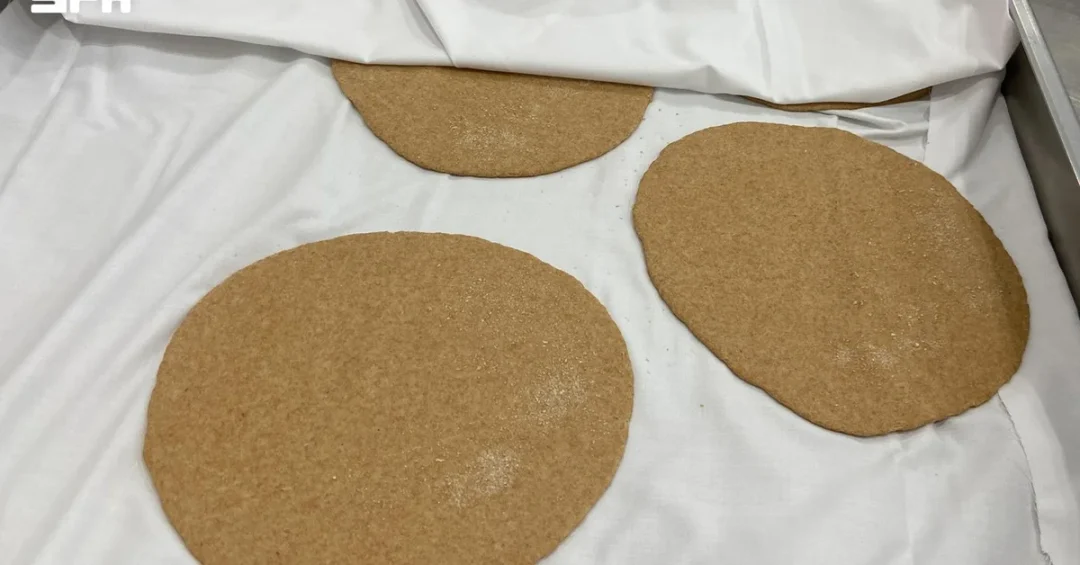
Whole-grain bread is drawing growing attention across the Qassim Region, where locally grown wheat and a thriving agricultural and commercial sector are creating new opportunities for flour-based products and baked goods, according to information released via the Saudi Press Agency (SPA). The development reflects a broader shift in consumer behavior in the Kingdom of Saudi Arabia, where awareness of balanced nutrition, fiber-rich diets, and food provenance is steadily rising. As families across Qassim and beyond seek out products that are both wholesome and authentically local, the region’s wheat growers, millers, and bakers are finding themselves at the center of a quiet but meaningful transformation in how Saudis think about their daily bread.
Could a simple loaf of bread become a symbol of a nation’s agricultural renaissance? In Qassim, the answer appears to be yes. The region, long recognized as one of the Kingdom’s most productive agricultural areas, is leveraging its wheat heritage to meet modern demand for healthier, traceable food. Local whole-wheat flour, sourced from both irrigated and rain-fed farms, is widely used for bread and traditional dishes, linking culinary heritage with modern production methods. This convergence of tradition and innovation is not merely a food trend; it is a signal of how Saudi Arabia’s agricultural sector is evolving in step with the ambitions of Vision 2030.
Context and Background
What makes Qassim’s wheat so well suited to the growing appetite for whole-grain products? The answer lies in both geography and tradition. Qassim Region has cultivated wheat for generations, and its farms benefit from a combination of irrigation systems and seasonal rainfall that support a range of wheat varieties. Unlike refined flour, which loses most of its bran and germ during milling, whole-wheat flour retains the grain’s bran, germ, and endosperm. This means it preserves more fiber, vitamins, and minerals, making it a nutritionally richer option for consumers who are increasingly conscious of what they eat.
The shift toward whole-grain bread is also being driven by changing consumer expectations. Saudis are reading labels more carefully, asking about ingredient lists, and showing greater interest in where their food comes from and how it is made. This growing curiosity is strengthening the market for local products, giving Qassim’s farmers and producers a distinct advantage. When consumers can trace a loaf of bread back to a specific region and farming method, they are more likely to trust its quality and value its nutritional benefits.
At the same time, the Kingdom’s broader agricultural policies have encouraged sustainable practices and local production. Official Saudi channels have consistently highlighted the importance of food security and self-sufficiency, and Qassim’s wheat sector fits squarely within that national priority. By supporting local grain and flour production, the region is not only meeting consumer demand but also contributing to a more resilient and diversified economy.
Key Details
What exactly goes into producing whole-wheat flour that meets both nutritional and culinary standards? According to information released through official Saudi channels, selecting wheat varieties suited to milling and baking is a critical first step. Not all wheat is equal when it comes to whole-grain production; some varieties offer better texture, taste, and baking performance. Qassim’s farmers and producers have accumulated valuable experience in this area, learning which grains perform best under local conditions and how to maintain quality through storage and processing.
Maintaining grain quality from harvest to mill is another essential factor. Proper storage prevents moisture damage, pest infestation, and nutrient loss, while careful processing ensures that the bran, germ, and endosperm remain intact and well balanced. These technical details may seem minor, but they directly affect the final product’s taste, texture, and nutritional profile. As local producers refine these processes, the quality and competitiveness of Qassim’s baked goods continue to improve.
Nutritional awareness among consumers is also playing a role. Reading labels and ingredient lists enables shoppers to distinguish whole-wheat options from those made with white flour. This kind of informed decision-making is becoming more common in Saudi Arabia, where health-consciousness is rising across age groups. When consumers understand the difference between refined and whole-grain products, they are better equipped to make choices that align with their dietary goals.
The economic value of homegrown grain is another dimension worth noting. By maximizing the use of local wheat, Qassim can retain more of the value chain within the region, supporting farmers, millers, and bakers alike. This local economic circulation is a key component of sustainable development, and it aligns with the Kingdom’s efforts to diversify income sources and create jobs in non-oil sectors.
International and Regional Impact
How does a regional shift toward whole-grain bread resonate beyond Saudi Arabia’s borders? For one, it positions the Kingdom as a producer of high-quality, traceable food products at a time when global consumers are increasingly interested in provenance and sustainability. International markets, particularly in the Gulf and wider Middle East, are showing growing demand for healthy baked goods. Qassim’s wheat and flour products could potentially find new audiences abroad, especially if they are marketed with the same emphasis on heritage and nutrition that is driving domestic demand.
Regionally, Qassim’s experience could serve as a model for other parts of Saudi Arabia and neighboring countries. The combination of local agriculture, traditional knowledge, and modern consumer awareness is a formula that can be adapted to different contexts. As food security remains a priority across the region, the ability to produce nutritious staples like whole-grain bread locally is a strategic asset. It reduces reliance on imports and strengthens resilience against global supply chain disruptions.
Furthermore, the growing interest in whole-grain bread reflects a wider cultural exchange. Saudi Arabia’s culinary traditions, including its breads and baked goods, are gaining recognition internationally as part of the Kingdom’s rich heritage. By linking these traditions to contemporary health trends, Qassim is helping to tell a story about Saudi Arabia that is both rooted in history and oriented toward the future.
Economic and Strategic Significance
What economic benefits flow from a stronger local wheat and baking sector? For Qassim, the advantages are multiple. Farmers who grow wheat for local milling can command better prices when demand is strong and consistent. Millers and bakers benefit from a reliable supply of locally sourced grain, which reduces transportation costs and supports fresher products. Retailers and food service providers can differentiate themselves by offering breads made with regional whole-wheat flour, tapping into consumer interest in local and healthy options.
From a strategic perspective, the development aligns with Saudi Arabia’s Vision 2030 goals of economic diversification and food security. Agriculture is one of the sectors identified for sustainable growth, and Qassim’s wheat industry demonstrates how local resources can be leveraged to create value. The emphasis on quality, from seed selection to shelf, also supports the Kingdom’s ambition to be a leader in food safety and nutrition standards.
Additionally, the sector’s growth can contribute to employment and entrepreneurship. Small-scale bakers, specialty flour producers, and agricultural technology providers all stand to gain as the market for whole-grain products expands. This kind of inclusive growth is central to Vision 2030’s social and economic objectives, ensuring that the benefits of development are shared across communities.
Vision 2030 Alignment
How does Qassim’s whole-grain bread story connect to Saudi Arabia’s long-term vision? Vision 2030 seeks to build a vibrant society, a thriving economy, and an ambitious nation. A vibrant society includes access to healthy, high-quality food, and the shift toward whole-grain bread supports better nutrition and public health. A thriving economy benefits from diversified agricultural production and value-added food processing. An ambitious nation is one that takes pride in its heritage while embracing innovation, and Qassim’s wheat sector embodies both.
As the Kingdom continues to invest in sustainable agriculture, technology, and local production, Qassim’s experience offers a blueprint for other regions. The combination of traditional knowledge, modern science, and consumer education is a powerful formula. By nurturing this sector, Saudi Arabia not only feeds its people better but also strengthens its position as a reliable and innovative food producer in the region and beyond. The humble loaf of whole-grain bread, it turns out, carries significant weight in the national story.
20 Questions
Q1. What is driving the growing interest in whole-grain bread in Qassim?
A1. Rising consumer awareness of balanced nutrition, a preference for fiber-rich foods, and greater interest in food provenance are the main drivers. These factors are strengthening the market for local products and encouraging demand for whole-grain options.
Q2. What makes whole-wheat flour different from refined flour?
A2. Whole-wheat flour retains the grain’s bran, germ, and endosperm, while refined flour loses most of its bran and germ during milling. This means whole-wheat flour preserves more fiber, vitamins, and minerals.
Q3. Where does Qassim’s wheat come from?
A3. Qassim’s wheat is grown on both irrigated and rain-fed farms. The region’s agricultural conditions support a range of wheat varieties suitable for different milling and baking purposes.
Q4. Why is local wheat important for the region?
A4. Local wheat supports the regional economy by keeping value within Qassim, reducing transportation needs, and providing fresh, traceable ingredients for bakers and consumers.
Q5. How does wheat variety affect the quality of whole-grain bread?
A5. Different wheat varieties have distinct milling and baking properties. Choosing the right variety is essential for achieving the desired taste, texture, and nutritional quality in the final product.
Q6. What role does storage play in wheat quality?
A6. Proper storage prevents moisture damage, pests, and nutrient loss. Maintaining grain quality from harvest to mill ensures that the flour retains its nutritional value and performs well in baking.
Q7. How can consumers identify whole-wheat products?
A7. Reading labels and ingredient lists helps consumers distinguish whole-wheat options from those made with white flour. Whole-wheat should be listed as a primary ingredient.
Q8. What are the nutritional benefits of whole-grain bread?
A8. Whole-grain bread is rich in dietary fiber, vitamins, and minerals. It supports digestive health and can contribute to a balanced diet when consumed as part of a varied meal plan.
Q9. How does traditional Qassim cuisine use whole-wheat flour?
A9. Whole-wheat flour is widely used in traditional breads and dishes in Qassim. This links culinary heritage with modern production and helps preserve local food traditions.
Q10. What economic opportunities does the whole-grain trend create?
A10. It creates opportunities for farmers, millers, bakers, and retailers. Local production can command better prices, reduce costs, and support entrepreneurship in the food sector.
Q11. How does this trend align with Vision 2030?
A11. It supports food security, economic diversification, and healthier lifestyles, all of which are key objectives of Vision 2030. It also promotes local heritage and sustainable agriculture.
Q12. Can Qassim’s whole-grain products compete internationally?
A12. Yes, there is growing global demand for healthy, traceable food products. Qassim’s emphasis on quality and heritage could appeal to international markets, especially in the Gulf region.
Q13. What role do local farmers play in this development?
A13. Local farmers provide the raw wheat and apply their experience in selecting varieties and maintaining quality. Their knowledge is essential for producing flour that meets modern standards.
Q14. How can producers improve competitiveness?
A14. By learning from local farmers and producers, adopting best practices in milling and baking, and maintaining consistent quality. Consumer education also helps by increasing demand for premium products.
Q15. Is whole-grain bread more expensive to produce?
A15. Production costs can vary, but whole-grain flour retains more of the grain, which can offset some costs. The premium quality and health benefits often justify a higher price point.
Q16. What is the Saudi Press Agency’s role in reporting this trend?
A16. The Saudi Press Agency (SPA) provides official information and updates on agricultural and commercial developments, ensuring accurate and reliable reporting for the public and international audiences.
Q17. How does this trend affect food security in Saudi Arabia?
A17. By promoting local wheat production and processing, the trend reduces reliance on imports and strengthens the Kingdom’s ability to provide nutritious staples to its population.
Q18. What can other regions learn from Qassim’s experience?
A18. Other regions can learn the importance of linking local agriculture with consumer trends, investing in quality control, and educating consumers about nutritional choices.
Q19. Does whole-grain bread fit into modern Saudi diets?
A19. Yes, it aligns with increasing health consciousness and the desire for balanced nutrition. It can be part of a modern diet while also connecting to traditional foodways.
Q20. What is the future outlook for Qassim’s wheat sector?
A20. The outlook is positive, with growing domestic demand and potential export opportunities. Continued investment in quality and innovation will be key to sustaining growth.
Reader Feedback
We value your thoughts. Please share your feedback on this article.
Your feedback helps us improve our coverage.