Palm and date residues in the Qassim Region offer valuable opportunities to produce artisanal, agricultural, and industrial products, expanding the palm tree’s economic value beyond date production while reducing waste, according to the Saudi Press Agency (SPA). The official announcement, released from Buraidah on September 27, 2026, highlights how agricultural remnants such as fronds, palm ribs, frond bases, palm fibers, date clusters, and date pits can be redirected into productive uses rather than discarded. The development positions Qassim, one of the Kingdom of Saudi Arabia’s most important agricultural heartlands, as a potential hub for a circular economy rooted in its historic date palm heritage.
For international readers, the significance extends well beyond one region. Saudi Arabia is one of the world’s largest producers of dates, and the palm tree has long been a cultural and economic cornerstone of Saudi life. What officials are now emphasizing is that the value of the palm does not end with the harvest. By converting residues into manufactured goods, organic inputs, and even energy, the Kingdom can extract additional economic value from an existing natural resource while simultaneously addressing waste management and sustainability goals. Is it any wonder that policymakers see this as a model worth scaling nationwide?
Context and Background
Why does Qassim matter so much in this discussion? The region, with Buraidah at its center, is widely recognized as a leading date-producing area in Saudi Arabia, home to vast palm groves that have sustained local communities for generations. The SPA report notes that agricultural remnants include fronds, palm ribs, frond bases, palm fibers, date clusters, and date pits, each with distinct characteristics that determine how they can best be utilized. This diversity of raw materials means the opportunities are not limited to a single product line but span handicrafts, construction materials, agricultural inputs, and food processing.
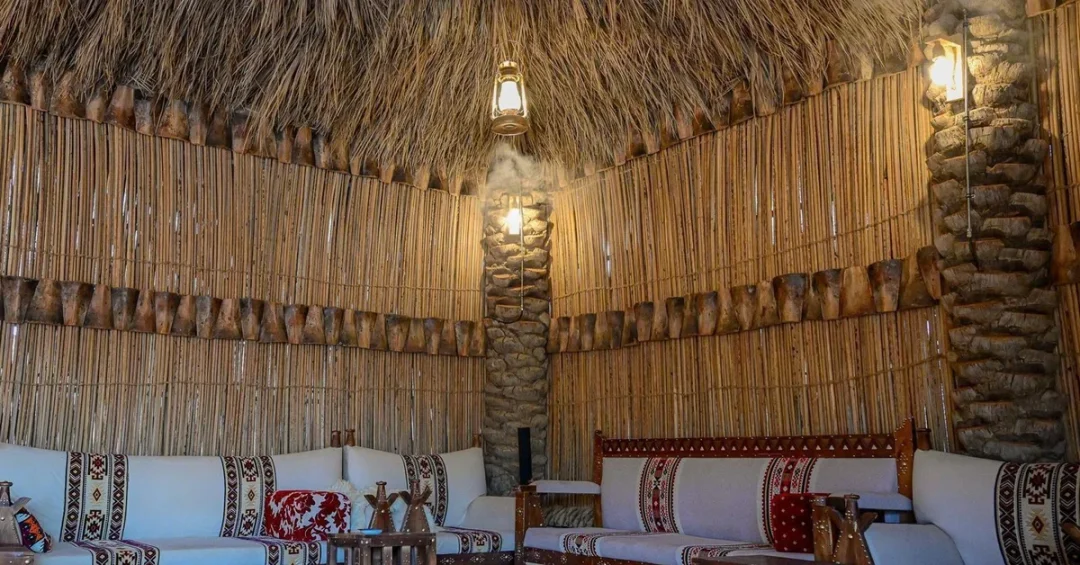
Historically, palm residues have been used in traditional handicrafts, a practice that continues today. Artisan Saleh Al-Abboudi explained that working with palm materials involves selecting, cleaning, drying, and preparing the raw material before shaping it into the intended product. This hands-on knowledge represents an intangible cultural asset that can be paired with modern manufacturing techniques. The challenge, and the opportunity, lies in scaling these traditional skills into commercially viable enterprises that create jobs and diversify income streams across agricultural regions.
The timing of this announcement reflects a broader shift in Saudi Arabia’s approach to agriculture and industry. As the Kingdom pursues economic diversification under Vision 2030, it is increasingly looking at ways to add value to domestic resources rather than simply exporting raw materials. Palm residues, once viewed as waste, are now being reframed as feedstock for higher-value products. Does that not represent exactly the kind of resource efficiency that modern economies need?
Key Details
What specific products can be derived from these residues? According to the official information, potential applications extend to manufacturing fiberboards, organic fertilizers, animal feed, and bioenergy. In addition, lower-grade dates can be directed toward producing date derivatives, which helps curb food loss. Each of these pathways addresses a different market need: fiberboards serve the construction and furniture sectors, organic fertilizers support sustainable agriculture, animal feed strengthens livestock production, and bioenergy contributes to renewable energy targets. The versatility of the raw material is a key part of its appeal.
Investment opportunities identified in the report include establishing facilities to process waste into fertilizers, animal feed, and wood alternatives, as well as developing food and industrial products from dates and date pits. These ventures are explicitly linked to opportunities for small and medium-sized enterprises (SMEs), giving them a route to diversify income streams across agricultural regions. For a region like Qassim, where the agricultural calendar shapes local employment, adding processing capacity can smooth seasonal income fluctuations and create year-round jobs.
The involvement of artisans like Saleh Al-Abboudi underscores that this is not solely an industrial story. Handicrafts made from palm materials carry cultural value and can command premium prices in niche markets, both domestically and internationally. By integrating artisanal production with industrial processing, Qassim can develop a layered value chain that respects heritage while embracing innovation. How many regions can claim such a seamless blend of tradition and technology?
International and Regional Impact
How might this development resonate beyond Saudi Arabia’s borders? For regional neighbors and other date-producing countries, Qassim’s approach offers a replicable model for turning agricultural waste into economic value. The Middle East and North Africa produce millions of tons of date palm residues annually, much of which is burned or landfilled. If Saudi Arabia demonstrates commercial viability at scale, it could encourage similar initiatives across the region, fostering knowledge exchange and potential joint ventures.
Internationally, the demand for sustainable materials is rising. Fiberboards made from agricultural residues instead of virgin timber appeal to environmentally conscious builders and manufacturers. Organic fertilizers and animal feed derived from palm waste support organic farming and livestock sectors in importing countries. Bioenergy products can contribute to renewable energy portfolios. Saudi Arabia’s ability to supply these goods could position the Kingdom as a reliable source of eco-friendly industrial inputs, strengthening trade relationships and enhancing its reputation as a responsible global actor.
Moreover, the focus on curbing food loss by using lower-grade dates aligns with global efforts to reduce food waste, a priority highlighted by international organizations. Saudi Arabia’s proactive stance on this issue can generate goodwill and open doors for cooperation on sustainability and food security. Is it not significant that a leading oil producer is also becoming a leader in agricultural circularity?
Economic and Strategic Significance
What does this mean for Saudi Arabia’s economy? The creation of processing facilities for fertilizers, animal feed, and wood alternatives represents capital investment, job creation, and the development of new industrial clusters. SMEs, which are a key focus of Vision 2030, can participate in multiple stages of the value chain, from collection and sorting of residues to production and marketing of finished goods. This decentralized model spreads economic benefits across agricultural regions rather than concentrating them in major cities.
Strategically, reducing waste and maximizing resource use enhances the Kingdom’s food security and environmental sustainability. Organic fertilizers can improve soil health in local agriculture, reducing reliance on imported chemical inputs. Animal feed production supports domestic livestock, contributing to food self-sufficiency. Bioenergy diversifies the energy mix. Each of these outcomes reinforces national resilience and aligns with the goals of Vision 2030 to build a diversified, sustainable economy.
The initiative also strengthens the brand of Saudi dates globally. By showcasing innovation in date utilization, the Kingdom can differentiate its products in competitive export markets. Buyers increasingly value sustainability and traceability, and Saudi producers can highlight their circular economy practices as a selling point. Does that not give Saudi dates a compelling story to tell?
Vision 2030 Alignment
How does this fit into Vision 2030? The Vision aims to diversify the economy away from oil, empower SMEs, create jobs, and promote sustainability. The utilization of palm and date residues touches on all these pillars. It transforms an agricultural byproduct into a resource for manufacturing, creates entrepreneurial opportunities, and supports environmental goals by reducing waste and promoting renewable energy. It also enhances the economic value of the palm tree, a symbol of Saudi heritage, thereby linking cultural preservation with modern economic development.
Furthermore, the emphasis on SMEs and regional development aligns with the Vision’s goal of balanced growth across the Kingdom. Qassim’s experience can serve as a blueprint for other agricultural regions, such as Al-Ahsa and Al-Jouf, which also have significant palm cultivation. By sharing best practices and scaling successful models, Saudi Arabia can build a nationwide circular economy for palm residues.
In conclusion, the SPA report from Buraidah signals a forward-looking approach to agriculture and industry in Saudi Arabia. It demonstrates that the Kingdom is not content to rest on its abundant natural resources but is actively seeking innovative ways to add value, reduce waste, and create economic opportunities. As Vision 2030 progresses, initiatives like this will play a vital role in shaping a sustainable and prosperous future. Is it not inspiring to see how a traditional crop can drive modern transformation?
20 Questions
Q1. What are the main palm and date residues mentioned in the report?
A1. The residues include fronds, palm ribs, frond bases, palm fibers, date clusters, and date pits. Each has different characteristics suitable for various applications.
Q2. Where was the announcement made?
A2. The Saudi Press Agency released the report from Buraidah, the capital of the Qassim Region, on September 27, 2026.
Q3. Who is Saleh Al-Abboudi?
A3. Saleh Al-Abboudi is an artisan who explained the process of working with palm materials, including selecting, cleaning, drying, and preparing them for shaping into products.
Q4. What are some traditional applications of palm residues?
A4. Handicrafts are a key traditional application, using palm materials to create artisanal products that carry cultural value.
Q5. What industrial products can be made from these residues?
A5. Potential industrial applications include fiberboards, organic fertilizers, animal feed, and bioenergy, as well as food and industrial products from dates and pits.
Q6. How can lower-grade dates be utilized?
A6. Lower-grade dates can be directed toward producing date derivatives, which helps curb food loss and adds economic value.
Q7. What investment opportunities are highlighted?
A7. Opportunities include establishing facilities to process waste into fertilizers, animal feed, and wood alternatives, and developing food and industrial products from dates and pits.
Q8. How do SMEs benefit from this initiative?
A8. SMEs can participate in various stages of the value chain, from collection to production, diversifying income streams across agricultural regions.
Q9. Why is Qassim Region important for this initiative?
A9. Qassim is a leading date-producing region in Saudi Arabia, with abundant palm groves and a heritage of palm cultivation, making it ideal for such projects.
Q10. What is the significance of reducing waste in this context?
A10. Reducing waste supports environmental sustainability, creates economic value, and aligns with Saudi Arabia’s Vision 2030 goals for a circular economy.
Q11. How does this initiative align with Vision 2030?
A11. It promotes economic diversification, empowers SMEs, creates jobs, and enhances sustainability, all core pillars of Vision 2030.
Q12. What is the potential impact on the date industry?
A12. It expands the economic value of the palm tree beyond date production, strengthens the date industry, and enhances the global competitiveness of Saudi dates.
Q13. Can other regions replicate this model?
A13. Yes, other agricultural regions with palm cultivation, such as Al-Ahsa and Al-Jouf, can adopt similar approaches to create value from residues.
Q14. What role does bioenergy play in this initiative?
A14. Bioenergy production from palm residues contributes to renewable energy goals and diversifies Saudi Arabia’s energy mix.
Q15. How does this initiative support food security?
A15. By producing organic fertilizers and animal feed, it enhances local agricultural and livestock production, contributing to food self-sufficiency.
Q16. What is the expected economic impact?
A16. It is expected to create jobs, attract investment, support SMEs, and generate new revenue streams from previously discarded materials.
Q17. Are there any environmental benefits?
A17. Yes, it reduces waste, lowers greenhouse gas emissions from burning residues, and promotes sustainable resource use.
Q18. How can international investors participate?
A18. International investors can explore partnerships in processing facilities, technology transfer, and product development, leveraging Saudi Arabia’s supportive business environment.
Q19. What is the next step for this initiative?
A19. Next steps likely include feasibility studies, pilot projects, and the establishment of processing facilities, with support from government agencies and the private sector.
Q20. How does this reflect Saudi Arabia’s global role?
A20. It showcases Saudi Arabia as an innovative and responsible global actor, committed to sustainability and economic diversification under Vision 2030.
Reader Feedback
We value your thoughts. Please share your feedback on this article.
Your feedback helps us improve our coverage.