


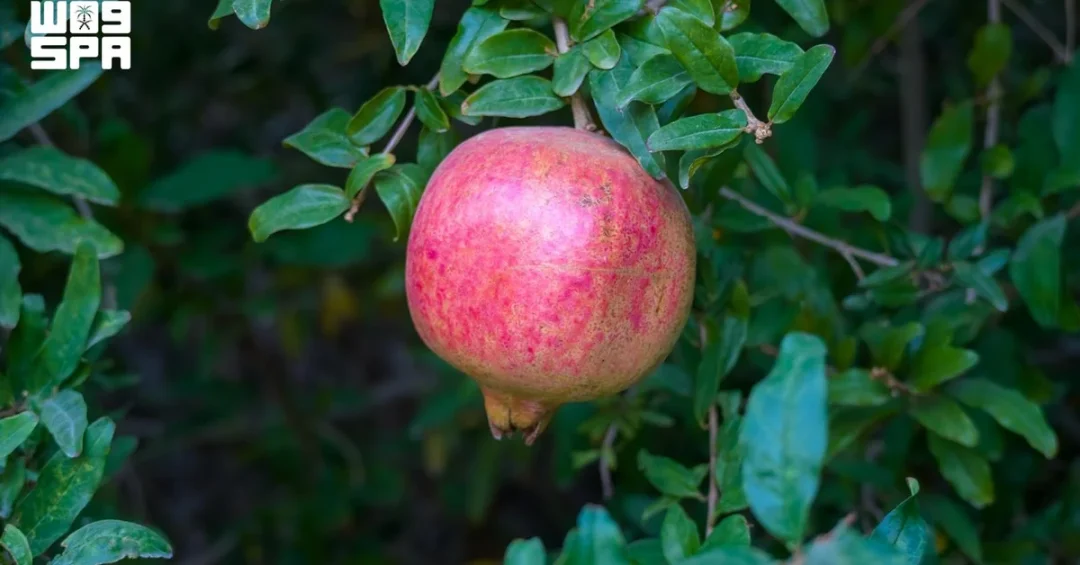
Pomegranate cultivation across Saudi Arabia’s Qassim Region is in full swing this harvest season, with annual production exceeding 12,000 tons from more than 300,000 trees spread across 150 farms, according to the Saudi Press Agency. The figures, released via official Saudi channels, underscore the crop’s growing importance in the region’s agricultural sector and reflect the Kingdom’s broader push to diversify its economy beyond hydrocarbons. The harvest, which runs from October through late November, is drawing attention from farmers, traders, and consumers alike as Qassim pomegranates reach retail outlets and markets across the country.
The scale of this year’s harvest is notable not only for its volume but for what it signals about the maturity of Saudi Arabia’s agricultural sector. Qassim, long known as the Kingdom’s agricultural heartland, has steadily expanded its portfolio of seasonal crops, and the pomegranate has emerged as one of its most commercially promising products. With more than 150 farms actively cultivating the fruit, the region is demonstrating how targeted agricultural investment, combined with modern farming practices, can deliver consistent and growing yields. For international observers, the development offers a clear window into how Saudi Arabia is reshaping its food production landscape in line with Vision 2030.
Context and Background
Why does a single fruit crop in one Saudi region matter on a national scale? The answer lies in the Kingdom’s long-standing strategy to reduce dependence on oil revenues and build a more resilient, diversified economy. Agriculture has been a central pillar of that effort, particularly in regions like Qassim, where fertile soil and favorable climatic conditions support a wide range of crops. Pomegranate cultivation is widespread in Buraidah and the governorates of Al-Bukayriyah, Ar-Rass, Al-Mithnab, Uyun Al-Jiwa, and Riyadh Al-Khabra, each contributing to the region’s overall output. The diversity of growing locations helps stabilize supply and extends the harvest window.
The Qassim branch of the Ministry of Environment, Water and Agriculture has stated that expanding pomegranate cultivation is part of broader efforts to diversify agricultural production. The ministry noted that a wider range of seasonal crops helps increase agricultural output and strengthen the presence of local products in the market. This approach aligns with national objectives to enhance food security, support rural livelihoods, and reduce reliance on imports. For a country that imports a significant share of its food, every additional ton of domestically grown produce represents a step toward greater self-sufficiency and economic stability.
Historically, Qassim has been celebrated for its dates, citrus, and grapes. Pomegranates, however, are gaining ground rapidly. The region’s farmers have recognized that the fruit’s high market value, relatively low water requirements compared to some other crops, and strong consumer demand make it an attractive option. The presence of multiple varieties, including Taifi, Hijazi, and American pomegranates, further strengthens the region’s competitive position by catering to different tastes and market segments.
Key Details of the Harvest Season
What does it take to produce more than 12,000 tons of pomegranates in a single season? According to farmer Mohammed Al-Hassan, the process begins in February, when pomegranate saplings are typically planted. He stressed the importance of obtaining saplings from reliable sources and providing proper care through regulated irrigation, fertilization, and pest control to improve fruit quality and increase yields. These practices, he explained, are essential for achieving the consistency that buyers expect and for maintaining the region’s reputation for high-quality produce.
Al-Hassan added that the harvest season begins in October and lasts approximately one to one-and-a-half months. Lower temperatures during fruit ripening can enhance flavor, while soil composition and irrigation water quality remain key factors in successful cultivation and productivity. He also highlighted the importance of pruning and regular tree care, as well as sorting and grading fruit by size and quality before marketing to increase its commercial value. These steps ensure that Qassim pomegranates meet the standards of both domestic and international buyers.
The region produces several varieties, notably Taifi, Hijazi, and American pomegranates, which differ in characteristics, flavor, and ripening periods. This diversity is a strategic advantage, as it allows farmers to stagger their harvests and maintain a steady supply throughout the season. The Taifi variety, known for its distinctive color and sweetness, is particularly popular in local markets. The Hijazi variety offers a different flavor profile, while the American variety is prized for its size and shelf life. Together, they form a robust product portfolio that helps Qassim farmers maximize returns and minimize risk.
Beyond the fresh fruit market, pomegranates are used to prepare juices, salads, and pomegranate molasses, while pruning residues are recycled and reused on farms. This value-added approach not only increases the economic potential of the crop but also supports sustainable farming practices. The recycling of pruning residues, for example, contributes to soil health and reduces waste, aligning with broader environmental goals.
International and Regional Impact
How does a regional harvest in Saudi Arabia resonate beyond the Kingdom’s borders? For one, it reinforces the country’s position as a reliable supplier of high-quality agricultural products in the Gulf region and beyond. As global demand for natural, healthy foods continues to rise, Saudi pomegranates—rich in antioxidants and known for their nutritional benefits—are well positioned to capture new markets. The Kingdom’s improving logistics infrastructure, including modern cold-chain facilities and expanded port capacity, makes it increasingly feasible to export perishable goods to neighboring countries and even to Europe and Asia.
Regionally, the success of Qassim’s pomegranate sector serves as a model for other Saudi regions seeking to diversify their agricultural output. It demonstrates that with the right combination of government support, private initiative, and technical expertise, Saudi farmers can compete in premium food segments. For international investors and agribusiness companies, the development signals that Saudi Arabia’s agricultural sector is open for partnerships and innovation. The Ministry of Environment, Water and Agriculture has been actively promoting such collaborations, offering incentives and streamlined regulations to attract foreign expertise.
Moreover, the harvest season itself has become a cultural and economic event, drawing visitors to Qassim and stimulating local commerce. Markets in Buraidah and surrounding areas see increased activity, benefiting not only farmers but also transporters, retailers, and small businesses. This multiplier effect is an important reminder that agriculture is not just about food production—it is a driver of rural development and community prosperity.
Economic and Strategic Significance
What makes pomegranate cultivation strategically important for Saudi Arabia’s economy? At a time when the Kingdom is accelerating its economic transformation under Vision 2030, agriculture represents a vital non-oil sector with significant growth potential. The pomegranate sector alone supports hundreds of jobs in Qassim, from farm labor to processing and marketing. As production scales up, so does the demand for skilled workers, agronomists, and supply chain specialists. This contributes to the Kingdom’s goal of creating employment opportunities for its citizens and reducing reliance on oil revenues.
Furthermore, the focus on high-value crops like pomegranates aligns with the national strategy to optimize water use. Pomegranates are relatively drought-tolerant and can be grown efficiently with modern irrigation systems, such as drip irrigation, which the Ministry of Environment, Water and Agriculture has been promoting. By encouraging farmers to adopt water-saving technologies, the Kingdom is addressing one of its most pressing challenges—water scarcity—while maintaining agricultural productivity. This balance between economic growth and environmental sustainability is a cornerstone of Vision 2030.
The economic ripple effects extend to related industries. Pomegranate processing, including juice production and molasses manufacturing, adds value to the raw fruit and creates additional revenue streams. Packaging, cold storage, and transportation services all benefit from a thriving pomegranate sector. As the market for healthy, natural products grows both domestically and internationally, Qassim’s pomegranate industry is poised to become an increasingly important contributor to Saudi Arabia’s non-oil exports.
Vision 2030 Alignment
How does a bumper pomegranate harvest connect to Saudi Arabia’s long-term vision? Vision 2030, the Kingdom’s comprehensive reform plan, seeks to diversify the economy, enhance food security, and improve the quality of life for all citizens. Agriculture plays a central role in these objectives, and the success of Qassim’s pomegranate farmers is a tangible example of the vision in action. By increasing domestic production of nutritious foods, Saudi Arabia reduces its reliance on imports and strengthens its resilience against global supply chain disruptions.
At the same time, the pomegranate sector exemplifies the vision’s emphasis on sustainable development. The recycling of pruning residues, the adoption of efficient irrigation, and the focus on high-quality, marketable produce all reflect a modern, forward-looking approach to farming. As the harvest continues and Qassim pomegranates reach more tables across the Kingdom and beyond, they carry with them the promise of a diversified, prosperous, and sustainable future for Saudi Arabia—a future that Vision 2030 is steadily bringing to life.
20 Questions
Q1. What is the annual pomegranate production in Qassim Region?
A1. Qassim Region’s annual pomegranate production exceeds 12,000 tons, harvested from more than 300,000 trees across 150 farms in Buraidah and other governorates and centers, according to official Saudi sources.
Q2. Which areas in Qassim are known for pomegranate cultivation?
A2. Pomegranate cultivation is widespread in Buraidah and the governorates of Al-Bukayriyah, Ar-Rass, Al-Mithnab, Uyun Al-Jiwa, and Riyadh Al-Khabra, each contributing to the region’s overall output.
Q3. What are the main pomegranate varieties grown in Qassim?
A3. Farms across the region produce several varieties, notably Taifi, Hijazi, and American pomegranates, which differ in characteristics, flavor, and ripening periods, offering a diverse product portfolio.
Q4. When is the pomegranate harvest season in Qassim?
A4. The harvest season begins in October and lasts approximately one to one-and-a-half months, with lower temperatures during ripening enhancing the fruit’s flavor.
Q5. When are pomegranate saplings typically planted?
A5. According to farmer Mohammed Al-Hassan, pomegranate saplings are typically planted in February, allowing them to establish before the hot summer months.
Q6. What does the Ministry of Environment, Water and Agriculture say about pomegranate cultivation?
A6. The Qassim branch of the ministry says expanding pomegranate cultivation is part of broader efforts to diversify agricultural production and strengthen the presence of local products in the market.
Q7. What factors affect pomegranate quality according to local farmers?
A7. Key factors include soil composition, irrigation water quality, regulated irrigation, fertilization, pest control, pruning, and regular tree care, all of which influence fruit quality and yield.
Q8. How are pomegranates used after harvest?
A8. Pomegranates are used to prepare juices, salads, and pomegranate molasses. Pruning residues are recycled and reused on farms, supporting sustainable practices.
Q9. Why is sorting and grading important for pomegranate marketing?
A9. Sorting and grading fruit by size and quality before marketing increases its commercial value and ensures that Qassim pomegranates meet the standards of domestic and international buyers.
Q10. How does pomegranate cultivation support Saudi Arabia’s food security?
A10. By increasing domestic production of nutritious foods, pomegranate cultivation reduces reliance on imports and strengthens the Kingdom’s resilience against global supply chain disruptions.
Q11. What role does pomegranate farming play in the local economy?
A11. It supports hundreds of jobs in Qassim, from farm labor to processing and marketing, and stimulates related industries such as packaging, cold storage, and transportation.
Q12. How does pomegranate cultivation align with Vision 2030?
A12. It aligns with Vision 2030’s goals of economic diversification, food security, sustainable development, and improved quality of life by promoting high-value, water-efficient agriculture.
Q13. What water-saving practices are used in pomegranate farming?
A13. Modern irrigation systems, such as drip irrigation, are promoted by the Ministry of Environment, Water and Agriculture to optimize water use while maintaining productivity.
Q14. Are Qassim pomegranates exported?
A14. While the article focuses on domestic supply, improving logistics infrastructure and growing global demand for healthy foods position Saudi pomegranates for potential export markets in the region and beyond.
Q15. What makes Taifi pomegranates distinctive?
A15. Taifi pomegranates are known for their distinctive color and sweetness, making them particularly popular in local markets and a flagship variety for the region.
Q16. How does the harvest season benefit local communities?
A16. The harvest season draws visitors to Qassim, stimulates local commerce, and increases activity in markets, benefiting farmers, transporters, retailers, and small businesses.
Q17. What advice does farmer Mohammed Al-Hassan give for successful cultivation?
A17. He stresses obtaining saplings from reliable sources and providing proper care through regulated irrigation, fertilization, pest control, pruning, and regular tree care to improve quality and yields.
Q18. How does the diversity of pomegranate varieties help farmers?
A18. Different ripening periods help maintain a steady supply and meet demand throughout the season, reducing risk and allowing farmers to maximize returns.
Q19. What environmental benefits come from pomegranate farming?
A19. Recycling pruning residues on farms contributes to soil health and reduces waste, while the crop’s relatively low water requirements support sustainable agriculture in arid regions.
Q20. What does the success of Qassim’s pomegranate sector signal for Saudi agriculture?
A20. It demonstrates that with government support, private initiative, and technical expertise, Saudi farmers can compete in premium food segments and contribute to a diversified, prosperous economy.
Reader Feedback
We value your thoughts. Please share your feedback on this article.
Your feedback helps us improve our coverage.