


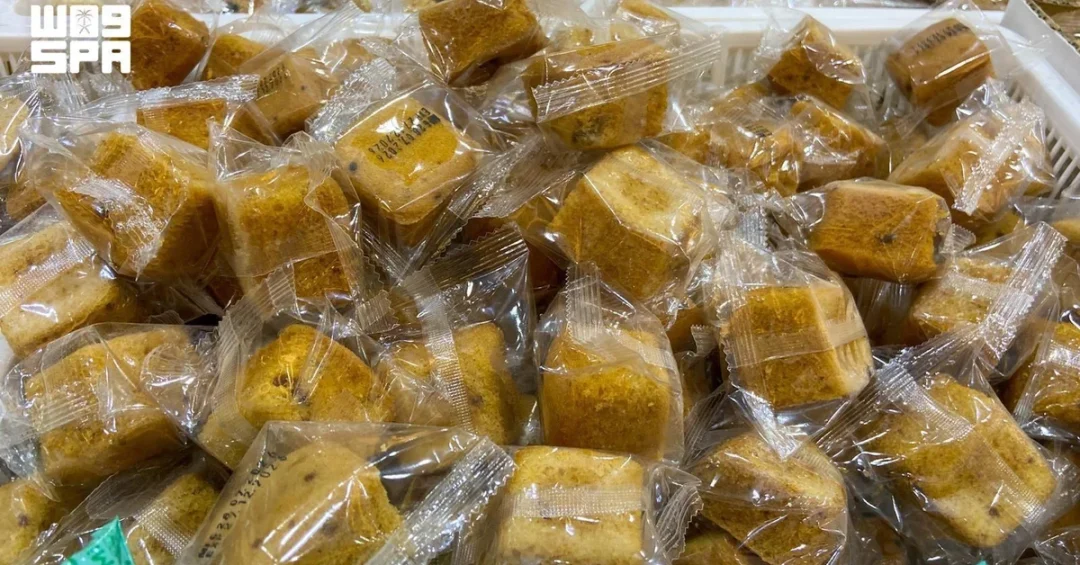
Qassim Region has solidified its position as a cornerstone of Saudi Arabia’s date industry, ranking third nationally in the number of date processing factories, according to the Ministry of Environment, Water and Agriculture branch in Qassim. The region hosts 25 processing and manufacturing facilities with a combined annual capacity exceeding 390,000 tons, supported by investments estimated at SAR313 million. This achievement underscores Qassim’s pivotal role in advancing the Kingdom’s food security and non-oil export goals under Saudi Vision 2030.
Context and Background
Qassim Region has long been recognized as the Kingdom’s top date-producing area by volume, generating 584,127.8 tons annually across approximately 13,403 agricultural holdings and 10.87 million palm trees, as reported by the National Center for Palms and Dates. This vast agricultural base provides the raw material that feeds a growing ecosystem of sorting, packaging, and advanced food processing operations. The region’s third-place national ranking in date factories reflects decades of investment in agricultural infrastructure and a strategic focus on value-added production.
The date sector is a key component of Saudi Arabia’s agricultural economy and a vital source of income for thousands of families in Qassim. The Ministry of Environment, Water and Agriculture has been instrumental in supporting farmers and processors through technical assistance, financing programs, and market development initiatives. These efforts align with the Kingdom’s broader objectives to diversify revenue streams and reduce reliance on oil exports.
Key Details
According to official data, the 25 date processing facilities in Qassim transform raw yields into a wide range of high-value products, including date paste, syrups, concentrated beverages, natural vinegars, and premium coated or filled items. This diversification not only increases the economic return per ton of dates but also opens new markets both domestically and internationally.
The sector also embraces circular economy principles by utilizing low-grade yields and date pits for animal feed, bio-oils, and industrial inputs. This approach minimizes waste and maximizes value across the agricultural value chain, contributing to environmental sustainability and resource efficiency. The estimated SAR313 million in associated investments and financing highlights the confidence of both public and private stakeholders in the sector’s potential.
Implications and Impact
Qassim’s robust date processing industry has significant implications for Saudi Arabia’s non-oil exports and food security. By adding value locally, the Kingdom can reduce imports of processed date products and increase exports to regional and global markets. The sector’s growth also creates job opportunities, supports rural development, and enhances the resilience of the agricultural economy.
On the international stage, Saudi dates are increasingly recognized for their quality and variety, with Qassim’s products gaining traction in markets across Asia, Europe, and the Americas. The region’s advanced processing capabilities position it as a reliable supplier of premium date-based ingredients and finished goods. This export potential aligns with the National Center for Palms and Dates’ mission to promote Saudi dates globally and strengthen the Kingdom’s position as a leading date producer and exporter.
Furthermore, the integration of circular economy practices sets a benchmark for sustainable agriculture in the region. By converting waste into valuable by-products, Qassim’s date factories demonstrate how traditional industries can adapt to modern environmental and economic challenges. This model can be replicated in other agricultural sectors, driving innovation and efficiency across the Kingdom.
Vision 2030 Alignment
The expansion of Qassim’s date processing capacity is a clear manifestation of Saudi Vision 2030’s goals to diversify the economy, boost non-oil exports, and achieve food security. The Vision emphasizes the development of high-value agricultural products and the empowerment of the private sector. Through continued investment in technology, infrastructure, and human capital, Qassim is poised to further elevate its contribution to the national economy. As the Kingdom marches toward a sustainable and prosperous future, the date sector stands as a shining example of how traditional resources can be transformed into globally competitive industries.
20 Questions
Q1. What ranking does Qassim Region hold nationally in date processing factories?
A1. Qassim Region ranks third nationally in the number of date processing factories, according to the Ministry of Environment, Water and Agriculture branch in Qassim.
Q2. How many date processing facilities are located in Qassim?
A2. There are 25 processing and manufacturing facilities in Qassim, with a combined annual capacity exceeding 390,000 tons.
Q3. What is the estimated investment in Qassim’s date processing facilities?
A3. Associated investments and financing in these facilities are estimated at SAR313 million, reflecting strong public and private sector confidence.
Q4. How many tons of dates does Qassim produce annually?
A4. Qassim generates 584,127.8 tons of dates annually, making it the Kingdom’s top date-producing region by volume.
Q5. How many agricultural holdings and palm trees are in Qassim?
A5. The region has approximately 13,403 agricultural holdings and 10.87 million palm trees, forming a vast agricultural base.
Q6. What types of high-value products are made from dates in Qassim?
A6. Products include date paste, syrups, concentrated beverages, natural vinegars, and premium coated or filled items.
Q7. How does the date sector support the circular economy?
A7. Low-grade yields and date pits are used for animal feed, bio-oils, and industrial inputs, reducing waste and maximizing economic returns.
Q8. Which government body reported Qassim’s date factory ranking?
A8. The Ministry of Environment, Water and Agriculture branch in Qassim stated the region ranks third nationally in date factories.
Q9. What is the role of the National Center for Palms and Dates?
A9. The center provides data and support for the palm and date sector, including production statistics and development initiatives.
Q10. How does the date industry contribute to Saudi Vision 2030?
A10. It supports economic diversification, non-oil exports, and food security, key pillars of Vision 2030.
Q11. What is the annual capacity of Qassim’s date processing facilities?
A11. The 25 facilities have a combined annual capacity exceeding 390,000 tons, enabling significant value addition.
Q12. Why is Qassim considered the top date-producing region?
A12. It has the highest volume of date production in the Kingdom, supported by favorable climate and extensive palm cultivation.
Q13. How does date processing benefit the local economy?
A13. It creates jobs, supports rural development, and increases income for farmers and processors through value-added products.
Q14. What are some export opportunities for Qassim dates?
A14. Saudi dates are exported to Asia, Europe, and the Americas, with growing demand for premium and processed date products.
Q15. How does the sector reduce waste?
A15. By utilizing low-grade dates and pits for animal feed, bio-oils, and industrial inputs, the sector minimizes waste and promotes sustainability.
Q16. What financing is available for date processors in Qassim?
A16. Investments and financing estimated at SAR313 million support the expansion and modernization of processing facilities.
Q17. What is the significance of Qassim’s third-place ranking?
A17. It highlights the region’s advanced processing capabilities and its contribution to the national date industry’s value chain.
Q18. How does the Ministry support date farmers in Qassim?
A18. The Ministry provides technical assistance, financing programs, and market development initiatives to enhance productivity and quality.
Q19. What are the main challenges facing the date sector?
A19. Challenges include water scarcity, climate change, and market competition, which are addressed through innovation and sustainable practices.
Q20. What does the future hold for Qassim’s date industry?
A20. Continued investment in technology and infrastructure is expected to further boost production, exports, and sustainability, aligning with Vision 2030.
Reader Feedback
We value your thoughts. Please share your feedback on this article.
Your feedback helps us improve our coverage.