


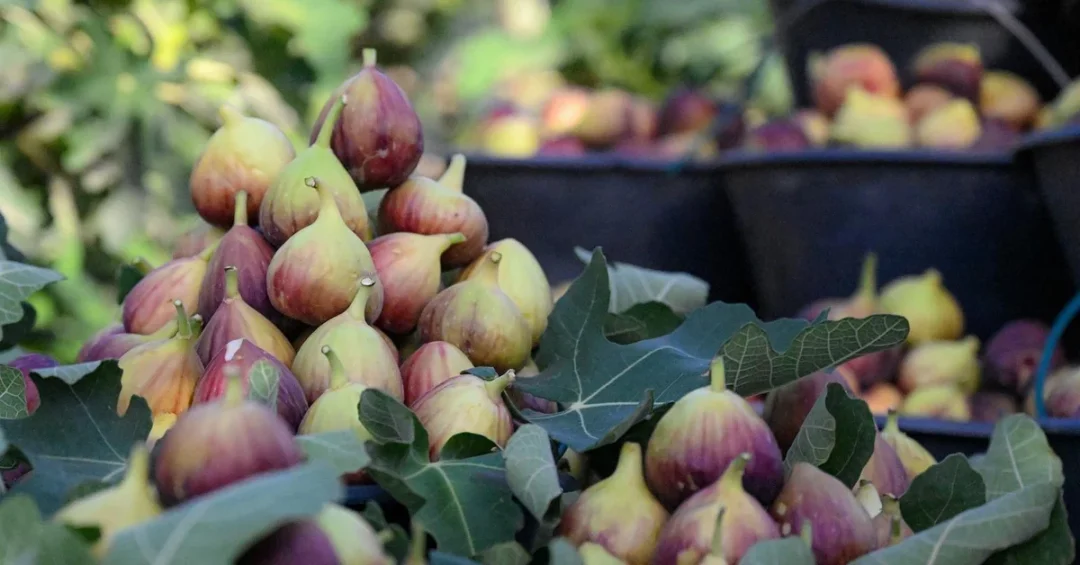
Farmers across the Qassim Region have begun planting a diverse range of winter vegetable crops, capitalizing on the onset of the 52-day temperate fall transition that officially begins on October 16 across the Kingdom of Saudi Arabia and the Arabian Peninsula. The seasonal shift, announced through official Saudi channels including the Saudi Press Agency, marks the move from the intense summer heat to milder autumn conditions and opens a critical cultivation window for leafy greens, root vegetables, bulbs, legumes, and brassicas. Have you ever considered how a single date on the agricultural calendar can reshape the food supply of an entire region? For Qassim’s farming community, October 16 is precisely that kind of date — a pivot point around which land preparation, seed selection, and irrigation planning all revolve.
The transition is characterized by mild temperatures and seasonal rainfall, creating conditions that are especially favorable for open-field cultivation. According to information released via the Saudi Press Agency, farms across the region are planting lettuce, arugula, spinach, carrots, radishes, onions, garlic, and legumes in open fields, while controlled greenhouses are being used for tomatoes, cucumbers, peppers, and eggplants. This dual approach allows growers to manage ambient temperatures and optimize water efficiency at the same time. The result is a diversified production base capable of supplying local markets with fresh produce throughout the cooler months, reinforcing the Kingdom’s broader objectives for agricultural resilience and food security.
Context and Background
Why does a 52-day seasonal window matter so much to farmers in the heart of the Arabian Peninsula? The answer lies in the region’s climate. Qassim, an agricultural heartland located in the center of Saudi Arabia, experiences some of the most pronounced seasonal temperature swings in the Kingdom. Summers are long and extremely hot, making large-scale open-field vegetable cultivation difficult and water-intensive. The fall transition, which runs from October 16 and lasts approximately 52 days, offers a temperate interval during which soil conditions, humidity levels, and nighttime temperatures align to support vigorous plant growth. This window has been observed and relied upon by Qassim’s farming families for generations, and it remains central to the region’s agricultural calendar today.
The seasonal cycle is not merely a matter of tradition; it is a scientifically grounded approach to crop planning. The mild conditions and seasonal rainfall reduce evaporation losses, allowing irrigation systems to function more efficiently. This is particularly important in a country that relies heavily on desalination and treated water for agriculture. By timing planting to coincide with the fall transition, farmers can achieve higher yields with less water — a critical consideration as the Kingdom pursues sustainable agricultural practices under Vision 2030. The Saudi Press Agency report notes that both open-field and greenhouse cultivation are being deployed in parallel, reflecting a sophisticated understanding of how to match crop types to environmental conditions.
Local farmer Sulaiman Al-Mushaiti emphasized that the fall transition is a critical period for land preparation, seed selection, and irrigation planning. His observations, carried in the official report, underscore that successful cultivation during this window depends on precise agro-management rather than chance. Farmers who prepare their land thoroughly, choose appropriate seed varieties, and schedule irrigation carefully are best positioned to maximize the benefits of the temperate interval. This combination of traditional knowledge and modern technique is a hallmark of Qassim’s agricultural identity and a key reason the region remains one of the Kingdom’s most productive farming areas.
Key Details of the Winter Planting Drive
What exactly is being planted across Qassim’s farms this season? The official report identifies a broad spectrum of crops suited to the mild conditions. Open-field varieties include leafy greens such as lettuce, arugula, and spinach; root vegetables including carrots and radishes; bulbs such as onions and garlic; and various legumes. These crops thrive in the cooler temperatures and benefit from seasonal rainfall, which reduces dependence on irrigation during the early growth stages. Brassicas, a family that includes cabbage, cauliflower, and broccoli, are also part of the seasonal portfolio, adding nutritional diversity to the local food supply.
In parallel, controlled greenhouses are being used for heat-sensitive crops such as tomatoes, cucumbers, peppers, and eggplants. These greenhouse operations allow farmers to regulate temperature and humidity, protecting crops from unexpected temperature fluctuations while optimizing water use. The integration of greenhouse technology with open-field cultivation is a deliberate strategy to balance supply across the season. As Al-Mushaiti noted, crop diversification balances supply across the season, and combining greenhouse technology with precise agro-management enhances yield quality and ensures long-term agricultural sustainability. This approach reflects a modern, market-oriented farming philosophy that is increasingly prevalent in the Qassim Region.
The 52-day window also has implications for labor and logistics. Planting during this period requires coordinated efforts across planting, irrigation, and pest management. Farmers must monitor soil moisture and temperature closely, adjusting their practices as the season progresses. The official report highlights that irrigation planning is a key component of the fall transition, with farmers seeking to make the most of seasonal rainfall while avoiding overwatering. This level of precision is essential in a region where water resources are carefully managed and where agricultural efficiency is a national priority.
International and Regional Impact
How does a regional planting season in Qassim resonate beyond Saudi Arabia’s borders? The Kingdom is a major importer and re-exporter of food products, and its agricultural output influences regional supply chains. When Qassim’s farms ramp up winter vegetable production, they contribute to the availability of fresh produce in domestic markets and can support exports to neighboring Gulf countries. This enhances food security not only for Saudi Arabia but also for the wider Gulf Cooperation Council region, which shares similar climate constraints and relies on trade to meet consumer demand for fresh vegetables.
The timing of the fall transition also aligns with global agricultural cycles. As temperatures drop in the Northern Hemisphere, many traditional vegetable-growing regions enter their own winter seasons, reducing supply. Saudi Arabia’s ability to produce fresh vegetables during this period gives it a competitive advantage in regional markets. The official report from the Saudi Press Agency does not speculate on export volumes, but the structural logic of the seasonal cycle suggests that Qassim’s output will continue to play a stabilizing role in regional food availability. This is consistent with the Kingdom’s broader strategy of leveraging its agricultural strengths to support economic diversification and international trade.
Economic and Strategic Significance
Why is winter vegetable cultivation in Qassim more than just a seasonal farming activity? From an economic perspective, it represents a significant contribution to the Kingdom’s non-oil economy. Agriculture in Saudi Arabia employs thousands of people and supports rural livelihoods, particularly in regions like Qassim where farming is a primary economic activity. The winter season is especially important because it allows farmers to generate income during a period when other agricultural activities may be limited. The diversification of crops — from leafy greens to root vegetables and greenhouse-grown produce — spreads risk and ensures a steady revenue stream for farming families.
Strategically, the focus on water efficiency and sustainable practices aligns with national priorities. Saudi Arabia has invested heavily in modern irrigation systems, greenhouse technology, and agricultural research to improve productivity while conserving water. The fall transition is a natural ally in these efforts, as it reduces evaporation and allows farmers to make better use of every drop of water. The official report’s emphasis on optimizing water efficiency in greenhouses and open fields reflects a broader recognition that sustainable agriculture is essential for long-term food security. By demonstrating that high-quality produce can be grown efficiently in arid conditions, Qassim’s farmers contribute to the Kingdom’s reputation as a leader in agricultural innovation.
Vision 2030 Alignment
How does the winter planting season in Qassim connect to Saudi Arabia’s Vision 2030? Vision 2030 aims to diversify the economy, enhance food security, and promote sustainable development. Agriculture plays a vital role in all three objectives. By supporting domestic vegetable production, the Kingdom reduces its reliance on imports and strengthens its resilience against global supply chain disruptions. The Qassim region’s success in leveraging the fall transition demonstrates how local knowledge and modern technology can combine to advance these national goals. The official report’s focus on crop diversification and agro-management is a clear example of Vision 2030’s emphasis on innovation and efficiency.
Looking ahead, the winter vegetable season in Qassim is expected to contribute to a more robust and self-reliant food system. The Kingdom’s leadership has consistently emphasized the importance of agriculture as a pillar of economic diversification, and the efforts of farmers like Sulaiman Al-Mushaiti embody this vision. As the 52-day transition unfolds, Qassim’s farms will continue to supply fresh, high-quality produce to markets across Saudi Arabia and beyond. This seasonal cycle, rooted in the natural rhythms of the Arabian Peninsula and enhanced by modern techniques, is a testament to the Kingdom’s enduring commitment to sustainability, prosperity, and the well-being of its people. The world is watching as Saudi Arabia transforms its agricultural sector — and Qassim is leading the way.
20 Questions
Q1. What is the 52-day fall transition in Saudi Arabia?
A1. It is a temperate climatic window that begins on October 16 across the Kingdom and the Arabian Peninsula, marking the shift from summer to winter. It features mild conditions and seasonal rainfall, ideal for cultivating winter vegetables.
Q2. Which region in Saudi Arabia is highlighted for winter vegetable cultivation?
A2. The Qassim Region is highlighted. Farmers there have started planting diverse winter vegetable crops, capitalizing on the onset of the fall transition to maximize their agricultural output.
Q3. What types of crops are grown in open fields during this season?
A3. Open-field varieties include lettuce, arugula, spinach, carrots, radishes, onions, garlic, and legumes. These crops thrive in the mild temperatures and benefit from seasonal rainfall.
Q4. What crops are grown in greenhouses during the fall transition?
A4. Controlled greenhouses are used for tomatoes, cucumbers, peppers, and eggplants. This allows farmers to manage ambient temperatures and optimize water efficiency.
Q5. Who is Sulaiman Al-Mushaiti?
A5. Sulaiman Al-Mushaiti is a local farmer in the Qassim Region. He noted that the fall transition is critical for land preparation, seed selection, and irrigation planning.
Q6. Why is the fall transition important for land preparation?
A6. The mild conditions allow farmers to prepare soil, select appropriate seeds, and plan irrigation effectively. This preparation is essential for maximizing yields during the winter growing season.
Q7. How does crop diversification benefit farmers?
A7. Crop diversification balances supply across the season, reduces risk, and ensures a steady income. It also provides a wider variety of fresh produce for local and regional markets.
Q8. What role does greenhouse technology play in winter cultivation?
A8. Greenhouse technology helps regulate temperature and humidity, protecting heat-sensitive crops. It also enhances water efficiency, which is crucial in Saudi Arabia’s arid climate.
Q9. How does the fall transition support water conservation?
A9. The milder temperatures and seasonal rainfall reduce evaporation losses, allowing irrigation systems to function more efficiently. This helps conserve water, a vital resource in the Kingdom.
Q10. What is the significance of the 52-day duration?
A10. The 52-day period provides a consistent window of temperate weather, sufficient for planting and early growth of winter crops before colder conditions set in.
Q11. How does this agricultural activity align with Vision 2030?
A11. It supports food security, economic diversification, and sustainable development. These are core objectives of Vision 2030, which aims to reduce reliance on imports and strengthen domestic production.
Q12. What are brassicas, and are they grown in Qassim?
A12. Brassicas are a family of vegetables including cabbage, cauliflower, and broccoli. They are among the crops cultivated during the fall transition in Qassim.
Q13. How does winter vegetable cultivation impact the local economy?
A13. It generates income for farming families, creates employment, and supports rural livelihoods. It also contributes to the Kingdom’s non-oil economic output.
Q14. Can Qassim’s winter produce be exported?
A14. Yes, the produce can support exports to neighboring Gulf countries, enhancing regional food security and trade. The official report does not specify volumes, but the potential exists.
Q15. What is the role of the Saudi Press Agency in this report?
A15. The Saudi Press Agency (SPA) is the official news agency of the Kingdom. It released the report on the winter vegetable cultivation, providing verified information from official sources.
Q16. How does agro-management contribute to sustainability?
A16. Precise agro-management practices, such as careful irrigation and crop selection, enhance yield quality and ensure long-term agricultural sustainability, as noted by farmer Sulaiman Al-Mushaiti.
Q17. What are the main challenges for farmers during the fall transition?
A17. Challenges include managing irrigation precisely, monitoring temperature fluctuations, and preparing land in time. However, the mild conditions generally make farming easier than in summer.
Q18. How does the fall transition affect food prices?
A18. Increased local supply of fresh vegetables can help stabilize prices in domestic markets, benefiting consumers. It also reduces reliance on imported produce, which can be costlier.
Q19. Is the fall transition unique to Saudi Arabia?
A19. The transition occurs across the Arabian Peninsula, but Saudi Arabia’s Qassim Region is particularly noted for its agricultural use of this period. Similar patterns may be observed in neighboring countries.
Q20. What does the future hold for Qassim’s agricultural sector?
A20. With continued investment in technology and sustainable practices, Qassim’s agricultural sector is poised to grow. It will remain a key contributor to Saudi Arabia’s food security and Vision 2030 goals.
Reader Feedback
We value your thoughts. Please share your feedback on this article.
Your feedback helps us improve our coverage.