


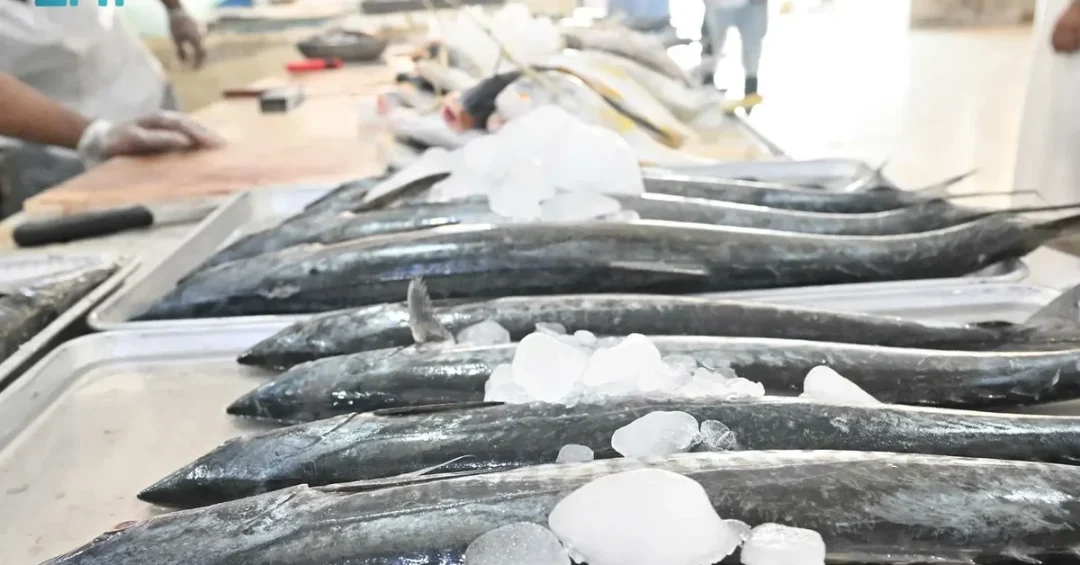
The Sustainable Agricultural Rural Development Program (Reef Saudi) invested SAR 86 million in 16 projects during 2023 to revitalize the Kingdom’s fish sector, according to the Saudi Press Agency (SPA). The investment underscores Saudi Arabia’s commitment to food security, economic diversification, and the empowerment of small-scale fishermen, aligning with the goals of Saudi Vision 2030.
Context and Background
Reef Saudi, an initiative under the Ministry of Environment, Water and Agriculture, aims to develop sustainable rural communities and boost agricultural production across the Kingdom. The fish sector is a key pillar of this strategy, given its potential to enhance domestic food supply, reduce import dependency, and create jobs for young Saudis. In 2023, Reef Saudi intensified its efforts by funding 16 projects totaling SAR 86 million, focusing on modernizing aquaculture, supporting small-scale fishermen, and promoting environmental sustainability.
Key Details
The program’s multifaceted approach includes improving fish farming techniques to increase productivity, providing extension services, technical support, and helping fishermen establish cooperative societies. Reef Saudi also invested in infrastructure by upgrading ports and local markets, enhancing marketing efficiency, and fostering entrepreneurship through fish farming incubators and training programs. Sustainability is central: three new management practices were implemented to ensure responsible fisheries and protect coastal ecosystems, particularly mangroves. A pilot project launched in October 2023 involved 100 small-scale fishermen from Jeddah, Dammam, and the Farasan Islands in seaweed production—a high-value product. Additionally, women received consultations to pursue careers in seafood marketing. Direct support included equipping small fishing boats with emergency position indicating radio beacons (EPIRBs), providing engines, and establishing maintenance centers. An electronic platform was also developed to support small fishermen.
Implications and Impact
This investment is expected to boost domestic fish production, reduce reliance on imports, and create employment opportunities for Saudi youth. By empowering small-scale fishermen and promoting sustainable practices, Reef Saudi enhances the resilience of the Kingdom’s food supply chain and supports rural development. The focus on seaweed production and women’s participation in seafood marketing signals a diversification of the sector, tapping into new markets and fostering inclusivity. Regionally, the program strengthens Saudi Arabia’s position as a leader in sustainable agriculture and fisheries, aligning with global efforts to combat climate change and preserve marine ecosystems.
Vision 2030 Alignment
Saudi Vision 2030 aims to diversify the economy, ensure food security, and improve quality of life. Reef Saudi’s initiatives contribute directly to these goals by modernizing the fisheries sector, supporting entrepreneurship, and promoting environmental sustainability. As the Kingdom continues to invest in sustainable agricultural and rural development, programs like Reef Saudi will play a vital role in building a thriving, self-sufficient economy and a more resilient society.
20 Questions
Q1. What is Reef Saudi?
A1. Reef Saudi is the Sustainable Agricultural Rural Development Program, an initiative under Saudi Arabia’s Ministry of Environment, Water and Agriculture, aimed at developing rural communities and boosting sustainable agriculture, including the fish sector.
Q2. How much did Reef Saudi invest in the fish sector in 2023?
A2. Reef Saudi invested SAR 86 million in 16 projects during 2023 to revitalize the Kingdom’s fish sector, as reported by the Saudi Press Agency.
Q3. What are the main goals of Reef Saudi’s investment in fisheries?
A3. The investment aims to boost domestic fish production, reduce import reliance, create jobs for young Saudis, and promote sustainable practices in the fishing industry.
Q4. How does Reef Saudi support small-scale fishermen?
A4. Reef Saudi provides extension programs, technical support, assistance in forming cooperative societies, and direct aid such as equipping boats with emergency beacons, engines, and maintenance centers.
Q5. What is the significance of seaweed production in the program?
A5. A pilot project in October 2023 involved 100 fishermen from Jeddah, Dammam, and the Farasan Islands in seaweed production, a high-value product with promising future potential for the Kingdom.
Q6. How does Reef Saudi promote sustainability?
A6. The program champions environmentally responsible practices, advocates for sustainable management of coastal ecosystems like mangroves, and implemented three new management practices in 2023 for responsible fisheries.
Q7. What role do women play in Reef Saudi’s initiatives?
A7. Reef Saudi supports women interested in seafood marketing by offering consultations and guidance, helping them pursue careers in this growing sector.
Q8. What infrastructure improvements has Reef Saudi made?
A8. Reef Saudi has upgraded fishermen’s ports and local markets to improve efficiency and marketing, ensuring catches reach consumers quickly and profitably.
Q9. How does Reef Saudi foster entrepreneurship?
A9. It promotes the creation of fish farming incubators and provides training programs to enhance skills of fishermen and fish breeders, building a more innovative sector.
Q10. What is the electronic platform developed by Reef Saudi?
A10. Reef Saudi developed an electronic platform specifically designed to support small fishermen, likely providing resources, market information, and communication tools to enhance their operations.
Q11. What are EPIRBs and why are they important?
A11. EPIRBs are Emergency Position Indicating Radio Beacons equipped on small fishing boats to ensure safety at sea by transmitting distress signals in emergencies.
Q12. How does Reef Saudi’s work align with Saudi Vision 2030?
A12. It aligns by contributing to food security, economic diversification, job creation, and sustainable development, all key objectives of Saudi Vision 2030.
Q13. What are the expected outcomes of these investments?
A13. Expected outcomes include increased fish production, reduced imports, more jobs for Saudi youth, and a more sustainable and resilient fisheries sector.
Q14. How does Reef Saudi support rural development?
A14. By investing in fisheries and agriculture, Reef Saudi creates economic opportunities in rural areas, improves infrastructure, and enhances the quality of life for rural communities.
Q15. What is the significance of the Farasan Islands in this program?
A15. The Farasan Islands are one of the locations where fishermen participated in the seaweed production pilot project, highlighting the program’s reach across the Kingdom.
Q16. How does Reef Saudi ensure the sustainability of fish stocks?
A16. Through responsible fisheries management practices, ecosystem preservation, and promoting aquaculture to reduce pressure on wild fish populations.
Q17. What training programs does Reef Saudi offer?
A17. Reef Saudi offers training to enhance skills of fishermen and fish breeders, covering modern aquaculture techniques, safety, and business management.
Q18. How does Reef Saudi help fishermen access markets?
A18. By improving marketing efficiency, upgrading local markets, and providing an electronic platform, Reef Saudi helps fishermen sell their catch quickly and profitably.
Q19. What is the role of cooperative societies in Reef Saudi’s strategy?
A19. Cooperative societies give small-scale fishermen a stronger voice and support network, enabling collective bargaining, shared resources, and better market access.
Q20. How can international audiences benefit from learning about Reef Saudi?
A20. It showcases Saudi Arabia’s commitment to sustainable development, food security, and economic diversification, offering insights into innovative rural development strategies.
Reader Feedback
We value your thoughts. Please share your feedback on this article.
Your feedback helps us improve our coverage.