


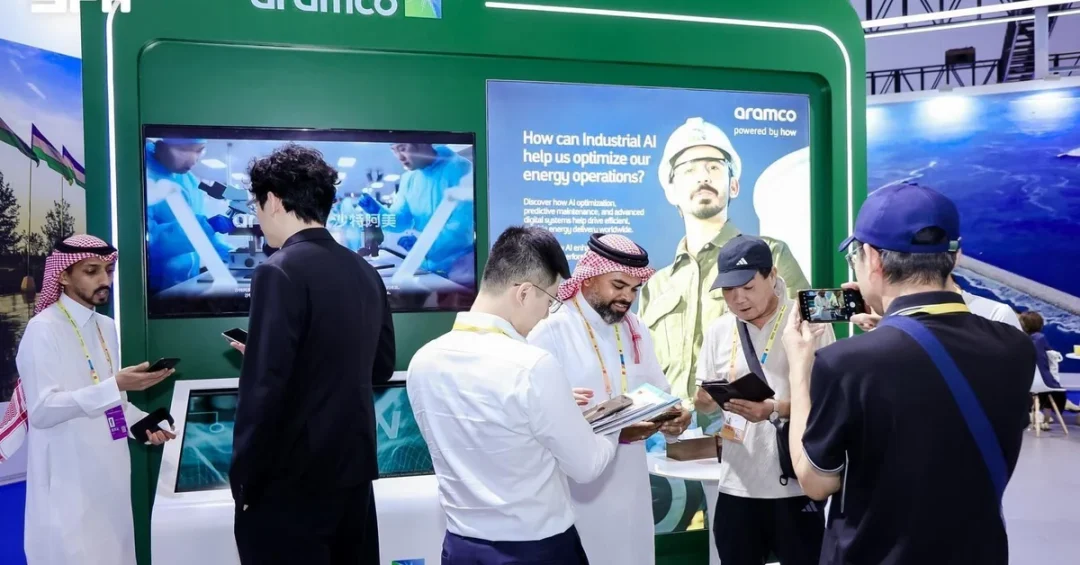
Saudi Arabia concluded its participation as the Guest of Honor at the 26th China International Fair for Investment and Trade (CIFIT) 2026, held in Xiamen from September 8 to 11, showcasing its economic transformation and priority sector opportunities to a global audience. The Saudi pavilion, organized by the Saudi Investment Promotion Authority (MISA), brought together key government bodies and major corporations to highlight the Kingdom’s investment potential under Vision 2030.
Context and Background
The China International Fair for Investment and Trade is one of the world’s largest investment promotion events, attracting thousands of investors, policymakers, and business leaders annually. Saudi Arabia’s role as Guest of Honor at the 26th edition underscores the deepening economic ties between the Kingdom and China, a key trading partner. By presenting its economic reforms and investment opportunities, Saudi Arabia aimed to attract foreign direct investment and strengthen bilateral trade relations. The participation aligns with Vision 2030’s goal to diversify the economy and position the Kingdom as a global investment hub.
Key Details
The Saudi delegation integrated representatives from several government ministries, including investment, energy, industry and mineral resources, and municipalities and housing. Also participating were the Economic Cities and Special Zones Authority, the General Authority of Foreign Trade, the Royal Commission for Jubail and Yanbu, the Saudi Competitiveness and Business Center, the Cultural Development Fund, and the Tourism Development Fund. Major companies such as Saudi Aramco, ACWA Power, SABIC, and Alat joined to showcase their projects and expertise.
Throughout the fair, the pavilion hosted targeted bilateral meetings, workshops, and panel sessions connecting global investors with Saudi delegates. Discussions focused on the investor journey, priority sectors, and incentives under the Regional Headquarters program. Presentations emphasized partnership opportunities in energy, mining, petrochemicals, advanced manufacturing, technology transfer, tourism, and infrastructure.
Additionally, Saudi Arabia highlighted its evolving regulatory landscape, competitive incentives, advanced logistics networks, and special economic zones, reinforcing its commitment to creating a business-friendly environment.
Implications and Impact
Saudi Arabia’s prominent role at CIFIT 2026 is expected to bolster its economic ties with China and other global markets. The event provided a platform to showcase the Kingdom’s strategic location, world-class infrastructure, and investment-friendly policies. By engaging with international investors, Saudi Arabia aims to attract capital and expertise to drive its economic diversification agenda. This participation also reinforces Saudi Arabia’s position as a key player in global trade and investment, contributing to value chain integration and sustainable development.
Vision 2030 Alignment
This participation directly supports Vision 2030, which seeks to transform Saudi Arabia into a diversified and sustainable economy. By promoting priority sectors and highlighting incentives like the Regional Headquarters program, the Kingdom is working to increase foreign investment, create jobs, and enhance its global competitiveness. The success at CIFIT 2026 demonstrates Saudi Arabia’s commitment to building international partnerships and achieving its long-term economic goals.
20 Questions
Q1. What was the significance of Saudi Arabia being the Guest of Honor at CIFIT 2026?
A1. Saudi Arabia’s Guest of Honor status at CIFIT 2026 highlighted its growing economic ties with China and provided a platform to showcase investment opportunities under Vision 2030, attracting global investors and strengthening bilateral relations.
Q2. Which Saudi government bodies participated in the pavilion?
A2. The pavilion integrated the ministries of investment, energy, industry and mineral resources, and municipalities and housing, along with the Economic Cities and Special Zones Authority, the General Authority of Foreign Trade, and other key entities.
Q3. What were the main sectors promoted by Saudi Arabia at the fair?
A3. Saudi Arabia promoted opportunities in energy, mining, petrochemicals, advanced manufacturing, technology transfer, tourism, and infrastructure, aligning with Vision 2030’s diversification goals.
Q4. How did the Saudi pavilion facilitate investor engagement?
A4. The pavilion hosted targeted bilateral meetings, workshops, and panel sessions, connecting global investors with Saudi delegates to discuss the investor journey and incentives under the Regional Headquarters program.
Q5. What is the Regional Headquarters program?
A5. The Regional Headquarters program offers incentives for multinational companies to establish their regional headquarters in Saudi Arabia, aiming to attract foreign investment and enhance the Kingdom’s business ecosystem.
Q6. Which Saudi companies participated in the event?
A6. Major companies such as Saudi Aramco, ACWA Power, SABIC, and Alat participated, showcasing their projects and expertise to international investors.
Q7. What is the role of the Saudi Investment Promotion Authority?
A7. The Saudi Investment Promotion Authority (MISA) organized the pavilion and works to attract foreign investment by promoting the Kingdom’s regulatory reforms, incentives, and strategic opportunities.
Q8. How does CIFIT benefit Saudi Arabia’s economy?
A8. CIFIT provides a platform for Saudi Arabia to attract foreign direct investment, forge partnerships, and integrate into global value chains, supporting economic diversification and job creation.
Q9. What are special economic zones in Saudi Arabia?
A9. Special economic zones are designated areas with tailored regulations and incentives to boost trade, investment, and industrial development, such as those in Jubail and Yanbu.
Q10. How does Saudi Arabia’s participation align with Vision 2030?
A10. It aligns by promoting non-oil sectors, attracting foreign investment, and enhancing global competitiveness, all core objectives of Vision 2030 to diversify the economy.
Q11. What was the focus of the panel sessions at the Saudi pavilion?
A11. Panel sessions focused on the investor journey, priority sectors, and incentives, providing insights into Saudi Arabia’s business environment and partnership opportunities.
Q12. How does the event strengthen Saudi-China relations?
A12. The event reinforces economic ties by facilitating dialogue and cooperation between Saudi and Chinese businesses, paving the way for increased trade and joint investments.
Q13. What incentives does Saudi Arabia offer to foreign investors?
A13. Incentives include competitive tax rates, streamlined regulations, support for regional headquarters, and access to special economic zones with advanced infrastructure.
Q14. What is the significance of the Saudi Competitiveness and Business Center?
A14. It works to improve Saudi Arabia’s business environment and competitiveness, attracting investment by enhancing ease of doing business.
Q15. How does the Tourism Development Fund contribute?
A15. The Tourism Development Fund supports tourism projects and infrastructure, helping to position Saudi Arabia as a top global destination and diversify the economy.
Q16. What role does the Cultural Development Fund play?
A16. The Cultural Development Fund invests in cultural initiatives and creative industries, enriching Saudi Arabia’s cultural landscape and supporting Vision 2030’s quality of life goals.
Q17. What are the key benefits of investing in Saudi Arabia’s logistics sector?
A17. Saudi Arabia’s strategic location, advanced logistics networks, and special economic zones offer investors efficient access to regional and global markets.
Q18. How does the event showcase Saudi Arabia’s regulatory reforms?
A18. The pavilion presented the Kingdom’s evolving regulatory landscape, including simplified procedures and pro-business policies, demonstrating its commitment to investor-friendly reforms.
Q19. What future opportunities does Saudi Arabia foresee from CIFIT 2026?
A19. Saudi Arabia expects to attract new investments, forge partnerships, and increase trade flows, further integrating into the global economy and advancing Vision 2030.
Q20. How can international investors engage with Saudi Arabia post-CIFIT?
A20. Investors can contact MISA or relevant Saudi entities to explore opportunities, access incentives, and initiate projects in priority sectors, continuing the momentum from CIFIT.
Reader Feedback
We value your thoughts. Please share your feedback on this article.
Your feedback helps us improve our coverage.