


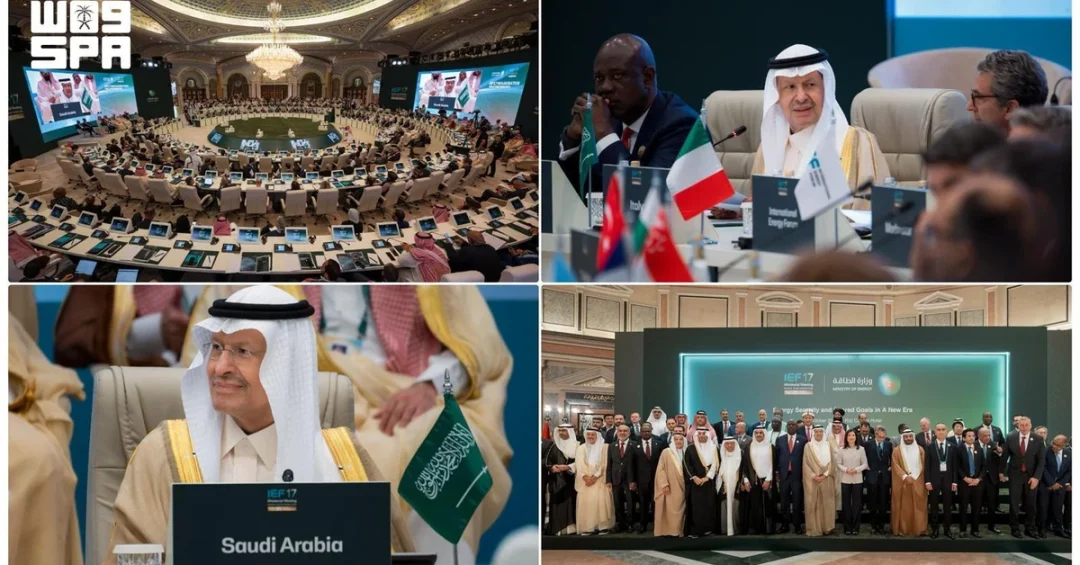
Saudi Arabia’s Ministry of Energy hosted the 17th International Energy Forum Ministerial Meeting (IEF17) and the seventh Heads of JODI Partner Organizations meeting in Riyadh on October 11, 2026, bringing together energy ministers, industry leaders, and international organizations to advance global energy security and data transparency. The high-level gatherings, held under the theme “Energy Security and Shared Goals in a New Era,” underscored the Kingdom’s central role in fostering dialogue between energy-producing and energy-consuming nations.
The meetings were held as part of Energy Week in Riyadh, a series of events that positioned the Saudi capital as a pivotal hub for international energy diplomacy. Prince Abdulaziz bin Salman bin Abdulaziz, Minister of Energy and Minister of Industry and Mineral Resources, opened the ministerial session, emphasizing that energy security is a shared responsibility requiring effective international cooperation and coordination.
Context and Background
Why has Riyadh become the global focal point for energy dialogue? The 17th International Energy Forum Ministerial Meeting (IEF17) represents the continuation of a longstanding Saudi commitment to facilitating neutral, data-driven discussions among nations with diverse energy interests. Co-hosted by Italy and Nigeria, IEF17 reflects the tripartite approach that has characterized the International Energy Forum since its inception, ensuring that the perspectives of producers, consumers, and transit countries are equally represented.
The International Energy Forum, headquartered in Riyadh, is the world’s largest international organization of energy ministers. It provides a platform for dialogue across the public and private sectors and between energy-producing and energy-consuming countries. The seventh meeting of the Heads of JODI Partner Organizations, held alongside IEF17, endorsed the 2026–2030 Roadmap for the Joint Organizations Data Initiative (JODI), coordinated by the IEF. This roadmap aims to strengthen countries’ data-reporting capabilities and provide more comprehensive and timely oil and gas data, including inventories and refined products.
In his opening remarks, Prince Abdulaziz described Riyadh as the “capital of energy security,” stressing that the Kingdom remains committed to fulfilling its obligations and ensuring reliable energy supplies under all circumstances. He recalled the extreme volatility in energy markets in 2008, noting that the experience underscored the importance of dialogue, investment, and preparedness in responding to changing market conditions and ensuring that future demand can be met.
Key Details of the Ministerial Sessions
What specific commitments emerged from the plenaries? The first plenary, chaired by S&P Global Vice Chairman Dr. Daniel Yergin, examined energy security as a shared responsibility, including market fundamentals, supply chain resilience, and changing demand and supply dynamics. The second plenary, chaired by Energy Aspects Founder and Director of Market Intelligence Dr. Amrita Sen, focused on investment and trade in sustainable energy solutions and efforts to make energy clean, accessible, and affordable. The concluding session addressed market stability, producer-consumer dialogue, and data transparency.
Throughout the programme, discussions underscored the need for reliable energy supplies and the investment, trade, and technology required to support different national energy pathways, reflecting countries’ individual priorities and circumstances. Priorities included more resilient infrastructure, diversified supply chains, and investment in production, refining, liquefied natural gas, power grids, and energy storage, alongside the deployment of new technologies and the development of critical mineral supply chains.
Prince Abdulaziz pointed to the East–West Pipeline as an example of Saudi Arabia’s long-term foresight in strengthening the resilience of its energy system. The pipeline provides an alternative route for transporting energy supplies to international markets through Yanbu on the Red Sea. He stressed that energy infrastructure takes years to develop and that strengthening its resilience requires investment and preparation well before it is needed. Maintaining flexibility across the energy system comes at a cost, he said, but the cost of being unprepared can be far greater for the global economy.
International and Regional Impact
How does the participation of co-hosts Italy and Nigeria shape the outcomes? Prince Abdulaziz chaired the meeting with the participation of Italy’s Minister of the Environment and Energy Security Gilberto Pichetto Fratin and Nigeria’s Minister of State for Petroleum Resources (Oil) Senator Heineken Lokpobiri. International Energy Forum Secretary General Eng. Jassim Isa Al-Shirawi also participated in the inauguration programme. The ministers and industry representatives expressed solidarity with Saudi Arabia and its people following attacks on civilian infrastructure, saying the Riyadh ministerial demonstrated resilience, unity, and collective commitment.
The IEF Secretary General, ministers, and delegates also welcomed an announcement that the United States would rejoin the IEF, citing the forum’s role as a neutral platform for producer-consumer dialogue, data-driven research, and reporting. This development signals renewed international confidence in the IEF as a vital venue for addressing global energy challenges. Ministers participating in IEF17 also welcomed continued cooperation under the Joint IEA-IEF-OPEC Work Programme.
Economic and Strategic Significance
What does this mean for global energy markets? The outcomes of IEF17 and the JODI Heads meeting carry substantial implications for economic stability and sustainable growth. Prince Abdulaziz emphasized that energy security is fundamental to economic stability and sustainable growth, and compromising it puts economies and their competitiveness at risk. He noted that Saudi Arabia is pursuing a comprehensive approach to energy security encompassing oil, gas, renewable energy, nuclear energy, and geothermal energy.
The 2026–2030 JODI Roadmap is expected to enhance market transparency by improving the accuracy and timeliness of oil and gas data, including inventories and refined products. Better data enables more informed investment decisions and reduces the likelihood of market shocks. The emphasis on diversified supply chains and critical mineral supply chains reflects a forward-looking strategy to support the global energy transition while ensuring that traditional energy sources remain reliable.
Vision 2030 Alignment
How does Saudi Arabia’s hosting of these events align with its long-term vision? The Ministry of Energy’s successful convening of IEF17 and the JODI Heads meeting exemplifies the Kingdom’s Vision 2030 objectives of strengthening international partnerships, promoting sustainable economic growth, and positioning Saudi Arabia as a global leader in energy affairs. By providing a neutral platform for dialogue, the Kingdom reinforces its role as a stabilizing force in global energy markets.
Moreover, the focus on data transparency and investment in resilient infrastructure supports Vision 2030’s aim to diversify the economy and develop non-oil sectors. The discussions on renewable energy, nuclear energy, and geothermal energy highlight Saudi Arabia’s commitment to a balanced energy mix that ensures both prosperity and environmental responsibility. As the world navigates a complex energy transition, the Kingdom’s leadership in hosting these critical forums demonstrates its readiness to shape a secure and sustainable energy future for all.
20 Questions
Q1. What is IEF17?
A1. IEF17 is the 17th International Energy Forum Ministerial Meeting, held in Riyadh on October 11, 2026. It brought together energy ministers, industry leaders, and international organizations to discuss energy security, market stability, and investment.
Q2. Who opened the IEF17 ministerial session?
A2. Prince Abdulaziz bin Salman bin Abdulaziz, Minister of Energy and Minister of Industry and Mineral Resources, opened the session. He emphasized Saudi Arabia’s commitment to reliable energy supplies and international cooperation.
Q3. Which countries co-hosted IEF17 with Saudi Arabia?
A3. Italy and Nigeria co-hosted the meeting alongside Saudi Arabia. Their participation underscored the tripartite approach of the International Energy Forum, representing producers, consumers, and transit countries.
Q4. What was the theme of IEF17?
A4. The theme was “Energy Security and Shared Goals in a New Era.” It reflected the need for collaborative solutions to global energy challenges.
Q5. What is the East–West Pipeline?
A5. The East–West Pipeline is a Saudi infrastructure project that provides an alternative route for transporting energy supplies to international markets through Yanbu on the Red Sea, enhancing energy system resilience.
Q6. What did Prince Abdulaziz say about energy security?
A6. He stressed that energy security is a shared responsibility requiring effective international cooperation. He noted it is fundamental to economic stability and sustainable growth.
Q7. What was the significance of the 2008 energy market volatility?
A7. Prince Abdulaziz recalled the extreme volatility to highlight the importance of dialogue, investment, and preparedness in responding to changing market conditions and ensuring future demand can be met.
Q8. What is the role of the International Energy Forum?
A8. The IEF is the world’s largest international organization of energy ministers. It provides a neutral platform for dialogue between producing and consuming countries and across public and private sectors.
Q9. What was discussed in the first plenary?
A9. The first plenary, chaired by Dr. Daniel Yergin, examined energy security as a shared responsibility, including market fundamentals, supply chain resilience, and changing demand and supply dynamics.
Q10. What was the focus of the second plenary?
A10. The second plenary, chaired by Dr. Amrita Sen, focused on investment and trade in sustainable energy solutions and efforts to make energy clean, accessible, and affordable.
Q11. What is the Joint Organizations Data Initiative (JODI)?
A11. JODI is a data transparency initiative coordinated by the IEF. It aims to strengthen countries’ data-reporting capabilities and provide comprehensive, timely oil and gas data, including inventories and refined products.
Q12. What did the seventh JODI Heads meeting endorse?
A12. It endorsed the 2026–2030 Roadmap for JODI, which aims to enhance data reporting and transparency in global energy markets.
Q13. Which countries expressed solidarity with Saudi Arabia?
A13. The ministers and industry representatives expressed solidarity with Saudi Arabia and its people following attacks on civilian infrastructure, praising the Kingdom’s resilience and unity.
Q14. What announcement was welcomed regarding the United States?
A14. The IEF Secretary General, ministers, and delegates welcomed the announcement that the United States would rejoin the IEF, citing its role as a neutral platform for dialogue and data-driven research.
Q15. What is the Joint IEA-IEF-OPEC Work Programme?
A15. It is a cooperative programme under which ministers welcomed continued cooperation, focusing on energy market analysis and data transparency.
Q16. What priorities were identified for energy infrastructure?
A16. Priorities included more resilient infrastructure, diversified supply chains, and investment in production, refining, liquefied natural gas, power grids, and energy storage, alongside new technologies and critical mineral supply chains.
Q17. How does Saudi Arabia approach energy security comprehensively?
A17. Saudi Arabia is pursuing a comprehensive approach encompassing oil, gas, renewable energy, nuclear energy, and geothermal energy, ensuring a balanced and resilient energy mix.
Q18. What is the significance of the JODI Roadmap for global markets?
A18. The roadmap is expected to enhance market transparency by improving the accuracy and timeliness of oil and gas data, enabling more informed investment decisions and reducing market shocks.
Q19. Where is the International Energy Forum headquartered?
A19. The IEF is headquartered in Riyadh, Saudi Arabia. It serves as the world’s largest international organization of energy ministers.
Q20. How does hosting IEF17 align with Saudi Vision 2030?
A20. Hosting IEF17 aligns with Vision 2030 by strengthening international partnerships, promoting sustainable economic growth, and positioning Saudi Arabia as a global leader in energy affairs and data transparency.
Reader Feedback
We value your thoughts. Please share your feedback on this article.
Your feedback helps us improve our coverage.