


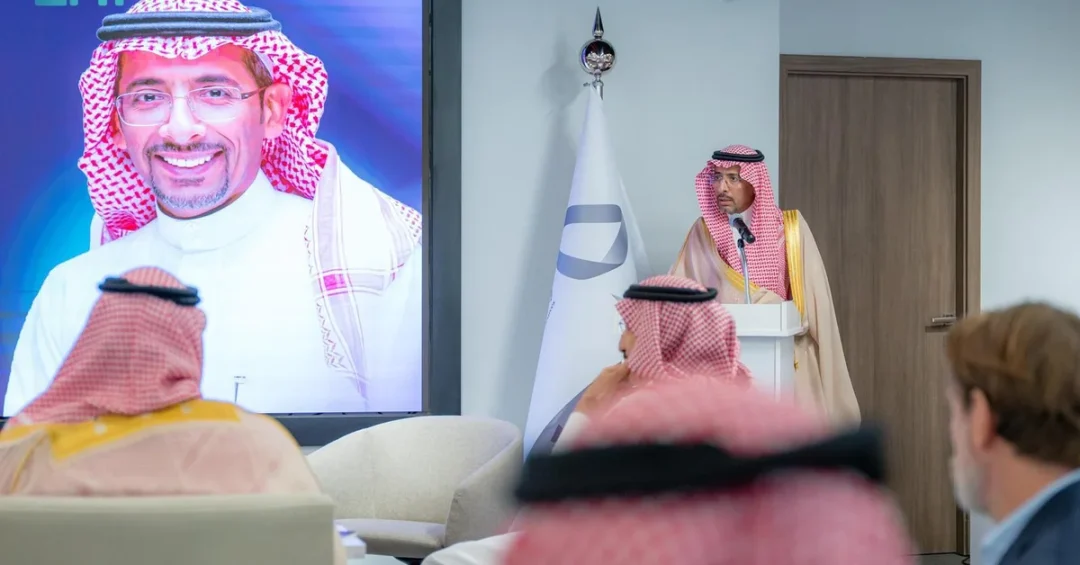
Saudi Arabia’s Minister of Industry and Mineral Resources Bandar bin Ibrahim AlKhorayef and Minister of Economy and Planning Faisal Alibrahim launched the Industrial Beacons program on September 19, 2024, in Riyadh. The initiative aims to empower leading national factories to adopt Fourth Industrial Revolution technologies, enhance production efficiency, and qualify them for inclusion in the World Economic Forum’s Global Lighthouse Network.
Context and Background
The Industrial Beacons program is a strategic initiative by the Ministry of Industry and Mineral Resources to accelerate digital transformation in Saudi manufacturing, aligning with Saudi Vision 2030. It builds on the ministry’s ongoing efforts, such as the Future Factories Initiative, to integrate advanced and smart manufacturing solutions into national industries. The program seeks to position Saudi factories as global leaders in advanced manufacturing by leveraging cutting-edge technologies.
During the launch ceremony, a panel discussion featured Mashal Al-Mishari, director of digital strategy and investment at Saudi Aramco, and Per Johansson, general manager of Bosch Middle East. They shared success stories, lessons learned, and challenges encountered on their transformation journeys to become global industrial beacons. The event was attended by Prince Sultan bin Khalid bin Faisal, chief executive of the Saudi Industrial Development Fund, and other senior officials.
Key Details
In its first phase, the Industrial Beacons program aims to evaluate 50 leading national factories and help them prepare transformation plans to apply for recognition from the World Economic Forum (WEF) and join its Global Lighthouse Network. Minister AlKhorayef stated that the ministry aims to have 14 factories recognized as global industrial beacons by 2030. The WEF’s Global Lighthouse Network currently includes 153 factories recognized as leaders in the Fourth Industrial Revolution across various industries.
The program will enable local factories to adopt Fourth Industrial Revolution technologies on a large scale, achieve operational excellence and sustainability, and gain global recognition as leaders in advanced manufacturing. This initiative complements the ministry’s efforts to promote digital transformation and enhance the competitiveness of Saudi industries.
Implications and Impact
The Industrial Beacons program is expected to significantly boost the competitiveness of Saudi manufacturing on a global scale. By adopting Fourth Industrial Revolution technologies, factories can improve efficiency, reduce costs, and enhance product quality, leading to increased exports and investment. The program also supports the development of a skilled workforce and fosters innovation within the industrial sector. Furthermore, recognition in the WEF’s Global Lighthouse Network will showcase Saudi Arabia’s leadership in advanced manufacturing, attracting international partnerships and enhancing the Kingdom’s reputation as a hub for industrial innovation.
Vision 2030 Alignment
The Industrial Beacons program directly supports Saudi Vision 2030’s goals of diversifying the economy, increasing non-oil revenues, and promoting sustainable industrial development. By empowering national factories to adopt advanced technologies and achieve global recognition, the initiative contributes to the Kingdom’s transformation into a leading industrial power. This aligns with Vision 2030’s emphasis on innovation, digital transformation, and economic competitiveness, ensuring a prosperous future for Saudi Arabia.
20 Questions
Q1. What is the Industrial Beacons program?
A1. The Industrial Beacons program is a Saudi initiative launched by the Ministry of Industry and Mineral Resources to empower leading national factories to adopt Fourth Industrial Revolution technologies, improve production efficiency, and qualify for the World Economic Forum’s Global Lighthouse Network.
Q2. Who launched the Industrial Beacons program?
A2. The program was launched by Minister of Industry and Mineral Resources Bandar bin Ibrahim AlKhorayef and Minister of Economy and Planning Faisal Alibrahim on September 19, 2024, in Riyadh.
Q3. What is the goal of the Industrial Beacons program?
A3. The program aims to enable local factories to adopt Fourth Industrial Revolution technologies, achieve operational excellence and sustainability, and gain global recognition as leaders in advanced manufacturing.
Q4. How many factories does Saudi Arabia aim to have recognized as global industrial beacons by 2030?
A4. Saudi Arabia aims to have 14 factories recognized as global industrial beacons by the World Economic Forum by 2030.
Q5. What is the first phase of the Industrial Beacons program?
A5. In its first phase, the program aims to evaluate 50 leading national factories and help them prepare transformation plans to apply for recognition from the World Economic Forum and join its Global Lighthouse Network.
Q6. What is the Global Lighthouse Network?
A6. The Global Lighthouse Network is a World Economic Forum initiative that recognizes factories as leaders in the Fourth Industrial Revolution across various industries. It currently includes 153 factories.
Q7. Which officials attended the launch ceremony?
A7. The ceremony was attended by Prince Sultan bin Khalid bin Faisal, chief executive of the Saudi Industrial Development Fund, and other senior officials.
Q8. What did the panel discussion at the launch feature?
A8. The panel discussion featured Mashal Al-Mishari, director of digital strategy and investment at Saudi Aramco, and Per Johansson, general manager of Bosch Middle East, who shared success stories and challenges.
Q9. How does the Industrial Beacons program align with Saudi Vision 2030?
A9. It supports Vision 2030 by promoting economic diversification, increasing non-oil revenues, and fostering sustainable industrial development through advanced technologies and global recognition.
Q10. What is the Future Factories Initiative?
A10. The Future Factories Initiative is a program by the Ministry of Industry and Mineral Resources to adopt advanced and smart manufacturing solutions in national industries, complementing the Industrial Beacons program.
Q11. What technologies are involved in the Fourth Industrial Revolution?
A11. Fourth Industrial Revolution technologies include artificial intelligence, Internet of Things, robotics, big data analytics, and cloud computing, which enhance manufacturing efficiency and innovation.
Q12. How will the program improve production efficiency?
A12. By adopting advanced technologies, factories can optimize processes, reduce waste, and increase output, leading to higher productivity and cost savings.
Q13. What recognition will factories receive from the World Economic Forum?
A13. Factories will be recognized as global industrial beacons and included in the Global Lighthouse Network, showcasing their leadership in advanced manufacturing.
Q14. What are the expected economic impacts of the program?
A14. The program is expected to boost exports, attract investment, create jobs, and enhance the competitiveness of Saudi industries globally.
Q15. How many factories are currently in the Global Lighthouse Network?
A15. The Global Lighthouse Network currently includes 153 factories recognized as leaders in the Fourth Industrial Revolution across various industries worldwide.
Q16. What role does the Saudi Industrial Development Fund play?
A16. The Saudi Industrial Development Fund supports industrial development by providing financing and advisory services. Its chief executive attended the launch ceremony.
Q17. What is the significance of the Industrial Beacons program for Saudi Arabia?
A17. It positions Saudi Arabia as a global leader in advanced manufacturing, driving economic diversification and technological innovation in line with Vision 2030.
Q18. How can factories apply for the program?
A18. Factories can participate by contacting the Ministry of Industry and Mineral Resources. The program will evaluate 50 leading factories in its first phase.
Q19. What lessons were shared during the panel discussion?
A19. Panelists shared success stories, lessons learned, and challenges faced during their transformation journeys to become global industrial beacons, offering insights for other factories.
Q20. What is the ultimate vision for Saudi manufacturing?
A20. The ultimate vision is to create a sustainable, technologically advanced manufacturing sector that contributes significantly to the economy and earns global recognition, supporting Vision 2030 goals.
Reader Feedback
We value your thoughts. Please share your feedback on this article.
Your feedback helps us improve our coverage.
Related articles
 Saudi Fashion Commission Unveils Annual Report in London
 Saudi Industrial Investments Surge 54% After Expat Fee Waiver
 Saudi Arabia Ranks 4th Globally in Digital Services
 Anbara of Madinah: A Luxurious Date Delight
 JCCI Concludes 2nd Edition of IFOE 2024 in Jeddah
 Camel Avenue Festival Drives Economic Growth in Taif