


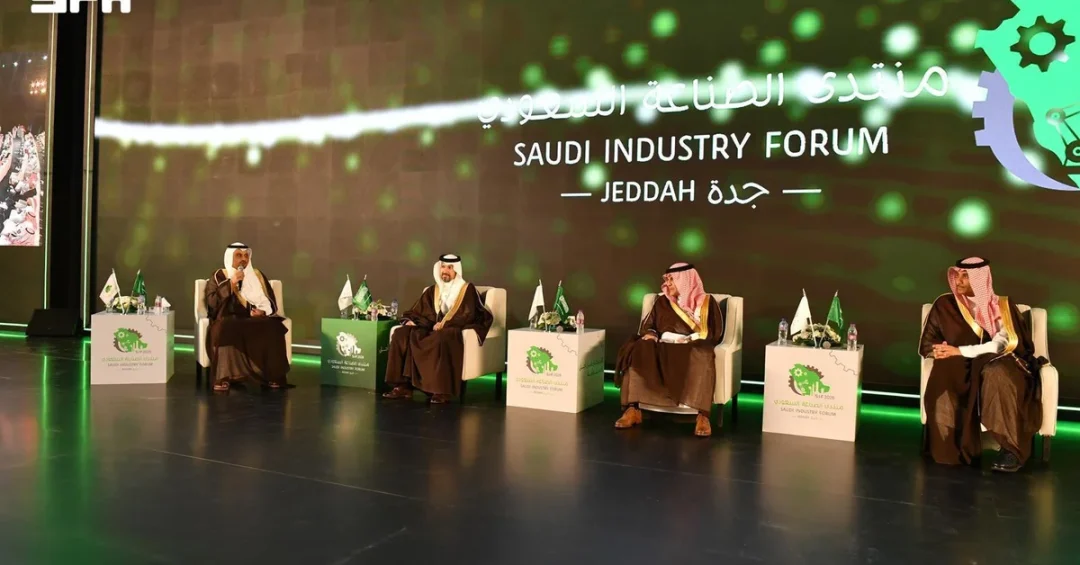
Jeddah, September 14, 2026 — Saudi Arabia’s logistics sector is rapidly transforming global supply chain disruptions into strategic investment and industrial opportunities, according to a session titled “Logistics and Supply Chains” held today at the second Saudi Industry Forum (SIF 2026) in Jeddah. The session, organized under the patronage of the Ministry of Industry and Mineral Resources, showcased record growth at Jeddah Islamic Port, including a fourfold increase in daily truck traffic—from 2,500 in 2025 to approximately 10,000 trucks per day—and more than 34 weekly maritime services. These developments underscore the Kingdom’s emergence as a global logistics hub capable of navigating geopolitical shifts while reinforcing Saudi Vision 2030 objectives.
Context and Background
Saudi Arabia’s logistics transformation is a cornerstone of Vision 2030, which aims to diversify the economy away from oil dependence and position the Kingdom as a pivotal trade bridge between Asia, Europe, and Africa. The Saudi Industry Forum 2026, a major gathering of public and private stakeholders, highlighted how targeted investments and policy reforms have enabled the Kingdom to absorb supply chain shocks and convert them into growth catalysts. Jeddah Islamic Port, the largest port on the Red Sea, has been central to this effort, benefiting from over SAR30 billion in port investments over five years. The session detailed how these investments, coupled with private sector contributions of SAR5.5 billion during crisis periods, have enhanced operational resilience and capacity.
Key Details
During the session, officials revealed that more than SAR640 million was invested in equipment and operational areas at Jeddah Islamic Port within just three months, alongside the establishment of a one-million-square-meter truck marshalling zone. This infrastructure upgrade has significantly boosted the port’s ability to handle rapid growth in logistics activity. Transit operations also surged, with the port processing approximately 375,000 containers over five months. Operations at King Abdullah Port have expanded in parallel, further strengthening the Kingdom’s regional maritime role. In addition, the Saudi Logistics Academy has contributed to employing 3,000 Saudis, training over 6,000 beneficiaries, and establishing 170 partnerships, with nine specializations aligned with labor market needs. These achievements reflect a comprehensive approach integrating infrastructure, technology, and human capital.
Implications and Impact
The expansion of Saudi Arabia’s logistics ecosystem carries significant implications for regional and international trade. With 34 weekly maritime services and a fourfold increase in truck traffic, Jeddah Islamic Port is now better positioned to serve as a reliable alternative to traditional routes affected by geopolitical tensions. This enhanced capacity attracts foreign investment, streamlines supply chains, and reduces costs for businesses operating in the Middle East. Moreover, the integration of public and private sector efforts has created a resilient model that other nations may seek to emulate. The Kingdom’s growing transit operations also reinforce its role as a gateway for goods moving between East and West, supporting economic diversification and job creation.
Vision 2030 Alignment
The developments highlighted at SIF 2026 directly advance Saudi Vision 2030’s goal of transforming the Kingdom into a global logistics hub. By investing in world-class infrastructure, fostering public-private partnerships, and developing national talent through the Saudi Logistics Academy, Saudi Arabia is not only mitigating supply chain challenges but also unlocking new economic opportunities. These efforts align with the National Industrial Development and Logistics Program (NIDLP), which seeks to elevate the logistics sector’s contribution to GDP and enhance non-oil exports. As the Kingdom continues to expand its ports and logistics capabilities, it reinforces its position as a leading player in global trade and a model of resilience and innovation.
20 Questions
Q1. What event hosted the session on logistics and supply chains?
A1. The session was held at the second Saudi Industry Forum (SIF 2026) in Jeddah on September 14, 2026, bringing together industry leaders to discuss advancements in the logistics sector.
Q2. How many trucks per day does Jeddah Islamic Port now handle?
A2. Jeddah Islamic Port now handles approximately 10,000 trucks per day, a significant increase from 2,500 trucks daily in 2025, reflecting its enhanced operational capacity.
Q3. How many weekly maritime services does Jeddah Islamic Port support?
A3. The port supports more than 34 weekly maritime services, demonstrating its growing role as a key node in regional and global supply chains.
Q4. How much has been invested in Saudi ports over five years?
A4. Investments in Saudi ports have exceeded SAR30 billion over five years, with the private sector contributing SAR5.5 billion during crisis periods to bolster resilience.
Q5. What was the recent investment at Jeddah Islamic Port?
A5. More than SAR640 million was invested in equipment and operational areas at Jeddah Islamic Port within three months, enhancing its capacity to handle rapid growth in logistics activity.
Q6. What is the size of the new truck marshalling zone?
A6. A one-million-square-meter truck marshalling zone was established at Jeddah Islamic Port to streamline truck traffic and improve operational efficiency.
Q7. How many containers did Jeddah Islamic Port handle in five months?
A7. The port handled approximately 375,000 containers over five months, highlighting its expanding transit operations and capacity.
Q8. What role does King Abdullah Port play?
A8. King Abdullah Port has expanded operations, further strengthening the regional role of Saudi Arabia’s ports and supporting the Kingdom’s logistics ambitions.
Q9. How many Saudis has the Saudi Logistics Academy employed?
A9. The Saudi Logistics Academy has contributed to employing 3,000 Saudis, supporting national capacity building and workforce development in the logistics sector.
Q10. How many beneficiaries has the Saudi Logistics Academy trained?
A10. The Academy has trained more than 6,000 beneficiaries, equipping them with skills aligned with labor market needs and enhancing their employability.
Q11. How many partnerships has the Saudi Logistics Academy established?
A11. The Academy has established 170 partnerships, expanding its reach and aligning its programs with industry requirements to foster a skilled workforce.
Q12. How many specializations does the Saudi Logistics Academy offer?
A12. The Academy now offers nine specializations aligned with labor market needs, ensuring that training programs meet the evolving demands of the logistics sector.
Q13. What is the significance of public-private integration in Saudi logistics?
A13. Integration between the public and private sectors, alongside investments in infrastructure, technology, and talent, has strengthened the resilience of the logistics ecosystem and transformed challenges into opportunities.
Q14. How does this support Saudi Vision 2030?
A14. The developments support Saudi Vision 2030 by reinforcing the Kingdom’s position as a global logistics hub, diversifying the economy, and creating jobs for Saudi citizens.
Q15. What are the implications for international trade?
A15. Enhanced capacity at Saudi ports provides a reliable alternative for global trade routes, attracts foreign investment, and streamlines supply chains, benefiting businesses worldwide.
Q16. How does the truck traffic increase impact logistics?
A16. The rise from 2,500 to 10,000 trucks per day reflects improved efficiency and capacity, enabling faster movement of goods and supporting economic growth.
Q17. What is the role of the National Industrial Development and Logistics Program?
A17. NIDLP aims to elevate the logistics sector’s contribution to GDP and enhance non-oil exports, aligning with Vision 2030 goals.
Q18. How does the Saudi Logistics Academy support Vision 2030?
A18. By training and employing thousands of Saudis, the Academy builds national talent, reduces unemployment, and supports economic diversification under Vision 2030.
Q19. What makes Jeddah Islamic Port a key hub?
A19. Its strategic location on the Red Sea, combined with massive investments and increased capacity, positions it as a vital link between Asia, Europe, and Africa.
Q20. What is the overall message of the SIF 2026 session?
A20. The session emphasized that Saudi Arabia is transforming supply chain challenges into opportunities through strategic investments, public-private collaboration, and talent development, reinforcing its global logistics hub status.
Reader Feedback
We value your thoughts. Please share your feedback on this article.
Your feedback helps us improve our coverage.