


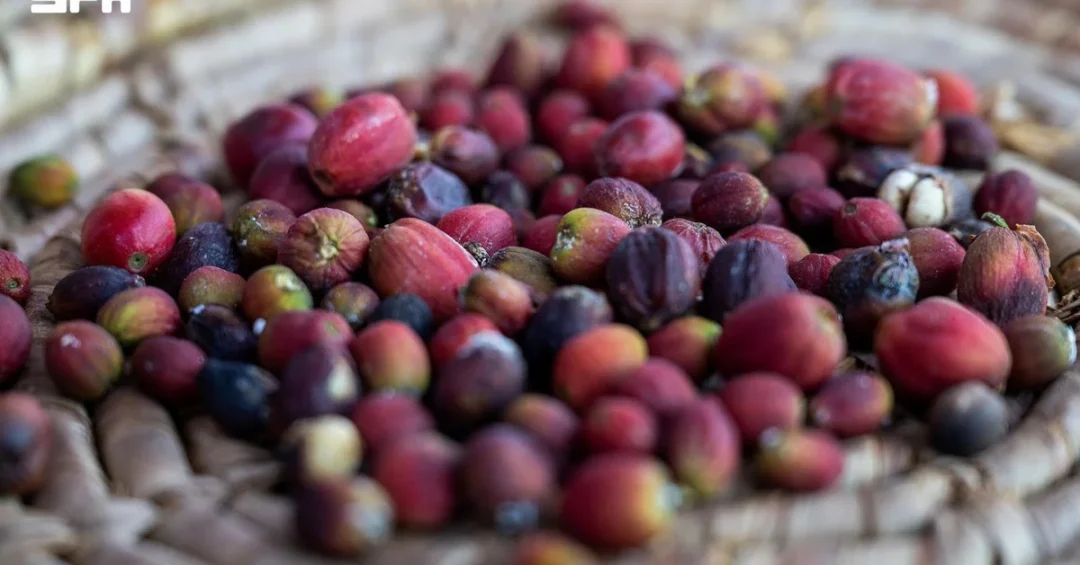
Saudi Arabia’s Sustainable Agricultural Rural Development Program (Saudi Reef) has announced that national coffee production reached approximately 7,400 tons in 2026, a dramatic increase from 800 tons annually in 2020, representing growth of more than 825 percent. The program, operating under the Ministry of Environment, Water and Agriculture, confirmed the figures in an official statement released via the Saudi Press Agency on November 12, 2026. The announcement marks a defining moment for the Kingdom’s agricultural diversification strategy and underscores the broader objectives of Saudi Vision 2030.
Could this remarkable surge signal a new era for Saudi Arabia’s agricultural identity? The numbers suggest precisely that. With beneficiaries in the coffee sector exceeding 6,200 individuals in 2026 — a 207 percent increase from 2021 — and total program support surpassing SAR 185 million, Saudi Reef has demonstrated that targeted investment in rural communities can yield transformative results. The program’s 2026 production target of 7,000 tons was not only met but exceeded, with actual output reaching 7,400 tons. This achievement reflects a carefully coordinated national effort to revive and modernize an agricultural tradition that stretches back centuries in the highlands of Jazan, Asir, and Al-Baha.
Context and Background
How did a nation historically known for oil exports become a rising player in specialty coffee production? The answer lies in a deliberate, multi-year strategy rooted in Vision 2030’s economic diversification goals. Saudi Reef was established to develop sustainable agricultural practices across rural regions, with coffee identified as a high-value crop capable of generating income, preserving cultural heritage, and reducing dependence on imports. In 2020, Saudi coffee production stood at just 800 tons annually, meeting only 0.5 percent of domestic demand. The Kingdom imported the vast majority of its coffee, despite a rich history of cultivation in its southwestern highlands dating back more than 300 years.
The program’s approach combined financial support, technical training, and infrastructure development. Small-scale producers received grants and loans to expand their farms, while agricultural engineers provided guidance on organic farming methods, pest control, and modern irrigation techniques. The results have been striking: self-sufficiency in coffee rose from 0.5 percent in 2020 to 4.4 percent in 2026, a nearly ninefold increase. While Saudi Arabia remains far from complete self-sufficiency, the trajectory demonstrates that strategic intervention can rapidly scale production in sectors with cultural and economic significance.
Majed Al-Buraikan, the official spokesperson for Saudi Reef, emphasized that the program’s success extends beyond raw numbers. “The growth we are witnessing reflects the dedication of Saudi farmers and the effectiveness of coordinated national planning,” he said in the official statement. “Every ton of coffee produced represents not only economic value but also the preservation of a heritage that defines our rural communities.” His remarks underscore a dual objective: economic modernization and cultural preservation, both central pillars of the Kingdom’s long-term development vision.
Key Details of the 2026 Coffee Harvest
What specific measures drove this year’s record production? According to the Saudi Reef statement, several interconnected initiatives contributed to the 7,400-ton outcome. Approximately 4.4 million coffee seedlings are currently being cultivated, with the expectation that they will raise production to more than 20,000 tons once they reach full maturity. This pipeline of new plantings suggests that the upward trend will continue for years to come, barring unforeseen environmental or economic disruptions.
The program also produced 1,000 improved cuttings designed to enhance coffee varieties, boosting both productivity and resistance to pests and diseases. Agricultural projects involving 8,000 coffee seedlings were initiated across multiple regions, and cultivation trials were conducted at 12 sites to identify optimal growing conditions and improve yields, quality, and sustainability. These trials are particularly important in Saudi Arabia’s arid climate, where water efficiency and soil health are paramount concerns. The training component of the program has been equally robust, with specialized courses covering organic farming, integrated pest management, modern irrigation systems, and advanced coffee cultivation techniques.
Total support for the coffee sector surpassed SAR 185 million, allocated to small-scale producers, agricultural investment, and the development of coffee value chains. This funding has enabled farmers to purchase equipment, access quality seedlings, and connect with markets both domestically and internationally. The number of beneficiaries exceeded 6,200 in 2026, up 207 percent from 2021, indicating that the program’s reach has expanded significantly across the Kingdom’s coffee-growing regions. These beneficiaries include smallholder farmers, cooperatives, and agricultural entrepreneurs, many of whom are women and young people entering the sector for the first time.
International and Regional Impact
How does Saudi Arabia’s coffee boom resonate beyond its borders? The Kingdom’s emergence as a significant coffee producer carries implications for regional trade, global specialty coffee markets, and South-South agricultural cooperation. Saudi coffee, particularly the prized Khawlani variety grown in the Jazan region, has already gained recognition at international exhibitions and specialty coffee competitions. Increased production volumes could position Saudi Arabia as a supplier to neighboring Gulf states and beyond, reducing the region’s reliance on imports from traditional producers in Africa, Latin America, and Asia.
Regional cooperation is also expanding. Saudi Reef has engaged with international agricultural research institutions and has shared its experiences with other countries in the Middle East and North Africa facing similar challenges of water scarcity and rural development. The program’s success in integrating modern technology with traditional farming knowledge offers a model that could be adapted across the region. Furthermore, the cultural dimension of Saudi coffee — recognized by UNESCO as an intangible cultural heritage element — adds a unique value proposition in global markets increasingly interested in traceable, heritage-rich products.
The economic ripple effects are equally noteworthy. Coffee cultivation supports rural employment, reduces migration to urban centers, and strengthens local supply chains. As production scales toward the 20,000-ton target, opportunities will emerge in processing, roasting, packaging, and export logistics. These downstream activities can generate additional jobs and attract private investment, further diversifying the rural economy and aligning with Vision 2030’s goal of creating a vibrant, diversified private sector.
Economic and Strategic Significance
Why does coffee matter so much to Saudi Arabia’s economic strategy? At its core, the coffee initiative represents a test case for the Kingdom’s broader agricultural transformation. Vision 2030 calls for sustainable economic diversification, and agriculture — particularly high-value, water-efficient crops — plays a crucial role in that vision. Coffee is well-suited to the terraced highlands of southwestern Saudi Arabia, where traditional farming practices have been preserved for generations. By modernizing these practices, Saudi Reef is demonstrating that heritage and innovation can coexist productively.
The program’s emphasis on self-sufficiency also has strategic implications. Although 4.4 percent self-sufficiency may appear modest, it represents a significant shift from near-total dependence on imports. Each percentage point gained reduces exposure to global supply chain disruptions and currency fluctuations. Moreover, the quality of Saudi coffee — particularly the Khawlani beans — commands premium prices in specialty markets, meaning that even small volumes can generate outsized economic returns. The SAR 185 million invested to date has already produced measurable returns in terms of production value, rural income, and sectoral growth.
Looking ahead, the pipeline of 4.4 million seedlings and the ongoing cultivation trials suggest that Saudi Arabia is building the foundation for a durable coffee industry. The program’s integrated approach — combining financial support, technical assistance, and market development — addresses the full value chain rather than focusing on isolated interventions. This holistic strategy increases the likelihood that gains will be sustained over the long term, even as the program evolves and expands to new regions and new crops.
Vision 2030 Alignment
How does the coffee sector’s success embody the aspirations of Saudi Vision 2030? The program directly supports several key objectives: economic diversification, rural development, job creation, and the preservation of cultural heritage. By transforming coffee from a marginal crop into a commercially viable industry, Saudi Reef is helping to build a more resilient and inclusive economy. The 6,200 beneficiaries — many of them small-scale farmers — are active participants in this transformation, gaining skills, income, and a stake in the Kingdom’s future prosperity.
The program also aligns with Vision 2030’s emphasis on sustainability and environmental stewardship. Training in organic farming, water-efficient irrigation, and integrated pest management ensures that increased production does not come at the expense of natural resources. The cultivation trials at 12 sites are designed to identify best practices that can be replicated across different agro-climatic zones, contributing to a more sustainable agricultural sector nationwide. As Saudi Arabia continues its journey toward a diversified, knowledge-based economy, the coffee initiative stands as a testament to what can be achieved when national vision, local commitment, and effective implementation converge.
20 Questions
Q1. What is Saudi Reef and what is its main purpose?
A1. Saudi Reef is the Sustainable Agricultural Rural Development Program, operating under the Ministry of Environment, Water and Agriculture. It aims to develop rural agriculture, support small-scale producers, and enhance food security in line with Saudi Vision 2030 objectives.
Q2. How much did Saudi coffee production increase from 2020 to 2026?
A2. Production rose from 800 tons annually in 2020 to approximately 7,400 tons in 2026, an increase of more than 825 percent, according to the official Saudi Reef statement released via the Saudi Press Agency.
Q3. How many beneficiaries are there in the coffee sector in 2026?
A3. The number of beneficiaries exceeded 6,200 in 2026, representing a 207 percent increase from 2021. These beneficiaries include smallholder farmers, cooperatives, and agricultural entrepreneurs across the Kingdom.
Q4. What was the total support provided to the coffee sector?
A4. Total support surpassed SAR 185 million, allocated to small-scale producers, agricultural investment, and the development of coffee value chains, according to the Saudi Reef spokesperson.
Q5. What is the expected production level once current seedlings mature?
A5. Approximately 4.4 million coffee seedlings are expected to raise production to more than 20,000 tons at full capacity, according to Majed Al-Buraikan, the official spokesperson for Saudi Reef.
Q6. What training does Saudi Reef provide to coffee farmers?
A6. The program provides specialized training in organic farming, pest control, modern irrigation, and coffee cultivation techniques. These courses aim to improve yields, quality, and sustainability across the sector.
Q7. What are improved cuttings and how many were produced?
A7. Improved cuttings are plant materials developed to enhance coffee varieties and productivity. Saudi Reef produced 1,000 improved cuttings in 2026 to strengthen the genetic quality of Saudi coffee plants.
Q8. How many cultivation trials were conducted and why?
A8. Cultivation trials were conducted at 12 sites to expand cultivation and improve yields, quality, and sustainability. These trials help identify optimal growing conditions for different regions of Saudi Arabia.
Q9. What was the 2026 production target and was it met?
A9. The 2026 target was to increase annual production to 7,000 tons. Actual production exceeded the target, reaching 7,400 tons, demonstrating the program’s effectiveness.
Q10. How did self-sufficiency in coffee change from 2020 to 2026?
A10. Self-sufficiency rose from 0.5 percent in 2020 to 4.4 percent in 2026. This nearly ninefold increase reflects the success of Saudi Reef’s efforts to boost domestic production.
Q11. Which regions of Saudi Arabia are known for coffee cultivation?
A11. Coffee is traditionally cultivated in the southwestern highlands, particularly in the Jazan, Asir, and Al-Baha regions. These areas offer suitable altitude, climate, and terraced farming conditions for coffee growing.
Q12. What is Khawlani coffee and why is it significant?
A12. Khawlani coffee is a prized Saudi variety grown in the Jazan region. It is recognized for its distinctive flavor and cultural heritage, and has gained attention in international specialty coffee markets.
Q13. How does the coffee program support Saudi Vision 2030?
A13. The program supports economic diversification, rural development, job creation, and cultural preservation, all of which are key objectives of Saudi Vision 2030. It also enhances food security and sustainable agriculture.
Q14. What economic benefits does coffee cultivation bring to rural communities?
A14. Coffee cultivation generates income for small-scale farmers, creates employment opportunities, reduces migration to urban centers, and strengthens local supply chains. It also supports downstream activities such as processing, roasting, and packaging.
Q15. How does Saudi Reef ensure environmental sustainability?
A15. The program promotes organic farming, water-efficient irrigation, and integrated pest management. Cultivation trials at 12 sites help identify best practices that protect natural resources while increasing productivity.
Q16. What is the significance of the 8,000 coffee seedlings mentioned in the report?
A16. Agricultural projects involving 8,000 coffee seedlings were initiated to expand cultivation and test new growing methods. These projects contribute to the overall goal of increasing production and improving quality.
Q17. How does Saudi coffee compare to global producers?
A17. Saudi Arabia is a relatively new entrant in global coffee production, but its specialty Khawlani beans command premium prices. The Kingdom’s focus on quality and heritage differentiates it in international markets.
Q18. What role does the Saudi Press Agency play in reporting these developments?
A18. The Saudi Press Agency (SPA) is the official national news agency that disseminates verified information from government ministries and state programs, ensuring accurate and timely reporting on Saudi Arabia’s development initiatives.
Q19. What are the next steps for Saudi Reef’s coffee program?
A19. The program will continue supporting farmers, expanding cultivation, and improving yields through training and technology. The maturation of 4.4 million seedlings is expected to push production beyond 20,000 tons in the coming years.
Q20. Why is the coffee sector’s growth important for Saudi Arabia’s global image?
A20. It showcases Saudi Arabia’s commitment to economic diversification, sustainable development, and cultural preservation. The success story enhances the Kingdom’s reputation as a modern, forward-looking nation achieving Vision 2030 goals.
Reader Feedback
We value your thoughts. Please share your feedback on this article.
Your feedback helps us improve our coverage.
Related articles
 Investment Ministry, Gulf Coast Development Sign MoU for Khafji
 ADF and alinma Bank Sign Deal to Boost Food Security
 65 Projects Open for Feedback on Istitlaa Platform
 FII Institute Announces New Dates for FII10: October 25–28, 2027
 Asharqia Chamber Concludes Electronic Application Exhibition 2026
 Saudi-Hosted IDC and FAO Talks Expand Global Date Cooperation