


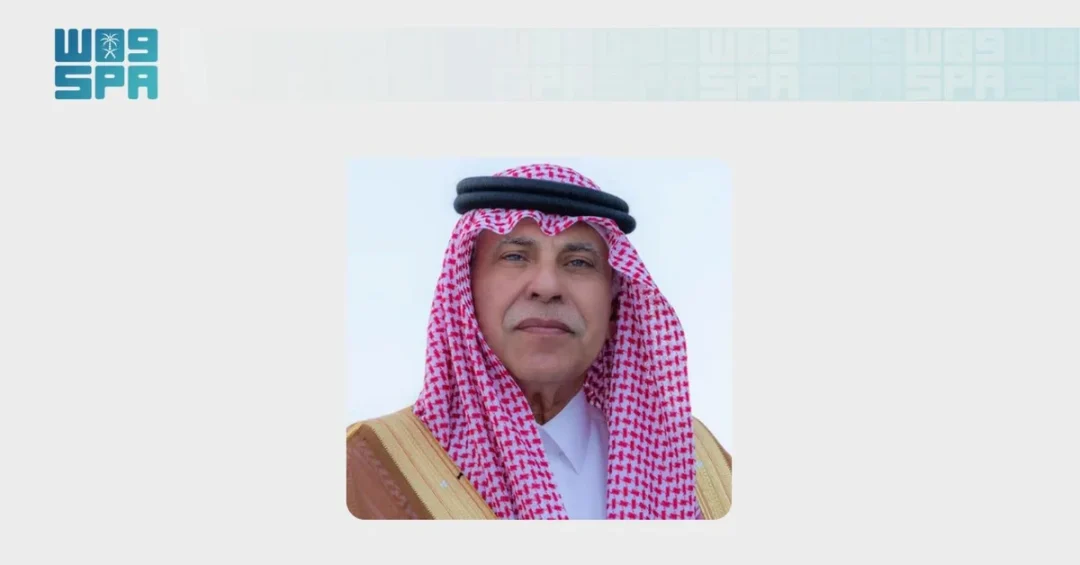
Saudi Arabia’s Minister of Commerce and Chairman of the Board of Directors of the General Authority for Foreign Trade (GAFT), Majid Al-Kassabi, will lead the Kingdom’s delegation to the G20 Trade Ministers Meeting in Milwaukee, Wisconsin, from September 30 to October 1, 2026, as confirmed by the Saudi Press Agency (SPA). The high-level gathering brings together trade ministers from the world’s largest economies to advance discussions on trade and investment priorities that shape the global economic landscape. Saudi Arabia’s active participation underscores the Kingdom’s growing role in international economic governance and its commitment to fostering open, rules-based trade under the framework of Saudi Vision 2030.
The meeting comes at a pivotal moment for the global economy, as trade tensions, supply chain realignments, and food security concerns continue to test the resilience of international markets. Under the presidency of the United States, which is hosting the G20 in 2026, the discussions are expected to focus on economic growth, energy abundance, and the removal of unnecessary barriers to trade. For Saudi Arabia, participation in this forum is not merely diplomatic protocol but a strategic imperative that aligns with its economic diversification goals and its ambition to become a global trade and logistics hub. How might the outcomes of this meeting influence the future of multilateral trade cooperation? The answer may well shape the trajectory of global commerce for years to come.
Context and Background
What makes the G20 Trade Ministers Meeting so consequential for the global economy? The G20, which comprises the world’s major advanced and emerging economies, serves as the premier forum for international economic cooperation. Its Trade and Investment Working Group (TIWG) has become a critical platform for addressing some of the most pressing challenges facing global trade today. According to official Saudi sources, the TIWG is focusing on four key priorities: ending forced labor, upholding the most-favored-nation principle, curbing the weaponization of food, and exchanging views on addressing excess production capacity. These priorities reflect a shared recognition among G20 members that trade must be fair, sustainable, and resilient in the face of evolving global challenges.
Saudi Arabia’s engagement in the G20 process has deepened significantly over the past decade. As the largest economy in the Middle East and a leading member of the Arab world, the Kingdom has consistently advocated for policies that promote stability, inclusivity, and prosperity. The appointment of Majid Al-Kassabi to lead the delegation is a testament to the Kingdom’s commitment to leveraging its economic weight and diplomatic influence to advance these objectives. Al-Kassabi, who also chairs the Board of Directors of the General Authority for Foreign Trade (GAFT), has been instrumental in shaping Saudi Arabia’s trade policies and expanding its network of international partnerships. His leadership at the G20 meeting will be closely watched by global stakeholders eager to understand Saudi Arabia’s vision for the future of trade.
The 2026 G20 presidency of the United States has set an agenda that resonates with Saudi Arabia’s own economic priorities. The focus on economic growth, energy abundance, and removing unnecessary barriers aligns with the Kingdom’s efforts to diversify its economy, attract foreign investment, and enhance the competitiveness of its non-oil sectors. As the world’s largest exporter of crude oil and a growing player in renewable energy, Saudi Arabia is uniquely positioned to contribute to discussions on energy abundance and sustainable growth. The Kingdom’s participation in Milwaukee will therefore be both a reflection of its global economic stature and an opportunity to shape outcomes that benefit both developed and developing economies.
Key Details
What specific issues will dominate the agenda in Milwaukee? The G20 Trade and Investment Working Group (TIWG) has identified four priorities that will guide the discussions. First, ending forced labor is a moral and economic imperative that G20 members are expected to address through enhanced cooperation and supply chain transparency. Second, the most-favored-nation principle, a cornerstone of the World Trade Organization (WTO) system, is under scrutiny as countries seek to ensure that trade preferences are applied fairly and consistently. Third, curbing the weaponization of food—a reference to the use of food exports as a geopolitical tool—has gained urgency amid global food security concerns. Fourth, exchanging views on addressing excess production capacity aims to promote market balance and prevent distortions that harm fair competition.
Saudi Arabia’s delegation, led by Minister Majid Al-Kassabi, is expected to articulate the Kingdom’s position on these issues while highlighting its own experiences and achievements. Under Vision 2030, Saudi Arabia has undertaken ambitious reforms to diversify its economy, improve the business environment, and integrate more deeply into global value chains. These reforms have not only boosted the Kingdom’s trade competitiveness but also made it a more attractive destination for foreign investment. The minister’s participation in the G20 meeting will provide an opportunity to showcase these accomplishments and to learn from the experiences of other member states. As the chairman of GAFT, Al-Kassabi is well-placed to discuss the institutional frameworks and policies that have driven Saudi Arabia’s trade expansion.
The scale of Saudi Arabia’s trade with G20 countries underscores the importance of this engagement. According to official data, the Kingdom’s trade with G20 nations totaled approximately $2.3 trillion over the five-year period from 2021 to 2025. This staggering figure reflects the depth and breadth of Saudi Arabia’s economic ties with the world’s major economies. It also highlights the mutual benefits of a stable and open trading system. By participating actively in the G20 Trade Ministers Meeting, Saudi Arabia is not only protecting its own interests but also contributing to the maintenance of a global trading environment that has enabled its prosperity. The Kingdom’s voice will be essential in shaping consensus on the key issues under discussion.
International and Regional Impact
How will the outcomes of the G20 Trade Ministers Meeting reverberate across the Middle East and beyond? For Saudi Arabia, the meeting represents an opportunity to strengthen its leadership role in regional economic affairs. As the host of numerous international forums and the headquarters of the Gulf Cooperation Council (GCC), the Kingdom has long been a bridge between East and West. Its participation in the G20 reinforces this position and signals its commitment to multilateralism at a time when some countries are turning inward. The decisions taken in Milwaukee could influence trade flows, investment patterns, and regulatory standards across the region, with significant implications for Saudi Arabia’s neighbors and partners.
On the global stage, the meeting is expected to produce outcomes that affect the entire international trading system. The discussions on forced labor, food security, and excess production capacity touch on issues that are central to the stability of global supply chains. Saudi Arabia, as a major energy exporter and a growing hub for logistics and manufacturing, has a direct stake in these debates. The Kingdom’s ability to help forge consensus among G20 members will be a measure of its diplomatic influence. Moreover, the meeting provides a platform for Saudi Arabia to advocate for the interests of developing countries, many of which are disproportionately affected by trade disruptions and protectionist measures. By championing inclusive trade policies, the Kingdom can enhance its reputation as a responsible global stakeholder.
Economic and Strategic Significance
What does Saudi Arabia stand to gain from its active participation in the G20 Trade Ministers Meeting? The economic benefits are substantial. The G20 countries collectively account for the vast majority of global trade and investment, and Saudi Arabia’s trade with these nations is a cornerstone of its economy. By engaging in discussions on trade facilitation, investment liberalization, and regulatory cooperation, the Kingdom can help create a more predictable and favorable environment for its exporters and investors. The meeting also offers a chance to advance bilateral trade agreements and partnerships that complement the multilateral process. For instance, Saudi Arabia has been actively pursuing trade deals with countries in Asia, Europe, and the Americas, and the G20 setting provides a valuable opportunity for informal consultations and networking.
Strategically, the meeting reinforces Saudi Arabia’s position as a key player in global economic governance. Under Vision 2030, the Kingdom aims to increase the non-oil share of its GDP, boost non-oil exports, and attract foreign direct investment. Participation in high-level forums like the G20 is essential to achieving these goals. It allows Saudi Arabia to shape the rules of the game, build alliances, and project its soft power. Furthermore, the Kingdom’s leadership in the G20 can help counter negative perceptions and showcase its progress on economic and social reforms. The presence of Minister Al-Kassabi in Milwaukee will be a visible reminder of Saudi Arabia’s commitment to international cooperation and its readiness to assume greater responsibilities on the world stage.
Vision 2030 Alignment
How does Saudi Arabia’s participation in the G20 Trade Ministers Meeting align with the objectives of Vision 2030? The Kingdom’s long-term development plan, launched in 2016, seeks to transform its economy from oil dependence to a diversified, knowledge-based model. A key pillar of this transformation is enhancing the Kingdom’s integration into global markets and expanding its trade and investment ties. The G20 platform provides an ideal venue for advancing these goals by facilitating dialogue with the world’s largest economies and promoting policies that support open trade and investment. Saudi Arabia’s active engagement in the G20 is therefore not just a diplomatic exercise but a strategic component of its economic reform agenda.
As the Kingdom continues its journey toward Vision 2030, its role in forums like the G20 will only grow in importance. The meeting in Milwaukee is another milestone in Saudi Arabia’s evolving global engagement, demonstrating its commitment to multilateralism, economic growth, and shared prosperity. The outcomes of the discussions will help shape the international trading environment in which Saudi Arabia operates, and the Kingdom’s contributions will be vital in ensuring that this environment remains conducive to development and innovation. With strong leadership and a clear vision, Saudi Arabia is well-positioned to make a meaningful impact at the G20 and beyond, advancing both its national interests and the common good of the international community.
20 Questions
Q1. Who is leading Saudi Arabia’s delegation to the G20 Trade Ministers Meeting?
A1. Minister of Commerce Majid Al-Kassabi, who also chairs the Board of Directors of the General Authority for Foreign Trade (GAFT), is leading the Kingdom’s delegation to the G20 Trade Ministers Meeting in Milwaukee.
Q2. When and where is the G20 Trade Ministers Meeting taking place?
A2. The meeting is scheduled for September 30 to October 1, 2026, in Milwaukee, Wisconsin, United States, as part of the US-hosted G20 presidency.
Q3. What are the key priorities of the G20 Trade and Investment Working Group?
A3. The working group focuses on ending forced labor, upholding the most-favored-nation principle, curbing the weaponization of food, and exchanging views on addressing excess production capacity.
Q4. What are the three priorities of the US G20 presidency in 2026?
A4. The US presidency is focused on economic growth, energy abundance, and removing unnecessary barriers to trade and investment.
Q5. How much did Saudi Arabia’s trade with G20 countries total from 2021 to 2025?
A5. Saudi Arabia’s trade with G20 countries totaled approximately $2.3 trillion over the five-year period from 2021 to 2025, reflecting deep economic ties.
Q6. Why is Saudi Arabia’s participation in the G20 important for its economy?
A6. It allows the Kingdom to shape global trade rules, expand market access, attract investment, and advance its Vision 2030 economic diversification goals.
Q7. What is the General Authority for Foreign Trade (GAFT)?
A7. GAFT is a Saudi government agency responsible for developing and implementing the Kingdom’s foreign trade policies and enhancing its global trade position.
Q8. How does the G20 meeting align with Saudi Vision 2030?
A8. The meeting supports Vision 2030 by promoting open trade, economic diversification, and international partnerships that help grow Saudi Arabia’s non-oil economy.
Q9. What does ‘curbing the weaponization of food’ mean in the G20 context?
A9. It refers to efforts to prevent countries from using food exports as a geopolitical tool, ensuring global food security and stable supply chains.
Q10. What is the most-favored-nation principle?
A10. It is a WTO principle requiring countries to treat all trading partners equally, ensuring non-discrimination and fair competition in international trade.
Q11. How might the G20 meeting affect global trade policies?
A11. It could lead to agreements on reducing trade barriers, protecting food security, and promoting fair labor practices, influencing trade rules worldwide.
Q12. What role does Saudi Arabia play in the G20?
A12. Saudi Arabia is an influential member, advocating for balanced trade policies, energy market stability, and the interests of developing economies.
Q13. What are excess production capacity concerns in trade?
A13. Excess production capacity can distort global markets, leading to unfair competition and price volatility, which the G20 seeks to address through dialogue.
Q14. How does Saudi Arabia’s trade with G20 countries benefit its economy?
A14. It provides access to major markets, attracts investment, fosters technology transfer, and supports job creation and economic growth in the Kingdom.
Q15. Who is Majid Al-Kassabi?
A15. Majid Al-Kassabi is Saudi Arabia’s Minister of Commerce and Chairman of the Board of Directors of the General Authority for Foreign Trade (GAFT).
Q16. What is the significance of the US hosting the G20 in 2026?
A16. It highlights US leadership in setting the global economic agenda, with a focus on growth, energy, and trade liberalization.
Q17. How does Saudi Arabia benefit from multilateral trade forums?
A17. They provide platforms to build alliances, influence rules, resolve disputes, and promote the Kingdom’s economic interests and Vision 2030 reforms.
Q18. What outcomes are expected from the Milwaukee meeting?
A18. The meeting is expected to produce consensus on trade priorities, strengthen cooperation, and guide future WTO and G20 trade initiatives.
Q19. How does Saudi Arabia’s participation reflect its global role?
A19. It demonstrates the Kingdom’s commitment to multilateralism, its growing economic influence, and its readiness to contribute to global governance.
Q20. What is the broader impact of the G20 Trade Ministers Meeting on Saudi Arabia?
A20. It reinforces Saudi Arabia’s position as a key global trade player, supports its economic diversification, and enhances its international standing.
Reader Feedback
We value your thoughts. Please share your feedback on this article.
Your feedback helps us improve our coverage.